One question I hear regularly from clients is: “If people are already searching for us, why do we need to invest in brand awareness?”
It’s understandable. If branded searches are healthy and performance campaigns are delivering leads or sales, it can seem like awareness activity is an unnecessary expense.
In this article, Arke’s Key Account Manager Panida delves into the impact of brand awareness on your organisation’s bottom line.
The need for brand awareness campaigns
After working with clients across education, travel, finance and ecommerce, (and having run my own catering business), I’ve found that branded search is often a result of previous marketing efforts, not a guarantee of future growth.
Brand search captures existing demand. It doesn’t create it.
A strong brand awareness strategy ensures your business remains visible before customers are actively looking to buy. Whether it’s a prospective student researching universities, a traveller planning their next holiday, or a consumer comparing products online, the decision-making process often starts long before they enter a search query.
One of the biggest mistakes I see brands make is focusing solely on demand capture while overlooking demand generation. When that happens, competitors are given an opportunity to influence potential customers first.
This is particularly important because competitors are often targeting your audience directly. Through paid search, it’s common practice for businesses to bid on competitor brand terms. I’ve worked with clients who faced increased competitor activity during key trading periods, yet by maintaining a consistent brand awareness campaign, we were able to protect performance and keep acquisition costs efficient.
Why businesses still need a brand awareness strategy
The reason is simple: familiar brands are harder to replace.
When customers already recognise and trust a brand, they’re less likely to be swayed by a competitor’s ad, discount, or promotional offer. As a result, conversion rates remain stronger and marketing budgets work harder.
Across the sectors I’ve worked in, the pattern is remarkably consistent. Education providers benefit when students are familiar with their brand before application season begins. Travel companies often see stronger booking performance when awareness activity supports promotional campaigns. Ecommerce brands can reduce their reliance on price competition, while finance organisations benefit from the trust that visibility and consistency help create.
Clients often ask me how to measure brand awareness, and while it isn’t as straightforward as tracking a sale, there are clear indicators. Growth in branded search volume, increases in direct website traffic while campaigns are running, higher engagement rates, and stronger conversion performance can all demonstrate that awareness activity is contributing to business growth.
Equally, businesses frequently ask how to increase brand awareness without significantly increasing budgets. From my experience, the most successful brand awareness campaigns aren’t built around a single channel. They’re built around consistency. Whether that’s through paid social, organic content strategies, outreach campaigns, PR activity, or traditional marketing methods such as out-of-home (OOH) advertising, the goal is the same: to keep your brand visible and memorable throughout the customer journey. The brands that achieve this consistently are often the ones that see the strongest long-term performance.
Ultimately, I believe many businesses ask the wrong question.
Rather than asking, “Do we need brand awareness if people are already searching for us?” the better question is:
“What happens if we stop building demand?”
Because competitors won’t stop. Markets won’t stop evolving. Customer attention won’t stop shifting.
The brands that achieve sustainable growth aren’t simply capturing existing demand. They’re continually investing in the visibility, trust, and recognition that create future demand as well.
That’s why, in my experience, brand awareness isn’t separate from performance marketing. It’s one of the key factors that makes performance marketing more effective.
How can Arke help your brand awareness strategy?
At Arke, we know that brand and performance work best together. Awareness activity helps create future demand, while performance marketing helps convert it efficiently. When the two are planned in tandem, brands are better placed to stay visible, improve conversion strength, and build more sustainable long-term performance.
As an example, our work with London Gatwick Airport helped increase their positive brand associations by 7% with a multi-channel awareness campaign focused on changing perceptions in the world’s most competitive airport city.
The strongest work I’ve been part of at Arke hasn’t started with a prescribed deliverable. It started with a deeper, early, conversation. Usually one where a brand is still working out what actually needs to change and why it matters commercially, before anyone has committed to a channel, a budget or a timeline.
That shared thinking stage is where a lot of the value sits. And it’s the part that gets squeezed and rushed most often.
The way brands and agencies work together has shifted a lot in the last few years. Marketing teams are under more pressure to move quickly, prove more and make budgets work harder. There are more channels, more platforms, more data sources and more tools than most teams can realistically stay on top of.
So it’s completely understandable that brands often come to agencies looking for pace, clarity and delivery, and that agencies, wanting to be useful, lean into that.
But somewhere in that pace, an important part of the relationship can get lost.
Quite often, by the time the agency is properly in the room, the shape of the answer is already decided. The channel has been chosen. The budget agreed. The timeline set. The expected output is clear. The agency is being asked to deliver against that well, which matters. But it hasn’t had the chance to help shape whether that work is the best route to the result the brand actually needs.
That isn’t a criticism of how brands work. The clients we partner with know their businesses, customers and internal pressures better than any agency ever will. But internal knowledge and external perspective do different jobs. The strongest partnerships happen when those two things meet early enough to influence the plan, not just execute it.
A good agency should be able to answer the brief.
The relationship gets more valuable when the agency is also helping shape the question.
Biggest mistakes when briefing a marketing agency
One of the easiest traps in marketing is starting with the format.
- “We need a paid social campaign.”
- “We need more leads.”
- “We need a new landing page.”
- “We need to reduce acquisition costs.”
-
“We need more content.”
Any of those might be right. But they’re rarely the actual problem, and treating them as the answer before testing the question is how time and budget end up working hard in the wrong direction. A paid social campaign won’t fix weak conversion. More leads won’t help if the issue is lead quality. A new landing page won’t solve unclear positioning. A lower acquisition cost looks good in a dashboard, but if those enquiries don’t convert into meaningful sales, the business hasn’t actually moved.
This is where the relationship earns its place: not by an agency being difficult, but by both sides pressure-testing the route together before time, budget and expectation are wrapped around it.
The patterns are usually familiar. A brand asks for more media spend when the bigger issue is what happens after the click. The campaign then gets judged on sales or leads, even though the real friction sits further down the journey. Or a business wants to reduce acquisition cost, and the proposed route is almost entirely bottom-of-funnel, which might move short-term numbers, but doesn’t answer whether enough of the right people know, trust or understand the brand in the first place. Or reporting creates a false sense of control.
The dashboard is full, but if the right questions weren’t asked at the start, it ends up measuring activity rather than progress. Everyone can see what happened. Nobody is quite sure whether it was the right thing to do.
None of this comes from bad intent. It comes from pressure. Teams are busy. Decisions need to be made. Stakeholders want a plan. Momentum matters.
But when the thinking stage gets compressed, marketing can become very busy without becoming more effective, and that’s a harder problem to spot from the inside, because everything looks like it’s moving.
This is where accountability and access need to line up.
What a good marketing agency should be accountable for
If an agency is asked to deliver a campaign, manage a budget, build a website or produce assets, it should be judged on the delivery. Was it on time? On budget? Was the quality there? Did the team communicate well? Were the basics handled properly? That’s fair. That’s delivery accountability, and we welcome it.
But when the conversation is about growth, revenue, lead quality, acquisition or long-term efficiency, the agency needs more than a brief. It needs to understand what success actually means to the business. Without that, an agency can still do a good job, but it may be doing a good job inside a plan that was already limited before it arrived. And neither side really wins from that.
Why the best agency relationships start before delivery
This is the part we try to get right from the start at Arke. Before we get to channels or deliverables, we want to understand the context around the work. What is the business actually trying to change? Where’s the pressure coming from? What’s been tried already, and what was learned? What’s known, and what’s assumed? What does success look like as a business outcome, not just a marketing one?
From there, the route gets clearer. Sometimes that means challenging the channel choice before the plan is locked. Sometimes it means reframing the brief around the real customer barrier. Sometimes it means flagging that the website, the sales journey or the measurement setup needs attention before more budget goes into acquisition. Often, it means confirming the original brief was exactly right and getting on with it. Occasionally, it means saying the brief isn’t quite the right brief yet, which isn’t a blocker. It’s a better starting point.
A good relationship should feel supportive. It shouldn’t feel passive. If an agency only ever agrees, the brand probably isn’t getting the full value of the partnership. There are times when the most useful thing to say is: that channel might not be the problem. That target’s achievable, but not on that timeline. This campaign will drive traffic, but not the right kind of demand. You may not need more spend yet: you may need to fix the journey first.
That kind of challenge only lands when it comes from the right place. Not ego. Not making a point. Just a shared commitment to getting to the strongest answer, because both sides are accountable to the same outcome.
So if you’re shaping a brief, reviewing your agency setup, planning a launch, or quietly wondering whether your marketing activity is solving the right problem, it’s worth having that conversation before the plan is locked. Not to slow things down. To make the route sharper, clearer and more commercially useful before time and budget are committed.
The best agency relationships don’t start with a list of deliverables.
They start with a better question. Let’s start the conversation.
A common issue we see with brands and organisations that come to Arke in search of better results for their marketing campaigns is a disconnect among the touchpoints their audiences have with their brand.
But, what do we mean by that? Read on as Matt, Arke’s Head of Creative, explains how we must consider the entire brand ecosystem and its intention when developing a marketing strategy for each of our clients.
Let’s start with a simple but recurring scenario.
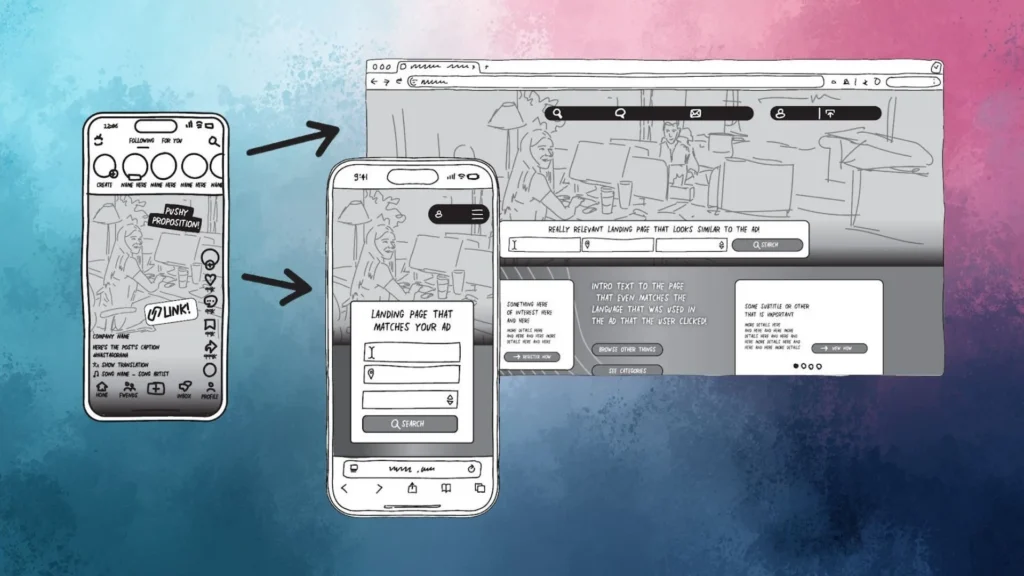
Do your ads match your landing page and overall website UX?
Are they speaking the same language visually? If they don’t, you could be facing some serious trust issues with your audiences. We’re not talking data, URLs, and databases; we’re talking about how things look.
The press is telling us that trust in advertising is high right now, with reports saying that the ‘enjoyment’ of ads is behind it. But, before we even get to the topic of enjoyment in marketing, there’s that key word: trust.
Have you ever clicked on an ad and been taken to somewhere completely different on the internet?
Looks different, feels different… making you wonder what you just clicked on. This is exactly what you want to avoid when promoting your brand.
If we’re putting together a path that you want a potential customer to take, we must consider the user journey. No sudden moves or pesky surprises, please!
Here at Arke, we run paid media ad campaigns on a variety of platforms, and, as with all branded items, consistency is key, and in a time when Gen-AI creatives are popping all over, and we’re all looking for effective ways to adopt it into our workflow, consistency becomes especially crucial.
Our thinking is that AI can help you diversify your creative offering, and it could even allow you to produce assets that otherwise would’ve been out of reach or budget, but having some metaphorical guardrails is of the utmost importance.
We cannot let images and videos get too astray from the look and feel of your landing page, as it’ll erode your hard-earned trust. You also can’t afford to have your brand turning up at different times wearing completely different clothes without an exceptional reason.
Let’s put ourselves in the shoes of your target customer
When people are being served up ads, and being urged to click on them to learn more, book something, or part with their hard-earned cash by purchasing your product, we want to make sure that the place they’re taken to is presentable, and ‘of a piece’ with the ad they’ve just seen.
What’s the worst that could happen if this is not the case?
Let me spell out the words that you hear in your nightmares:
Bounce rate: 100% 🙁
Conversion rate: big fat zero 😱
Now your ads might be great: they might be perfectly on brand, have a clear proposition, feature a compelling hook, be ideal for the platform they’re running on, and generate plenty of click-throughs, but still fail to deliver the conversions you want.
That could likely be down to where your ad is taking the user. We always look at your UX with fresh eyes when planning or optimising your marketing strategy by putting your ads and landing page side-by-side to analyse and enhance the user journey based on the available resources.
Considering the landing page you’re directing people to, we check that it complements the ads you’ve created. Your ads have to feel authoritative and confident, never misleading and deceptive. So thinking about what they’re leading to is the key here. Is there a disconnect? Do the visuals align by using similar colours, fonts and photos? And, is the content relevant? There’s nothing worse than being promised one thing and landing on something completely different.
Online marketing has historically been stained with dark patterns, deceptive UIs and brands making it difficult for customers to stop using their services. This is why it’s so essential to have a clear and transparent way for users to understand and feel identified with your brand or organisation.
When the goal is for browsers to become customers, users need to be given the breathing space to make their own decision without feeling pressured, without feeling misled, and the relationship between your ads and the landing page they’re taken to can really affect that.
There are even visual conventions about this requirement for brand coherence, which basically means that if the relationship between elements is closer visually, people will feel more confident dwelling there. A consistent look drives conversion.
Browsers and potential customers are making judgments about your brand subconsciously in seconds, in fact, as little as 50 milliseconds, and the visuals play a huge part in that.
How does Arke integrate the UX for your brand?
We’ve developed integrated marketing campaigns for multiple clients across several market sectors. Aligning creatives, ad targeting and landing pages to break records that have earned us multiple award wins over the years.
A great example of this is the work we have done with the British Film Institute Player, where we achieved a 729% increase in YoY trialists in their peak season and a 52% trial to subscription conversion rate. A key part of our work involved aligning the creatives we devised to better reflect the pages potential subscribers were being taken to by the advertising.
The Key Takeaway
Your brand can be felt on your website, your ads, your social media profiles, everywhere. None of these can be treated in isolation as they’re all part of the same user journey.
The most creative and imaginative ad will not convert if your landing page feels like a separate, non-aligned entity. That’s where the importance of having a team that understands how each touch point contributes to transforming a browser into a customer lies.
Being named the UK’s Most Effective Agency for three years in a row is the best recognition of how our integrated marketing strategies perform for our clients.
Interested in elevating your brand? Let’s have a chat and explore how we can help you achieve your goals.
Context
With OpenAI confirming the launch of ChatGPT Ads in January 2026, Sam, Senior Paid Media Executive at Arke, shares how we’re currently thinking about this new addition to the paid media playbook, the potential impact it could have, and the key considerations for advertisers of all sizes.
What are OpenAI (ChatGPT) Ads?
As AI adoption has accelerated, large language models like ChatGPT have quickly become a default tool for how people access information: from simple queries through to complex problem-solving and decision-making.
With a rapidly growing user base and an increasing role in everyday behaviour, it was always likely that platforms like ChatGPT would eventually introduce advertising as a revenue stream. From a marketing perspective, this represents a largely untapped environment, where attention is high and intent is often explicit.
Early reports suggest OpenAI is pricing ChatGPT Ads at around $60 per 1,000 impressions, roughly three times higher than typical Meta awareness placements. In return, advertisers should expect high-level reporting only, such as impressions and clicks, with limited visibility into downstream actions like conversions or revenue.
What makes this format different is context. Ads appear within active conversations, where users are already asking questions, comparing options, or seeking guidance. Unlike search or social media, this is not interruption-based media. It’s context-driven exposure, with clear labelling and user controls.
If this placement scales, it has the potential to become a new channel for discovery and performance, particularly for brands focused on intent, education, and consideration-stage activity.
To put the opportunity into perspective, ChatGPT is widely recognised as the fastest-growing platform ever, reaching over 100 million users within two months of launch. TikTok took nine months to reach the same milestone, while Instagram took more than two years.
What ChatGPT Ads could become
The long-term opportunity sits in the depth of data available within LLMs. Over time, this should unlock far more advanced ways of reaching high-intent audiences, driven by a deeper understanding of language, semantics, and user intent than most advertising platforms currently offer.
We could see meaningful improvements in how intent is modelled: from more sophisticated keyword and query interpretation, to deeper language dissection, and a stronger shift towards text-to-image or multimodal ad formats. We’ve already seen early foundations of this through tools like Google’s Asset Studio and the rise of AI-led creative generation. ChatGPT, however, has the potential to take this further given the richness of conversational data available to it.
Looking further ahead, ad formats are likely to expand well beyond what we recognise today. That could include more interactive experiences, immersive formats, or entirely new executions, and ideally, ones that are accessible to smaller advertisers, not just enterprise brands. As competition increases, particularly with Google, we expect ChatGPT’s ad offering to evolve in breadth, potentially mirroring the full-funnel flexibility seen in products like Performance Max, supported by OpenAI’s partnership with Microsoft.
If OpenAI wants to compete seriously with established platforms, full-funnel capability will be essential. Attribution will need to mature from awareness through to conversion modelling. It’s difficult to imagine a future where that doesn’t become table stakes.
Ultimately, the real value won’t sit in placements alone, but in the insight derived from the data.
Are ChatGPT Ads for everyone?
Pricing is the biggest immediate concern. Launching at high CPMs creates natural pressure, and over time, that often leads to bidding wars. Historically, that’s where smaller budgets begin to struggle.
There’s also a risk that “premium” becomes the dominant positioning — premium inventory, premium access, premium outcomes — gradually pushing more functionality behind paywalls and reducing accessibility across the platform.
If OpenAI effectively owns the advertising environment within ChatGPT, there’s a legitimate question around how pricing evolves in the absence of direct, like-for-like competition within the platform itself, particularly without an equivalent offering from competitors such as Gemini.
Across our client portfolio, we typically see Meta awareness CPMs averaging £5–£7, while Google’s AI-led products, such as Demand Gen and Performance Max, range from approximately £5 to £50 depending on industry. This highlights the growing cost dependency across AI-driven advertising platforms, where scale and budget increasingly influence competitiveness within higher-priced auction environments.
That said, as more users shift from traditional search behaviour towards AI-assisted answers, stronger algorithms, richer audience data, and new ad surfaces could begin to justify a role within the wider media mix. How that balance plays out will take time.
What we’ll be watching closely
At Arke, our focus will be on where this channel genuinely delivers value for clients. Any opportunity to expand inventory or coverage will be judged on performance and data, not novelty.
As with other platforms, testing will be critical. The brands that learn early, iterate quickly, and understand how this format actually behaves will be best positioned as LLM advertising matures.
For now, we see ChatGPT Ads as a potentially disruptive addition for larger, awareness-led clients. The initial role is less about direct response and more about complementing channels like OOH and programmatic to drive reach and coverage in a premium environment.
The longer-term opportunity sits in audience learning. As data collection becomes more refined through improved signalling and stronger algorithms, ChatGPT could become an effective testing ground for cold prospecting. That, in turn, enables deeper audience insight and more effective retargeting, particularly where first-party data is limited or unavailable.
If that audience value can be realised, it provides stronger justification for the higher CPMs. Until then, ChatGPT Ads shouldn’t be treated as a default inclusion, but rather as a higher-tier option for brands looking to invest in visibility, experimentation, and emerging AI-led environments.
Are Chat GPT Ads a solution for you?
Let’s have a chat and discuss your requirements, our expert Arkenauts know what’s better for each industry as our work expands across multiple sectors. Say hi on the contact form below and let’s devise your next award-winning campaign!
Here at Arke, as a creative digital marketing agency, we work with clients across a variety of industries – so we end up creating a lot of projects and campaigns with very specific objectives that require unique, effective and bespoke storytelling.
Our clients’ ads are all about getting potential customers to convert – to carry out an action – whether that’s hitting a button, making a purchase, recognising your brand or visiting somewhere in the physical world.
In this article, our Head of Creative, walks us through the way we think at Arke whenever any of our clients need us to bring to life a marketing campaign.
How do we approach each creative project at Arke?
From a discovery and ideation workshop to transforming initial thoughts into visual assets to then develop a story into the final product; there’s never a linear path and each project has its own requirements and complexities.
It all starts with research: understanding your product, your audience, your competitors, your value proposition.
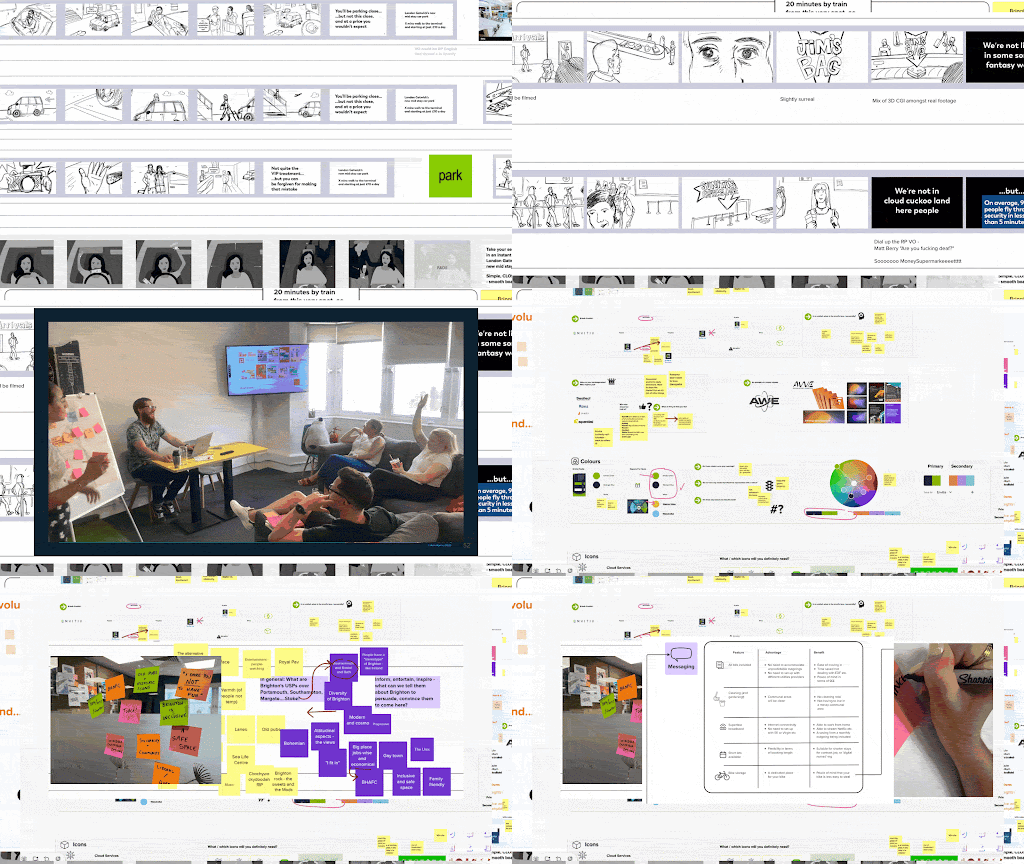
From here, campaigns can take lots of different forms at Arke – IRL or online, for example – and they always have to communicate to our intended audiences. As an integrated agency, our teams work together right from the start to consider any implications for paid advertising, SEO, OOH, etc.
For them to work, we need to strike a balance between an emotional connection and the factual data they need to complete an action. This changes all the time depending on the client and the product or service they’re offering. That’s why the way we work at Arke is always tailored to each of our clients’ unique requirements.

We’re looking at the use of effective narrative and storytelling in marketing.
So when we think about coming up with new campaigns, we need to do more than just having a logo and a headline.
Let’s visualise this first with an example of what this means in practice and then a real-life award winning creative work we did for the British Film Institute.
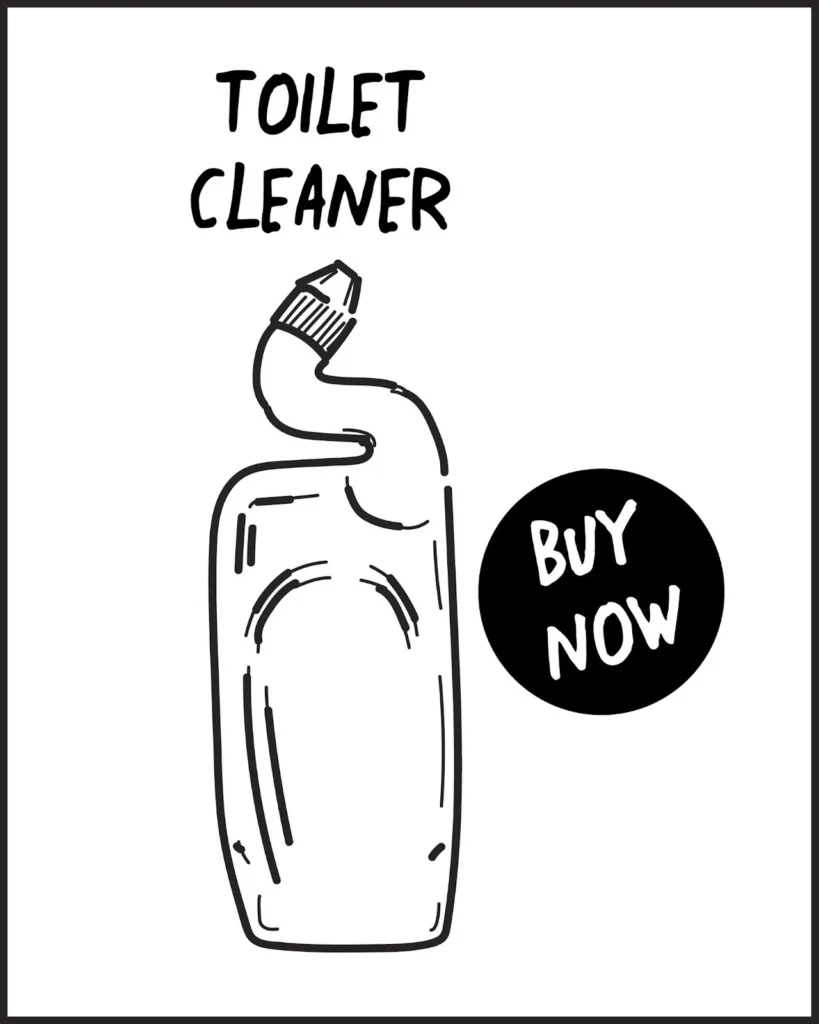
Below we have a scamp with the most basic aspects we know: product & desired intent. We put together these really rough doodles as a starting point, as they’re really useful for getting an idea across quickly.
Then we have to dabble in telling a story – creating a situation.
What do we mean by storytelling?
Essentially – a narrative playing a role in your marketing. Suggestions. Instead of being factual with your ads, we tell a story to show what your offering or product does, or COULD do for your intended customer.
So here’s one iteration of what an ad could be…. This is the bog standard – excuse the pun. This is the Ronseal of ads. The lowest common denominator.

Next: here’s how we could take that storytelling element and apply it to this ad so it goes beyond its features and helps build trust. This headline helps to put the product or service in context, and helps a casual viewer that has come across your ad picture themselves using it.
Who actually enjoys cleaning the toilet? Let’s reference this!
What are some of the features of this product? Is it fast? Is that relevant? Throw it in!
Where can you get it? Is it only available at certain stores? Make it easy for people to find it!
Increase that stickiness factor – as mentioned in Malcolm Gladwell’s The Tipping Point – classic early 2000s popular pseudo science drop there…
And here’s a third option – turned up to 11, telling a story about being a hero cleaning the toilet – framing it as an epic endeavour.

These are just rough ideas – starting points, and they’re a great way to test and pitch how you’re going to advertise something.
When it comes to your next campaign – will you dial up or dial down your storytelling? Scamps help us ideate quickly to start shaping that narrative.
So there’s a scale to storytelling in marketing, ranging from the bare minimum, to secondly giving context, and highlighting features – suggesting some personality. To thirdly: making a whole blockbuster film.
An arguably brilliant example of storytelling in marketing that many of us in the UK can relate to is when the season for John Lewis Christmas ads arrive. I’m sure you’ve all seen ads that you think are over the top! But we can relate to some. And it puts those services and products front of mind!
By ideating quickly, we help you identify just how much storytelling you want to dabble in before committing to artwork or photoshoots! And these rough scamps can be used as prompts when testing with potential audiences – for us, getting something visual in front of people can really help speed up the creative process.
How does this translate into a real-life creative strategy?
Glad you ask! Let’s have a look at an award-winning example of what an integrated marketing campaign looks like when you combine storytelling, branding and a full-funnel digital strategy.
When the British Film Institute approached Arke to help their BFI Player broaden its audience and stand out among streaming giants, our Head of Strategy and myself led a creative workshop to identify the opportunities available to evolve creative assets, whilst aligned with the eventual evolution of the BFI Player brand.
Among all the learnings, this enabled us to create eye-catching graphics with a clear CTA.
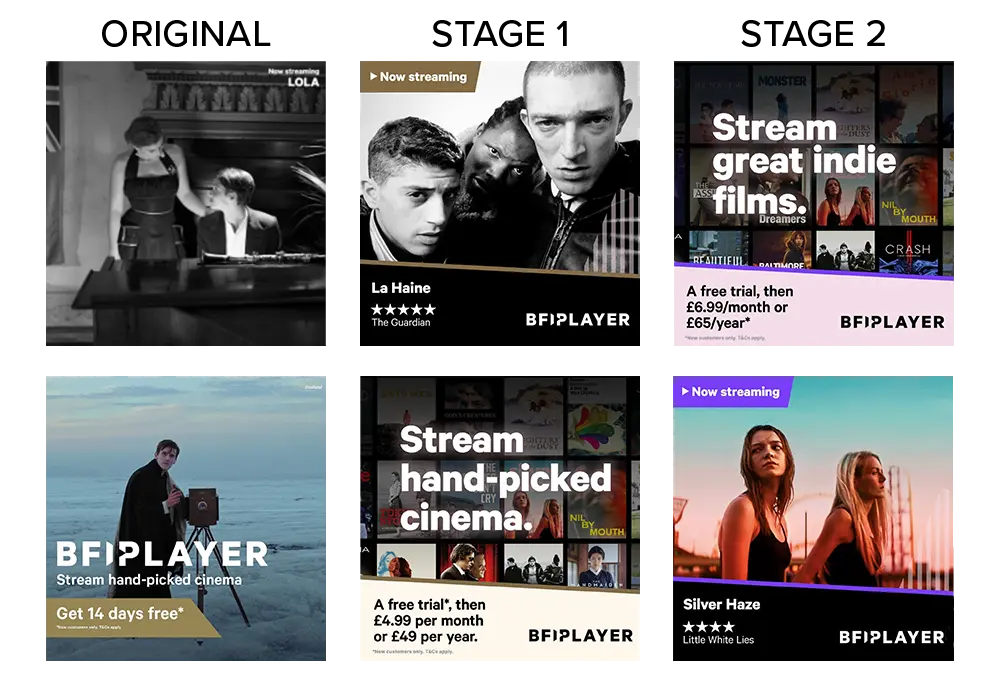
As part of the creative process, we quickly identified how replacing some of BFI’s creatives would also future-proof the BFI by providing them with innovative tools and templates for sustainable, in-house asset production.
Clear branding and consistent creatives enhanced brand recognition, whilst linkable and clickable CTAs allowed for trackable and reportable results for a hyper-targeted campaign looking to expand their audience.
When considering the storytelling narrative, we decided on framing BFI Player as a curator of select film titles, rather than a serve-all streamer as a key differentiating factor against competitors.
The partnership between Arke and BFI has resulted in multi award-winning campaigns, with our results obtaining the Most Effective Campaign at the European Agency Awards, and Best Integrated Campaign for two years in a row at the UK Agency Awards.
Have a read at the case study and learn how we achieved +700% YoY growth on trialists during their peak season.
Why should you work with a creative digital marketing agency?
At Arke we don’t have copy/paste strategies, each of our clients has unique needs and each industry has its own complexities and requirements.
From our Brighton HQ, our teams work closely together so there’s no cannibalisation between paid campaigns, SEO, creative flair and UX.
Contact us below for a no-compromise chat about the current state of your marketing needs and let’s build something great together.
Our 8 Key Takeaways for UK Higher Education Marketing
The dust hasn’t even settled on #ResultsDay2025, but a few clear patterns (and opportunities) from Clearing 2025 are already emerging. Here’s what stood out today, and why it matters for student recruitment and marketing.
1. Clearing is going mainstream
Google Trends shows interest in “Clearing” climbing year-on-year, with a 47% YoY jump in interest in “clearing courses” in the week before results day.
This isn’t just about last-chance options. Students are actively researching clearing before they even know their grades. Campaign timing needs to shift earlier, priming awareness and persuasion before results day hype.
2. The attainment gap is also a marketing gap
London’s 32.1% A*/A rate vs the North East’s 22.9% isn’t just an access issue; it’s a market segmentation map.
High-attainment regions have more students applying nationally to selective institutions, so marketing here is about prestige, differentiation, and competing on academic pull.
Lower-attainment regions see more localised recruitment, which makes messaging about accessibility, affordability, and local progression routes far more effective.
3. T-levels are growing, but still a blind spot for HE marketing
Completions are up 60% year-on-year, with 11,909 learners receiving results. The pass rate has risen to 91.4%, but 27% of starters didn’t complete on time.
These qualifications are gaining respect among employers and school-leavers, yet many universities still market like A-levels are the only game in town. More visibility in entry requirements, case studies, and course marketing could unlock a motivated new audience.
4. Top grades are up
28.3% of A-level results this year were graded A* or A, up from 27.8% in 2024. Selective universities still need to fight hard for these students, but mid-tier institutions can use this as an opportunity to position themselves as strong “aspirational” choices for those just shy of the top.
5. First-choice acceptances are high, and that changes clearing maths
82% of applicants were accepted to their first-choice university this year (226,580 18-year-olds). That means fewer students are available for competitive poaching in clearing and suggests that late-stage recruitment opportunities will be smaller.
Early engagement and “plan B” nurturing pipelines are more important than ever.
6. Clearing day is even more mobile-first
On results day, mobile traffic to university websites surges beyond the usual baseline. Just take a look at this data from a university we work with:

Students are likely at their college when they receive their results, so they’re hurriedly checking clearing vacancies, comparing universities, and making calls on their phones.
For marketers, that means mobile UX needs to be lightning fast, easy to navigate, and built for quick action – especially for course search, enquiry forms, and click-to-call functions.
7. Subject demand is still shifting towards STEM
Early clearing patterns are pointing to growth in vocational-leaning STEM, healthcare, and AI/data courses. Student aspirations are closely tracking labour market narratives, so linking course marketing directly to career outcomes isn’t optional anymore.
8. The arts are suffering, and university marketing should inspire
Arts A-level entries have dropped 31% since 2010, according to Campaign for the Arts, with performing arts seeing the steepest declines – with dance down 59%, drama down 53%, and music down 47%.
For universities, this polarisation means career-outcome messaging is a crucial validation point for many applicants. But it’s equally important to nurture creativity and curiosity for those who study a subject simply because they love it. Marketing should inspire both the head and the heart.
What this all means for HE marketing
Clearing 2025 shows a sector in flux. Shifting subjects, widening regional disparities, and growing alternative qualifications show a student audience that’s more mobile, more proactive, and more career-conscious than ever. For HE marketers, the opportunity lies in agility: adapting messaging by region and qualification, timing campaigns earlier, and balancing hard outcomes with inspiration.
The universities that thrive will be those that meet students where they are – on their phones, in their context, and at the exact moment they’re making life-changing decisions.
Stay tuned for expert HE marketing analysis
At Arke, we’ve spent years partnering with higher education institutions across the UK. On Results Day, our Paid Media team focus entirely on ensuring budgets are spent on the right keywords at exactly the right moments. Our SEO specialists work year-round to give university websites the visibility, technical strength, and authority they need. And our Design team ensures every institution’s brand is communicated powerfully through art, film, typography, and visual identity.
As Clearing 2025 settles and the full data picture emerges, we’ll be sharing a deep dive into the patterns, surprises, and opportunities we’ve uncovered. For now, these hot takes offer a snapshot of where the sector is heading and how universities can respond in the moment.
How is SEO changing with the introduction of AI Mode?
Simply put, Google is rebuilding Search around AI chat. More than 100 million people are already using AI Mode, and the ad switch is flipping just in time for the holiday rush. That means our single-word keywords are giving way to full-blown conversations with AI.
What’s changed? Context. Everything the user has asked so far is going to become the new targeting goldmine.
Key Timelines
Google’s AI Mode Ads Roll-out in the UK vs US:
| Milestone | United States | United Kingdom |
| Public launch of AI Mode | 20 May 2025 | 28 Jul 2025 |
| Ads inside AI Mode | Live tests since May; broad roll-out “before Q4” 2025 | Still offline as of August; expected once US data lands in Q4, late 2025 |
| Regulatory climate | DOJ antitrust trial hangs over search | CMA decision on “Strategic Market Status” due 22 Oct 2025 |
This means that now is the perfect time to experiment with organic content and how search queries affect AI Mode results. Anything you can learn now, will vastly improve your ability to effectively deploy ads once paid inventory finally opens towards the end of 2025.
What Are Google AI Mode Ads?
Google’s AI Mode is a full-screen chat interface baked into Search. Instead of typing a short query and scanning blue links on the SERPs, people hold a back-and-forth conversation with the AI to find accurate, informative answers.
Until now, that chat has been ad-free. However, Google is looking to change that in Q4 2025 by weaving AI Mode Ads directly into the dialogue. Here’s how it will look and feel:
-
- Native placement, not banners. Ads appear as extra messages inside the chat clearly labelled, but part of the flow so users don’t leave the conversation.
-
- Context over keywords. The system reads the entire chat history, then surfaces an ad that fits the moment.
-
- Familiar formats, new trigger. Text and product-listing styles stay the same; but what’s new is the timing and relevance. Existing Performance Max campaigns will be automatically eligible for placement within AI Mode.
-
- Measured in sessions, not clicks. Because users may act later bookmarking, revisiting, or buying after another chat Google will push “value-per-session” metrics alongside traditional click-through rates.
Think of it as Google’s answer to ChatGPT-style shopping advice. Keeping visitors inside the Google ecosystem, serving them helpful ads at the right conversational beat, and collecting richer intent data along the way.
Why Is Google Fast-Tracking the Deployment of New Ads Inventory?
Google’s sales still hugely depend on search ads, but a range of factors are beginning to squeeze that income and Google needs to work quickly to keep revenue flowing in:
-
- People are clicking fewer links
When SERPs already shows a direct answer to queries around weather, sports scores, and now an AI summaries are provided, users are far less likely to leave Google. However, fewer clicks mean fewer chances to show classic ads. Therefore, putting paid messages inside the AI chat keeps those advertising dollars flowing without sending users elsewhere.
- People are clicking fewer links
-
- Rivals are teaching us to search differently
ChatGPT, Microsoft’s Copilot in Bing, and even Amazon’s voice tools are training people to ask questions in plain language, producing conversational replies. If Google lets that habit form on a competitor’s platform, it risks losing both users and ad budgets. Moving quickly makes Google the place where those new habits are likely to root first.
- Rivals are teaching us to search differently
-
- Q4 is the retail sector’s “World Cup”
November and December account for up to 30% of many retailers’ annual sales. If Google can prove that conversation-based ads boost holiday performance, it will win early case studies and increase the likelihood of retaining advertiser adoption. With the aim of setting themselves up for a flood of budgets ahead of 2026.
- Q4 is the retail sector’s “World Cup”
- Increased usage of AI means better training data for Google
Each AI reply will help Google understand how people’s searches and questions are changing. Launching ads alongside the AI Mode product will give Google another string to their bow: new revenue streams today and richer data to improve tomorrow’s model.
Put simply, Google is racing to protect its main income stream, stay ahead of new competitors, and lock in user habits before the biggest shopping season of the year in Q4. That urgency explains why AI Mode is rolling out now rather than waiting for every policy and product detail to be perfect.
Priority Checklist
How UK Brands Should Prepare for Google AI Mode Ads:
| Priority | Why It Matters | What To Action in 2025 | Category |
| Clean Data Feeds | AI search tools (Google’s SGE and Bing Copilot) pull information directly from your product or service feed. If this data is incomplete, messy, or out of date, users may see incorrect or unattractive results. | Audit and clean all structured data feeds. Ensure titles are clear, no typos, and all fields are complete. Add helpful extras like delivery times, sustainability tags, and service availability. | SEO |
| Write Content for Conversations | AI-driven search and advertising is now triggered based on the topics and intent of the user, not just keywords. That means your content and ads need to anticipate user questions and the intent behind them. | Rewrite ad copy and landing pages to answer natural follow-up questions. Such as “Is this right for me?” or “How does it compare?” Use short FAQs, comparison tables, or visual explainers to help with legibility. | Content / Paid Media |
| Track Chat Journeys | AI search experiences often skip your site entirely, or delay conversions so traditional tracking misses key touchpoints. | Set up server-side tracking to better attribute conversions (this can be actioned through SGTM). Consider modelling multi-step user journeys that span multiple sessions and channels. | Analytics / Attribution |
| Flexible Budgeting | AI-generated ad placements and formats are still evolving, and performance can vary. You need budget room to test without risking core campaigns. | At Arke we would recommend ringfencing 10-15% of your paid search budget for AI-based formats (e.g. Search Generative Experience ads). Monitor weekly and reallocate funds based on ROI. | Paid Media / Budgeting |
Potential Risks for Google AI Mode and What to Watch Out For
Regulatory brakes
The UK Competition and Markets Authority could soon label Google “strategically significant,” unlocking powers to demand clearer ad labels or even pause new formats. A decision like that could push back or delay the UK launch, so we’d suggest building wiggle room into your Q4 timeline.
Publisher push-back
When Google’s chat answers a query outright, news sites and blogs lose clicks and they will understandably lobby hard for changes. Google has adjusted its page layouts before under similar pressure, so your ad real estate could shrink or shift with little notice. Keep creative and budget plans flexible.
Difficult measurement
Chat users rarely follow a neat click-and-buy path, making sales attribution difficult. Teams with solid first-party data pipelines will see the real performance faster; those relying solely on Google’s reporting will be stuck guessing. Shore up your data where you’re able to now, to avoid flying blind during the rollout.
What We’re Telling Clients Right Now
We’ve got roughly twelve weeks before Q4 kicks off for 2025. Here’s how Arke are approaching it and what we recommend:
-
- Experiment early while bids are cheap.
-
- Treat AI Mode as upper and mid-funnel. Optimise for engagement assists, not just last-click wins.
-
- Fight for creative resources. Narrative-led assets outperform price-led blurbs inside chat.
-
- Keep your clients up to date with changes and manage expectations.
Keyword bidding still matters, but the search game is getting much bigger and increasing in complexity. Conversation-led journeys are opening fresh lanes for creativity and growth for advertisers and brands alike, and the first adopters that test, learn, and adapt will set the pace for everyone else.
Do get in touch with us if you want to talk more about AI Mode Ads, we’ll be happy to help!
What It Means for Marketers and Why the Future Isn’t All Doom and Gloom
Recent news on the antitrust rulings against Google in the United States, alongside ongoing investigations in the UK and EU, have cast a wider spotlight on Google’s dominance in the ad tech ecosystem. With 38.9% of surveyed audiences in the UK discovering new brands through search, and 88.4% of them primarily using Google to do so (data from GWI), marketers have long understood the importance of integrating Google within our strategies. As the US continues pushing for Google to break up their AdTech assets, the concern for how these proposed consequences may impact our industry can seem daunting. However, they open up room for a conversation on the future of digital marketing and opportunities for diversification, innovation, and enhanced transparency.
Are Google Selling AdX and DFP?
In April 2025, the U.S. federal court determined that Google had unlawfully monopolised the digital advertising market, particularly through its Ad Exchange (AdX) and DoubleClick for Publishers (DFP) platforms. The Department of Justice (DOJ) has since proposed a structural remedy: requiring Google to sell these parts of its AdTech infrastructure. This move aims to dismantle what the DOJ perceives as an entrenched monopoly that stifles competition and innovation.
Naturally, Google contests these findings, arguing that such a breakup would be technically complex and detrimental to the digital advertising ecosystem. Instead, the company has proposed behavioural remedies, including increased transparency in ad auctions and equal access to bidding tools for competitors.
Meanwhile, in the UK, the Competition and Markets Authority (CMA) has provisionally found that Google abused its dominant position by favouring its own ad tech services, harming competition and disadvantaging publishers and advertisers. Similarly, last year, the European Commission rejected Google’s offer to sell part of its ad tech business, deeming it insufficient to address competition concerns
There’s also another antitrust case occurring alongside, where the DOJ (and now FTC) have found Google holds a monopoly on search, so don’t get the headlines mixed up when you look through the news!
Implications for Transparency and Data Access
One of the central criticisms against Google centres around the lack of transparency within its ad auction processes. The DOJ’s proposed remedies include requiring Google to release auction code under an open-source license and to share auction data with competitors. Such measures could democratise access to valuable data, enabling advertisers and agencies to make more informed decisions and fostering a more competitive environment.
For those of us in marketing, this shift would mean enhanced visibility into ad performance metrics, facilitating more strategic campaign planning and optimisation (which I’m sure we’d all love to get our hands on!).
Opportunities for Diversification
The potential restructuring of Google’s ad business underscores the importance of diversification in digital marketing strategies. Relying heavily on a single platform poses risks, especially while future ad tech regulation remains uncertain.
Marketers should consider exploring alternative advertising channels, such as programmatic advertising platforms, social media networks, and the emergence of ad placements within AI models and platforms. These avenues not only mitigate dependency risks but also offer access to diverse audiences and innovative engagement formats.
Strategic Takeaways for Marketers
-
- Stay Informed: Keep up to date on regulatory developments in key markets, including the US, UK, and EU, to anticipate changes that may impact advertising strategies. Decisions in one market are likely to impact global strategy, so plan accordingly.
-
- Diversify Channels: Explore and invest in a mix of advertising platforms to reduce reliance on any single provider and to reach broader audiences. Embrace opportunities to find where your niche lives so you can ensure you’re reaching them there.
-
- Embrace Transparency: Utilise increased access to data and transparent auction processes to optimise campaign performance and ROI.
-
- Keep Innovating: Adopt emerging technologies to enhance targeting, efficiency, and adaptability in marketing efforts.
As we wait for the next hearing on September 22nd, the antitrust proceedings against Google may be a period of uncertainty. However, they also open the door to a more competitive and transparent digital advertising landscape. For marketers, this is the moment to reassess strategies, embrace diversification, and leverage technological advancements. By staying informed and adaptable, marketing professionals can navigate these changes effectively, turning potential challenges into avenues for growth and innovation.
Looking for an innovative agency to work with on reassessing your strategies? Check out our marketing consultancy services and contact us today.
The Evolution of the Hashtag Social Media Strategy
Once upon a time, hashtags were the backbone of social media discovery. A simple #ThrowbackThursday could skyrocket engagement, and brands relied on a hashtag social media strategy to track campaigns and trends. But as social media platforms evolve, their algorithm changes and AI-driven content recommendations raise a crucial question: Are hashtags still relevant, or are they officially #dead?
How Hashtags Have Changed Over Time
Hashtags first gained popularity on Twitter (now X) in 2007, helping users categorise conversations. Soon, they became a staple on Instagram, Facebook, LinkedIn, and even TikTok. However, their effectiveness has fluctuated as platforms prioritise keyword-based search, AI-driven feeds, and personalised recommendations over traditional hashtag discovery; even
So, should we still use them? Let’s weigh the pros and cons.
Why Should You Use Hashtags in Your Social Media Strategy?
Discoverability
Hashtags still help users find content, especially on platforms like Instagram and TikTok. They help posts appear in topic-specific searches and suggested feeds (although the usefulness of hashtags on Instagram is up for debate, but more on that later).
Community Building
Niche hashtags foster online communities. Think #BookTok for book lovers or #VanLife for digital nomads. Users engage with others who share their interests, boosting interaction.
Brand Awareness
Branded hashtags like #ShareACoke (Coca-Cola) and #LikeAGirl (Always) help brands spread their message and encourage user-generated content.
Campaign Tracking
Businesses and marketers can use hashtags to track engagement and campaign performance, making it easier to measure ROI.
The Issues with Hashtags
Overuse and Misuse
Some posts are buried under irrelevant or excessive hashtags. Examples such as #Love #Happy #InstaDaily, are generic hashtags that rarely add value.
Relevancy to Content
Algorithms favour contextually relevant content over hashtag stuffing. Using #MondayMotivation on a random Tuesday post won’t help, so make sure you tailor your hashtag strategy to the platform you’re on.
Platform-Specific Behaviour
Hashtags work differently across platforms. While Instagram allows up to 30 hashtags, LinkedIn and Facebook users engage less with hashtag-heavy posts. Meanwhile, both Threads and Bluesky added hashtags after launching the platforms, and Threads limits hashtag usage (called tags on Threads) to only one per post!
Different platforms will also prioritise hashtags in their algorithms differently and these are ever-evolving, so ensure you’re keeping an eye on your metrics and the latest news.
Are Hashtags Still Relevant on Instagram?
Since 2022, Adam Mosseri (Head of Instagram) has said several times that hashtags do not have an impact on various metrics such as views or reach. Despite this, hashtags continue to be used on the platform. Audiences have grown used to seeing them, and some marketers still report seeing improvement in their metrics. Ultimately when deciding whether to use hashtags in your posts, pay attention to platform updates and announcements, but track your own metrics and test where you can.
Key Strategies for Hashtag Strategy Success
Hashtags aren’t dead, but they require smart usage. Here’s how to make them work:
-
- Quality over quantity – Stick to a few highly relevant hashtags rather than spamming 30.
-
- Research & test – Use platform analytics to see which hashtags drive engagement.
-
- Branded hashtags – Create unique hashtags for campaigns to encourage user participation.
-
- Monitor trends & platform updates – Social media is ever-changing, so adapt accordingly.
What Could Replace Hashtags?
-
- Keyword-Based Algorithms – Search and discovery are now driven by keywords and captions rather than hashtags.
-
- AI-Powered Content Recommendations – TikTok and Instagram suggest posts based on user behaviour, reducing reliance on hashtags.
-
- Social Listening Tools – Brands use tools to track conversations without needing hashtags.
-
- Niche Communities & Forums – Platforms like Reddit and Discord create highly engaged communities without hashtag dependency.
Conclusion
Hashtags Are Not Obsolete
While hashtags are not as powerful as they once were, they are far from obsolete. They still help with discovery, branding, and engagement but strategy matters. The future of social media lies in contextual content, AI-driven recommendations, and community-driven conversations.
So, are hashtags #dead? No, but they’ve evolved (and so should your social media strategy)!
Australia’s Social Media Ban: What It Means for Marketers
Australia has introduced a bold new measure aimed at safeguarding young people online, banning social media access for under-16s without explicit parental consent. The law, set to be enforced with strict verification processes, aims to protect children from harmful online content, cyberbullying, and data exploitation. Australia’s social media restrictions mirror growing global concerns over the impact of digital platforms on young minds and raises critical questions for marketers.
A Wider Trend in Youth-Centric Regulation
This isn’t the first time young audiences have become the focus of regulatory scrutiny. In 2021, Meta (formerly Facebook) announced that advertisers would no longer be allowed to target users under 18 with ads containing strong calls to action, such as “buy now” or “sign up.” These changes reflect a broader move towards limiting the ways brands interact with younger audiences, prioritising user well-being over revenue generation.
Public sentiment supports such changes. A recent survey revealed that 77% of Australians back the under-16 social media ban, highlighting a significant shift in how society views the role of digital platforms in young people’s lives. This overwhelming support signals a broader trend of diminishing tolerance for the negative impacts of social media, such as privacy violations and mental health concerns.
For marketing professionals, these developments underscore the importance of adapting strategies to comply with new laws while maintaining engagement. The shift necessitates a pivot away from direct targeting and towards creating age-neutral, value-driven content that resonates with broader audiences.
Implications for the UK and Beyond
The Australian legislation could act as a bellwether for other nations, including the UK. British regulators have already shown a willingness to tackle similar issues with initiatives like the Online Safety Bill, which aims to hold platforms accountable for protecting users from harmful content. If a social media ban for under-16s were to follow in the UK, it would significantly reshape the digital advertising landscape, requiring agencies to rethink their approach to reaching younger demographics.
The Future of Advertising
As governments place increasing restrictions on how younger audiences are targeted, advertisers must rethink their strategies. Focusing on ethical advertising, transparency, and user trust will be paramount. One effective route is to engage parents, who often control the purchasing decisions in households with teens. By creating content that appeals to parents’ values and concerns – such as safety, education, and well-being – brands can still connect with families without breaching new regulatory boundaries.
Key Takeaways for Marketers
-
- Adapt to Change: Stay ahead of regulations by building campaigns that prioritise transparency and audience trust.
-
- Focus on Parents: Shift messaging to target the decision-makers in households, such as parents and guardians.
-
- Invest in Creative Storytelling: Develop campaigns that rely on emotional connection and universal themes rather than targeted tactics.
Australia’s social media ban for under-16s marks a turning point for advertisers, signalling a move towards stricter online safeguards worldwide. By staying agile and focusing on ethical practices, agencies can not only weather these changes but also build stronger, more meaningful connections with their audiences.
Comparison: X vs Threads vs Bluesky
Social media has been in flux across the world for a while, ranging from the European Commission fining Meta to Australia’s recent social media ban for under 16s, but the recent US election cycle has accelerated shifts in user behaviour. X (formerly Twitter) is losing users, and Bluesky is seeing a surge with 12 million new registrations since November 2024. Meanwhile, Threads continues evolving within the Meta ecosystem, having just announced they’re beginning to trial paid ads on the platform. So, where should marketers be focusing their efforts? Let’s break it down.
X (Formerly Twitter): Still Relevant, but Losing Steam
X remains the most mature of the three platforms, with robust paid advertising options, but its brand safety issues and policy changes have made some marketers uneasy.
Marketing Pros & Cons:
✅ Paid Ads: Advanced targeting, but declining ad engagement.
✅ Organic Reach: Still strong for trending topics, but algorithm shifts have made discovery inconsistent.
❌ Brand Safety: Misinformation and content moderation concerns persist.
❌ User Exodus: Many brands are seeing diminishing returns due to declining active users.
If your audience is still here, paid ads can still drive traffic, but organic reach is increasingly unpredictable.
Bluesky: The Rising Contender
Bluesky, once an invite-only experiment, is now gaining real traction. With 12 million new users since November, the platform is introducing features like a “Trending” section and exploring a paid subscription model (since they’ve expressed a desire to primarily explore ad-free monetisation options).
Marketing Pros & Cons:
✅ Customisation: Great for organic engagement, so early adopters see strong interactions.
✅ Self-Verification: Use owned domains as part of your handle to verify identity.
✅ Authenticity & Community: Feels like old-school Twitter, with less spam.
❌ No Paid Media Options (Yet): Monetisation is coming, but Bluesky are trialling non-advertisement models first.
❌ Limited Reach: Still much smaller than X and Threads.
Marketers who invest in building an organic presence now could have a first-mover advantage if or when paid options launch.
Threads: Meta’s Challenger with Built-In Reach
Meta’s Threads has had a slower burn, but its integration with Instagram gives it a massive potential audience. The platform is leaning into casual conversations over news, making it more brand-friendly.
Marketing Pros & Cons:
✅ Cross-Promotion: Seamless integration with Instagram boosts reach.
✅ Safer Environment: Less toxicity than X, making it attractive for brands.
✅ Meta Ads Ecosystem: Paid ads through Meta Ads Manager, including inventory filters to help advertisers control the context in which their ads are shown.
❌ Lower Engagement: Feels less essential than X for real-time discussions.
❌ Algorithm Still Evolving: Organic discovery isn’t as strong yet.
If you’re already investing in Instagram and Facebook ads, Threads could be a natural extension of your strategy as they’ve begun trialling ads with select advertisers in the US and Japan, making it a platform to watch for UK-based advertisers.
Final Take: Where Should Marketers Focus?
-
- For Paid Ads: X is still the most developed but declining. Threads could be a future powerhouse as it integrates directly with Meta’s existing ad tools.
-
- For Organic Growth: Bluesky offers an exciting opportunity to build an engaged audience early before any monetisation kicks in.
-
- For Community Building: Threads is best for brand-safe conversations, while Bluesky is great for authentic engagement.
The best approach? Diversify! Test all three platforms while keeping an eye on Bluesky’s growth and Threads’ ad potential. The social media landscape is shifting fast, and smart marketers will move with it.
Instagram is rolling out key updates that could impact content strategies, audience engagement, and ad performance. From A/B testing with Trial Reels to feed layout changes and Meta’s shift in fact-checking, these Instagram and Meta updates are designed to refine the platform’s user experience. Here’s what marketers need to know and how to adapt.
1. Trial Reels: A/B Testing for Smarter Content Decisions
For brands and marketers, Instagram’s new Trial Reels feature introduces a way to test content performance before publishing it to followers. It’s primarily available to eligible professional accounts but is also being trialled with select creators without one.
How It Works:
- A Trial Reel is only shown to non-followers initially.
- Instagram provides insights on whether the content is performing above average.
- If the results are promising, you have the option to automatically publish it to your followers.
Why This Matters for Marketers:
- Data-Driven Content Strategy: Test different creative approaches before committing to a full audience release.
- Optimised Engagement: Identify what resonates best with new users to maximise reach and conversions.
- Lower Risk for Brand Messaging: Avoid publishing content that doesn’t perform well, ensuring a stronger, more curated brand presence.
Actionable Tips:
 Run A/B tests with different calls-to-action, video styles, or messaging.
Compare organic performance before deciding on paid promotion.
Use insights to refine future content and inform long-term strategy.
2. Instagram’s Feed Layout Update: What It Means for Your Brand’s Visuals
Instagram has updated its feed layout from a 1:1 square grid to a 3:4 aspect ratio, meaning posts now appear taller in profiles.
Why This Matters for Marketers:
- Brand Aesthetic Shift: If your brand’s Instagram feed follows a structured look, you may need to rethink your visual strategy.
- Impact on Content Previews: Older content may not fit the grid as intended, affecting first impressions for profile visitors.
- Future-Proofing Content: Instagram is expected to roll out adjustment tools soon, but for now, the best approach is to manually check and tweak visuals.
How to Adjust Your Content:
Use “Adjust Preview” when posting:
- “Fill” (Instagram auto-crops your content)
- “Fit” (content sits on a coloured background)
Test how Reels, Stories, and carousels appear in your profile grid.
Keep an eye on new Instagram tools for optimising feed visuals.
3. Meta’s Fact-Checking Changes: How It Affects Brand Trust & Content Visibility
Meta is removing third-party fact-checkers in the US and replacing them with Community Notes, meaning users will now help moderate misinformation instead of verified fact-checking organisations.
Key Details:
- This only affects US audiences, fact-checkers remain active globally.
- The shift could be a test run or a way to comply with different digital regulations.
- The EU’s stricter content moderation laws may have influenced Meta’s decision to limit this change to the US.
Why This Matters for Marketers:
- Misinformation Risks: Brands sharing news-based or industry-specific content must fact-check carefully to maintain credibility.
- Potential Changes to Content Visibility: Community-reported posts may be deprioritised in the algorithm, affecting engagement.
- User Trust & Brand Reputation: Consumers may be more skeptical of unverified information, so transparency in messaging is key.
Actionable Tips:
Ensure all content is sourced from credible, verifiable sources to avoid misinformation flags.
Monitor how Meta’s changes affect content visibility and audience engagement.
If your brand operates in multiple markets, be mindful that fact-checking rules differ globally.
4. Bonus: How the Instagram Algorithm Works
Head of Instagram, Adam Mosseri, posted a Reel detailing what interactions the algorithm focuses on to boost your content, providing rare clarity into the inner workings of the Instagram algorithm.
Key Details:
- Instagram breaks down your ranking into two audiences: connected reach (accounts following you) and unconnected reach (non-follower accounts).
- Top Three Interactions for both audiences are: watch time, likes, and sends (when you share content in DMs with other accounts)
- Likes are more important for connected reach, and sends are more important for unconnected reach.
Why This Matters for Marketers:
- Better understanding of what drives reach, and which interactions to monitor closely
- Watch time remains a priority, so strive for engaging content that keeps your audience interested.
Actionable Tips:
Keep an eye specifically on your watch time, likes, and sends to monitor engagement.
Utilise Trial Reels to experiment with what attracts your unconnected reach.
Key Takeaways on the Latest Instagram and Meta Updates
Instagram’s latest updates reinforce the importance of data-driven marketing, content adaptability, and audience trust. Here’s how to stay ahead:
 Leverage Trial Reels to test creative strategies and optimise engagement.
Adjust your content for the new feed layout to maintain a polished brand presence.
Be mindful of Meta’s fact-checking changes and their potential impact on visibility and brand trust.
As Instagram continues evolving, marketers should stay agile, test new features, and refine strategies to stay competitive. Keep an eye on future updates and be ready to adapt!
The US election cycle has had significant effects on social media, from the (temporary) TikTok ban to an exodus from Twitter/X. While this primarily impacts the US market, shifts in user behaviour can influence advertising costs and the demographics available on these platforms. If you rely on social media for marketing, ensure your strategy accounts for these changes.
Short-form video continues to dominate social media, so with the recent TikTok ban and the platform’s uncertain future, new competitors are emerging and established platforms like Instagram and YouTube Shorts are testing new features. These platforms are experimenting with ways to help users optimise engagement, post longer videos, or easily repurpose existing content for their formats.
What’s Happening with TikTok?
On Sunday, 19th January, TikTok went offline in the US for approximately 12 hours as this was the initial date for the TikTok ban to take place. This outage triggered a surge of new trends, from influencers revealing the secrets behind their success to mass downloads of RedNote, a competing app with a predominantly Chinese audience. TikTok have since been granted an extension on the ban, so will likely stay online in the coming months as they try to reach a solution with the new administration.
What is RedNote?
RedNote, known in Chinese as 小红书 (Xiaohongshu), is a social media platform that blends features of Instagram and TikTok. Since its launch in 2013, it has been primarily used by Chinese-speaking users but has not reached the same level of popularity as Douyin (the Chinese version of TikTok). Originally designed as an online shopping and travel review platform, RedNote has evolved into a broader social media space.
Why Did “TikTok Refugees” Move to RedNote?
While many expected displaced US TikTok users to transition to Instagram Reels, the decision to shift to another Chinese-owned platform was, for some, an act of online protest. The TikTok ban stemmed from US government concerns over data privacy and potential data-sharing with the Chinese government, making the move to RedNote a symbolic stand against these policies.
Government-level concerns about TikTok are nothing new. The UK government, for example, banned the app from staff phones in 2023 over similar privacy issues.
Who Are TikTok’s Biggest Competitors?
Instagram Reels
Instagram Reels is a major TikTok competitor, particularly as many creators cross-post content between the two platforms. Instagram has been gradually aligning its features with TikTok’s, introducing longer video lengths and launching a dedicated editing app. These changes ensure it remains a dominant player in short-form video.
RedNote
As mentioned above, “TikTok Refugees” moved across to the platform leading to a spike in the app’s popularity, with a 2,770% increase in app downloads in lieu of the TikTok ban. Whilst most of the downloads came from the US, there were still nearly 200k downloads in the UK.
Lemon8
Launched in 2020, Lemon8 is a video-sharing platform modelled after RedNote. Developed by a Singaporean company but owned by ByteDance (TikTok’s parent company), Lemon8 focuses more on product showcases than social interaction. Lemon8 also saw a 50% increase in downloads over the past week.
YouTube Shorts
YouTube Shorts has primarily been used for reposting content—either from long-form YouTube videos or other platforms. However, as part of the world’s largest video-sharing platform, Shorts benefits from a vast audience. YouTube is also testing a YouTube Studio feature that automatically converts long-form videos into short clips and has extended the maximum Shorts length to match Instagram Reels.
What Does This Mean for UK and International Audiences?
As mentioned, the UK government has already raised concerns about TikTok’s privacy implications and banned the app from government devices. However, the wider impact of the US TikTok ban (or further regulations) will likely be seen in shifts in user behaviour and advertising dynamics.
TikTok also put out a statement in which they declared that over 7 million small businesses in the US utilise TikTok. Whilst TikTok shop is an excellent revenue stream for eCommerce brands and a great place for advertisers to increase awareness, it’s always worth noting that with any platform, care must be taken to avoid relying on it and to include “safer” options in your marketing strategy, such as Google or Microsoft ads.

Additionally, the trend of influencers sharing the secrets behind their brand and viral moments, could also have wider implications on influencer marketing as audiences lose faith and trust in the influencers. This highlights the needs to diversify your strategy, and not to over-rely on just one pillar.
With the US government asserting control over TikTok’s future, questions remain about what’s next for the platform. If TikTok is acquired by another company or individual, the political landscape could lead to a situation similar to Elon Musk’s 2022 takeover of Twitter (now X). Such a shift would have ripple effects for advertisers and organic social media strategies.
Final Thoughts
The short-form video space is evolving rapidly, and platforms are adjusting their strategies to adapt to user behaviour and government regulations. Whether TikTok remains independent or changes hands, the coming months will be critical in shaping the future of video content and digital marketing. Stay informed and be prepared to pivot your strategy as new developments unfold!
Have you ever wondered why your ads on Google or Microsoft aren’t getting the results you were hoping for? In today’s digital world, competition is higher than ever, making it increasingly difficult for businesses to stand out and make their voices (and USPs) heard.
In order to stand out in an increasingly noisy digital landscape, we’ve all been tempted just to throw more money at the problem (we’re marketers, not magicians!), but there are smarter ways to boost your impact. Split testing is a fundamental method for optimising digital ad campaigns across Google Ads, Microsoft Ads, and more. Our Head of Paid Media, Jon Llewelyn, will break down how to utilise strategic A|B testing to build an effective ad strategy across your search ad platforms, as well as his top tips for best practices to ensure you’re getting the most out of your testing!
How to get started with A|B Testing Ads
To start testing effectively in both Google and Microsoft Ads, one of the most important aspects is to set clear and defined objectives that align with your overall strategy. When you know what your end goal is, such as improving your click-through rates (CTR), conversion rates, or return on ad spend (ROAS), it helps set the groundwork for a successful test. By defining your objectives early on, you not only allow yourself to set up and guide the approach to the test, but you also give yourself something to refer back to later as a benchmark, allowing you to determine the overall success of the test.
Creating Variations For Split Testing
The next step is creating your variations: create two or more versions of your ad and make sure to test only one element at a time. This could be anything from the headline, description, a visual element, or even the keywords — the choice is yours. By identifying and isolating individual variables, you can accurately determine which specific change impacts the ad’s performance and ultimately, identify what you want to keep.
Once the variations are ready, it’s time to start the test. Both Google and Microsoft Ads offer built-in tools to support users with testing, making it easier to control how different versions are displayed to audience segments. A quick tip is to ensure that each version reaches a similar audience size to maintain the test’s validity, as disproportionate tests may lead to skewed results.
Monitoring and Analysing A|B Test Results
Monitoring and analysing the results of your test is where the real insights emerge. It’s important to pay attention to KPIs you identified as key indications, such as CTR, CPC, etc…, to assess the performance of each ad version. Detailed analysis will help you understand user behaviour and preferences, which can then be used to refine your advertising strategies. For example, this means you can determine if Headline A helped increase CTRs compared to Headline B.
Implementing Findings to Optimise Your Campaigns
Finally, it’s time to implement the findings from your A|B tests to optimise your campaigns! The insights gained from these tests are invaluable in making data-driven decisions that enhance ad performance. Continuously applying these learnings will improve your advertising efficiency and effectiveness over time and the best part: it’s a never-ending process! There’s always something to trial and test in the ever-changing world of digital marketing. What works well during one month or season may change in the next – but that’s what keeps things interesting, right?
Benefits of Testing in Google Ads and Microsoft Ads
Running A|B tests within Google and Microsoft Ads offers a number of different benefits. Most importantly, it allows you to optimise ad performance by identifying the most effective ad elements that resonate with your target audience, which is applicable across every industry. This leads to improved conversion rates as you gain a deeper understanding of what drives user behaviour.
Additionally, testing helps improve cost efficiency. By focusing on high-performing ad variations, you can allocate your budget more effectively, reducing wasted spend (a universal goal for us marketers!). On top of this, it enhances user experience by allowing you to test different creatives and landing pages, creating a more personalised and engaging interaction for users and increasing user satisfaction.
Lastly, testing supports data-driven decisions, providing concrete data to inform your marketing strategies, and ultimately reducing reliance on guesswork.
Leveraging A|B Testing for Maximum Benefit
To maximise the benefits of A|B testing in both Google Ads and Microsoft Ads, consider the following the below best practices:
- Test One Element at a Time: Changing only one variable at a time ensures that you can accurately identify what influences performance.
- Use Meaningful Metrics: Focus on KPIs that align with your overall business or campaign goals, such as conversion rates, CTR, and ROI.
- Run Tests for Sufficient Duration: Allow your tests to run long enough to gather a significant amount of data. This helps in making more accurate and reliable conclusions. Anything longer than 2 weeks is ideal — any less than this and the ads will likely still be in the learning phase.
- Analyse and Learn: Thoroughly analyse the test results to understand user behaviour and preferences. You can then use these insights to influence your approach to any future activity.
- Continuous Testing: A|B testing should be an ongoing and continuous process. Regularly test your ads to keep improving performance over time to ensure you’re being as proactive as possible.
Why should I implement A|B testing?
A|B testing can be a really powerful tool for optimising your digital advertising campaigns on platforms like Google and Microsoft Ads. By systematically testing different ad elements and analysing your results, you can make more data-informed and driven decisions that improve ad performance, increase conversion rates, and maximise your ROI. Incorporating A|B testing into your advertising strategy ensures that you are continuously learning and adapting, leading to sustained success in your digital marketing efforts. By following best practices and leveraging advanced techniques such as audience segmentation, machine learning, multivariate testing, and cross-channel testing, you can further refine your strategy and achieve even greater results.
Verified DAN and IPA Agency
Christmas trees are down, New Year’s resolutions and goals are set, and we’ve circled back to everything that was put on hold for the festive season. 2025 is fully underway, and we’re starting the year off with not one, but two exciting pieces of news! We’ve been verified by the Digital Agency Network (DAN) and are now an Institute of Practitioners in Advertising (IPA) Accelerator agency!
Having access to both of these networks provides us with even more resources to draw upon for our research and upskilling opportunities within the team, so we’re thrilled to be able to share this news. We’re passionate about ensuring we’re living up to our brand values, so having more resources to allow us to “be curious” is exciting to everyone in the team!
“Joining the IPA Accelerator Scheme and DAN is a really exciting step forward for Arke as we continue to expand our capabilities in the digital and advertising sectors. These memberships demonstrate our commitment to maintaining industry best practices, promoting innovation, and remaining competitive in the market. The extensive resources, training and collaborative opportunities available through these networks will ensure we continue to be equipped to achieve outstanding results for our clients.”
-Jon Llewelyn, Head of Paid Media at Arke
We’re so excited to achieve more recognition and to be part of the incredible lineup of agencies featured across both the DAN and the IPA Accelerator Scheme; what a way to start the year! With so many exciting projects and announcements still to come, 2025 is looking bright. ✨
Meta has a long history with EU data regulations, most notably its record-setting €1.2 billion fine in 2023 for breaking GDPR regulations. Meta was found to have been transferring European user data to the United States and was ordered to cease this, in addition to the fine.
In November of 2023, Meta launched an ad-free subscription service exclusively for users in the EU to provide an alternative method to using their services, compared to their standard advertising model. This was in direct response to the EU ruling, and the Digital Markets Act (DMA) coming into full force since its introduction in 2022.
However, in July of this year, the European Commission found that this new model was still in breach of their laws due to the service’s “Pay or Consent” nature. Regulators saw the DMA requires non-paying users to still have access to services without having to either pay a subscription fee or consent to their personal data being used for targeted advertisements.
What we know
As of November 12, 2024, Meta has announced that they’re rolling out two new updates to their advertising model in the EU: reducing the cost of their ad-free subscription service by 40%, and launching the option to opt out of personalised ads for EU users. These come off the back of the European Commission DMA rulings, which puts Meta at risk of being fined up to 10% of their global revenue.
Whilst Meta are making changes to appease the European Commission, their own pro-personalisation stance mean the changes are very limited in geographical range. Meta also claims that European businesses earn €107 billion in revenue from personalised ads on their platforms each year and that for every €1 spent on Meta ads, €3.79 is earned in advertiser revenues in Europe.
How will the new “Less Personalised Ads” work?
Meta will use less personalised data to decide which ads to show users, relying instead on session context (what the user is seeing during that particular Facebook or Instagram browsing session), and broad data points such as age, location, gender, and ad engagement.
However, Meta is also rolling out the introduction of “ad breaks” within this new mode. This will allow advertisers to purchase unskippable ad breaks lasting a few seconds, which will allow Meta to ensure they’re still providing value to advertisers within the EU, whilst hopefully complying with EU regulations.
Which countries is this being rolled out to?
All European Union countries, in addition to the EEA and Switzerland. The UK is not affected by these new changes.
Why is Meta implementing these changes?
The European Commission has been cracking down on large tech companies, and Meta is no exception. Meta themselves wish to continue advocating for personalised advertising: “We will continue to advocate for regulations that support the responsible use of personalized advertising.”
How this may affect the UK
As the UK doesn’t fall under the geographical bubble for these features, they’re unlikely to directly affect users and businesses here. However, with the new “ad breaks” feature, we may see an eventual rollout of this across a wider range of services based on the response of the less personalised ads service users.
Additionally, if you’re marketing outside of the UK to the wider continent, make sure you’re keeping in mind that EU users may be paying for an ad-free experience or opting out of targeted advertising. We’ve yet to see figures that show how many users are opting out of personalised ads (one way or another), but in the meantime, here are a few ideas for how you can maximise your less targeted ads:
-
- Test, test, and test some more!
-
- A|B testing is a great way to find out if your ads are working for you, and how you should optimise your campaign to get the best results.
-
- Test, test, and test some more!
-
- Focus on the creatives
-
- Ensuring you have eye-catching, excellent visuals is even more important when you can’t guarantee your ads are in front of your specific target audience.
-
- Focus on the creatives
-
- Embrace and adapt to any changes
-
- Digital marketing is still relatively new, so don’t be afraid to embrace receiving fewer demographic data points and optimise as you go to figure out the most effective campaign for your audience.
-
- Embrace and adapt to any changes
All in all, these new updates are unlikely to directly affect us here in the UK, but understanding Meta’s responses to increased pressure from the European Commission allows us to stay ahead of upcoming changes and industry shifts. In the meantime, we’ll be keeping a close eye on responses to the new ad-breaks feature!
Have you tuned in to catch the Paris 2024 Olympics? Well, you’re not alone.
The 2024 Paris Olympics are set to be the most watched and digitally interactive Games in history, breaking new ground in digital engagement and connectivity. With 200 million unique users expected on the Olympic website and app, alongside 7.3 billion engagements across social media, these statistics underscore the monumental shift towards digital experiences.
Taking it back to Tokyo
After a delay due to the COVID-19 pandemic, the Tokyo 2020 Olympics finally got underway in 2021, proving to be record-breaking in more than one way. That year, the Olympic Games were watched by more than 3 billion people, and changed the media landscape by becoming the most watched Olympic Games ever on digital platforms. Using new innovative technology allowed more fans to interact with the games than ever before, making Tokyo 2020 the most engaged Olympic games ever.
Four years later, the Paris 2024 Olympics are taking the digital centre stage.
Paris 2024: A Digital Revolution
Learning from the success of the Tokyo 2024 Olympics, the Paris Olympic Games are fully leaning into the digital age. The Games are leveraging advanced technologies like augmented reality (AR) and virtual reality (VR) to enhance fan experiences, allowing viewers to immerse themselves in the action like never before. This includes interactive fan zones, live chats, and virtual meet-and-greets with athletes, making the Games accessible to a global audience in unprecedented ways.

The Games will feature an unprecedented 5,000 hours of live-streaming content. This digital revolution offers brands unparalleled opportunities to connect with audiences worldwide.
Brands that are that are striking gold
Brands are fully engaging in the hype and excitement around the Olympics. Here are some of our favourites:
Samsung Galaxy Z Flip6 Smartphone
You’ve surely seen the foldable flip phone athletes are using when snapping selfies with their medals. It’s not a coincidence that you’re seeing these all over the Games – each of the 17,000 athletes got this phone in their welcome pack at the games. This is part of a partnership Samsung has with the Paris Olympics and Paralympics to promote their new flip phone – and it’s working. The company is saying that the Galaxy Z Fold6 has jumped in popularity by 15% and that they are seeing a continued drive for foldables, with Samsung UK taking the top spot for Galaxy Z Series sales in Europe.

Samsung is capturing viewers’ curiosity and capitalising on the reach and exposure of local heroes using their tech.
Fenty Beauty

The make-up and beauty brand created by singer and businesswoman Rhianna has announced its partnership with the Olympics and Paralympics. And while athletes and influencers have saturated the branding market in Paris, Rhianna has found an area of the Olympics that hasn’t yet been capitalised on – the volunteers.
Six hundred volunteers, ranging in ages from 18 to 21, who are giving out medals, have received Fenty Beauty kits, with which they will be creating their unique, “designated” look. There are also make-up artists on hand to help the lucky volunteers get a flawless look.
Fenty Beauty is using everyday men and women who have a big role at the games to share their products, relating to their audience and getting mega exposure.
Snapchat – AR Partnership
Snapchat has announced its partnership with the Paris 2024 Olympics and Paralympics, and they are making a splash using AR filters. Snap’s AR Camera Kit technology is available on the official Paris 2024 Olympic app, as well as Snapchat. Features highlight the 100-year anniversary of the last time that the Olympics were held in Paris, as well as including filters that users can snap and share.


Snapchat is capturing and keeping users’ attention near and far by utilising content creators and UGC across various social media platforms to keep the content coming.
Nike – Winning Isn’t for Everyone
Nike’s new advertisement is making headlines, but not everyone is on board. The controversial ad pushes boundaries by showcasing Olympic athletes and other sports superstars while asking, ‘Am I a bad person for never being satisfied? For having no remorse and wanting to end others’ dreams?’” According to Nike, the mission of the ad is to remind the world that there is nothing wrong with wanting to win, and doing whatever it takes to do so. However, many are not happy with the direct and seemingly un-empathetic nature of the ad.

Regardless of whether viewers agree or disagree with the message of the ad, it has helped the ad go viral, bringing to mind the old phrase ‘any publicity is good publicity’.
How Brands Can Get Involved and To Get the Gold
Given this digital landscape, brands have a plethora of opportunities to engage with the Olympic audience. Here’s how they can “get the gold” in terms of marketing success:
Leverage Social Media Influencers and Athletes
The success of the Paris Olympics 2024 digital engagement is said to be rooted in the athletes and influencers – they add the human aspect that keeps the viewers engaged. Brands can collaborate with these personalities to create authentic and engaging content. For instance, partnering with athletes for “day-in-the-life” videos or sponsored posts can significantly increase a brand’s visibility.
Lean into the Olympics hype
But not everyone has the ability to get a partnership with a mega athlete. We get it. With billions of viewers tuning in online, digital advertising during the Olympics offers a prime opportunity for exposure, so utilise Olympic themes to create and curate your digital ads. By using targeted ads on social media and streaming platforms to reach specific demographics. Dynamic ad placements that adapt in real-time based on the event’s progress can also capture viewers’ attention more effectively.
Embrace moment-based marketing
Athletes can be serious characters, and when record-breaking results are being created, there’s always something to talk about. Stay in the loop with the latest results, memes, and reactions, as these will become trending topics. Curate your ads using these moments that are seen by millions of people. It will help you with reach and engagement while showing your audience that you’re in the loop with the latest.
Explore stories beyond the podium
Some of the most compelling sides of the Olympics are the human stories behind the events, and this extends beyond the winners. Look for opportunities to share stories of people less recognised in the Olympics, similar to what Fenty Beauty did. Does your brand resonate more with the families behind the athletes or those on the ground helping the Olympics run day-to-day? Put them into the spotlight.
Engage in Social Responsibility Campaigns
The Paris Olympics has a strong emphasis on sustainability and social responsibility. Align your messaging with these values can participate in eco-friendly initiatives or social campaigns. For example, sponsor a zero-waste initiative or support local communities during the Games to show your brand’s efforts. These efforts can enhance brand image and appeal to socially-conscious consumers.
Final thoughts
The 2024 Paris Olympics are not just a global sporting event; they are a digital phenomenon. With unprecedented access and engagement opportunities, they offer a unique platform for brands to connect with a worldwide audience. By leveraging digital tools and platforms, embracing innovative technologies, and aligning with the values of the Games, your brand can achieve significant marketing success.
As we continue to navigate this digital age, the Paris Olympics provide a blueprint for how brands can effectively engage in large-scale global events and resonate with diverse audiences. The race for digital gold is on—are you ready?
Outdoor advertising, commonly known as OOH (Out-of-Home) marketing, is a dynamic and impactful way to reach a large audience outside of their phones or the digital space. From billboards towering over motorways to eye-catching posters at bus stops, OOH marketing strategically places ads in high-traffic areas to capture attention and leave a lasting impression.
Despite its grandiose presence, OOH marketing can be surprisingly affordable, offering businesses of all sizes the opportunity to enhance their visibility and connect with consumers in a tangible, memorable manner. By leveraging creative strategies, targeting specific locations, and utilising cost-effective printing technologies, businesses can harness the power of OOH marketing without breaking the bank, ultimately driving brand awareness and increasing ROI.
This blog will explore
-
- What is OOH advertising
-
- How effective it really is
-
- Top examples of OOH advertising
-
- It’s surprising affordability
-
- How Arke can help you incorporate OOH into your marketing strategy
What is OOH advertising
Picture this: you’re walking down the street and see a giant billboard of someone looking out the window of an aeroplane. On the bottom corner are the blue letters “BRITI” and you immediately know it’s British Airways. You, alongside thousands of other pedestrians, do the same thing throughout the day. That’s a millions of eyes on the billboard, a couple thousand people making the same connection as you, thinking of British Airways.
This type of exposure is huge. A whopping 20 million UK adults have seen a billboard in the past week with consumers reporting a 198% increase in ad awareness when exposed to billboards and other large formats, resulting in a reach of roughly 80% – that’s higher reach than any other media. Evidence also goes on to show that 80% of consumers made a purchase after seeing an advert outside the house.
Other OOH marketing can be found at airports throughout terminals or at baggage claims, in Underground stations lining the escalators, and on trams and busses, or in the form of digital billboards that have the ability to rotate different ads over a certain period of time.
Does OOH advertising work?
Now, think about how many times that large, impactful creative you saw sitting at the bus stop peaked your interest, leading you to Google what you saw, or scan that QR code. Well, you are not alone. Research shows that OOH advertising works:
-
- 52% registered DOOH (digital-out-of-home advertising) with brand promotion information
-
- 57% of them visited the promo site immediately after viewing the ad
-
- 93% of people who visited the promo place also made a purchase
Among consumers who register digital advertising on railways / in the metro / on the train;
-
- More than 50% will notice the ad itself
-
- 48% of them visited the promo site immediately after viewing the ad
-
- More than 80% of people who visited the promo site also made a purchase
There’s also a common misconception that OOH is only good for the awareness stage, but adding in a call-to-action via a QR code or through incentives for viewers to go to the website can increase interactivity, driving conversation to really maximise ROAS.
So when asking yourself, ‘does OOH marketing work?’ the stats speak for themselves and the ROI’s are huge.
What kind of campaigns work well with OOH?
OOH advertising can gain a lot of attention, inspiring businesses to use the medium to share thought-provoking, funny, tongue-in-cheek campaigns in public spaces across the country, like the recent British Airways campaign we referenced earlier- the emotive ad showing people looking out the window.
Other ideas for traffic-stopping OOH marketing include Amazon’s Audible: with the rise of popularity of podcasts, Audible took a creative spin on their OOH marketing by combining a billboard in the shape of a cassette tape with a corresponding street-level control board. When the play button at street level was pressed, snippets of the podcast were played on the billboard. The QR code on the street level took audiences to the podcast’s homepage, keeping them engaged even after they headed on their way.
Can my business afford OOH marketing?
Although OOH is often associated with big brands who own the food, retail and travel space, we’re here to let you know that it is a lot more affordable than you might think! Incorporating OOH can be possible, and very effective, for businesses with smaller budgets.
Throughout the years, we have worked on building relationships with fantastic OOH partners who can hyper-target local areas or demographics with innovative offerings from as low as £200 a month!
How about targeting your audience via audio? Growing to be one of the biggest forms of consumed media, 30 million people in the UK listen to digital audio each week, spending 2 hours daily with their favourite content. Arke has developed one of the most extensive out of home advertising networks in the UK – partnering with powerhouses such as Global, JCDecaux, and Spotify to name a few – but also regional and local media placement owners, from local radio, poster and billboards, and even reverse graffitiing.
Making OOH work for your business
With the seemingly endless OOH options, here are our top tips for creating something with a lasting impact:
-
- Rethink Urban Landscapes:
-
- By utilising high-traffic areas creatively, and implement cutting-edge design and technology, you can transform traditional spaces into interactive showcases.
-
- Lean into the sustainability movement by incorporating green spaces and nature into your campaign in subtle yet aesthetically pleasing ways, showing off how your brand is committed to environmental causes.
-
-
- Contextualise or personalise:
-
- Tailor messages to specific demographics in that location. Consider what your billboard or poster is next to, playing up your surroundings to captivate your audience.
-
- Align topic of the radio show or podcast with your advert. A strategically placed advert before or after a certain “segment” of radio or podcast show can boost the ad’s effectiveness by tapping into the the existing interests of the podcast listeners.
-
- Use real-time data for hyper-localised content. Is it a rainy day? Let your DOOH advert reflect that. It’s like having a real-time conversation with your audience, which can peak interest, leading to them taking action.
-
- Contextualise or personalise:
-
- Integrate digital/social campaigns with OOH for a holistic strategy:
-
- Using QR codes and near-field communication (NFC) that link to online social media activations will create consistent branding communication across channels.
-
- Utilise social media handles and hashtags to help create a seamless customer journey from the awareness stage, to consideration, to conversion.
-
- Integrate digital/social campaigns with OOH for a holistic strategy:
-
- And finally – it’s all about the results and performance tracking:
-
- Arke can help you implement advanced analytics and attribution models to monitor performance and value of your OOH campaign.
-
- Through insight and analytics, our expert team can optimise the campaign, ensuring it is the most efficient use of your budget – which is why we are named the UK’s most effective agency.
-
- And finally – it’s all about the results and performance tracking:
Ready embrace OOH marketing as effectively as possible for your budget?
Get in touch to find out how Arke can help your brand stop traffic!
In an ongoing conversation about AI in marketing, we asked our analytics and digital lead, James, about the best practices to incorporate AI in advertising to get the most of the ever evolving technology. Read on to learn his expert tips to use AI to your advantage.
An Intro To AI In Marketing
Like every other article written about AI in marketing, I started by asking ChatGPT for a summary of how AI tech could be beneficial to agencies. After some fine-tuning, and foreshadowing, I got the following answer. AI technology enables marketing agencies to optimize campaign performance through data analysis, personalize customer experiences with chatbots, streamline content creation, and enhance data analysis for better strategic decision-making. Sounds brilliant! Let’s all just head to the beach then, the robots have got this. Is what I might be saying one day, but at least in my opinion, we’re not there yet. That’s not just my fleshy bias showing, there have been countless examples of AI oopsies since ChatGPT exploded onto the scene in November 2022. It doesn’t take much technical knowledge to have ChatGPT breaking it’s own rules and spitting out some VERY interesting things, that definitely aren’t publishable on the Arke website. This isn’t to say that there is no place for AI in marketing, but like most things in life, there needs to be a balance.
As digital marketers we’ve been utilising ‘AI’ for the best part of ten years, our Google Ads bid strategies are driven by machine learning and the combinations of assets tested in RSAs are assessed using the same tech. Anyone who has done so much as dabble in digital will likely have used these tools, maybe not even realising they are as much AI as ChatGPT is. The difference now is that the curtain has been lifted; no longer are we wracking our brains to work out what Google’s almighty algorithms like to push. We can ask, and ChatGPT delivers.
AI For Content
So how can we use AI to bring value to us as marketing agencies, and most importantly, our clients? The most obvious place to start is with ChatGPT’s biggest strength: language. As a copywriting tool, it’s not perfect, but with some clever prompting and that all-important human touch, it can form a really helpful step in the creative process.
As a challenge I took the above explanation of how AI can help us, and asked ChatGPT to rewrite it in the tone of voice of Arke. The result shows one of the biggest problems with these tools, they will always try to give you an answer, even if that answer looks like this. Alright, mates! With AI tech at our fingertips, Arke Agency’s taking marketing to the next level. Picture this: we’re crunching data left, right, and centre, optimizing campaigns like there’s no tomorrow. Our chatbots? Spot on, mate! They’re giving customers a personalized experience like they’ve never seen before. And content creation? Sorted! AI’s streamlining it all, freeing us up for the big ideas. With AI by our side, we’re making waves in Brighton and beyond!
Maybe I could spend a day feeding ChatGPT every blog we’ve ever written, and all the captions from our Instagram posts to better help it understand what our tone of voice is, but at that point, I might as well write it myself. Around the office, the prevailing attitude is that when it comes to copywriting, ChatGPT is best used to offer inspiration or trim down a piece rather than giving it a brief and taking the output as is.
The image generation side of AI is, in my opinion, another step behind the technology’s copywriting capabilities. With the ‘gloss’ I and others have come to associate with both written and visual content produced by AI becoming even more apparent in images. The ability to tweak an image to exactly match client feedback is also a concern, whilst you can provide the feedback as a prompt, replacing how a human interprets that feedback is much more difficult.
AI For Data Analysis
Something these AI tools excel at is analysing huge amounts of data in a short period of time. They can process vast amounts of data from various sources, including social media, website analytics, and customer feedback, to identify trends, patterns, and consumer sentiment. This can lead to better informed decision-making by marketing agencies, based on actionable insights, enabling them to optimise campaigns, target specific audience segments, and allocate resources effectively. Identifying who is most likely to engage with the content we produce is a core part of our work, and can often be time-consuming when we’re pulling from multiple touchpoints. Cutting down this time by using AI allows us to spend more time on forming the strategy we would use to reach these key users.
Natural Language Processing or NLP is a branch of AI focussed on interpreting and understanding language. In a marketing use-case we can utilise NLP to analyse UGC, such as reviews on a product page, to identify trends or common sentiments. This can then be used to write better copy, product descriptions and even inform keyword selection. NLP can also be used to analyse social media data, to gauge how users feel about a brand or specific content, again helping to inform future decisions.
How AI Can Aid In Streamlining The Client Onboarding Process
The above examples are just some potential uses for AI tech in marketing, there are more opportunities already available and undoubtedly the industry will continue to grow at such speed that tomorrow’s solutions may not even have been considered.
From the initial keyword research and account setup we can utilise NLP for keyword research and website analysis tools to understand how users are using a site and where conversions are happening. This can help provide an informed basis to lay out an account structure. We could then use a tool such as ChatGPT to provide ideas for ad copy, or adjust copy we have written to allow for A/B testing between variations.
The optimisation of a campaign post-launch has been largely AI-driven for years now, with automated bid strategies taking the reins when it comes to when your campaigns serve. We also see machine learning at work in how creative variations are tested.
When it comes to reporting on campaign results, GA4’s new insights feature uses machine learning to look for trends and patterns in how users are engaging with your site. This can then inform future strategy decisions and feed into all the previous stages mentioned leading to a better optimised account.
In Conclusion
I think we are beyond the point of arguing whether AI is valuable to us as companies, even if we’re not quite at the stage where our jobs are being replaced. The tools already widely available can aid in so many elements of a marketers role it would be foolish not to learn how best to use them. Here at Arke we’re always looking for innovative ways to make the most of the opportunities AI presents. Whether it’s aiding in getting our creative juices flowing, analysing huge amounts of data in a flash or doing sentiment analysis to determine how customers feel. We’re learning every day new ways AI can aid us and whilst we don’t know everything (yet!), we do know that it’s here to stay.
It’s not been long since Google unveiled its new AI enhancements to the search engine’s vast capabilities. From circle to search and AI in ads, understanding and leveraging AI search is key in significantly enhancing your website’s SEO presence.
The top traffic source for all websites is organic search, and with less than 1% of searchers clicking on the second page of Google results, it’s crucial to get your pages optimised as ever to reach your all important audience.
Let’s explore how you can optimise your online content to align with Google’s AI search algorithms and improve your overall SEO strategy.
Show me exactly what I want
Google’s AI search is designed to understand and prioritise user intent. This is why developing a list of keywords is one of the first and most important steps in any search engine optimisation initiative. To make sure you align with this, focus on creating content that addresses the specific needs and queries of your target audience.
Conduct thorough keyword research to identify relevant search terms, and structure your content to provide valuable and informative answers to user queries. In fact, long-tail keywords make up the vast majority of all Google searches, so they’re more important than ever. Keywords that are roughly 10-15 words long get 1.76x more clicks than single-word terms. Use Google’s keyword planner and sites like Semrush to see what’s trending in your industry.
And remember the bunch of questions that appear in Google’s search results? Why not use them as talking points and answer them directly in your content. It might just so happen that Google links your page as the answer to that very question.
Is your data in order?
Implementing structured data markup helps search engines better understand the context of your content. One of its main benefits is to help make web pages more discoverable through search engines by potentially making them stand out from other listings.
This can result in rich snippets and enhanced search results, making your content more appealing to users. Schema.org provides a standardised vocabulary for structured data that can be easily understood by search engines.
And AI will thank you dearly. The largest benefit of structured data is how easily it can be used by machine learning. The specific and organised nature of structured data allows for easy manipulation and querying of that data.
Searching on desktop? What’s that?
People carry their smartphones everywhere. Google’s AI search places a strong emphasis on mobile-friendly websites and you’d hope so with 5.44 billion unique mobile phone users worldwide. Ensure your site is responsive in its design, providing a seamless experience across various devices and scaling to fit when necessary.
Mobile actually makes up 41% of all web traffic, so it’s important your pages are optimised when your customers come scrolling. The average web page takes 87.84% longer to load on mobile than on desktop, and page speed is a crucial factor in getting your content seen. Faster-loading pages contribute to a positive user experience, which in turn positively influences SEO rankings.
You can use Google’s free Mobile Friendly Tool to test if your website is working for mobile users. If the page that you test is mobile-friendly, the tool will return a positive result. If not, Google will suggest possible improvements and point out what changes you can make to improve the mobile experience.
‘Alexa, add to cart’
The rise of voice-activated devices has led to an increase in voice searches, in fact, 50% of consumers use voice search every day. Whilst queries asking if it’ll be sunny and local “near me” searches are the two most popular uses for voice search, people are using their smart speakers to purchase health and beauty, electronics, and household supplies.
Optimise your content for natural language queries, incorporating conversational phrases and addressing common questions related to your industry or niche. Consider creating FAQ sections to capture these voice-based queries effectively (again, shout-out to the Google questions section in search results)
Stay up to date
Google’s AI search rewards fresh and updated content. Regularly review and update your existing content to ensure its relevance and accuracy. This not only keeps your audience engaged but also signals to search engines that your site is actively maintained.
With the introduction of circle to search, think about adding more imagery and video to your sites armed with high-intent keywords. A Google survey even found that 90% of people are more likely to purchase from businesses that have photos included in their organic or local results.
Given that humans are inherently visual creatures, it’s hardly surprising that incorporating photos and videos on your website can capture attention and evoke emotions. This approach not only distinguishes your site in terms of SEO but also persuades your intended audience of the reasons to choose your website over competitors.
Taking the Backlink
Link building is a significant part of any SEO strategy. In a 13-month Semrush study, nearly all (92.3%) of the 100 top-ranking domains had at least one backlink. In the same study, over 50% of qualified sites without at least one backlink never reached the first page.
Pages with the highest number of total backlinks usually rank best in Google. Develop a robust backlink strategy by earning high-quality, authoritative links from reputable websites. Google’s AI search considers backlinks as a measure of a site’s credibility and relevance. The top result in Google has an average of 3.8x more backlinks than those in second to tenth place.
However, prioritise quality over quantity to avoid potential penalties. If you’re wondering what type of content to choose, a Backlinko study could help. Backlinko found that long-form content is ideal for backlink acquisition, with an average of 77.2% more links than short articles.
Review, review, review
Use analytics tools to monitor the performance of your website. Track key metrics such as organic traffic, bounce rates, and conversion rates. Analysing this data allows you to refine your SEO strategy based on what is working well and what may need improvement.
As Google continues to refine its AI search algorithms, staying ahead in the digital landscape requires a dynamic and adaptive SEO strategy. By aligning your efforts with the principles of user intent, quality content creation, and technical optimization, you can harness the power of Google’s AI search to significantly boost your SEO presence and improve your online visibility.
Get in touch today with an Arkenaut and we can help leverage your SEO presence and get you ranking on the number 1 page.
Mother’s Day isn’t just about flowers and cards— a perfect opportunity to get in front of your target audience and their circles to create real brand moments. In the UK alone, last year’s spending on Mother’s Day soared to a staggering £1.28 billion, with projections indicating further growth in 2024 this presents a great opportunity for advertisers.
The topic of “Mother’s Day” garners attention from a substantial audience of 116,677,670 individuals on Facebook. Within this audience, men represent 25.7%, while women make up 74.3%. The predominant age group among those interested in Mother’s Day falls within the 25-34 range, constituting 32.75% of the total audience. Given that Facebook is the number one platform for adults, understanding its audience is crucial for devising the social media strategy for your business.
According to the Feed Marketing Report 2022, Facebook reigns supreme as the top choice for online advertisers, second only to Google Shopping. With over 100M Mothers Day-related posts generated globally on Facebook it’s time to seize the moment and tap into this lucrative market.
So what to do? Let’s get into it…
Mother’s Day Basket Bundles
If you have product packages you could be winning big. Studies show that product bundling can increase profits by up to 30%. When a bundle is offered to the consumer, it simplifies the decision-making process down to choosing whether the bundle meets their needs, rather than evaluating each individual product…
They can also look incredibly appetising in your advertising. Queue Facebook. Facebook’s dynamic ads allow you to automatically promote your most relevant products. By leveraging this technology you’ll be able to show the right products to users that have shown interest in them.
Use Facebook dynamic plus ads to target your audience across Meta whilst showcasing your bundle products, honing your advertising audience around family and partners, as ultimately these will be the people pressing the add to basket buttons.
Start by identifying key demographics that align with your target audience of Mother’s Day shoppers. This may include age groups, geographic locations, daughters and sons and even specific life stages such as parents with young children.
Personalised Gifts for a Personal Touch
Mums love gifts that show thought and consideration. Statistics show a growing preference for personalised items, so make your popular products exclusively personalisable for Mother’s Day. In fact, 76% of consumers are more likely to purchase from brands that personalise. Highlight this in your ad messaging, offering limited-time personalisation on your bestsellers.
Create a sense of urgency and exclusivity by introducing limited edition Mother’s Day products with a personalisation. Whether it’s a unique design, special packaging, or a variant of an existing product, limited edition items can drive excitement and prompt customers to make a purchase before they run out. Neuroscience Marketing reported on a test where adding a countdown timer (showing how much time was left for next-day delivery) increased revenue by 9%.
Budget Friendly Bargains
Last year saw 61% of consumers buy Mother’s Day gifts on discount/promotion, with more consumers looking for value for money in their gifting techniques and many opting for gift boxes rather than a stand-alone gift. 57% of consumers agree that gift sets are good value for money, with many retailers taking advantage of this.
Around 93% of shoppers use a coupon or discount code throughout the year. The trick here is to target shoppers on the hunt for a good steal. If they’ve been looking at product bundles elsewhere it’s time to target your mum’s children and partners where they scroll the most. You could even link with your email activity, as 70% of consumers say they make use of a coupon or discount from a marketing email in the prior week.
Combine your discounts into your ad-creative with interest-based targeting to narrow down your audience further. Consider interests related to parenthood, such as parenting blogs, family-oriented activities, or products typically associated with families.
Additionally, use behavioural targeting to focus on online behaviours indicative of Mother’s Day shopping intent. Look for users who have recently searched for gifts, visited parenting websites, or engaged with Mother’s Day-related content on social media.
Collaborate with Mum-fluencers
Among social media users aged 18-54, 21% have made a purchase as a result of an influencer’s recommendation. As well as this, 39% of people report that influencers or content creators have some influence on their buying decisions. Partner with influential moms or parenting bloggers who align with your brand. Influencers can create authentic content showcasing your products and sharing their genuine experiences. Their recommendations can have a significant impact on the purchasing decisions of their followers.
That’s where TikTok comes in. Video Shopping Ads are a great tool to prime your market, while effective retargeting will help you turn interest into sales. They also inspire consumers to buy, with 21% of consumers saying TikTok inspired impulse purchases around Mother’s Day last year.
The TikTok Shop aims to captivate shoppers with entertaining content while facilitating the exploration of preferred brands and products. This immersive in-app experience allows users to browse through LIVE sessions, engaging videos in their feed, or simply by accessing the shop icon on a brand or creator profile, enabling seamless checkout directly within the TikTok platform.
When an influencer endorses or features a product on TikTok, it significantly bolsters the brand’s credibility. Users tend to place greater trust in recommendations from these influencers, thereby boosting their confidence in making purchases directly from TikTok Shop.
Ensure your brand remains part of the Mother’s Day conversation by leveraging trending hashtags associated with the occasion. By doing so, you can maximise visibility and tap into adjacent audiences seeking content relevant to celebrating their mothers.
So what next?
This Mother’s Day, let your business shine by implementing these creative strategies to boost sales and provide customers with meaningful, memorable gifts for the special moms in their lives. With the right mix of personalised offerings, promotions, and engaging activities, you’ll not only increase your revenue but also contribute to the joy and celebration of Mother’s Day.
Get in touch today and we can help elevate your campaigns for the quick wins and the long term sales boosts.
So, you thought by being an Amazon Prime Video member that you’d bought yourself an ad-free streaming experience? Think again! Hot on the heels of the other big names in streaming such as Netflix’s successful roll-out of ads, Amazon Prime announced their new ads on their video platform.
With consumers increasingly turning to online platforms for their shopping needs, advertisers are continually seeking innovative ways to reach their target audience effectively. And with the world of Amazon DSP continuously evolving, their latest introduction of ads to Amazon Prime Video is an opportunity brands don’t want to miss out on.
So, let’s dive in to explore how advertisers can leverage Amazon Prime Video Ads to elevate their marketing campaigns for a multi-channel approach.
Understanding Amazon Prime Video Ads
Fancy reaching over 200 million subscribers worldwide, known for their high purchase intent? Well, we’ve got news for you…Amazon DSP presents a breadth of advertising streams for brands from Kindle, Alexa, Amazon.com and now Amazon Prime Video, welcoming advertisers to their streaming platform. This offering allows advertisers to promote their products directly to millions of Amazon Prime members, who are known for their high purchasing intent and loyalty to the platform. Advertising on this platform provides unparalleled access to a vast and engaged audience.
The news shows Amazon following similar suit to streaming competitors like Netflix, offering an ad free experience at a cost. Recent data shows that 73% of Amazon Prime Video users aren’t keen on paying £2.99 extra each month for an ad-free experience, but only a fifth are thinking of unsubscribing as the streaming giant introduces ads.
In fact, a whopping 82% still find Prime Video worth the money. A quarter of users (24%) don’t mind the ads and will stick around. Even more interesting, 11% are open to staying if the ads are relevant. Among them, those aged 25 to 34 are the most willing to pay extra for an ad-free version, with 15% considering it.
Key Features and Benefits
Targeted Reach
Amazon Prime Ads enables advertisers to target their ads based on a variety of factors, including demographics, interests, and purchase behaviour. This level of precision targeting ensures that ads are delivered to the most relevant, high intent audience segments, increasing the likelihood of engagement and conversion.
On Trend
Today, viewers are ditching traditional TV setups. Boost your brand’s reach by featuring in streaming content, such as exclusive originals on Amazon Freevee, lively entertainment on Twitch, live sports like Thursday Night Football, premier TV shows, and popular Fire TV channels. Amazon Streaming TV ads are especially effective, reaching an average of 10.9% more viewers compared to traditional linear TV ads.
Cross-Device Targeting
With Amazon Prime members accessing the platform across various devices, including desktops, smartphones, and tablets, advertisers can leverage cross-device targeting to ensure consistent exposure to their target audience regardless of the device they are using, and create a seamless user experience from all of their advertising touchpoints.
Strategies for Success
Optimise Product Listings
When high intent consumers see your ad on Prime Video, they’re going to be hot on their keyboards searching for the product. Ensure that your product listings are optimised for search by incorporating relevant keywords and compelling product descriptions. High-quality images and detailed product information can also enhance the effectiveness of your ads and drive conversions when consumers come searching after viewing your TV ad, further optimising the consumer journey.
Leverage Sponsored Brands
Its important to keep your product front and centre of your audience’s mind after viewing your ad on the streaming service. To create a fully comprehensive and effective user experience, your ads should be hitting each consumer touchpoint, and sponsored ads could deliver just that.
Sponsored brand ads allow advertisers to showcase their brand and multiple products in a single ad unit. Use this feature to create visually appealing ads that highlight your brand’s unique selling propositions and encourage users to explore your product offerings further. With new introductions from Google too, optimising your listings for users taking advantage of new AI search features.
Redefine the User Experience
So you’ve just watched a fantastic ad on Amazon Prime, and you immediately want to buy it. Trouble is, I’ve got my hands full so I can’t run to my phone or laptop. Don’t fear, Alexa is here. The beauty of Amazon DSP is the interlinking of touchpoints to ensure your product is easily accessible for the consumer. Queue ‘Alexa, add to cart!’. Whilst utilising Amazon Ads on Prime will help reach new customers, it’s important to continue to utilise ads throughout the Amazon DSP channel list to ensure your product is never far from reach.
Utilise Amazon’s Audience Insights
Take advantage of Amazon’s rich audience insights to understand the shopping behaviour and preferences of your target audience. This information can inform your ad targeting and creative strategies, ensuring that your ads resonate with the right audience segments. And don’t forget, the power of TV allows you to target your ads to the right audiences at the right time allowing you to locally target customers where they may be buying your products the most.
Monitor and Optimise Campaign Performance
Continuously monitor the performance of your Amazon Prime Ads campaigns and make timely optimisations based on the data insights. Experiment with different ad creatives, targeting parameters, and bidding strategies to maximise ROI and drive incremental sales. At Arke, we’re experts in evolving your campaign strategy based on data.
Amazon Prime Ads presents a compelling opportunity for advertisers to elevate their marketing efforts and connect with millions of highly engaged shoppers through streaming, redefining the Amazon DSP journey for a multi channel approach.
By leveraging the platform’s advanced targeting capabilities, diverse ad formats, and robust analytics tools, advertisers can create impactful campaigns that drive sales and generate measurable results. By adopting a strategic approach and staying agile in their campaign management, advertisers can unlock the full potential of Amazon Prime Ads and utilise a well rounded strategy on Amazon’s touchpoints.
Whether you’re a business offering unforgettable experiences and romantic getaways, or the perfect gift for that special someone, Valentine’s Day is the prime opportunity to reach your audience. Crafting a killer marketing strategy can set your brand apart and maximise your success during this romantic time of the year.
We’ve gathered our five winning tips to get you on the road to a successful Valentine’s Day!
It’s a Match! Finding the right person, at the right time
Building a relationship with your audience around the season of love is just like an old-school rom-com. You can even finish each other’s sentences…well, more accurately, you can predict what they may be searching for and suggest it to them before they even start searching for that special gift – saving them the time and hassle. Bing reports that 46% of people start their Valentine’s Day shopping in early February. Don’t miss the love boat—kick off your social campaigns towards the end of January to ensure your Valentine’s products are on everyone’s radar. When delving into social media data with “Valentine’s Day” as the focal keyword, the standout association was the term “shop.” Remarkably, “shop” and “gift” surfaced a staggering 131.17% more frequently than the keyword “love.”
As Valentine’s Day approaches, make the most of your budget a couple of weeks in advance. Retarget those users you reached at the end of January and any past website visitors to reel in those last-minute shoppers, (yes – this is your reminder to buy your significant other a gift). Boost your brand’s presence and trust by incorporating user-generated content in your advertising—perfect for savvy customers seeking value for money before the big day.
User-generated content (UGC) connects authentically with audiences, as it’s real people sharing their experiences, not just a brand doing the talking. Harness the impact of UGC, as studies show that around 70% of shoppers prefer checking out user-generated content reviews before taking the plunge into a new product.
You can’t put a price on love…
The cost-of-living crisis has hit consumers hard, and as ever they’re looking for value in the things they’re purchasing. Create irresistible promotions and discounts that align with the Valentine’s Day theme. Consider bundling products or offering exclusive deals for couples, because who doesn’t love two gifts in one. Limited-time offers and promotions can create a sense of urgency, driving customers to make purchases during Valentine’s, especially those who leave it to the last minute…#guilty.
Turns out, discounts are like magnets for purchases. Imagine this: a product is twice as likely to find its way into a customer’s cart when sporting a cool 20% off compared to the regular price. Now, turn up the dial to a generous 50% discount, and bam, you’ve got a staggering 99% chance of winning them over.
In addition to the allure of discounts, the importance of free shipping in influencing purchasing decisions cannot be overstated. Consumers exhibit a heightened tendency, four to five times more, to complete a purchase when the enticing proposition of free shipping is on the table. This combination of discounts and free shipping emerges as a powerful duo, shaping the preferences and behaviours of lovers on the lookout for an easy win.
As per a survey by American Express involving 2,000 UK consumers, 77% of Britons are placing a growing emphasis on getting value for their money. Additionally, 71% actively seek out sale items during their shopping endeavours. To truly capture the attention of consumers, it’s not just about presenting products to buy; it’s about showcasing them as irresistible value propositions. Elevate these products strategically by emphasising their essential nature, highlighting their multifaceted utility, or drawing attention to how they outshine pricier alternatives in the market. This approach ensures a surefire way to resonate with and captivate today’s consumers.
Show them you know them
Personalisation can significantly enhance the effectiveness of your Valentine’s Day marketing strategy. 84% of customers say being treated like a person, not a number, is very important to winning their business. Tailor your messages and offers based on customer preferences and behaviours. Use data-driven insights to segment your audience and deliver personalised content that resonates with each group.
According to a study by Adobe, marketers recognise that the most significant advantage of personalisation is an enhanced customer experience. A substantial 64% of marketers rank customer experience as the top benefit, surpassing improved conversion rates (63%), increased engagement (53%), and increased lead generation (43%). Notably, 70% of millennials are open to having retailers track their browsing and shopping behaviours, provided it results in an improved shopping experience.
And it doesn’t stop there, a staggering 90% of consumers are willing to share their behavioural data if it leads to additional benefits, making shopping more affordable or convenient. The data further reveals that companies investing in advanced personalisation are reaping substantial rewards, with 70% reporting a 200% ROI or more. I know I’d be sharing my data if it told my partner to buy me all my heart desires.
Delving into consumer behaviour, the impact of personalised marketing communications is a win win. Millennials are more likely than Gen Z to say they’re celebrating Valentine’s Day, with over two in five saying they will, compared to just half of Gen Z. Among millennials, brand loyalty sees an average increase of 28% when they receive personalised marketing communications. These insights underscore the pivotal role of personalisation in not only enhancing customer experiences but also in driving significant returns for businesses.
The key to happiness is good communication, right?
Implement a multichannel approach to reach your audience through various touchpoints. Utilise email marketing, social media, influencer collaborations, and even traditional advertising to maximise your campaign’s reach and impact.
A multichannel approach allows you to reach a diverse audience. Different demographics prefer various platforms and channels for information and shopping. For instance, 90% of Gen Z adults aged 18-24 report they use social media, while watching live TV is still a big part of life for those in the Gen X age bracket – they’re most likely to say they watch more than 6 hours a day.
Implementing remarketing strategies on Valentine’s Day is a savvy method to reconnect with previous website visitors who expressed interest but did not complete a purchase, and its even easier across a multichannel approach. Think of it as rekindling the romance between you and the consumer to convince them to complete the purchase.
Retargeted users are 8x cheaper to reach per click, with retargeted ads increasing brand search by 1046% Revitalise consumer’s shopping experience by gently nudging them about the items they were browsing, present irresistible Valentine’s Day specials, or infuse a sense of excitement with time-sensitive promotions. This personalised strategy directly taps into their preferences, heightening the likelihood of transforming their initial curiosity into a purchase.
Beauty is in the eye of the [ad campaign] beholder
When thinking about your creative execution as part of a Valentine’s campaign, consider veering away from the standard. Are there alternative takes you could employ to make your customers swoon? So that your first date with a customer becomes a lasting relationship?
It all depends on your brand and tone of voice. You might want to try not necessarily mentioning Valentine’s Day, which could be a turn-off for some of your target audience. Instead, you could try changing up your messaging to suggest themes like love and coupling, with phrases like “+1” – could that +1 be your product or service in your potential customers’ eyes?
Consider approaching the Valentine’s campaign concept from a fresh perspective by prioritising the individual experience, thereby shifting the focus away from those in relationships and fostering inclusivity.
Focusing exclusively on individuals in relationships might exclude a significant portion of our primary audience. How about really leaning into your product’s or service’s messaging being for the buyers themselves – with self-gifting being an alternative to the conventional Valentine’s Day. In the past Barry M introduced a Galentines campaign, so what would your brand’s take on this be – gifting to yourself?
Think about your visual language when it comes to your campaign’s creatives. They don’t necessarily have to say “Valentine’s Day” and “February 14th” all over them. You don’t want to overload on red-cheeked cherubs and redder hearts – Clinton’s cards have got that covered. How can your brand depict romance? Could you adapt existing brand assets (even – whisper it – break the brand guidelines!?!) to lean into Valentine’s Day, with a colour change or the addition of a new shape or icon?
A visual tweak alongside a well-thought-out message relevant to your target audience will see you setting hearts alight with your audience.
Crafting a killer Valentine’s Day marketing strategy requires a blend of creativity, understanding your audience, and leveraging various channels. By creating a compelling narrative, offering special promotions, and embracing personalisation, you can set your brand up for a successful and memorable Valentine’s Day campaign.
Remember to continuously learn from your campaigns, adapting and refining your strategies to build stronger connections with your audience year after year. If you’re ready to turn up the heat on your Valentines campaigns, get in touch today.
TikTok had a mind-blowing 672 million app downloads in 2022, and it’s only increasing. When you’re representing your company on TikTok, whether through organic posting or paid advertising, Arke can help you devise effective creative to resonate with your audience out of the 900 million active users of the viral app.
However you might be using TikTok – to grow awareness of your company, to engage a specific target audience or drive sales – we have put together our expert guide in order for you to get the best out of your creative for your audiences with your ads.
1. Personalisation
Speaking of audiences, start by considering the personalisation of your ad creatives for your audiences. Make sure that the ad is designed for that audience specifically – that ideal buyer profile for example. If you’re looking to engage students, ensure it looks like something that would appeal to the average age of that group, and not like a retirement ad! The best way to make your TikTok videos feel native to that audience is to get them to create it! User-generated content will make sure you are directly appealing to that group with your ad, whether using brand ambassadors, customers or influencers – content led by the audience will always get better results.
As well as the look and feel of your creative, check out the audience targeting that you’re using. Does your ad match the factors that you’re honing in on?
Visuals aside, consider your messaging, and how these can be adapted for personalisation. That doesn’t mean writing an essay and squeezing it into your video! TikTok themselves say that being consistent and succinct will help your intended audience understand your messaging. And make sure that the most important bit of your whole video isn’t at the very end. Nearly two-thirds of videos with the highest CTR showed their key message or product within the first 3 seconds. So be upfront with your messaging.
And when it comes to running multiple ads – – double-check that the creative and image match that audience. It’s important not to just throw two typical A and B versions out there simply so that you can say you’ve done your experiments!, Go further than that – create specific, bespoke versions of the ad for your different audience segments!
2. Safe zones
Sounds dangerous. And it could be – for the effectiveness of your ads… do you have a lot onscreen? Text, graphics, logos and some key footage? Regardless of whether you’re running video or image ads, make sure that nothing is going to be obscured by the platform’s controls and UI – you don’t want an important call-to-action or logo to be underneath the buttons on the right, or the captiontoward the bottom of the screen.
The latest social media format guides are great, and if you want to double-check that your creative is safer than a Fabergé egg when it comes to safe zones – why not get it straight from the source? TikTok has safe zone files available, containing images outlining the safe zones of vertical, square and horizontal ads. “Elements that appear out of the safe zone might be covered or cropped.” You have been warned! 🙂
3. Go vertical with video
We’ve all seen them: vertical videos in our feed that consist of a tiny widescreen video with massive blocks of colour above and below – they look like a corporation shoehorning an existing video rather than making something specifically for that platform. They can appear haphazard and scream “hasty reuse of someone else’s content in an attempt to get attention”, which isn’t a great look. So you might need to rejig existing files to rectify this! Research found that ads that look and feel like TikTok content “proved to be particularly effective…with potential new customers viewing the ads for 27% longer than average.”
So you’ve got some content from another channel. Instead of simply reposting, consider repurposing your content. Make a vertical version of the video. And if that sort of extreme close-up of a crop isn’t going to work, owing to the action in the video, then add on-brand background patterns, and even consider putting your video into a shape that isn’t a rectangle. Something that is crafted to fit the space will resonate much better, and look less default and spammy, increasing confidence in the ad!
4. Music/sound
So you’ve got a great animated asset. It is perfect for the campaign: on brand, using creative that has a great track record with your audience. All the important action is within the safe zone, but you don’t have a soundtrack.
Before you reach for whatever free, mediocre, generic, stock backing track you can get your hands on, consider using sound native to the app. You could add the music within TikTok and capitalise on popular, trending tracks to help your ads resonate better with the app’s users. You can even see which songs have been popular in the last 7, 30 or 120 days if you don’t want to risk betting on a stinker!
Using TikTok’s own sound library means that the sounds are pre-cleared for commercial use, and make the video feel more on-trend, relevant and native to the platform – encouraging users to watch rather than immediately scrolling past it as an ad.
So the next time TikTok plays a big part in your campaign and you’re coming up with your plan of execution:
-
- consider how your ads are personalised to your audience
-
- check the key content of your ads isn’t out of shot
-
- tailor your content for the platform
-
- and leave the stock muzak at home!
This will all help strengthen your campaign and get you closer to those all-important KPIs!
At Arke, we’re experts in creating award-winning creative, and we can help get your ads back on track to a whirlwind of conversions. Get cracking creating some record-breaking advertising with Arke this new year… is your creative due a refresh?
Black Friday, the annual shopping extravaganza, has once again swept across the retail landscape, leaving consumers with bargains and retailers with soaring sales figures. During Black Friday, we hunted the digital landscape for the best statistics on how the day played out, numbers that we’ve collected, refined and have analysed just for you, our loyal readers.
New findings from PwC indicate a decline in online interest for Black Friday, dropping from 61% in 2022 to 44% this year. Google Trends data supports this trend, showing that the search term ‘Black Friday’ is now less than half as popular as it was four years ago. As we reflect on the shopping frenzy that unfolded on Black Friday 2023, let’s investigate how emerging trends affected consumer behaviour throughout the weekend.
Did consumers shop online this Black Friday?
In a world increasingly shaped by digital experiences, online shopping continues to dominate Black Friday. CommerceHub, a specialist in ecommerce software, reported an 18% surge in the total gross merchandise value on Black Friday 2023 across major retail marketplaces.
Among CommerceHub’s tracked marketplaces on Black Friday 2023, eBay claimed the top spot in gross merchandise sales, followed by Amazon, Asos, Shopify, Back Market, John Lewis, Magento, Debenhams, JD Sports, and Secret Sales.
John Lewis disclosed a notable 31% increase in sales on Black Friday 2022, with toys emerging as one of the top-selling product categories as parents prepared for Christmas.
While comprehensive Black Friday sales updates from most UK retailers are pending, fresh insights from the data intelligence platform Similarweb shed light on the websites that experienced the highest traffic in the UK on both desktop and mobile on the day.
According to Similarweb’s findings, the notable winners in comparison to 2022 were Temu, exhibiting a remarkable 74,150% increase in web traffic (largely attributable to its recent establishment in 2022), Sephora with a 132% surge as the brand hits the UK, Moonpig with a 48% increase, and Debenhams with a rise of 46%.
Did customers shop on mobile during Black Friday?
Mobile devices played a pivotal role in the success of Black Friday 2023, with over 50% of online sales originating from smartphones and tablets and mobile searches containing “Black Friday” increased by 80% over the past two years. The ease of shopping on the go, coupled with mobile-exclusive deals and apps, has solidified mobile devices as the preferred choice for consumers during the holiday shopping season.
Adobe Analytics discovered that on Black Friday, smartphones contributed to $5.3 billion in online sales, marking a 10.4% increase from the previous year. Smartphones constituted 54% of total online sales, with enhanced shopping experiences facilitating easier mobile device purchases.
Following a decline during the pandemic, shoppers enthusiastically returned to mobile purchasing, reaching an unprecedented peak, as indicated by Salesforce data. In 2017, mobile accounted for 61% of digital traffic, escalating to 75% in 2020 and further rising to 79% this year.
Significant markdowns, especially in segments such as electronics, smartwatches, and televisions, played a crucial role in boosting sales, coupled with a general reduction in online prices leading up to the holiday season. Adobe reports that retail site prices in October were 6% lower than the previous year. According to Adobe, if not for this price deflation, the growth in online sales would have been even higher.
Did people spend big this BFCM Weekend?
Barclays (BARC.L), which sees nearly half of Britain’s credit and debit card transactions, said the volume of transactions on Black Friday was down 0.63% compared to 2022. This suggests the impact the cost-of-living crisis had on spenders, even with the urge to grab the best deals. However, Adobe Analytics noted an increase in spending for the Black Friday – Cyber Monday period with a total of £3.45 billion spent online in the UK, up 5.6% YoY.
Cyber Monday witnessed an unprecedented surge in ‘Buy Now Pay Later’ (BNPL) usage, reaching a record-breaking $940 million in online spending in the US alone – a remarkable 42.5% year-over-year increase. Shoppers are not only adding more items to their carts, with a 11% YoY rise, but they are also leveraging BNPL for larger purchases, showcasing a trend towards greater flexibility in spending habits, which could follow through to the festive season.
Cyber Monday featured varied discounts, especially in electronics, where prices plummeted by an impressive 31% (compared to 25% last year). Across the board, discounts were solid, with computers at 24%, televisions at 19% and apparel at 23%.
While toys saw a slight dip at 27% (versus 34% last year), the good news is the deals continue beyond Cyber Week. During the festive season, discounts in appliances (up to 20% off), toys (15%), computers (16%), apparel (14%), and furniture (11%) are expected to continue in the early weeks of December.
Did people hit the high-street for Black Friday?
For the full Black Friday week , MRI said footfall rose 7.9% on the previous week and was up 2.0% on a year-on-year basis as shoppers took to the high-streets. Throughout the entire Black Friday week, we witnessed a 11.8% week-on-week surge in sales across high streets, shopping centres, and retail parks. In contrast to 2022, this performance is significantly more robust, given that footfall increased by a mere 3.2% week on week during the equivalent week last year.
And with more customers thinking sustainably, more shoppers took to the high street to decrease emissions from online deliveries, grabbing their cost conscious deals in-store rather than scouring the internet.
Fast fashion companies saw big decreases in response to online searches for the brands this Black Friday. Similarweb found that online traffic for PrettyLittleThing was down by 45% on 2022, Asos was down 43% and Boohoo was down 30%.
There was also an uptick in consumer interest in sustainable and eco-friendly products. A growing awareness of environmental concerns has led consumers to make more conscious choices, and retailers responded by offering eco-friendly alternatives and highlighting their commitment to sustainability.
So what next?
Black Friday 2023 was a testament to the ever-evolving landscape of retail. From the dominance of online shopping to the record-breaking sales figures and the changing dynamics of consumer preferences, the statistics reveal a nuanced story of an industry in flux.
We’re interested to see how this new consumer shopping behaviour plays out throughout the festive period and into Q1 2024. In fact, if you’re eager for some early insights, you can download our Big Christmas Stabook here, with key learnings for Q1 key sales periods.
As we move forward, it will be intriguing to see how these trends shape the future of Black Friday and the wider retail experience. Keep an eye on our content through Q2 next year when we unveil our 2024 Black Friday strategy recommendations!
Christmas. Ah, the holiday season – that magical time when the entire UK shopping community flocks to the high street in search of the perfect gifts.
Or do they?
In a world where over 80% of the population can be classified as e-commerce enthusiasts (that’s more than four out of every five UK consumers), businesses are aware that optimising their online presence and marketing is the key to a prosperous Christmas season in 2023.
But how do we master those paid media campaigns? Well, consider yourself lucky because here at Arke, we’re bona fide maestros of e-commerce advertising, and we’ve cracked the code for an unforgettable Christmas 2023 and beyond.
Who can I target now?
The golden question of when, where and how. Well what if we told you that you could be on Santa’s good list if you targeted your campaigns to last minute shoppers and those who love to grab a deal in the January sales.
40% of shoppers leave their Christmas purchases until the last minute, so wouldn’t it be great if your product was in the forefront of their minds when it comes to those who leave their shopping to the eleventh hour.
Remarketing is where businesses can reap the real awards here. With a surge in online shopping during the festive December season, users tend to wander away from their carts as they explore gift ideas and compare prices across various sites. This underscores the critical need to rekindle connections with these potential customers who haven’t yet made a purchase.
It’s essential to keep your brand and irresistible products at the forefront of their minds, ensuring they don’t miss out on any exclusive offers you have next to Christmas and beyond..
What channels should I use?
Identifying the appropriate platforms where your target audiences are actively engaged is a pivotal element of optimising your Christmas strategy. While Google unquestionably remains a cornerstone for advertising, it is imperative to explore niche platforms as well.
Social media channels such as TikTok, Pinterest, and Instagram are not merely supplementary options; they function as independent discovery tools. Particularly within the demographics of Millennials and Generation Z, these platforms have become influential channels for uncovering trending holiday offerings and should not be overlooked in crafting a comprehensive seasonal marketing approach. With in-app shopping features taking social media by storm, its easier than ever for shopaholics to get their spending spree fix straight from their socials.
We’ve broken down the core channels you should be advertising on and how to use them.
TikTok
For brands looking to tap into the influential market of Generation Z, representing 40% of global consumers, TikTok stands as the most ingenious solution.
TikTok has recently introduced search ads to its platform, enhancing advertising opportunities for brands. These TikTok search ads will be distinctly marked with a “Sponsored” label. Their positioning on the search results page is determined by several factors:
- Relevancy: The alignment of the ad with the user’s search query.
- User Intent: The ad’s placement is influenced by the intent behind the user’s search.
- Informed by User Behavior: Insights drawn from broader user interactions also guide ad placement.
Intriguingly, according to research conducted by TikTok HQ, it’s evident that the TikTok community has a special fondness for the holiday season, particularly Christmas. A staggering 82% of users express positive sentiments about the holidays and are 20% more inclined to engage in holiday planning and celebrations. Moreover, even after the festive season, 40% of TikTok users exhibit a greater likelihood to maintain their engagement compared to users of conventional social media platforms. This data underscores the unique potential of TikTok as a holiday marketing platform.
49% of TikTok users say the platform helped them make purchasing decisions as well as 55% of TikTok users have actually made a purchase after seeing a brand or product on the platform, making the platform a perfect marketplace to reach potential customers.
How to make it work
Last year, TikTok’s trending holiday hashtags focused on consumer intent for using TikTok for gifting or wish list inspo before making their purchase decisions.
The holiday season is the perfect time to infuse your ad copy with festive cheer. Incorporating Christmas-related references and seasonal language is essential to not only boost your click-through rate but also to ensure your ads remain pertinent to holiday-related searches. Terms like ‘present’ and ‘gift,’ when seamlessly integrated with your products, create a holiday-themed context that resonates with those seeking gift ideas for their loved ones.
But the journey should still continue from your ads. Optimising your TikTok shop for these keywords is crucial for improved rankings and increased relevance in search engine results. For example, targeting keywords like ‘Christmas gift ideas for men’ can encompass a range of products from technology to culinary items, sports gear, and experience days. Additionally, instil a sense of urgency by highlighting the limited-time nature of your Christmas offers and tailor your messaging to appeal to your specific target audience, ultimately maximising your budget and impact.
Pinterest
Just like TikTok, Pinterest is used as a visual search engine by many users. Nearly 500 million people use Pinterest each month, with 46% of weekly users discovering a new brand or product on the site.
Ads are regular Pins that you pay to be placed where people are most likely to see them. These Pins will surface in your desired audience’s home feed, category feeds, and relevant search results.
Pinterest ads have demonstrated an impressive 32% higher return on ad spend (ROAS) when compared to various other digital platforms. Notably, this effect is amplified in sectors such as food and health and beauty. Amplify the impact of your advertising budget by harnessing the power of promoting Pins on Pinterest.
When Pinners catch a glimpse of Promoted Pins, their festive spirits soar with 40% more awareness of new products. What’s even merrier, their purchase intent is jingling all the way with a 50% boost compared to Pinners who haven’t seen the ads.
How to make it work
Illuminate your holiday season with a comprehensive campaign strategy that spans the entire customer journey. Pinterest provides a diverse range of objectives suited for every stage of the funnel, complete with an audience that perfectly aligns.
Here’s the holiday magic: those who encounter Pinterest ads at every stage of the funnel are more likely to convert. For brands that wholeheartedly embrace full-funnel campaigns, the rewards are grand, offering a gift of 3 times higher conversion rates.
Pinterest recommends a different ad format for each stage of the funnel.
Awareness: Standard ad, Standard video, Max-width video, Idea ad
Consideration: Standard ad, Collections ad, Idea ad
Conversions: Shopping ad, Carousel, Collections ad
Create visually appealing, high-quality images or videos that are on-brand and optimised for mobile viewing, as Pinterest is primarily a visual platform. Craft concise, engaging, and action-oriented ad copy that complements your visuals. Utilise relevant keywords and hashtags, ensuring your content is discoverable.
We also recommend leveraging Pinterest’s shopping features and rich pins for e-commerce products, making it easy for users to shop directly. Additionally, consider using audience targeting to reach the right people, and regularly monitor and adjust your ad performance for optimal results.
Meta
Last year, 56% of festive shoppers discovered brands and products on Meta during the festive season, with 75% of festive shoppers in 2022 who discovered Meta technologies made their discoveries through sponsored content.
With over 3.96 billion people using at least one of the company’s core products, and 35% agree that brands and products discovered on Facebook or Instagram during the peak season are more relevant than those discovered on other platforms.
Many shoppers will continue showing interest in your business after the festive season, especially if you’re offering promotions or discounts. In fact, 82% of festive shoppers say that they care about discount offers when making purchase decisions. Meta’s retargeting ads are perfect for this, as you can create a Lookalike Audiences based on website traffic information from the pixel dashboard. Going even further through the funnel, use Advantage+ catalogue ads and let Meta AI create ads using images and details from your product catalogue to show to interested shoppers.
How to make it work
Maximise the visibility of your advertisements by strategically placing them where your target audience frequents through Advantage+ placements. This innovative solution enables you to identify and capitalise on the most cost-effective opportunities within Meta technologies and various placements. With Advantage+ placements, the versatility of your advertising is enhanced, allowing seamless utilisation of existing creatives across a spectrum of placements such as Instagram Stories, Instagram feed, Messenger, and Audience Network.
Diversify your assets by uploading distinct content, be it a product image or video for Facebook and a brand image or video for Instagram. Optimise your visual elements by adhering to recommended aspect ratios for specific placements; for instance, employ a vertical aspect ratio for advertisements within Stories.
Enhance engagement further by tailoring your textual elements, adjusting text length, headlines, and links to suit the preferences of each platform; for instance, leverage concise copy for effective communication in Instagram Stories.
And don’t forget to leverage their automation tools. The festive season is a particularly dynamic and competitive time for marketing. Automation helps businesses keep up with the pace of change with less budget, resources and time. By enabling automation tools with critical inputs, automation makes decisions based on real-time learnings and optimises festive campaigns through thousands, if not millions, of iterations.
Christmas is a peak shopping season, and people are actively searching for gifts, decorations, and holiday-related items. Advertising on Google ensures that your products or services are visible to users actively looking for holiday-related purchases. Google handles around 99,000 search queries every second, equating to 8.5 billion searches daily and approximately 2 trillion searches globally per year. On average, individuals perform three to four searches each day.
Unlock the potential of Google for your business by seamlessly navigating the expansive Google Ads ecosystem. Whether it’s reaching customers on YouTube, Discover, Search, or beyond, let Google’s AI strategically place your ads at the right time and place to maximise conversions.
With a user-friendly interface, track and analyse conversion growth, leveraging Google’s budget-optimising automation for unparalleled audience insights and a high return on investment. Stay in control of your budget with customisable monthly adjustments, supported by Google’s technology to measure results and optimise your ad spend effectively.
During Christmas, people are in a festive and generous mood, making it an opportune time to promote your products or services. Aligning your advertising with the holiday spirit can resonate well with potential customers. 40% of shoppers leave their Christmas shopping to the last minute, and last-minute searches for gifts are common. By advertising on Google, you can capture the attention of those who are still looking for the perfect presents as the holiday deadline approaches.
How to make it work
According to Google, Christmas shopping beats Black Friday by 34%! People are even early bird Santas, buying New Year’s gifts on the day and after in preparation for next year. Online shopping sleighs the game, even on Dec 31 – so keep those holiday offers alive!
Tailor your ads with creativity to catch the eye, and don’t shy away from multiple images. Google says that products that have more than one product image are likely to see an increase in impressions of up to 76% and 32% more clicks.
Remember to optimise for mobile too, as thats where most people do their searching. Mobile searches for “open now” and “store hours” increase throughout December and peak at Christmas. This includes searches like “what shops near me are open on Christmas Day?” and “Which grocery stores are open on Christmas Day?”.
On average, customers take 13 days to pick a present, but once chosen, they want it pronto. Late December sees a rush for same-day delivery goodies. Local stores save the day when the post office plays Grinch. Optimise for local searches, and you’ll be the holiday hero, as well as driving in store sales.
Amazon
Advertising on Amazon during Christmas is a strategic choice due to the platform’s immense popularity and increased online shopping activity during the holiday season. With over 310 million customers worldwide, including many Amazon Prime members, the platform provides a prime opportunity to reach a wide audience actively seeking Christmas gifts or decorations.
Amazon’s advertising tools, such as Sponsored Products and Sponsored Brands, allow for targeted campaigns, optimising visibility and engagement. Additionally, the competitive landscape during the holidays means that leveraging Amazon ensures your products are part of the consumer’s consideration set. Amazon’s Q1 2023 data shows a 5% year-over-year ROAS increase for Sponsored Products.
Moreover, Amazon’s user-friendly mobile app aligns with the trend of mobile shopping during Christmas. The platform’s emphasis on product discovery further benefits advertisers, as it facilitates the introduction of new and unique products to shoppers. The availability of data-driven insights and analytics on Amazon enables advertisers to refine their strategies based on real-time performance data, contributing to more effective and successful holiday campaigns. Overall, advertising on Amazon during Christmas provides a powerful combination of a massive customer base, effective tools, and data-driven optimization, making it a strategic choice for businesses aiming to maximise their reach and sales during the festive season.
How to make it work
Amidst the holiday shopping hustle on Amazon, let’s talk strategy! Sponsored Products are your secret to make sure your products steal the spotlight and land in the carts of eager shoppers.
First things first – budgeting. Set a daily budget that’s robust enough to keep your ads shining throughout the day. Picture this: the shopping season is in full swing, and your regular budget might do a Houdini on you by midday. Let’s avoid that, shall we?
Keywords are your bread and butter here, spread broadly to cast a wide net. Check out your performance reports to unveil the key searches from customers. Cue the phrase match – your ad shows up when a shopper’s search matches your exact phrase or word sequence. If you’re in for precision, opt for the exact match – where your keyword and the customer’s query have a perfect unity.
Blend these tactics, and you’re on your way to reaching the right customers, making your season not just merry but profitable too.
Retarget, Retarget, Retarget
Shoppers tend to start their gift research well before Christmas, diligently seeking the best deals and options. Remarketing enables you to reconnect with past website visitors, ensuring your brand stays top-of-mind as they browse other online destinations. As part of your Christmas paid media strategy, it’s essential to construct Christmas-specific remarketing lists to capture the attention of these well-prepared shoppers throughout the holiday season, including the Boxing Day and January Sales period.
Remarketing ads are particularly effective, as they target users already interested in your products, offering a chance to re-engage them with tailored ad content, especially impactful during the holidays using festive-themed messages such as ‘Don’t forget the gifts in your basket’ and ‘Still time to get that party dress for New Year’s Eve.’ In fact, retargeted users are 8x cheaper to reach per click and It can help improve your conversion rate by more than 150% since it reminds users where they left off and encourages them to follow through with their purchase.
How Arke can help
We understand that in the run up to Cyber week, Christmas campaigns can be daunting.
Here at Arke, we control the heavy lifting whilst you sit back and relax as the sales roll in. Our Paid Media team are experts in record-breaking results, and know just the strategy to give you the gift of success this Christmas.
If you’re ready to start optimising your Christmas campaigns for a successful holiday period, get in touch today and we will help level up your paid media marketing just in time for Santa.
Winners!
Christmas bells are ringing and Arke Agency is singing, as a sixth award has been added to our trophy cabinet after taking home the win at the Sussex Business Awards 2023 – marking our fifth award in a mere 14 months (and 6 in two years!)
We’re thrilled to announce we took home the prestigious Creative Industries Award. Described as ‘a business with a purpose to bring change into their industry, well presented values and really strong growth objectives’, the award marks Arke’s efforts as a transformative business in the competitive landscape of Sussex.
Recognised as a business that ‘will definitely continue to make its mark’, we are proud to have the Creative Industries Award serve as testament to our work in going above and beyond for our clients. At Arke, we value our clients, and work as an extension of their team rather than just an agency. Together, we are partners in making change.
Founder and Managing Director Steph Noble took to the stage to collect the award, exclaiming; “It’s a huge huge honour to win this award tonight, it really is about giving back and being a big voice for the industry, so thank you so much to everyone that supported us”.
As a company with humble beginnings in our founders living room, to a multi-award-winning central Brighton agency with clients from a variety of industries nationally – we’ve never lost sight of our values. In everything we do, we are real, bold, and curious. Whether that’s supporting our local community or achieving mind-blowing results for our clients, we’re proud to be Arkenauts and know the future is bright – watch this space!
Coming as our sixth award in a mere 24 months, it’s infinity and beyond for the Arkenauts!
Thank you to The Sussex Business Awards for a great night.
Creating an audience is not just a marketing strategy; it’s a journey towards creating lasting connections by improving initial conversion rates, then fostering brand loyalty, which leads to higher customer retention rates. In the world of marketing, delivering a clear message to a well-defined audience is like having a secret weapon that can make your campaigns hit the bullseye every time.
Why, you ask? Because it’s the key to unlocking meaningful, results-driven marketing campaigns.
Creating these audiences isn’t always easy, you may not know where to look. So, how do you go about it? Our head of Paid Media, Bianka gives a deep dive for you to discover effective ways to build your audience whilst exploring the tools & platforms that can make it all happen.
Google: Precision at Your Fingertips
When it comes to capturing demand, Google reigns supreme. Google Ads, the tech giant’s advertising platform, offers a treasure trove of tools to reach your ideal audience. In fact, Google Shopping ads make up around 76.4% of retail search ad spend.
As per HubSpot’s Annual State of Marketing Report, a significant 63% of individuals have engaged by clicking on a Google ad, with the ads generating 85.3% of all clicks on Adwords campaigns or Google Shopping campaigns.
Like most advertising platforms, you can target audiences based on demographics, gender and age, but with Google’s Display and Demand Gen products, it doesn’t stop there. Google offers precise audience segmentation tools such as custom audiences and lookalike audiences. These tools are your secret solution, allowing you to serve ads to users who are most likely to engage and convert.
One of Google’s gems is the in-market audience feature. It allows advertisers to target users who are actively seeking products or brands similar to yours. Imagine the power of reaching potential customers at the very moment they’re ready to make a purchase. It’s a game-changer for your campaign’s relevance and potential for conversions.
Meta: Dive into the Data Goldmine
In the third quarter of 2022, WhatsApp led the pack with an impressive 74% of internet users in its fold. Facebook secured the second spot with a substantial 70.7% of internet users on its platform. Following closely, Instagram and Facebook Messenger claimed the third and fourth position in the user engagement rankings.
Meta isn’t just about social networking; it’s a goldmine of data waiting to be tapped. The platform offers highly targeted marketing features, including detailed user profiling based on demographics, behaviours, and interests, hosting a total reachable audience of 2.11 billion people.
Custom Audiences and Lookalike Audiences are your magic wands on Meta. Custom Audiences allow you to target users based on data you’ve collected, like email lists or website visitors. Lookalike Audiences take things up a notch by finding users who resemble your existing customers. It’s like having a crystal ball to predict your next loyal customers.
But the fun doesn’t stop there. Meta offers a plethora of ad placement options, tracking tools like Facebook Pixel, dynamic ad formats, carousels and instant experience ad formats. Furthermore, Meta allows advertisers to perform brand lift studies, and detailed reports. Facebook ads have even been shown to reach 34.1% of the global population over the age of 13.
Amazon DSP: The E-Commerce Powerhouse
Given Amazon’s DSP platform’s reach to up to 400 million global consumers each month, it can prove highly effective in enhancing your brand’s visibility and connecting with audiences at different points along the customer journey. Offering advertisers full-funnel marketing opportunities both on and off of Amazon, even allowing them to choose between self-service and managed-service.
In 2023, Amazon’s average daily impressions are 86,417 with the average daily clicks on Amazon being around 302 per user. Leveraging Amazon’s first-party data, including purchase history and interests, DSP can help you target your audience with pinpoint accuracy.
Audience building is taken one step further on Amazon, as you can define precise audience segments, optimise creative content, and track campaign performance in real-time. The integration with Amazon Attribution provides a holistic view of your campaign’s effectiveness, allowing your advertising agency to fine-tune your strategy based on real-time data. It’s like having a control tower for your e-commerce campaigns.
By using the DSP platform, you gain access to AWS’ extensive user data, collected from various Amazon subsidiaries, such as Twitch, Amazon Music, Amazon Fresh, Amazon.com, Amazon Prime, Amazon Firestick, Amazon Alexa/Echo, and Kindle. This data enables precise ad targeting across these platforms, offering you a wide range of placement options, from podcasts to shopping, all within a single platform.
Amazon DSP also offers advanced campaign optimisation. It dynamically adjusts budgets, optimises ad placements, and analyses impressions to meet your goals, leveraging 500,000 customer shopping predictors.
Bianka’s top 5 tips:
Now that you’re armed with knowledge about these platforms, here are five tips from our Head of Paid Media, Bianka, to supercharge your audience creation efforts:
1. Know Your Market: First, determine the exact market size, including the full market potential, to understand your potential audience size and reach, based on active users. By taking it a step further, you can examine your audience’s interests and determine common denominators with the audience interests each ad platform offers.
2. Craft Customer Personas: Next, create customer personas to narrow down and prioritise individuals who are most likely to engage with your brand and eventually convert. These top-tier audiences should encompass their interests, similar business pages they engage with, age demographics, relationship status, education, and other relevant factors.
3. Compare Targeting Options: Proceed to compare targeting options on each channel, such as Google in-market audiences, Meta targeting, and Demand-Side Platforms (DSPs), and begin the process of refinement. Consider incorporating lookalike audiences derived from your newsletter subscribers or previous purchasers.
4. Custom-Built Audiences: As you transition into the intent phase, custom-built audiences become crucial. These audiences should include individuals who have interacted with your ads but haven’t made a purchase or those who follow your company’s page. They already exhibit initial brand affinity and some interest but have yet to take action, essentially encompassing more generic page viewers.
5. High-Intent Users: When you reach the decision stage, continue to utilise custom-built audiences but shift your focus to very high-intent users. This includes people who have added items to their cart, initiated the checkout process, and visitors who have spent a significant amount of time on your website, specifically targeting the top 25% of users based on their time spent on the website.
In conclusion, building audiences isn’t just a marketing tactic; it’s your ticket to success in the digital age. With platforms like Google, Meta, and Amazon DSP at your disposal, you have the tools to reach the right audience at the right time, boosting your campaign’s effectiveness and ROI. So, go ahead, start building your audience empire, and watch your campaigns soar to new heights!
If you want to amplify the perfect strategy to target an audience ideal for your campaigns, get in touch with an Arkenaut now.
Recruiting Generation Z, the latest entrants to the education landscape, demands a fresh approach. Reaching this tech-savvy and socially conscious generation requires an education marketing strategy that resonates with their unique values and preferences.
At Arke, we’re education experts, having worked with over 120 institutions internationally. We’ve gathered our top five effective strategies that can help you engage Gen Z students to generate more enrolments than ever before.
1. Surf the Digital Wave
Have you ever thought of TikTok as a search engine? Even if you haven’t, we can guarantee that most of your prospective students are using it in that way. In an era dominated by digital technology, institutions must prioritise a robust online presence.
Your online presence plays a pivotal role in shaping prospective students’ initial impressions. In fact, a significant 72% of potential students turn to your website for their primary research, while only 42% pay a visit to the campus. After the institutional website, social media channels are the second-most important channel for students who are exploring where they will study.
Identifying the right platforms to choose is essential. Whilst Facebook was the go to platform for Millennials in its launch, Gen Z are turning to the newest channels to spend their time scrolling.
TikTok reigns supreme as Gen Z’s go-to social app, with a whopping 68% of Gen Z users in the UK active on TikTok on a daily basis, Instagram and Snapchat following closely behind.
Utilise these platforms to share compelling content, including campus tours, student testimonials, and visually appealing posts with trending and viral sounds and trends. Remember to utilise your SEO on social media too, with 40% of Gen Z using TikTok as their go to search engine. Gen Z’s digital immersion demands institutions to meet them on the platforms they frequent and engage with them through captivating storytelling.
2. Personalised Communication
Gen Z places a premium on personalised interactions. Authentic marketing within an institution can ultimately create strong loyalty with students, and its evident Gen Z value connection in the advertising landscape. In fact, 76% of individuals say they would engage with a brand they feel connected to over a competitor.
Universities should harness the power of precise, targeted messaging to engage with students, creating compelling narratives and ultimately, drive up application, acceptance, and enrollment rates.
It appears that every generation, especially 60% of Gen Z, still valuing genuine human interactions despite being digital natives. The personal touch of one-on-one connections remains unmatched in the realm of personalisation. So, when you’re diving into personalisation efforts, remember that meaningful human connections matter more than ever.
Adopt data-driven marketing techniques to send tailored messages and recommendations based on a student’s academic interests, achievements, and career aspirations. Personalise email communication, website content, and virtual campus tours to convey a sense of individual value, demonstrating your institution’s commitment to understanding and catering to each student’s unique needs.
3. Sustainability and Social Responsibility
Gen Z is particularly eco-conscious and socially aware, and by underlining your institution’s commitment to these principles, you can make your campus more appealing to this cohort.
Gen Z individuals are on the hunt for institutions that step up as sustainability leaders. A report by IBM revealed that 56% of Gen Zers expect businesses to shoulder the responsibility for environmental concerns. A sizable 72% of Gen Z insist that companies should be answerable for their environmental footprint.
Sourcing branded merchandise that is sustainable, creative, high quality and that a student will use on a daily basis will go a long way. Highlight your institution’s commitment to sustainability and social responsibility in a professional manner.
Use social media to showcase green initiatives, community service projects, and partnerships with organisations that align with Gen Z’s values.
4. Amazing Amazon
Amazon DSP (Demand-Side Platform) isn’t just good; it’s a game-changer when it comes to student recruitment advertising. Imagine having a secret weapon that helps educational institutions reach the right students with pinpoint accuracy. Amazon DSP does just that, enabling universities to connect with their dream applicants effectively. In fact, 45% of shoppers aged 18 to 24 listed Amazon as their preferred starting point for product searches.
With access to Amazon’s treasure trove of customer insights, you can fine-tune your ad campaigns to resonate with students who are actively exploring their higher education options. For example, you can target James who is searching for business studies textbooks on Amazon with your Business Studies course, or maybe you want to target Amelia who is listening to the ‘Making the right Uni decisions’ podcast on Amazon Music.
What makes this even more thrilling is the platform’s real-time optimisation and its vast network of partner websites and apps, with the average conversion rate on Amazon being 9.58%. This means universities can dazzle potential students with their offerings while being incredibly cost-efficient. In the digital age, where competition for students is fierce, Amazon DSP is your golden ticket to attract the best and brightest to your institution.
5. Interactive Virtual Experiences
With the cost of living crisis affecting many of Gen Z’s decisions, attracting students is harder than ever. UCAS found that this was evident with 38% of prospective applicants in the UK claiming they have had to cut down on the number of open days they attended due to costs Other students also mentioned that they had excluded universities in specific cities or regions from their consideration due to anticipated high expenses.
But there is a way to tackle this issue and still attract students that live further away without bringing them to your institution for a day. And we can thank the virtual world for that. Gen Z’s comfort with virtual experiences, heightened by the pandemic, suggests the importance of creating engaging online interactions.
Offer interactive virtual campus tours, online information sessions, and webinars. Provide opportunities for real-time Q&A sessions with current students, faculty, and staff. This professional and accessible approach allows prospective students to explore your institution from the comfort of their homes, while reinforcing your institution’s tech-savvy nature.
We created a successful interactive open day experience for Regent’s University London, in which we generated 2,736 clicks to their website and over 1,100 visits to their virtual open days.
So what next?
Generation Z is bringing some exciting shifts to the world of higher education. Contrasting to their Millennial predecessors, their specific needs and wishes are pushing colleges and universities to make some speedy updates from the campaigns that worked five years ago.
To keep their competitive edge, higher education institutions need to revamp their approach to reaching out to potential students. It’s time to do things differently and get even better results.
Gen Z Student Recruitment Services
At Arke, we’ve successfully generated record breaking results for our clients that go above and beyond their expectations.
Having worked with over 120 institutions, we’re experts in understanding education institutions wants and needs and actioning the plans to deliver just the right strategy to leverage student recruitment campaigns for a successful recruitment period.
Get in touch today to start your journey to success.
Getting ads right is hard! We know it, you know it. Not only is there lots at stake, but also pretty often plenty of stakeholders too. Google reported that approximately 70% of success is driven by the creative – so no pressure!
Here at Arke, we’re no strangers to devising a campaign and then working to roll it out to get maximum results. Making sure your ads are as effective as possible so that you’re getting the best ROI you can get is a combination of factors, and unhelpfully, one size definitely does NOT fit all!
We’ve collated THE best practices from a creative perspective to consider the next time you’re planning the ads that make up your campaign. Meta found that better-performing creative can lower overall costs across ad campaigns by approximately 20%, including lower cost per link click and lower cost per website conversion – so there’s lots to play for! Start with these 3 questions:
What’s the aspect ratio of your ad?
Is your content in the right aspect ratio? You might have spent days in After Effects making a great video – but is it designed to suit Meta? Widescreen video ads (we’re talking dimensions like 1920 pixels wide and 1080 pixels high) won’t occupy much of the screen on either mobile nor desktop 🙁 – so consider making a vertical version.
Similarly, a static graphic in the wrong aspect ratio might appear much smaller if it isn’t in the right dimensions, rendering (see what I did there?) – yes rendering your text potentially illegible.
The best way to avoid these issues is to picture your content in situ in an Instagram timeline if that’s where it is going to appear, or throughout people’s stories if that’s where you’re placing it. Context is key. Think specifically about how it is going to be seen – using a preview tool will really help you envision this, helping you catch any potential issues and optimise your content for its proposed end result. The last thing you want is people unable to read anything, or trying to turn their phones around to no avail, or ignoring your ad altogether because it isn’t displaying properly!
Is it moving?
Thinking about the marketing funnel, should your content move? Movement is more suitable for brand awareness – the top of the marketing funnel. If your intention is focused on the top of the marketing funnel use some animation to capture attention.
Video is great for awareness: catching attention and creating a buzz, whereas static ads are more suitable for decision-making! So if your ads are more about decision-based conversions, avoid busy animation that’s less suited to Intention and Decision, where people want to be able to digest information at their own pace.
Think back to the dark patterns employed by fast fashion sites that pressure you into buying something by using micro-interactions and constant movement, leading to a feeling of pressure and FOMO. You don’t want your audience to feel intimidated when they’re making a decision to opt into something on social media.
If you’re using text in your ad – is it too long? When making a campaign, you know the copy. You’re familiar with it. Perhaps you went hard on the benefits and have now seen it a dozen times while working on the layout. Bottom line: you probably don’t read it when composing your ad. Before even getting into the copy itself (watch this space!) – make sure that people have enough time to read it!
What’s your CTA?
What behaviour are you trying to inspire? When considering trying to get a user to actually do something – such as consider your service – is the call-to-action specific to the platform it’s on? Make it easy for your audience.
Be clear about what you’re asking, and where the user is going to be taken to by clicking on your ad… or the button…. Or…. swiping – see? It is hard to be sure. You want your ad to inspire quite literal confidence, rather than looking like a questionable, possibly-scamming, dubious ad with an opaque CTA that just wants clicks and nothing else.
So the next time you’re working through your media plan and coming up with your plan of execution, consider the shape and size of your ads, their use of motion, and the action you’re asking users to take. This will all help strengthen your campaign and tighten up your efforts in getting toward your goals!
At Arke, we’re experts in creating award-winning creative, and we can help get your ads back on track to a whirlwind of conversions.
Black Friday has become one of the most anticipated shopping events of the year, not only for consumers but also for businesses looking to boost their sales and profits. As we approach Black Friday in 2023, it’s crucial for businesses to plan and execute effective marketing strategies to stand out in the crowded marketplace.
Last week, we highlighted the 2022 key stats, and with Black Friday 2023 anticipated to be the BIGGEST Black Friday yet, we’re staying ahead of the game to provide the best insights for a Cyber Week of success.
In this blog, we will explore five top tips to help you make the most of Black Friday:
Start Early and Build Anticipation
The Black Friday shopping frenzy doesn’t just happen on the day itself. It’s essential to start your marketing efforts as early as possible to build anticipation and create a buzz around your promotions.
Black Friday research commences several weeks ahead of the event in November, with search results rising as early as October. During this period, consumers embark on the quest for enticing deals. They may not yet commit to any particular brand or product, remaining receptive to brand and product discovery – the perfect time to engage with them!
The largest segment of spenders is Generation Z, actively participating in Black Friday and Cyber Monday, with a substantial 65% of them intending to make purchases during this year’s sales events. A great place to start your brand awareness campaigns is TikTok, considering 40% of Gen Z using TikTok as their go to search engine. You can tease your audience with sneak peeks, countdowns, and exclusive pre-sale offers directly in the app they spend most of their time scrolling on.
Don’t forget to utilise other social media platforms, email marketing, and your website too to keep your audience engaged and excited about the upcoming event.
Personalise Your Offers
Personalisation is a key element in modern marketing, and it’s especially important on Black Friday. For example, 83% of shoppers would exchange data for a more personalised experience. Use analytics to segment your customer base and tailor your offers to specific groups.
One thing is for sure, people want deals. In fact, In 2022, Adobe’s report on pricing trends unveiled a remarkable surge in discounts, setting a new benchmark in the realm of e-commerce. Cyber Monday, in particular, emerged as the shining star, boasting an average discount of 25% off the listed price. Personalising these deals can add to purchase intent even further, with 80% of consumers are more likely to make a purchase when brands offer personalised experiences. For instance, for customers aged 45+, deals ranging from 21-30% off tend to catch their eye compared to 41-50% being the attention grabbers for 18-34 year olds.
Send personalised email recommendations, offer discounts on products related to a customer’s past purchases, and create targeted ads on social media. Partner this with engaging copy that accents urgency and you have winning messaging. Personalisation not only improves the customer experience but also increases the likelihood of conversion.
Optimise for Mobile
In today’s digital age, mobile shopping is on the rise, and it’s crucial to ensure your online store is optimised for mobile devices. 82% of consumers primarily engage with marketing content on smartphones, while 63% engage with content primarily on computers. Shoppers will be browsing and making purchases on their smartphones and tablets, so a responsive and user-friendly mobile website or app is a must.
According to the e-commerce giant Shopify, a jaw-dropping 73% of all sales for their merchants in 2022 happened right from the palm of your hand – your trusty mobile device! That’s a notable jump from the 71% in the previous year.
Mobile optimization is not only about design but also about page loading speed, seamless navigation, and secure payment processing. Test your site thoroughly to ensure it performs flawlessly on all devices.
This trend underscores the rising importance of mobile devices in the world of online shopping. And guess what? It’s not slowing down anytime soon. We’re looking at you, 2023, to keep the mobile commerce momentum going strong!
Leverage Social Media and Influencer Marketing
Social media plays a significant role in Black Friday marketing and considering running paid advertising campaigns on platforms like Facebook, Instagram, and Google is a given this cyber week.
However, influencer marketing can be a powerful tool to endorse your products and deals and collaborate with relevant influencers in your industry will help promote your Black Friday sales. In fact, influencers are pretty ‘influential’ with 79% of Gen Z saying their shopping is informed by social media. Now I know we’ve already exclaimed how TikTok is a great fit for the Black Friday spenders this cyber week, however it also boasts a great shopping feature you can utilise.
TikTok live is a feature that allows users to live stream themselves anywhere, at any time. Combine that with TikTok Shop and you have a winner. TikTok shop allows users to seamlessly buy products at the tap of a button, right as they are being showcased in the live. This feature facilitates a smoother transition from showing interest to making a purchase. In the world of e-commerce, it’s a well-known fact that the fewer obstacles your potential customers face before buying, the higher the likelihood of converting them into actual sales.
A survey conducted by the Influencer Marketing Factory showed that 40% of individuals within the Gen Z/Millenial age group have made a purchase of at least one product or service while tuning into a social media livestream.
Given that the combined purchasing power of Gen Zs presently stands at $360 billion, they represent a highly attractive market to engage.
Provide Excellent Customer Support
70% of the buying experience is based on how the customer is treated and 64% of businesses say they can notice sales growth due to good customer service.
Black Friday can be a hectic and stressful time for shoppers. To stand out from the competition, it’s beneficial to offer exceptional customer support. 75% of consumers will spend more with businesses that have a good customer experience so ensure your customer service team is well-prepared, responsive, and available via multiple channels, including live chat, email, and phone.
Address customer inquiries and concerns promptly, and make returns and exchanges as hassle-free as possible. Happy customers are more likely to become repeat customers, so prioritise their satisfaction.
Leave it to the experts
We achieved award-winning results last Black Friday and we’re ready to hit the mark again.
Despite being our first Black Friday, Shay & Blue trusted us as their strategic partner, allowing us to achieve a 1009% ROAS, resulting in a record-breaking period of online trading for Shay & Blue. Revenue attributed to Paid Media increased by 244.59%, generating their biggest month in online revenue in a single week.
We also saw high levels of engagement among younger audiences, who left comments on social media. New customer site visits increased by 49.23% and revenue from all sources increased by 159% YoY.
Vital to success, we integrated the campaign into all owned media; first touchpoint to website. Our foreplanning, strategy and execution increased awareness of the niche brand, while competing with major labels and retailers.
We even won Paid Social Campaign of the Year at the UK Paid Media Awards 2023 for our work!
Black Friday presents a significant opportunity for businesses to boost their sales and build customer loyalty. By implementing these five tips for Black Friday marketing in 2023, you can increase your chances of success in this highly competitive retail event.
Remember to monitor your results, adapt to changing consumer trends, and continuously improve your marketing efforts to stay ahead of the game in the evolving world of Black Friday sales.
And if you’d like some extra help leveraging your campaigns, Arke can help. Get in touch with an Arkenaut today to discuss how we can level up your Black Friday marketing.
Black Friday is just around the corner, and we can’t wait to see how the day plays out.
Black Friday and Cyber Monday 2022 was set to be a rollercoaster with Covid-19 restrictions easing, but guess what? It turned out to be the biggest online sales day ever! Record-breaking revenues for everyone!
We’re about to dig deep into why the day was so successful and what learnings we can take into our 2023 strategies.
Why is Black Friday and Cyber Monday so important in the marketing calendar
Before we spill the beans on 2022, let’s get into what Black Friday really is.
Spanning from November 24th to November 27th, this weekend extravaganza features substantial discounts, with Black Friday catering to both in-store and online sales the day after Thanksgiving, while Cyber Monday zeroes in on online sales the following Monday.
Black Friday and Cyber Monday are highly competitive times in the retail industry. Companies compete to offer the most attractive deals and promotions, which can give them a competitive advantage and help them stand out in a crowded marketplace.
It’s a shopping spree that could really level up your advertising game if done correctly.
How many people shop online on Black Friday?
The largest group of consumers spending last year were 25-34-year-olds, followed by 35-44-year-olds which could indicate the rise in mobile shopping we saw last year. 78% of online sessions happened on those handy little devices, with 73% of online sales purchased using a mobile device.
Online shopping sessions hit their peak between 10:00 a.m. and 11:00 a.m, with 10am being the peak time for Add-To-Cart rates on Black Friday. Whether commuting, taking a coffee break or desk shopping it was clear that shoppers were taking advantage of early morning deals.
But what’s behind this surge? The rise of mobile shopping plays a part, as consumers can easily sneak in some retail therapy during their mid-morning coffee break. So, if you want to capture those peak shoppers, make sure your website is mobile-friendly and loaded with irresistible deals during this crucial window.
But it’s not just about mobile. Shoppers are becoming savvier. They research, compare, and demand seamless experiences. To stay ahead, businesses must embrace innovation and meet their customers where they are.
Do consumers tend to shop more offline or online?
E-commerce is booming, but it hasn’t killed offline sales. In fact, footfall increased by 9.3% in shopping centers and high streets during Black Friday 2022. Retail therapy lives on!
72.9 million people shopped in-store on Black Friday in 2022. This was up from 66.5 million in 2021, suggesting more individuals’ confidence in shopping in-store as the pandemic restrictions eased.
With restrictions no longer holding shoppers back as we enter the 2023 Black Friday period, businesses should continue to enhance their in-store experiences to complement their online efforts. Working in tandem, your advertising should compliment both experiences, directing people to stores for exclusive deals and again pushing to the web with ‘scannable’ promotions in store.
Will people be spending big this Black Friday?
With the cost of living soaring, we were curious about the cash flow during Black Friday 2022. Guess what? Online spending averaged £125.43 per shopper, a £17.33 jump from the previous year.
This increased spending per session suggests that some consumers were more focused on quality over quantity. They were willing to invest in higher-value items, making Black Friday 2022 a lucrative opportunity for businesses with premium products.
This unexpected surge in spending also indicates that despite rising prices, consumers were determined to make the most of the deals offered on Black Friday. Businesses need to stay agile and prepare for future events by strategizing how to cater to deal-hungry shoppers.
However, retailers like Amazon saw searches for AmazonBasics products increase revenue by 135% – suggesting with the cost of living crisis looming over consumers at the end of last year, we may see this trend follow suit into 2023 where inflation is hitting harder.
What were the most popular products and retailers on Black Friday?
Home appliances and fashion were big hits, but the bestsellers varied depending on the retailer. Boots broke records with an 18% boost in online sales, with over 18,000 products discounted for Black Friday.
John Lewis, which had 5,000 Black Friday offers for customers, said shoppers had ordered 5.5 products every second throughout the day and that in-store shopping was equally busy throughout the morning.
39% of Brits bought a Black Friday promotional item on Amazon during Black Friday last year. Amazon also rocketed sales with Echo Dots and Fire TV Sticks with customers having supported small businesses through the holiday shopping weekend, generating more than $1 billion in sales for small businesses in the U.S.
What were people searching for on Black Friday?
The top three keywords last year included ‘Black Friday Deals’ with a search volume of 90,500, ‘Amazon Black Friday Deals’ with a search volume of 14,800 and ‘John Lewis Black Friday Deals’ with a search volume of 12,100. Although these were all down in 2021.
However, search trends revealed a drop in Black Friday queries compared to last year. What’s the takeaway? Retailers, it’s time to revamp your online presence. Think SEO, think user-friendly websites, think valuable content!
The reduced search volume means that retailers need to up their digital marketing game. Search Engine Optimization (SEO) is key. Optimise your website, create engaging content, and ensure it’s easy for potential customers to find you in the vast online jungle.
Arke’s Key Black Friday 2022 Stats
Despite being our first Black Friday, Shay & Blue trusted us as their strategic partner. We ran a six-week campaign prior to the four-day Black Friday sales, which saw Shay & Blue sell out of their products.
With a 1009% ROAS, the campaign resulted in a record-breaking period of online trading for Shay & Blue, revenue attributed to Paid Media increased by 244.59%, generating their biggest month in online revenue in a single week.
We also saw high levels of engagement among younger audiences, who left comments on social media. New customer site visits increased by 49.23% and revenue from all sources increased by 159% YoY.
Vital to success, we integrated the campaign into all owned media; first touchpoint to website. Our foreplanning, strategy and execution increased awareness of the niche brand, while competing with major labels and retailers.
Shay & Blue view us as their strategic partner – the direction we plan to develop with more clients this year. The sweet scent of success!
Ready for 2023?
As we wrap up this Black Friday extravaganza, remember this: To thrive in the world of Black Friday madness, businesses need to adapt to changing shopping habits and optimise their online presence.
The world of retail is ever-changing, and those who stay agile and innovative will come out on top. At Arke, we are experts in paid media and have all the tricks under our sleeve to boost your online revenue!
Get in touch with an Arkenaut today to start leveraging your campaigns just in time for Black Friday.
Looking to boost your Health & Beauty bundles this Black Friday? Then Amazon should be your best friend starting right now. In fact, according to Webfx.com, 44% of people buy something at least once a month from Amazon.
Why? Well, that’s where we step in! Our team of experts (The Shopaholics, as they go by informally) are giving you our essential reasons why beauty brands are flocking towards Amazon ads to achieve insane audience growth and a major increase in ROI.
Why Amazon Ads is Essential for Your Marketing Strategies
The ecommerce world has witnessed a significant shift in consumer behaviour over the last few years. Gone are the days of perusing through Boots to find the perfect product; shoppers are turning to online platforms for their health and beauty needs.
Most people would consider a brand’s website to be their ‘virtual shop front’, so you may be surprised to hear that Amazon outperformed search engines and direct retailer sites when it comes to inspiring online shopping by UK shoppers in 2022. According to a survey, almost half of respondents used Amazon to search for product and brand inspiration. Why wouldn’t you want your ads surfacing to this audience?
But specifically, how does this tie into the Health & Beauty industry? Well, if you search the top-trending products available on Amazon, you’ll notice that the majority are health and beauty products, making it great advertising real estate to shine above the competition.
And the platform isn’t just for the big players in the game, 58% of total sales on Amazon come from small-to-medium size businesses.
Let’s break it down – Amazon-style – and dive into the features that should finalise your decision to use Amazon as your go-to space for all things B.E.A.UTIFUL.
Amazon is the Beauty Bible for Cross Channel Marketing
At Arke, we understand that integration lies at the heart of a finely-tuned marketing strategy, and Amazon DSP is your key to unlocking seamless integration. With a plethora of advertising channels ready to harmonise, cross-channel marketing campaigns flourish.
Even if you’re not exclusively in the e-commerce game, Amazon’s audience insights and targeting powers can complement your current marketing endeavours across these dynamic channels. By synchronising your messaging and creative strategies across diverse platforms, you’re setting the stage for a unified brand journey, magnifying the scope and impact of your campaigns.
Imagine this: Amazon, with its multifaceted ecosystem, knows its users more than you think. Whether you’ve immersed yourself in the world of Twitch streaming, tuned into the rhythms of Amazon Music, filled your basket at Amazon Fresh, embarked on a shopping spree on Amazon.com, indulged in Amazon Prime video streaming, harnessed the power of an Amazon Firestick, relied on the wisdom of an Amazon Alexa/Echo device, or immersed yourself in the world of Kindle books – Amazon has you covered.
And here’s the brilliance – if Amazon can curate data from these diverse touchpoints, it can also fashion tailored ads that reach you through these very channels. The possibilities are boundless, with access to a spectrum of placement options spanning podcasts, streaming, shopping, and more – all elegantly orchestrated from a singular platform.
Ad Formats on Amazon Make it the Ideal Place for Beauty Brands
In 2022, consumers were expected to spend a whopping £8.71 billion over the course of Black Friday in November, with 56% of this expected to be online sales.
And, of course, Amazon is no stranger to the Black Friday bonanza, with ‘Amazon Black Friday deals’ being one of the most popular key search queries in 2022. Naturally, this will smell like an opportunity for any Health & Beauty brand out there.
Amazon is no small fish in the Black Friday pond, gobbling up a hefty 17.7% of all the sales during this shopping frenzy.
Specific platform tactics such as Sponsored Products, in which custom ads run on-site, and the ability to optimise product pages whilst these events take place result in a performance boost on the biggest product search engine in the world. In fact, clicks on Sponsored Products and Sponsored Brands ads convert at more than three times the rate of Google Shopping ad clicks.
For any marketers out there who want to maximise their omnichannel strategies in these high-traffic times, Amazon is an absolute essential.
As mentioned, the beauty market today is bigger than ever before. Ultra competitive and expansive, your content needs to be seconds away from consumers if you want to keep in the game.
Enter Amazon’s Always-On advertising. Another potential avenue for your marketing strategies – Amazon’s machine learning algorithms streamline adverts on Amazon, allowing brands to stand out from the competition and assist you in successful brand longevity.
More bang for your buck? Maybe the opposite? Amazon’s got you covered. Ads created through Amazon’s services are Retail Aware, meaning your Sponsored Display ads only appear when your products are in stock and the Featured Offer.
With Amazon’s targeting options, you have the capability to narrow your focus all the way to the specific SKU (Stock Keeping Unit), thereby connecting with individuals who have either viewed the product or made prior purchases. This precision enables you to enhance your return-on-ad-spend (ROAS) by effectively reaching the appropriate audience, precisely when it matters most.
Additionally, through AI, Amazon will adjust bids to account for delivery promises to help you spend your advertising dollars efficiently. Is that not beauty to your ears?
Ready to take on the Amazon?
The best way to utilise Amazon is the tried-and-tested approach of giving it all a go!
Amazon says it best themselves:
Advertisers with a balanced investment across Sponsored Products ads, Sponsored Brands ads, and Sponsored Display ads see up to +15% year-over-year sales at a better return on ad spend compared to those only using Sponsored Products.
The best way to tackle the behemoth that is the Health & Beauty industry is to omnichannel your strategies and optimise those that work in your favour. If contextual targeting is doing the trick, put more creative and ad spend there.
Or, if you’re Sponsored Display Ads are working out, try taking them further and utilising them on other Amazon-affiliated platforms such as Twitch.
HOWEVER! We know it can be a rumble in the jungle out there, so going in prepared and aware of the ever-changing environment of Amazon – the digital landscape in general – will only make it easier.
So, if ease is what you’re looking for, our team of digital and paid experts have put together a detailed, informative and incredibly useful report for you. Covering everything you need to know about the Health & Beauty industry as it stands and where it’s heading, you’ll know the best way forward for your business this Black Friday and beyond.
Don’t miss out! Sign up and download the report today, or if you’d like to get in touch with one of our shop-till-you-drop media specialists, let’s talk!
Reddit is a platform known for its diverse and engaged user base. With over 430 million monthly active users and 52 million daily active users, Reddit offers a unique opportunity for advertisers to connect with a wide range of audiences.
However, as a lesser utilised platform in the advertising world, many businesses may be reluctant to take advantage of Reddit with the concerns over reaching their audience and if they will see ROAS.
We understand that venturing into a new paid media platform can be daunting, but at Arke, we’re experts in paid media and know the right platforms to place your buck for advertising success.
So what are we waiting for?
Let’s get into why Reddit can amplify your advertising…
Can I reach my target audience on Reddit?
It’s a common misconception to think that because Reddit users are anonymous, it lacks a substantial user base. But that couldn’t be further from the truth!
Believe it or not, Reddit boasts over 430 million lively users each month, and among this diverse crowd, you’ll discover a substantial portion of high-earning individuals, pulling in around £60,000 or more annually.
So, if you’re looking to tap into a sizable audience that might not frequent Facebook or Instagram as often, Reddit might just be your golden ticket!
90% of users trust Reddit to learn about new products and brands and if you’re tailoring to a very specialised group of people, your personalisation is going to be on the next level. 80% of consumers are more likely to buy from a company that provides a tailored experience, so if you’re advertising in a channel specifically about their favourite interest, you can expect engagement to be high.
In terms of reach, Reddit’s capabilities are impressive, with the platform claiming to deliver anywhere from 25% to a whopping 70% reach. While Reddit might not boast the same colossal user numbers as giants like Facebook or Instagram, it compensates with unparalleled user engagement. Regular Reddit users, on average, dedicate nearly 34 minutes of their daily routine to the platform.
Reddit’s user demographics skew notably toward the Millenial/Gen Z 18-35 age bracket, and its user base exhibits participation in specialised segments such as Gaming, Fashion and Entertainment, meaning there’s a subreddit for any brand out there.
Can I reach high intent audiences on Reddit?
Reddit offers a familiar set of targeting options that you’d find on the social platforms you’re currently using – think age, gender, location, and interests.
But here’s why Reddit’s is different, the platform hosts subreddit targeting. You can laser-focus your ads to appear only in specific online communities, and if you fancy a bit of extra precision, you can even fine-tune by demographic details.
Now, picture this: there are a whopping 2.8 million subreddits out there. Some are as generic as ‘football’ and some a little more precise like ‘rare lobsters’- we know, we want to know what this is about too! The trick is to reach your audience when they are in the zone, actively in the discovery mindset. Show makeup-related ads in the ‘Beauty Babes subreddit’, hit the vegan food community with your vegan cheese, cater to sunglasses enthusiasts in ‘stylish shades’, and drop your perfume brand in a subreddit all about ‘favourite fragrances’.
For example, you have a face serum that tackles rosacea. First point of call is head over to Google and Semrush to see which subreddits are most popular for users seeking and discussing ways to tackle this. Found the most high intent groups? Stick your ad on the ‘Rosacea Remedies’ subreddit, and place your product directly in front of the eyes of people regularly discussing ways to solve their problem, your product being the answer they are looking for.
Timing is where the magic happens in the ad game and nailing the moment when your audience is primed to engage with your ads can make all the difference. It’s like delivering pizza when your friends are starving, and it’s everything!
Are Reddit Ads Difficult to Create?
Creating engaging ads that resonate with the Reddit community may seem challenging.
While it’s true that creating ads that align with Reddit’s culture and values is important, it’s not as daunting as it may seem. The key is to understand the community and create content that fits seamlessly into the platform.
Well-written text-based ads can also be effective but visual content like images and videos often perform exceptionally. In fact, Video ads actually have 54% lower CPA over a 28-day period.
We’ve got our top 5 tips to create compelling ads on the platform:
1. Optimise for Mobile
It’s no secret that people spend a significant amount of time on their phones, so when you consider that a whopping 75% of Reddit’s worldwide audience accesses the platform through mobile devices, it becomes crystal clear that optimising your ads for seamless phone and tablet viewing is an absolute must. We recommend video ads 4:5, and static ads in 4:5 or 1:1 ratios.
2. Be transparent
At Arke, transparency is at the heart of our company, and we recommend keeping this theme in your advertising. Redditors don’t not like ads; they simply don’t like deceptive advertising. While it might be tempting to camouflage your ads as organic content, you’ll foster greater engagement and trust by presenting your ads transparently as what they are.
3. Showcase your offering
Your creatives should grab your audience’s attention. Build your offering around your niche and target accordingly. Even if multiple versions are needed to target the different subreddits your advertising on, you need to show them why they need to buy your product and just how great it is!
We recommend video being best for this! Maybe generate some excitement with offers. Reddit claims deals and offers generate 24% more clicks.
4. Be creative with copy
If you want to attract redditors to your brand then it’s time to pick up the reddit lingo! Using the abbreviations redditors use on the platform can generate a 201% higher advertiser median revenue. If you’re not too familiar with the chit chat on reddit, our in-house copywriter can create the perfect recipe to reddit language success!
5. You need a concise call to action
Just like us, redditors are big on transparency so will value your ads more if you’re straight to the point. Consider your call-to-action a top priority and redditors will too. Including a clear call to action can result in 1.3x ad awareness on the platform.
Are Reddit Ads Expensive?
One common misconception is that advertising on Reddit is prohibitively expensive, whilst it’s actually true that Reddit ads can be highly cost-effective when used strategically.
Advertising on Reddit can be a total steal, and you don’t need to break the bank! You can get started for just $5 a day.
But here’s the fun part: Reddit ads are incredibly flexible. You can choose to pay based on impressions, video views, or get into auction-style action with Cost-Per-Click bids. And guess what? The starting bid for those auction-style ads is just $0.20!
Reddit is home to thousands of communities, endless conversation, and authentic human connections. The power of the efficiency of where you’re stocking your cash in the platform is the access to highly intent users.
Reddit hosts less competition, potentially serving up lower costs per impression and click than your regular advertising platforms. Plus, with a smaller, more finely-tuned audience, you’ve got every reason to expect higher click-through and conversion rates.
Advertising on Reddit can be a powerful way to connect with a highly engaged and diverse audience. By dispelling these common myths and misconceptions, businesses can make informed decisions about incorporating Reddit into their advertising strategy.
When used effectively, Reddit ads can be cost-efficient, well-received, and suitable for businesses of all sizes and industries. Embracing the unique opportunities Reddit offers can lead to successful advertising campaigns and increased brand exposure.
If you’re ready to create advertising with an impact on reddit, then get in touch with an Arkenaut today.
Black Friday stats
Black Friday, the shopping extravaganza that marks the unofficial start of the holiday season, is a critical time for businesses looking to boost their sales and visibility. To make the most of this opportunity, choosing the right advertising platforms is crucial. In fact, Brits planned to spend an estimated £3.95 billion on Black Friday and Cyber Monday purchases in 2022.
We know hitting Q4 targets is essential for the last stretch of the year and choosing the best platforms to help you do this is at the top of the list. But if you’re stuck in a rut of where to advertise your offering, we’ve got you covered.
Here are the ultimate platforms you should be on to advertise for Black Friday right now.
Getting the Best Out of Google Ads
Google Ads, including Search and Demand Gen ads, remain an effective way to reach potential customers actively searching for Black Friday deals. We’ve already learned that the newly established Google Demand Generation ads are an upcoming gamechanger in the advertising space.
With 63% of people having clicked on a Google Ad, we recommend utilising Google Shopping ads to showcase your products with images and prices, making it easier for shoppers to compare and make a purchase decision. Now, with Demand Gen, you can push these capabilities even further reaching users on other extensions like Youtube shorts. Leveraging Google’s massive user base and powerful ad-targeting options can drive valuable traffic to your website.
Last year, online sessions surged from 6:00 a.m. to 11:00 a.m, but tapered off in the afternoon. Top searches included ‘Dyson Hair Dryer Black Friday’ and ‘John Lewis Black Friday’ as more users took advantage of mobile shopping in their commutes and breaks.
When in pursuit of a specific product, utilising Google ads can significantly enhance your chances of outperforming your rivals. This is attributed to the fact that 65% of individuals opt for these advertisements when actively seeking to make a purchase. If your ad effectively aligns with their search intent, you stand a strong chance of attracting their click and ultimately securing the sale.
Amplifying Your Advertising with Amazon
Taking a close look at Amazon data from 2020, clicks and conversions started to increase two weeks before Black Friday. If you’re selling products on Amazon, leveraging Amazon Advertising is a must. In 2022, 81% of UK consumers voted Amazon the most popular online channel for their shopping needs.
Amazon offers various advertising options such as Sponsored Products, Sponsored Brands, and Sponsored Display ads that can help boost your visibility within the marketplace. Moreover, Amazon DSP, Amazon’s demand-side platform allows you to programmatically buy ads to reach new and existing audiences on and off Amazon. With millions of shoppers searching for Black Friday deals on Amazon, advertising here can lead to a significant sales boost.
47% of consumers check Amazon if the brand they’re shopping with doesn’t provide product suggestions that are relevant with Amazon seeing 7x more conversions than non-Amazon sites. Learn more about the benefits of Amazon advertising.
According to recent audience surveys, Amazon outperformed search engines and direct retailer sites when inspiring online shopping by UK customers in 2022, with almost half of respondents saying they used Amazon to search for product and brand inspiration.
Last year, Amazon’s Black Friday remained a powerhouse, boasting “record-breaking revenue” and maintaining its position as the most budget-friendly U.S. online retailer for the 6th year. The top-selling categories were home goods, toys, and apparel.. Amazon’s reputation as the most trusted retailer remained intact, offering average prices 14% lower than major competitors.
The Power of Video with Youtube
Video content continues to dominate online spaces. Running YouTube ads, either as skippable, non-skippable video ads or Youtube Shorts, can be a great way to showcase your products. Create engaging video content that highlights your Black Friday deals and encourages viewers to click through to your website. YouTube’s extensive targeting options help you reach the right audience.
With 90.5k searches for ‘Black Friday Deals’ in only one hour during Black Friday in 2022, its clear consumers are on the hunt for the best deal they can find. Making promotions and offers a key part of your ad can aid in grabbing cost conscious consumer attention. Not only that, but you can leverage this element even further with search and target those searching for black friday deals in your industry.
The flexibility of YouTube advertising, thanks to Google’s ownership, offers exposure to a vast audience, including targeting those searching for your brand and website visitors tracked by Google Analytics.
Utilise YouTube In-feed video ads to strategically place your brand in front of your target audience through related content, search results, and the YouTube home feed, increasing your ad visibility. Consider retargeting your ad viewers to maintain brand presence and ultimately drive conversions during Black Friday. Launching a Dynamic Search Ad campaign for your ad viewer audience can keep your brand top-of-mind and lead them towards visiting your website and completing the purchase journey.
Social for Success with Snapchat and TikTok
It’s worth noting that Snapchatters have a 34% higher likelihood of patronising brands that actively support their local community compared to those who don’t use Snapchat. On average, Snapchatters spend 20% more online than others, and each year, increasing their spending on Black Friday weekend through Cyber Monday by 2.1 times. This underscores the importance of targeting Snapchat users for holiday sales success.
As well as this, a recent study revealed that 54% more TikTok users intend to shop for Black Friday deals through sponsored social media posts, surpassing other platforms. With the presence of TikTok shop, it’s also a great platform to sell your products directly though the platform, using the potential of collaborating with creators for TikTok shop lives to sell your stock. With such high engagement, it’s evident that brands should prioritise TikTok for this year’s Black Friday and Cyber Monday promotions.
The success of your Black Friday campaign relies heavily on choosing the right advertising platforms. A combination of platforms tailored to your target audience and products will yield the best results. Remember to start planning and executing your Black Friday advertising well in advance to maximise your reach and sales during this high-stakes shopping event. Be creative, stay on top of current trends, and continually analyse and adjust your campaigns to ensure your brand shines bright on Black Friday.
At Arke, we can help. Get in touch now and we can help leverage your Black Friday advertising more than ever before.
The eCommerce landscape is changing faster than ever before. There has been more development in the world of online shopping in the past few years than in the last 10. In this ever-evolving landscape of ecommerce, staying ahead of the curve is essential for businesses striving to remain competitive and innovative.
That’s precisely why the Arkenauts recently set sail for the eCommerce Expo event in London. This two for one event saw both eCommerce experts and vendors seamlessly sit alongside those from the Technology for Marketing world.
After a two day event of insightful talks on everything from strategies to boost sales, to Web 3 and what role AI will have in online retail, we are primed and ready to fill you in on everything you need to know and explore what the future holds for the world of online retail.
1. Customer-Centricity Rules Supreme
While this isn’t news to us, as the way customers shop online develops so does the way in which we put customers in the centre of our strategies. In a digital age marked by endless options, personalisation is the compass that guides customers toward your brand. With more competition than ever before, hyper-personalisation of the customer’s online shopping experience is no longer a luxury but a necessity.
As the experts throughout the day provided unique insights into personalisation strategies, we picked up on three key aspects of this trend:
- Data-Driven Personalisation: Businesses must harness the power of data analytics to gain insights into customer behaviour and preferences. Understanding the ‘why’ behind customer actions can lead to more meaningful interactions and, ultimately, conversions.
- AI-Powered Customer Service: Chatbots and AI-driven customer service solutions are transforming the way businesses engage with their audience. These technologies offer real-time assistance and address customer queries promptly, enhancing the overall shopping experience – and in turn attaining those allustive returning buyers.
- Omnichannel Excellence: Seamless integration across various sales channels is vital. Consumers expect a consistent experience whether they’re shopping online, on mobile devices, or in physical stores. Achieving this harmony can be a game-changer for businesses.
2. Sustainability is Not a Buzzword – It’s a Priority
The second core insight that gleaned from the event was the growing importance of sustainability in ecommerce. Today’s consumers are not just looking for quality products at competitive prices; they’re also seeking eco-friendly and socially responsible brands. In fact 77% of consumers buy from brands that share the same values as they do. Sustainability is not only good for the planet but also for your brand’s reputation and customer loyalty.
The three key things we learned about sustainability:
- Green Packaging Initiatives: Reducing waste through sustainable packaging is not only environmentally friendly but also cost-effective. Brands that prioritise eco-conscious packaging can stand out and win the favour of their fellow eco-conscious consumers.
- Transparency and Ethical Sourcing: Consumers want to know the story behind their products. Brands that emphasise transparent supply chains and ethical sourcing practices are more likely to build trust with their audience.
- Circular Economy Practices: Embracing a circular economy model, where products are designed to be reused or recycled, can reduce the environmental impact of ecommerce businesses and contribute to a more sustainable future – and win the hearts of consumers.
3. The Evolution of Mobile Commerce
Mobile commerce (m-commerce) has been on the rise for some time, but the eCommerce Expo highlighted the rapid evolution of this trend. Social media, in-app shopping and virality has fundamentally changed how consumers shop online, making it imperative for businesses to adapt.
So, what were the key insights we learned about the future of m-commerce?
- Progressive Web Apps (PWAs): PWAs offer a hybrid between a website and a mobile app, providing a seamless shopping experience. They load faster, work offline, and can be added to a user’s home screen, enhancing convenience for mobile shoppers.
- Mobile-First Design: Designing websites and apps with mobile users in mind is crucial. A responsive and intuitive mobile interface can significantly boost conversion rates.
- Voice Commerce and AI: Voice assistants like Siri and Alexa are becoming shopping companions. Businesses should explore voice commerce integration to make shopping even more effortless for customers.
If there’s one takeaway from the eCommerce and Technology for Marketing Expo above all, it’s this: eCommerce is booming and the future of online shopping is bright. With more technology on the market than ever before to level up your eCommerce website and customer journey seamlessly, now is the time to incorporate the key insights into your site.
As Arkenauts, we are committed to applying these learnings to our strategies, ensuring that our clients stay at the forefront of the dynamic ecommerce landscape. With a customer-first mindset, sustainability in our hearts, and mobile commerce at our fingertips, we’re poised to navigate the ever-changing tides of the ecommerce world.
The recent shift from Discovery campaigns to the innovative Demand Gen campaign type brings a new era for paid media marketers. Google has officially confirmed this transition, signalling a pivotal move towards an AI-driven ecosystem within Google Ads, capturing mid-funnel demand from users.
From October, Demand Gen campaigns will be available to all advertisers in Google Ads and your Discovery campaigns will be eligible for upgrades. Once upgraded, all of your historical data and learnings from your Discovery campaigns will be seamlessly carried over to your new Demand Gen campaigns, so are you prepared for the inevitable switch?
Embracing the dawn of Demand Gen campaigns
The inception of Google’s Demand Gen campaign type was witnessed in June 2023, marking a significant moment alongside the introduction of Video View campaigns. These cutting-edge campaigns are meticulously crafted to harness the potential of artificial intelligence, all while catering to users situated within the mid-funnel of their buyer journey.
These campaigns bring forth a more “social” advertising approach, amplifying captivating video and image assets across Google’s visual platforms, now including YouTube and YouTube Shorts, as well as the previously available Discover and Gmail. Advertisers are now empowered to embrace a diverse range of ad formats, seamlessly integrating video and image assets within a single campaign:
- Engaging short-form videos
- Interactive carousels
- Portraits
- Square images
Furthermore, advertisers have the advantage of incorporating first-party data into their campaigns and broadening their reach through Lookalike audiences to tap into new customer segments. Given that the primary aim of Demand Gen campaigns is to foster conversions, enhance site traffic, and prompt valuable actions, a range of Smart Bidding strategies are at advertisers’ disposal. This includes the option to bid for conversions, conversion value, and maximise clicks, providing a comprehensive toolkit to optimise campaign performance.
When to use Google Demand Gen campaigns
Elevate Conversions: Use Demand Gen campaigns to drive sales, sign-ups, and website visits effectively at scale through supported marketing objectives.
Expand Customer Reach: Reach untapped audiences by showcasing visually enticing brand content on Google’s feeds, sparking interest when potential customers are open to discovering new brands.
Revitalise Connections: Reconnect with your loyal customers through Demand Gen efforts, leveraging Google’s feeds to prompt action from those familiar with your brand, whether they’ve made purchases, engaged with your YouTube channel, or visited your website.
When will the transition happen?
Beta Access: Advertisers can immediately sign up for the beta program, gaining early access to the transformative capabilities of Demand Gen campaigns.
Immediate Action: Advertisers approved for the beta can initiate the creation of Demand Gen campaigns right away. This phase ensures a seamless transition for active Discovery campaigns within the approved account, which will be automatically upgraded to Demand Gen campaigns.
Phase 2 – October 2023: Demand Gen campaigns will become available to all advertisers, marking a significant milestone. Existing Discovery campaigns will also become eligible for upgrades during this phase.
Phase 3 – By March 2024: The rollout will conclude, with all remaining Discovery campaigns automatically upgraded to the more dynamic Demand Gen campaigns.
What does this mean for advertisers?
As the digital landscape transforms, it’s crucial for advertisers to adapt their strategies accordingly. Some key considerations are as follows:
Reporting: Demand Gen campaigns won’t feature placement-level reporting. However, advertisers will have access to standard reporting, including asset-level insights.
Transition Challenges: Metrics might show fluctuations during the migration, especially if transitioning to YouTube placements, known for their distinct engagement levels.
Creative Optimisation: With Demand Gen campaigns embracing a visual approach, advertisers should optimise creatives for a seamless user experience, aligning with the campaign’s enhanced visual nature.
What’s next?
The transition from Discovery to Demand Gen campaigns is more than a mere shift – it’s a transformation that heralds a new era in digital advertising. The powerful capabilities of Demand Gen campaigns, backed by AI and innovative ad formats, are set to reshape the way brands engage with their audience.
As we eagerly anticipate the rollout of Demand Gen campaigns, take proactive steps to align your advertising strategy with the future. Begin crafting a visual content strategy that resonates with mid-funnel users, leveraging the potential of Demand Gen’s immersive ad formats.
At Arke, we’re always one step ahead of the digital curve. If you have any questions about how we can help take your strategies to the next level in preparation for the next generation of ads, get in touch with an Arkenaut today.
In advertising, there is always a new tool taking the industry by storm. One platform that has been making waves and capturing the attention of advertisers is Sky AdSmart.
AdSmart from Sky is addressable TV, allowing advertisers to target specific audiences at a household level. There are 9.3 million AdSmart enabled households. This means a huge 33% of all UK homes are available for addressable targeting via AdSmart, all in one place.
But what about the cost? Isn’t TV advertising only for the likes of coca-cola, the big supermarkets and luxury car manufacturers? Well, we’re here to debunk this, and show the unparalleled abilities Sky AdSmart has to offer.
Making every penny count
Did you know more people spend time watching broadcaster TV than any other platform?
Sky AdSmart allows you to advertise locally or nationally with a budget as little as 3k. It’s a cost-effective solution that doesn’t compromise on impact. It’s also a great platform for those late to the TV game, as AdSmart has over 3,600 advertisers in total, with 57% being new to TV.
Addressable campaigns on the platform can be accessible for lower budgets, but we know that when producing video there is more than the running costs of the campaign itself. But before you panic, production isn’t actually as expensive as you think.
Perhaps you already have short promo clips you can cut together in house, or an agency like us could do this for you (we’re pretty good at it by the way!). If neither of these options are suitable for you, we can work with Sky recommended production houses that can compete with your budget – and it’s a worthwhile investment.
With Sky AdSmart, you’re not just throwing your message out there and hoping for the best. You’re strategically placing your ads in front of the right eyes, making your ad spend much more efficient.
Hyper-Targeting at its Finest
Sky AdSmart takes personalisation to the next level. Through a combination of Sky’s own data and third-party providers you can select which type of households will see your TV campaign. So you know it’s relevant and you’re not paying for households that won’t buy your product or service. It allows advertisers to reach specific households based on a wide range of criteria such as demographics, location, interests, and even viewing habits.
You’ll also have access to a variety of other targeting tools including:
- Experian household data
- Business owners and decision makers
- Technology adoption
- FMCG purchases
- Category purchases
- Demographics/household composition
- Financial
- Search Behaviour
- Home
- Vehicle Ownership
- Moving Home
This means your ads are seen by the people most likely to be interested in your products or services, increasing the chances of conversion while minimising wasted impressions on irrelevant viewers. It also means that you and your neighbour could be watching the exact same programme, but served with different ads depending on what you are being targeted for! Cool right?
Viewers are also almost twice as likely to keep watching with channel switching dropping by 48% vs. non-targeted ads. Compelling ads are also more likely to be talked about. Campaigns including AdSmart alongside linear spot activity are +14% more likely to generate word of mouth. This means your ads are always in the forefront of your audience’s minds and even more so in their friends and family too! So you’re not just targeting individuals, but earning that extra brand awareness through their nearest and dearest as well.
Watch as the Real-Time Insights Roll In
Sky AdSmart provides valuable data on the performance of your ads in real-time. You can track metrics like views, engagement, and even the impact on website traffic or sales. This data empowers advertisers to make informed decisions, optimise campaigns, and continually improve their strategies.
Sky Adsmart only tracks an impression if 75% of the ad is viewed in real-time. That means a minimum of 23 seconds of an AdSmart advert must be viewed at normal speed to be counted as ‘viewed’. Meaning each insight is a valuable one. It also means you get the most for your budget as you are not charged until you hit the 75% mark.
Your performance is measured in detail, through brand to web to sales. Using the world’s largest viewing panel, Sky can provide comprehensive campaign reporting. Through measuring brand cut through to sales on your website, all the way to offline and online sales or enquiry data provided by client or third parties (loyalty card data).
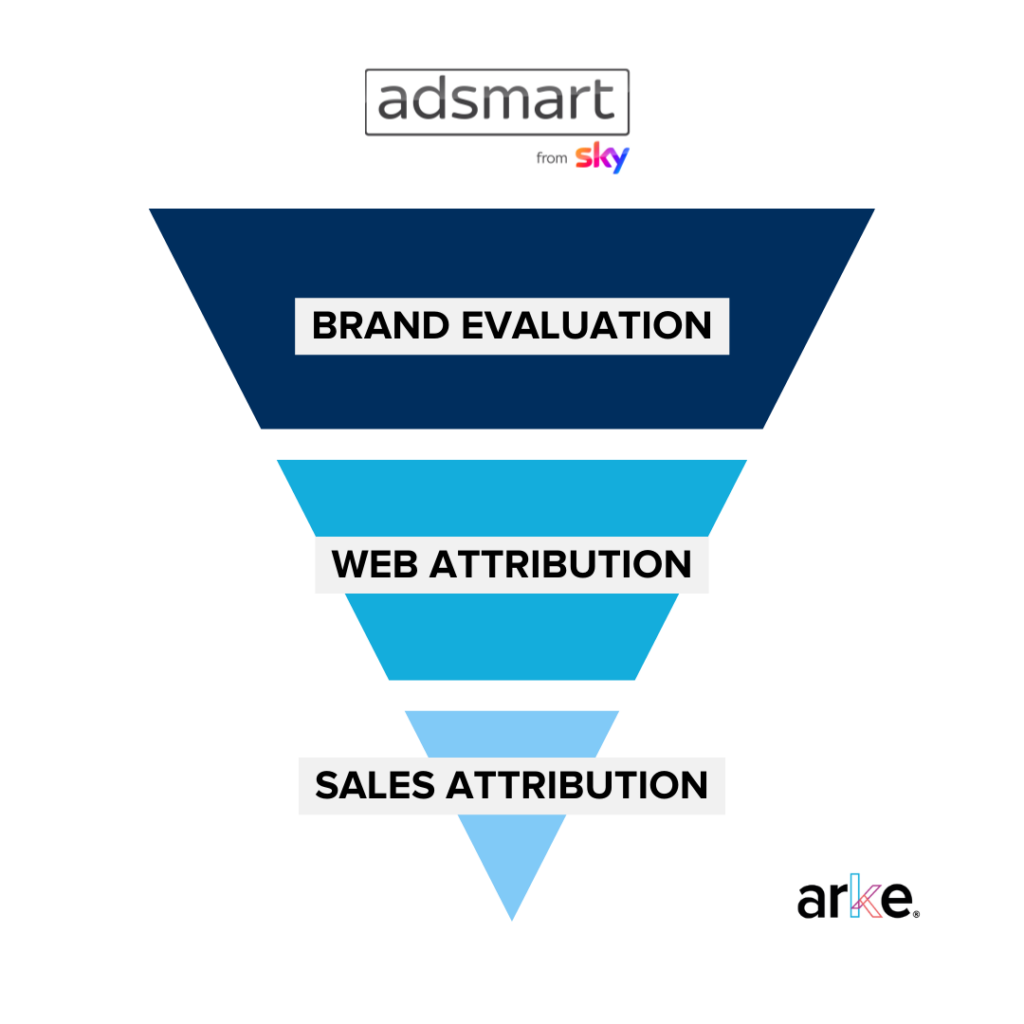
Engaging Audiences with Enhanced Creativity
Sky AdSmart’s targeted approach enables advertisers to create highly relevant and engaging content for their specific audiences. This level of personalisation allows for more creative storytelling, making your ads stand out and resonate with viewers.
With 59% of marketers saying that they will be increasing their budgets for advanced TV, including data-driven linear TV and addressable TV, it’s a channel you definitely want to take advantage of.
At Arke, we can help you create an ad that lingers in your audience’s minds. Not only that, but we have the Clearcast process covered, meaning you can sit back and relax whilst we do the heavy lifting.
Sky AdSmart is a prime example of the convergence of TV and digital advertising. As the media landscape continues to shift, embracing innovative solutions like AdSmart ensures that your brand remains relevant and adaptable in the face of changing consumer behaviours.
Its hyper-targeting capabilities, cost-effectiveness, real-time insights, and creative opportunities make it an essential tool for advertisers looking to maximise the impact of their campaigns. By utilising Sky AdSmart, you’re not only reaching the right audience but also future-proofing your advertising efforts in the dynamic world of television and digital convergence.
Here at Arke, we can elevate your advertising using our expertise in digital TV. Take your advertising to new heights and get in touch with an Arkenaut today.
YouTube has emerged as a powerhouse platform, providing brands with unparalleled opportunities to connect with their target audience. From non-skippable ads to immense targeting abilities, Youtube is an underrated asset for advertisers.
In fact, an analysis of 56 case studies across eight countries shows that YouTube advertising generated a higher ROI than TV in nearly 80% of cases.
However, there is a common misconception that Youtube advertising is way too expensive and may not be efficient for businesses with smaller budgets.
So, fasten your seatbelts as we separate fact from fiction and shed light on the reality of YouTube advertising!
“Youtube Advertising is too expensive for my brand.”
Contrary to popular belief, YouTube advertising is accessible to businesses of all sizes. The platform offers various ad formats and budget options, allowing you to tailor your campaign to suit your specific needs and financial resources.
YouTube ad costs are determined by the number of views they receive, typically ranging between $0.10 and $0.30 per view. In comparison to Snap’s average cost per thousand impressions being £2.32, much lower than Facebook (£4.03) and Instagram (£3.20).
However, these costs may vary based on factors like your industry and target keywords.
The beauty of YouTube advertising lies in its flexibility — the real estate and targeting options available are super beneficial for brands. As Google owns Youtube, you are exposed to a mega audience. As well as targeting people who are actively searching relative terms for your brand, you can also target website visitors through Google Analytics, allowing you to reach those who have already shown an interest in your brand or niche.
You can even go as far as reaching people hearing wedding bells, with the possibility to target audiences through major life events like weddings, buying a house or having a baby using their Google search data and history.
“Youtube Advertising only reaches a young demographic.”
YouTube boasts a vast and diverse user base, extending beyond just younger viewers. YouTube offers a broad audience that spans across different age groups, interests, and demographics.
20.7% of Youtube’s advertising audience is actually aged 25-34 years old, in contrast to only 15% being aged 18-24. With over 1.7 billion unique monthly visitors, the fastest-growing demographic on YouTube consists of Baby Boomers (50 to 65-year-olds) and Generation X (36 to 49-year-olds), with Generation X watching more than 1.5 billion YouTube videos per day!
Surprising – we know, as there is a common misconception that YouTube is primarily for millennials. However, statistics reveal that older audiences are increasingly spending more time on YouTube, debunking this myth, meaning you can reach more audiences on one platform.
Boasting a staggering 14 billion monthly visits, YouTube solidifies its position as one of the internet’s powerhouses, following closely behind its parent company, Google. Impressively, ‘YouTube’ secures the spot as the third most searched term on the Google search engine, further underlining its immense popularity and influence in the online landscape.
“But, video advertising doesn’t convert, does it?”
With over half of B2C and B2B marketers running YouTube video ads, it’s definitely a platform you need to get on board with.
Video content has a powerful impact on viewers as it combines visuals, audio, and storytelling. YouTube allows advertisers to create compelling videos that showcase their brand, products, or services in an engaging and memorable way.
Running video ads enables brands to generate awareness, increase engagement, and drive conversions. Google even states that 70% of viewers have made a purchase after seeing a brand on Youtube and viewers who see TrueView ads (Youtube’s ad platform) are 10 times more likely to engage with the brand on YouTube.
YouTube provides detailed analytics and insights about ad performance, viewer engagement, and demographics. This data enables advertisers to measure the effectiveness of their campaigns and make informed decisions for better targeting and optimise ROAS.
For example, you can find audiences actively searching for keywords in relation to your brand. Say your business sells student textbooks, you can employ search-based video ad targeting to focus on individuals actively researching textbooks dependent on the subject on YouTube or Google. This targeting option allows you to reach users who are watching videos from channels that produce content closely related to your industry.
By integrating this approach into your YouTube ad campaigns, you can deliver ads that are helpful and relevant to the interests of YouTube viewers, whilst offering a personalised ad experience tailored to each user’s preferences.
“But don’t you need expensive videography for YouTube ads??”
The simple answer to this is; no! You don’t need a highly produced, slick video to advertise on YouTube – unless you have the budget and want to create one. The main thing is that it grabs attention, says who you are and what you’re advertising on the tin and is engaging to the audience – the same principles for any other advertising channel!
If you’re stuck on how to make your advertising stand out from the crowd on Youtube we’re here to help.
Creative strategies that defy conventions and challenge assumptions are the hallmark of successful brands on YouTube. The platform’s affinity for inventive content often translates into significant rewards for those who embrace creativity in their YouTube Ads – and we can create content that does just that.
Don’t believe us? Take a look at our work with BlippAR, in which we used Youtube advertising as part of our strategy that resulted in 1.2 million impressions and a 53% decrease in CPC.
Embracing YouTube advertising can open up a world of opportunities, helping your brand reach new heights in the digital landscape. So, don’t let myths hold you back—leverage the power of YouTube and unlock the full potential of your advertising efforts.
Here at Arke, we’re paid media experts, and know just how to get your brand heard and make the most out of your budgets. Get in touch today and we will take your video advertising to the next level.
Incorporating inclusivity into your advertising strategy requires ongoing effort and a willingness to learn and evolve. Brands that prioritise inclusivity not only enhance their marketing results but also contribute positively to social progress and foster a stronger connection with their audience.
In fact, 87% of UK consumers agree that diversity should be a priority in advertising and marketing. Remember, inclusivity is not just a trend; it’s an essential aspect of responsible and impactful advertising in today’s diverse and interconnected world.
Now, that’s not to say the advertising industry has achieved the goal of total inclusivity – far from it. However, we are seeing brands and businesses take further strides in assuring audiences feel represented and included in advertising practices, and there’s good reason for doing so.
Are you interested in the impact of inclusivity in advertising and how can you make your advertising strategy more inclusive?
These are the top things you need to know to make your advertising more inclusive.
1. 67% of people believe that companies should promote a more diverse and inclusive society through advertising.
As the modern world starts to take shape, consumers are more eager to see brands that reflect the diverse world around them, meaning that whoever the audience you’re targeting are, they will likely stand up and take notice of your brand for the right reasons if you embody inclusivity. Although some advertisers have recognised the importance of gender and racial inclusion, there remains significant progress to be made. The representation of people with disabilities and individuals from the LGBTQI+ community in advertisements is strikingly scarce, despite comprising approximately a quarter of our society.
However, whilst businesses need to make an effort, it’s important for brands that before they go live with diversity in their campaigns, that they also ensure they represent an inclusive workplace too.
Making your brand more inclusive starts with an internal shift. To really embed inclusivity into your organisation, we’d recommend Allsorts Youth Project for inclusivity training in the workplace. We worked alongside Allsorts Youth Project and attended their training session, Understanding LGBT+ People and Making Your Organisation More Inclusive, to gain a greater understanding of the experiences of LGBT+ people, became more confident in supporting, and being an ally to, LGBT+ people and discussed how to create more inclusive environments for LGBT+ people.
Allsorts Youth Project is a fantastic service we would hiiiiighly recommend to any businesses that want to ensure safe spaces for everyone at work. Sorry, fangirl moment over.
2. When the representation of different gender, race, and sexual orientation in ads is more accurate, purchase intent increases by 44%.
If you want consumers to buy from your brand, they need to feel seen in your advertising. If you are not actively being diverse in your campaigns, and are seen to be ‘jumping on the action’ during important events like Pride and Black History Month, consumers will notice. Facebook even found that in 90% of ads they ran, diverse representation was the winning strategy for ad recall lift when diversity was consistent.
It’s important to represent ALL your customers in your advertising all year round. Consider including more diverse talent in your ads, creating ‘safe spaces’ and advertising on a range of platforms. Google even offers business owners an option to list their companies as ‘safe-spaces’. Companies can market themselves as ‘LGBTQI+-friendly’ and as a ‘Transgender Safe Space’ on their Google listing to let customers know they’re always welcome. These attributes appear on a business’ Google listing on Maps and Search.
System 1 and ITV’s Feeling Seen Report details how diverse advertising essentially lets people ‘feel seen’, with 5 key details on things brands need to understand if they want to make commercially effective work that celebrates and includes diverse groups. The results? Diverse advertising unites us.
3. People are 38% more likely to trust brands that show diversity in their ads.
The key to consumer retention is achieving customer loyalty, and trust plays a big part. If people can see your authenticity in your means to be diverse and inclusive in your advertising, then the link between trust in your brand and products will follow.
But it’s important to include diversity in all aspects of your marketing – including all the way down to your web pages and SEO. Considering that 64% of consumers are more likely to consider or purchase a product after observing diversity or inclusion in advertising, your landing pages and comms across the market should reflect this too.
For example, in the last 5 years, search interest in “gender fluidity” increased by 80%. Are you using neutral terms across your website, or are you labelling products to specific genders, which could cause other groups to feel dismissed?
In fact, 85% reported that LGBTQI+ representation shows that a business is committed to offering products for all types of customers – so why take the risk of making that pool smaller?
Basically, THE PEOPLE HAVE SPOKEN! Audiences, in general, regardless of how they identify, are searching and interacting with brands that cater to diverse audiences.
Now don’t get us wrong, advertising still has a way to go with full diversity, but it’s important for us all to make a conscious effort to get us there eventually. Diversity isn’t a token you should just stick in your adverts, it should be just the way it is.
If you want to start your journey to becoming more inclusive in your workplace, you can check out ASA’s advertising guidelines, or get in touch with Allsorts Youth Project, and find out how their inclusivity training can get you on the right path.
With an ever-evolving social media ecosystem, the key to successful brand advertising lies in finding platforms that offer unique opportunities to connect with users on a more personal level.
Among these platforms, one stands out for its distinctive approach to communication and its ability to captivate the attention of millions of users worldwide – Snapchat.
Snapchat, initially known for its disappearing photo and video messages, has rapidly transformed into a dynamic multimedia platform, evolving far beyond its humble beginnings. It has redefined how we communicate, share stories, and connect with friends and family.
Yet, thought to be a platform for a very young audience, its true potential as a powerful advertising tool is often overlooked – so we’re here to tell you why it’s worth it.
A captive and diverse audience
With over 500 million monthly active users worldwide, Snapchat boasts an expansive and diverse audience. Its users span across various demographics, including the highly coveted millennial and Gen Z population. In fact, Snapchat users range from 13 to 35 years old and beyond, reaching an impressive 75% of millennials and Gen Z.
So why is this a great audience to reach? Ad recall for Gen Z on Snapchat is higher than any other generational cohort, even though these users spend less time watching each ad. Over half (55%) of Gen Z can recall an ad they watched for less than 2 seconds, helping your brand stay in the forefront of a huge chunk of minds.
AR also can take your brand to new heights. Snapchat users are also 1.5x more likely than non-Snapchatters to gravitate towards immersive video and mobile games, including AR experiences, meaning a custom filter or AR game for your brand could be a perfect fit for the platform and its users.
Snapchat offers a remarkable opportunity for brands to tap into the vibrant energy of these younger generations who are known for their purchasing power and propensity for digital engagement.
Unparalleled targeting abilities
Snapchat’s advanced targeting capabilities allow brands to reach their ideal customers with pinpoint accuracy. Leveraging a wealth of user data, including location, interests, behaviour, and demographics, brands can tailor their campaigns to reach specific segments of the Snapchat user base.
In the UK, Snapchat has 22.2million active users. You can refine these through custom audiences, retargeting audiences and even use your own data to target users such as your Snapchat customer lists or even lookalike audiences based on your existing customers.
And with Snap having its very own ‘Maps’ feature, location targeting has never been more creative. More than 300 million Snapchat users engage monthly with the Snap Map, which highlights nearby stories and business listings, known as ‘spotlighting’. Last year, Snap saw a 55% increase in time spent watching Spotlight content.
Just think, got a large scale promotion coming up? Encourage your audience to upload a snap story when they are at your event and populate your snap map location with a load of free advertising!
With the ability to re-engage with users who have already viewed your website, interacted with your ads, downloaded the app or purchased in the past, Snap is a platform that shouldn’t be dismissed in reaching specific audiences.
Is it cost effective?
Snapchat advertising can be cost-effective for businesses with different budget sizes. The platform offers flexible budgeting options, allowing you to set daily or lifetime campaign budgets.
Snapchat utilises an auction system known as goal-based bidding to determine charges based on 1,000 impressions (eCPM). With this approach, you have the ability to establish a maximum price for each instance when a viewer engages in the specific action your advertisement is optimised for.
As you’re in control of the cost, you can tweak your budget to optimise ROI. Snapchat may be ideal for you if you’re on a tight budget, and we’re pretty good with numbers. Here at Arke, our average CPM for Snap is £1.41, with Snap’s average cost per thousand impressions being £2.32!. Not to show off but we also champion the cash with other channels too, including an average CPM for Facebook of £1.18, £1.57 for Instagram and £1.70 for TikTok!
You can actually launch ads on the platform for as little as £3.94 a day. When you set up your ad, you can see estimates of reach and results based on how much you want to spend. Then adjust as you see fit. Your ads will be shown to people who are most likely to respond to them.
So, how can I utilise my Ad Creative?
Snapchat has the potential to reach over 557m people through paid advertising, so it’s important to optimise your ad creative to stop the audience in their tracks. Recently, we spoke about the rise of VR, and how advertisers may be able to utilise this in their advertising. But what about the widely available augmented reality side of advertising that already exists?
Snapchat Lenses present an impactful and unforgettable method to engage with a vast audience through augmented reality (AR). A simple tap can transport Snapchatters into your brand. Lenses deliver more than just an impression; they provide “play time,” as users spend time interacting with your dynamic ad. Snapchat users are 1.5x more likely to interact with mobile games, including AR experiences.
In fact, 63% of Snapchat’s daily active users are using Augmented Reality (AR) filters. Whether you’re a makeup brand letting customers preview a new makeup look or a gaming brand bringing a snapshot of your app to snapchat, sponsored lenses are a great feature to encourage mass engagement from your audience.
But don’t forget about your other ad formats. Snap also offers single image and video ad formats, perfectly optimised for mobile view. Keeping your ads between 5-6 seconds drive the best performance, according to platform data. Snap also recommends that ads that feature UGC (user-generated content), with Snapchat-inspired features, while speaking to the camera, can be significantly stronger at driving view-through.
In conclusion, Snapchat is not a platform to be dismissed when it comes to your advertising. In an ever-evolving digital landscape, Snapchat has emerged as a powerful platform that enables brands to break through the clutter and connect with their target audience in new and exciting ways.
At Arke, we can really harness the power of Snapchat for your brand. If you are ready to explore the possibilities of snap, get in touch with an Arkenaut today.
In the ever-evolving world of advertising, staying ahead of the curve is crucial. With Amazon exploring launching a free ad-supported tier of Amazon Prime, advertisers have a unique opportunity to reach a massive audience. From E-commerce to Kindle to now a potential ad supported stream service, Amazon hosts a wealthy product portfolio of advertising real estate.
By harnessing the power of Amazon’s Demand-Side Platform (DSP), advertisers can elevate their campaigns, optimise targeting, and maximise their return on investment (ROI) – you can even launch a campaign in as little as 5 minutes.
So, let’s explore how advertisers can utilise Amazon DSP to leverage a possible ad-supported tier of Amazon Prime and unlock its full potential.
Leveraging the world of ad-supported streaming
Following suit of other market leaders like Disney+ and Netflix who recently released ad-supported tiers, Amazon is arguably one of the biggest and most accessible in the game to jump on the hype with over 83% of consumers willing to watch ads to gain access to free streaming content.
Compared to Netflix’s Basic tier charging companies $65 (roughly £55) CPM for every 1,000 people served ads, Amazon Streaming TV Ads could be a much more cost effective alternative to high CPM’s.
With an introduction of a free ad-supported tier of Amazon Prime, advertisers could gain access to a wider audience base that can be segmented based on their interests, preferences, and shopping habits. 90% of UK consumers have access to a connected TV device and by aligning your advertising strategies with this new offering, you can tap into Amazon Prime’s extensive user base and effectively promote your brand, products, or services.
Amazon states they currently have over 200 million Amazon Prime subscribers around the world. That’s a whopping set of potential eyes on your campaigns, so how do you narrow it down to your target audience? Contextual targeting helps to drive ad completion with 54% of consumers willing to view an ad to completion if it’s relevant to the content that they are watching.
Amazon DSP offers robust targeting capabilities, allowing advertisers to refine their audience segments and display ads to the most relevant users. Leveraging first-party Amazon data, advertisers can target consumers based on their purchase history, browsing behavior, demographics, and interests. In 2022, our benchmark cost-per-click (CPC) of ads sold via the Amazon demand-side platform (DSP) stood at £1.08, making it a great platform to add to your budget.
Taking your advertising further with a cross channel approach
Cross channel marketing is a holy grail in increasing both brand awareness and sales. In 2022, 81% of UK consumers voted Amazon the most popular online channel for their shopping needs.
One of the significant advantages of Amazon DSP ads is the ability to follow highly engaged leads wherever they may go. By employing sophisticated targeting capabilities, you can track and target users across different channels, ensuring that your brand message reaches them consistently. Whether they’re browsing their favorite social media platforms, reading articles on news websites, or engaging with mobile apps, your ads will accompany them, reinforcing your brand and product offerings at every touchpoint.
With the DSP platform, you gain access to Amazon’s extensive user data, including crucial information that could lead to the recommendation of new products, if you have accounts on any of the following Amazon platforms.
1. Watched streamers on Twitch
2. Listened to Amazon Music
3. Shopped at an Amazon Fresh
4. Shopped on Amazon.com
5. Streamed on Amazon Prime
6. Watched content on an Amazon Firestick
7. Owned an Amazon Alexa/Echo
8. Read books on Kindle
Is it cost effective?
The self-serve option on Amazon DSP proves to be a cost-effective choice for many advertisers. Unlike managed services, there are no additional management fees involved. Businesses can determine a budget that aligns with their financial resources, granting them greater flexibility and cost control. This makes it an attractive option for advertisers looking to optimise their ad spend – and in even better news, advertising with Arke means you don’t need a minimum spend to put your campaigns on the platform.
In conclusion, the Amazon DSP self-serve option opens up a world of possibilities for advertisers seeking complete control over their campaigns. With the ability to manage keywords, ads, budgets, and strategies, businesses can navigate the advertising landscape with confidence and precision.
And with the possibility of adding streaming to the mix, we definitely think it’s one to watch!
If you want to experiment with Amazon DSP, get in touch today.
Clearing insights from last year
As summer rolls in, so does a wave of anticipation for students and higher education institutions alike. It’s that time of the year when the academic world gears up to hit enrollment targets, battle the competition and maximise the impact of your Clearing budgets.
So, what’s the pathway to success?
With an ever-evolving higher education landscape, staying ahead of the curve is crucial. As experts in education marketing, we have collected last year’s learning and this year’s key predictions that will empower your institution’s summer recruitment strategy this summer.
But first, what key things did we learn last year?
- Start your campaigns yesterday
Although in 2022 31% of students started researching for their clearing placement in August, 14% actually started in July. It’s important that your campaigns are loud and proud well before students start researching on results day, as it’s pretty likely they’ve already been scoping potential options beforehand.
A multi-channel approach is best to drive conversions at this stage, ensuring all student touchpoints are covered in your campaigns. Taking advantage of a full-funnel channel mix will ensure you maximise brand awareness to get a head-start over your competition across the entire student journey, bringing more students to your institution and smashing your enrolment targets.
Personalisation across your marketing tactics can increase conversion by 19%, so adapt your messaging to match the tone of voice of each channel, address your audience according to their stage in their application process, and test which messages resonate better than others to spark ongoing success.
2. Optimise your social media strategies
Do you know what platforms your prospects are engaging with? While you may have a tried-and-tested approach to targeting students, it’s key that you adapt your strategy to meet your audiences where they’re spending most of their time – and don’t forget about their key influencers (their parents and guardians) either!
After the UCAS main website, most students had seen an advertisement for their placement university on social media. In fact, 43% of students had used social media to find their clearing uni, and less than 5% of UCAS respondents seeing advertisements out of home.
Ensuring you have consistently optimised your social campaigns through the clearing process will help keep your institution at the front of student minds – and we’re not just talking brand awareness. Using precision targeting and remarketing tactics will ensure you are bringing in high-intent students that are more likely to apply.
3. Trust in clearing is at an all time high
UCAS found that more students than ever before are trusting the clearing process.
The proportion of applicants who released themselves into Clearing and already had agreed a place continues to decline, with 56% of students having already agreed a place through clearing last year.
With this increasing student trust in the process, this means positioning your institution as the go to option is incredibly important. Reinforce this process with your ads, showing the smooth, easy process of applying to your institution via clearing and showcasing what sets you apart from the competition.
Ensuring that all campaigns are set-up according to platform best practice is crucial to ensure that you hit your KPIs and keep costs low. We even offer a free consultation to audit your current set-up and make sure that you’re on the right path to drive success.
Our predictions for 2023
Ready for a new era of clearing? Our expert team of advertisers have you covered, with their predictions for the 2023 clearing period.
Cost of living affecting student choice
91% of students are worried about the cost-of-living crisis, and more students than ever are choosing to study near their family home to save money on rent.
Creating hyper-localised campaigns will ensure that students can access campus without having to live on campus – and dealing with costs that living away from home can present. Here at Arke, we can hone in on your local audience with effective hyper-targeting solutions through a range of paid media channels and strategies.
For example, using Spotify advertising we were able to reach 9,895 unique users and generate a whopping 89.73% ad completion rate for Keele University using Spotify’s targeting abilities. Audio advertising is a great way of reaching student and parent audiences through engaging advertising creative. Read more about the benefits of audio advertising.
Utilise your budget with niche terms as popularity increases
With technical and specialised courses becoming more popular, universities can make the most of their budget by bidding on super niche search terms.
Niche courses are what makes your institution unique, and you should harness this in your ad copy and creative. Instead of spending your budget on broad searches, build out specific keyword lists in order to reach a pool of prospective students with a proven interest in your offering.
Although these courses lean towards a smaller targeting pool, engagement is likely to be higher if you can correctly layer interest-based targeting on top of keywords, resulting in a stronger ROAS.
Take a look at our work with Keele University to promote their niche Artificial Intelligence and Data Science MSc course in which we generated a groundbreaking 9,845% ROAS and £393,800 in revenue.
Tracking will be your most utilised asset
By mapping out each step a student may go through in the Clearing process, you’ll be able to make sure that each stage is effectively tracked. This will also enable you to discover gaps in data or common drop-off areas..
This vital information can help you to improve landing pages for UX, or even to create retargeting campaigns to re-engage students to nurture them through to conversion.
Once you’ve got a robust tracking infrastructure in place, it’s time to put your data to use and produce reporting dashboards that are easy to visualise and allow you to make quick decisions.
Pulling in data streams from all advertising platforms, Google Analytics, and your in-house systems, allows you to measure student journeys from first touchpoint right through to application and enrolment, meaning you can prove your marketing success and effectively attribute your results to the activity that generated them.
If you’re ready to conquer Clearing this summer, we’re here to help. The recruitment cycle never stops and the competition for students’ attention is tougher than ever, and we know just how to help your institution stand out from the crowd.
Book a call with our team of experts to provide you with a bespoke action plan, book yours now.
Concern about inflation is at an all-time high, and with a recent report from Horizon Media’s Catalyst, the number of consumers pointing to corporate greed as the cause has risen by 8% from 2022.
In 2022, 44% of consumers said corporate greed was responsible for the crisis, now rising to 52% in 2023. With ‘Deinfluencers’ on the rise, could this mean your brand’s consumer trust and interest could be at risk?
After all, the key to consumer retention is achieving customer loyalty, and trust plays a big part.
Don’t panic, there’s still plenty of opportunity to skyrocket trust, and we’re going to tell you how.
Let’s jump in!
1. Be honest and transparent
Here at Arke, we pride ourselves on being a transparent marketing agency. We’re always honest with our customers in everything we do. The perfect match if we do say so ourselves.
It’s important your marketing isn’t misleading and you stay true to brand values. Consumers will recognise when your strategy is not genuine, so stay true to core beliefs and express that in your marketing channels. If you don’t, you risk customers choosing your competitors – and no one wants that.
You don’t want to be advocating sustainability and then avoid using environmentally friendly suppliers! Each part of your business model should reflect the values you’re pushing forward.
Be upfront about pricing and remove those hidden costs.
2. Offer great customer service
Customers will always return somewhere they feel listened to and cared for, and with that comes the building of trust and loyalty – a quality all great businesses have.
Providing an efficient, personable experience for your customers will reinstate your ability to go above and beyond for your audience. When consumers recognise that, repeat purchases are much more likely.
Like Uncle Ben, (not the rice to clarify) we also believe that with great customer service comes great recommendations (close enough right?). Customers are more likely to refer a brand to someone else when they’ve had a positive experience themselves – I know I’d want to be the Spider-man of the business world.
And that leads on to our last point…
3. Share your reviews
The more positive exposure and recognition your service has, the more likely people will tend to come to you for your trade – who doesn’t love a five-star service?
Research from Wyzowl suggests that 9 out of 10 people say they trust what a customer says about a business more than what that business says about itself, and 95% of people say that reviews – whether positive or negative – influence their purchasing decisions.
Share your reviews and take pride in what your customers think about you. Being a part of sites like TrustPilot can be really beneficial in gaining that extra bit of trust that could juuuust push a sale over the line.
Thinking of building a campaign to re-invite your customers to your brand? Our team of advertising experts are here to help. Get in touch with hello@arkeagency.com to build a campaign with trust at its heart.
The past three weeks we’ve been on a mission to find out if AI can be a dependent tool in the marketing world and whether or not it’s really worth utilising.
To do this, we set out with a series of challenges for our in-house creative team and online AI robots. We briefed them on creating logos, writing engaging taglines and illustration. We then showcased the designs to our followers on Linkedin, letting them decide what they thought to be the human approach.
So, is AI worth using in your content strategy? We hope you are ready as the results are in…
Logo Design
Our first challenge for our followers was to recognise which of four logos was created by our Head of Creative at Arke, hidden in a mix of designs generated by AI.
We can now confirm that 55% of our audience voted for the logo made by our Head of Creative with the love reaction, so a close split in opinions.
With sites like Canva and Design.ai offering image generated content through artificial intelligence, the rise of AI content is at an all time high. Now whilst it does speed up the design, it can sometimes take the concept a bit too literally, producing content that may lack creativity.
However, sometimes that could be a great thing for marketers. For example, Google has recently released Product Studio, a system that allows shop owners to easily create unique and tailored product imagery for free.
With products on Google earning a 76% increase in impressions and a 32% increase in clicks when having more than one image, this tool could really help those with small budgets hoping to boost their product image catalogue.
And whilst that is still a pretty cool feature, we know AI can’t always provide the creativity, critical thinking, and problem-solving skills that designers bring to their work. Take for example how we generated a 1009% ROAS for Shay and Blue through pairing custom messaging frameworks with tailored creatives and paid media activity, generating record-breaking revenue during Black Friday.
Copywriting
Next up was our Copy and Content Executive Jacob, alongside AI for the most engaging tagline for Arke.
AI seems to be a well established thinker here, convincing 50% of our audience that it was our in-house Copywriter.
Scheduling platforms have recently launched generative AI to their users. HubSpot’s AI content assistant utilises OpenAI’s GPT model to help anyone on your team ideate, create, and share content in a flash.
Again it’s about being that extra support in the marketing process. Tools like this can help the everyday marketer create content plans, reactive posts and generate ideas for blogs – which lets admit, can be very helpful when you’re on tight deadlines.
However, Sitecare did a similar experiment to us and found that AI underperformed humans in all areas of copywriting. Human-generated content had a lower bounce rate than AI, with Google ranking it higher as readers stayed on the page longer. This is because humans understand the behavioural, unspoken nuances that a machine would have to be told…and if you’re spending so much time briefing this into ChatGPT, its going to be taking you far more time than its worth.
AI can find information on the internet and construct a blog on all it finds, but it tends to lack the creativity and research that goes into making writing that extra bit special – so if you’re writing about a very in depth topic, we recommend sticking to pen and paper for now.
But don’t get us wrong, AI is a very handful tool for all ideation and content planning needs.
Illustration
Lastly, Matt took to the sketchbook to create an illustration which we paired against three AI generated images.
Tasked with finding the illustration representing ‘people using the internet’ that was created by our talented Head of Creative, 71% of our followers got it right and chose the support reaction image.
Now AI may not have you fooled this time, but it is doing some pretty cool things in the Adobe world. With users creating about 200 million AI-generated images using Adobe’s in-house text-to-image model Firefly since it launched in March, the platform is now planning to launch to 12,000 enterprise customers.
With AI now having the ability to action repetitive and mundane tasks, designers can now focus more on creative and strategic aspects of their work. Tasks such as generating design variations, resizing images, or formatting layouts can be accelerated and streamlined using AI algorithms. This efficiency enables designers to work faster and allocate more time to the creative process.
In conclusion, AI is a pretty handy support tool, and offers a realm of opportunities for content creators and designers alike. With the aspect of saving time, helping with ideation and new platforms like Firefly introducing a range of generative tools with endless possibilities, it’s definitely a feature worth utilising. But if you’re looking for something powered with behavioural science, research and audience analysis, it’s a human team of experts you should look to.
Blog written by ChapGPT (only joking).
We’re back with another ‘Debunked’ and this time we’re chatting all things audio. The digital landscape is increasingly competitive and being seen by your audience online is becoming increasingly difficult. So, what other options are out there to reach your target audience effectively, for less?
We know what you’re thinking, ‘“How can audio be targeted and isn’t it ridiculously expensive? Isn’t that for big brand awareness campaigns, not for driving conversions?’ What if we were to tell you that when done right, audio advertising is actually incredibly effective, for both cost and results…
With exciting opportunities for mass scalable reach, is it time to trade the camera for the microphone? As advertisers explore this growing trend, it’s crucial to separate fact from fiction and debunk some common myths surrounding audio ads.
So, let us take the mic from here…
“Audio Ads are way too expensive”
The truth is that audio advertising can be an incredibly cost-effective part of your channel mix, especially when combined with other forms of media.
Whilst the traditional days of radio advertising may involve higher costs, and long set-up times, the new world of digital streaming platforms and podcasts has opened up new, more affordable and efficient avenues for audio ads.
Platforms like Spotify, Pandora, and podcast networks offer flexible pricing models, allowing advertisers to choose options that align with their budgets. Digital radio means you can target hyper-localised audience segments at the click of a button.
But the real trick with making the most of your cash here is the wide range of targeting options, meaning that instead of reaching a mass audience, you can streamline your budget to only your ideal customer or client. For example, brands can target a wide range audience segments based upon demographic, interest, behavioural, or contextual signals, personalising your message to increase impact.
Closely aligning a listeners ad experience with the content they are consuming is essential; for example, if you were a swimsuit brand, you could find the perfect placement in the middle of a user’s “Holiday Vibes“ playlist – pretty cool right?
Here at Arke, we offer advertising across a range of audio channels, including Spotify, DAX, Traditional Radio, YouTube Audio Ads, Programmatic Podcast Advertising, and an aggregated approach (multi-platform) through partners such as ACast. Not to mention access to Audible and Alexa ads through Amazon DSP.
Working with us opens up our clients to new opportunities across a breadth of cost effective and impactful opportunities. For example, we can secure free-of-charge voiceovers for Spotify Advertising, free-of-charge AI voice overs with ACast, and of course, the ability to sit back and relax whilst our experts use their expertise to develop best-in-class strategies and negotiate discounted rates and packages.
“Do consumers actually convert from audio ads?”
Audio ads are a great fit to reach your customers when they are away from their screens, and as 70% of listeners don’t do anything else whilst listening, they’re a worthwhile audience to target.
The hyper-targeted aspect of audio advertising brings great rewards for a small investment. Reaching super engaged customers seamlessly through their content, 59% of listeners make purchasing decisions based on audio ads. The testament of audio advertising goes even further with 66% of people recalling audio ads, with a 35% increase in brand awareness.
Each of your ads can be personalised to target each of your audience segments with the same product, whether that be a single mum, darling granny or sister on the go. Epsilon’s research found that 80% of consumers purchase from brands that offer personalised ad experiences, and you can’t get quite more personal than an ad directly attributed to your favourite podcast, playlist or audio book at the time of listening.
According to Spotify, the top 10% of brand lift campaigns have nearly three quarters of their impressions tied to audio. They add that audio-only campaigns drive a 10.1% lift for in-store visits, compared to 5.3% for multi-format campaigns – that’s nearly double! Whilst audio is of course another form of OOH advertising and therefore great if your goal is top of the funnel brand awareness tactics, that’s definitely not all it’s capable of. From driving website traffic to in store visits – whatever your goal, audio offers a solution.
With targeting abilities that outperform the rest, campaigns with a majority audio focus can drive higher sales and ROAS.
“The reach is better on other channels”
To put it simply, more people are spending time with audio than ever before.
Audio ads possess extensive reach and powerful targeting capabilities. With the rise of streaming platforms and podcasts, the audio landscape has become a fertile ground for advertisers to connect with their desired audience.
A study by Spotify and Neuro-Insight found that digital audio was more likely to take the reins of long-term memory, as well as increase emotional intensity – more than TV, social media or digital video. You also have the ability to reach listeners at every stage of the funnel, so don’t worry if someone cant take action whilst listening to your ad whilst driving, you can re-target them later on a different device at home.
Audio ads can offer a more personal feel than on-screen text ads, and digital audio is much more targeted than traditional radio, not to mention engaging a younger audience. Take our work with Keele University for example. As part of an integrated marketing communications strategy, we delivered a one-month long Spotify Audio campaign, providing 90,522 impressions alongside an above industry-average ad-completion-rate.
And if you’re waiting for it to get better, it does. Streaming services provide valuable data and insights, allowing advertisers to precisely target listeners based on demographics, interests, and even location. By leveraging this data, advertisers can optimise their campaigns, refine their targeting strategies, and maximise their ROAS. At Arke, we optimise campaigns every 48hrs, providing recommendations on budget allocation to get the best out of your cash.
“Audio is a fad, not for long term investment”
Well, we’ve just jumped out of our time machine to say ‘you’re wrong’.
Streaming services and podcasts are experiencing an unprecedented surge in popularity, with no signs of slowing down. As more consumers opt for on-demand audio content, advertisers have a tremendous opportunity to reach engaged and captive audiences.
Audio advertising abilities are forever evolving, with more data available every minute. This data enables advertisers to serve ads that resonate with specific individuals, creating a personalised and immersive experience. By delivering ads that match the listeners’ preferences, advertisers can increase engagement, drive conversions, and build stronger brand connections.
Brands like Spotify are increasingly investing in interactive audio ads, and with the rise of AI in the midst, who knows what this could mean for audio. You can now even record audio ads with AI voice technology, meaning you may not even need to hire a voice actor anymore. It even goes as far as having the ability to translate your ads into different languages, meaning global reach is easier than ever before.
With versatile and budget-friendly options, highly targeted advertising capabilities, cost-effective production processes, trackable results and even AI on the bound-wagon, audio advertising presents a cost-effective solution that can deliver meaningful reach and ROAS for advertisers.
So, don’t let the misconception of high costs hold you back; explore the world of audio advertising and unlock its potential by getting in touch with Arke today.
The world of virtual reality has taken the digital landscape by storm in recent months. And this week we have seen tech giant Apple be the latest to join the trend launching their first VR headset.
A first for Apple in the VR/AR/XR community, could this open new doors to advertisers? And what virtual wonders can this new way of reaching consumers bring?
We’re ready to find out, but first, let’s immerse ourselves in the current era of AR advertising.
Purchase intent
With brands like RayBans offering virtual try-ons of their sunnies, could it be long before VR allows us to re-furnish our houses without stepping out the door? Oh wait – you can.
IKEA’s AI feature is an experience definitely beneficial in boosting online sales. We’ve already seen an uptake of brands utilising this feature in recent years, with72% of shoppers purchasing products they hadn’t intended on buying after using AR. 40% of customers say they would buy more expensive products if they had the option to try through AI first, reducing the risk of returns from the customer – and making it worth the investment for businesses looking to shift pricey items.
But let’s take it further – how about utilising filters on our much loved social channels. According to snapchat, more than 75% of users send photos and videos with Snapchat filters every day. Now combine this with their shoppable AR feature, your personalised engaging ad is at the hands of thousands. Snap even claims a campaign incorporating a Snapchat filter that promotes a product is 2 times more likely to generate an increase in purchase intention compared to traditional content.
Our talented Arkenauts can help craft and implement sponsored lenses/filters to amplify your campaigns across channels like Snapchat and Instagram. Accessing your audience through the new virtual realm.
Immersive Advertising
What if we told you that you could really turn heads with your advertising…
We know it’s important to engage consumers from their first experience of your brand and 360 video ads bring an immersive way of centering the buyer in your advertising. With platforms like Facebook and Google Ads both offering the feature, it’s time to capture your audience within the ad.
360 videos are formats that allow the user to view a picture, video or animation in a full circle. By rotating their camera, VR headset or scrolling with their mouse viewers live a personalised 360-degree journey, building trust with your brand and making you far more memorable than your standard marketing campaign.
So is it worth it? Absolutely! Google’s experiment between a standard and 360 ad found that the 360 ad drove 41% more earned actions than the standard ad. An interactive ad engages the user, captivating them with content to discover from all angles, encouraging retention of the buyer longer than your average ad, boosting click-through rates and dwell time on your website.
But why not just use traditional video? Well, alongside endless creative options to showcase your brand, 360 ads encourage engagement, and due to this has over 3 times the conversion rate of traditional video content and a30% higher repeated view rate.
The team here at Arke can help you to create 360 ads out of this world, immersing buyers in your brand and emphasising your product as you stand out from the crowd.
So what about the future?
Well VR advertising holds a significant advantage over traditional advertising. It centres the buyer in a distraction free immersive world where your product can be centre stage, and it’s continuously evolving.
Apple’s release last night saw the Apple Vision Pro, a controller-free headset, allow a user to browse rows of app icons just by looking at them. We can only imagine the retail space that could soon be available to advertisers.
Meta isn’t long behind with some artists even exploring performing in the metaverse in recent years, could there be potential for live events, conferences and product launches in the world of VR?
“Right now our job here at Arke is all about getting people excited about products and services – and now we can do it without relying solely on flat visuals anymore! These advances in VR becoming more widely available to consumers will mean we can create experiences and immersive participation to let consumers interact and delve into brands deeper – the possibilities are endless!”
-Matt Stokes, Head of Creative, Arke Agency
With the latest announcements from Apple and probably more on the way, we’re interested to see how VR advertising develops as it becomes more mainstream, and we will be ready to jump in the second its live.
Welcome to the first in our new series: ‘Debunked’, where we help advertisers navigate today’s fiercely competitive digital landscape and address the myths surrounding paid advertising platforms.
In this edition, we’ll be focusing on a platform that’s new features are taking the industry by storm. Amazon’s programmatic DSP (Demand-side Platform) opens up real-time bidding to purchase ad inventory to reach new and existing audiences on and off Amazon.
However, is the platform only relevant to retail businesses?
Are the ads and features accessible to advertisers in other industries?
At Arke, we’re currently utilising Amazon DSP for multiple clients and have all the expertise in house to address your questions and even give some handy tips on making the most of the platform.
But before we jump in, what really is Amazon DSP?
Amazon DSP allows advertisers to target specific audiences based on various factors such as demographics, interests, purchase behaviour, and contextual relevance. Advertisers on the platform can deliver highly targeted and personalised ad experiences to reach the right customers at the right time, across a huge range of premium and exclusive placements.
But why use it if you’re not a big ecommerce brand? We’re going to tell you.
Brand Awareness and Consideration:
Amazon DSP has targeting capabilities that are out of this world.
While e-commerce businesses can leverage transactional data to drive conversions, non-e-commerce brands can utilise Amazon DSP to enhance brand awareness, consideration, and influence consumer behaviour – earlier on in their shopping journey.
By reaching their target audience on Amazon’s platform and partner websites, these brands can engage potential customers, generating interest and nurturing brand interest – which we’re confident can lead to those big conversions.
One non-commerce example of this is if you’re looking to reach students to build interest and awareness of your university. You can target students searching for university supplies or particular textbooks, even down to the subject of the textbook, to personalising ads targeting them with the courses you offer that they may be interested in. Pretty neat, huh?
Amazon DSP is also one of the only advertising platforms in the UK that can target users by household income, utilising Amazon’s proprietary customer and purchase history data.
Could targeting be even more optimised you ask? Amazon says yes with the ability for your ads to be translated to the chosen language of the customer wherever they are. The Sponsored Display translation feature helps advertisers easily create and manage multi-language content on Amazon, providing shoppers with a more seamless experience allowing them to engage with the ads – language barriers are defeated.
Product Launches and Promotions:
Need to launch a new product or promote a special offer? Regardless of whether your brand operates within the e-commerce space or not, Amazon DSP is the platform for you.
Brands using the platform have the potential to unlock Amazon’s vast reach and contextual targeting options. Amplifying new launches is really no problem with the ability to reach customers who are actively searching for related products or exploring relevant categories.
But we already know there is great targeting on Amazon DSP, so why else is it great? Well, your Amazon Ads can reach shoppers at every stage of their journey. Your ads can appear on Amazon’s product detail pages, search results, and other placements within the platform, allowing potential customers to learn about your product whilst making purchase decisions.
Not only that but DSP allows you to retarget customers who have previously interacted with your brand or shown interest in your product. By displaying ads to these potential customers, you can reinforce your product’s message, increase brand recall, and potentially drive conversions.
And if you’re ready to take the optimisation to the next level, Amazon DSP allows you to easily optimise your campaigns to meet your campaign goals. So, need to hit conversion targets in launch? DSP programmatic optimisation can dynamically update your budgets based on campaign goals, adjusts ads so that they’re served through the best sites using the best formats and automatically analyses every impression against campaign goals. Amazon applies up to 500,000 predictors based on its customers’ shopping patterns.
Cross-Channel Marketing:
Integration is a must in an optimised marketing strategy, and Amazon DSP offers just that. With multiple advertising channels available for integration, cross-channel marketing campaigns thrive.
Non-e-commerce brands can leverage Amazon’s audience insights and targeting capabilities to complement their existing marketing efforts across these channels. By syncing their messaging and creative strategies across different platforms, businesses can create a cohesive brand experience and maximise the reach and impact of their campaigns.
By using the DSP platform, you have access to Amazon’s wealth of user data. For example, if you have accounts on any of the following Amazon definitely has some crucial data on you that could send new products your way:
1. Watched streamers on Twitch
2. Listened to Amazon Music
3. Shopped at an Amazon Fresh
4. Shopped on Amazon.com
5. Streamed on Amazon Prime
6. Watched content on an Amazon Firestick
7. Owned an Amazon Alexa/Echo
8. Read books on Kindle
And if Amazon can collect data from you on these touchpoints, it can also target ads to you via them too. You have the capabilities to access endless placement options from podcasts, streaming, shopping and many more – all achievable from one platform.
How Amazon DSP differs to Google Ads
Don’t they do the same thing?
We’ve already established that Amazon DSP has some great benefits, and is definitely a platform that you can unlock your brand’s potential on. But why use it if Google has no minimum spend?
Well what if we tell you, if you work with us, you wouldn’t need any minimum spend and could showcase your business across amazon platforms…
We’ve put together the main comparisons of the platforms so you can see which options fit your strategy best. Amazon offers over 40 premium ad exchanges placements for your Ads, compared to Googles three. So it may be time to consider utilising them as a core part of your strategy.
Don’t take our word for it, take a look down below.
| Google Ads | Amazon DSP | |
|---|---|---|
| Ad Formats | Display YouTube / VideoSearch Ads Discovery Ads App Ads Google Shopping Performance Max |
Mobile/Standard Display Online Video Streaming TV Podcasts App Ads |
| Ad Networks | Google Display Network Google Search Network Google Search Partners |
40+ Premium Ad Exchanges, including; Google AdX, OpenX, Teads, Kargo, Media Grid |
| Exclusive Channel Placements | Google Search Results Google Discover Feed YouTube GMail Inboxes |
Amazon Homepage & Search / Product Pages Amazon Prime Video IMDB Audible Twitch Amazon Apps Amazon Devices (inc. Alexa & Fire TV/Tablets) |
| Minimum Spend | None | None (with Arke) £30,000 (direct with Amazon) |
And if you’re still not convinced, check out what our Head of Paid Media Ben Haliday has to say:
“We are thrilled to be able to remove barriers to entry and unleash the potential of programmatic advertising for brands and organisations of all sizes using Amazon DSP.
We have already achieved exceptional results for our clients through the platform, leveraging new strategy avenues and placements, alongside advanced data-driven targeting, and Amazon-exclusive inventory.
As we witness Amazon DSP’s continuous integration of cutting-edge features, we’re excited to expand upon our toolkit to deliver best-in-class media strategies that get our clients noticed, open up new opportunities, and maximise performance and ROI.”
So, have we debunked you?
By leveraging Amazon DSP’s powerful targeting capabilities and integrating it into a comprehensive marketing strategy, businesses from various sectors can harness the platform’s potential and achieve their marketing objectives, regardless of their e-commerce presence.
And if you haven’t got the time, we can harness this power for you. Get in touch with an Arkenaut today to unleash Amazon DSP’s capabilities today.
The return of Brighton Festival!
This May, Brighton Festival is back!
We couldn’t be more excited to be the event’s official paid media partner helping to spread the word of the exciting programme of events with this year’s theme of ‘Gather Round’, a time to come together as a community and celebrate the arts.
 Taking place annually, Brighton Festival is a curated multi-arts festival with a genre-spanning programme of 100+ events. Brighton Festival takes place from the 6th to the 28th of May and is hosted across Brighton and surrounding areas. There’s no hiding how much we love our city and working with Brighton Festival was a natural partnership – based on our love for all things creative and celebrating Brighton! There’s no better excuse to come and enjoy the sunny sights and incredible talent of our city.
This year, the talented and highly respected Nabihah Iqbal has been selected as Brighton Festival’s Guest Director. Nabihah is a critically acclaimed musician, producer, DJ and broadcaster, currently a resident artist at London’s Somerset House Studios, where she worked on her second album, which has just been released via Ninja Tune. She has curated a programme not to be missed!
In true Brighton nature, Brighton Festival features a diverse variety of talented acts. Featuring events such as Different Folks, Celestial Voices {Swargiya Awaz} and a one of a kind evening from Brighton’s queer club nights UOKHUN?, Polyglamorous and Gal Pals.
 Brighton Dome will also play host to the incredible Van Gogh Alive exhibit from 12th May to 6th August. Already welcoming millions of visitors in 80 cities around the world, this immersive experience is a must-see at Brighton Festival. The multi-sensory experience will include a sunflower selfie room, a 360-degree mirrored space full of flowers.
“As such fans of the Festival ourselves, we couldn’t be more excited to promote this year’s programme of events. Creativity, diversity and community are at the heart of our culture and therefore, working with Brighton Festival meant that all of our values aligned – we’re the perfect partners. We’re so excited to bring more people to our city to see the amazing talent we have to offer! The team at Arke can’t wait – make sure you book your tickets as they’re sure to be a sell-out!” – Steph Noble, Managing Director and Founder, Arke Agency.
“This year’s theme, ‘Gather Round’ celebrates the spirit of community and collaboration that lies at the heart of Brighton Festival. It is important to us to work with local partners, so we’re delighted to be collaborating with Arke to get our message out there, and bring as many eyes to the diverse talent of the festival.” – Brighton Festival.
Paid media partners
We are incredibly excited to be working alongside Brighton Festival on their Paid Media Strategy for 2023. We will be raising awareness of the exciting and eclectic mix of events on offer this year, creating a local and far-reaching buzz before and during Brighton Festival, whilst – most importantly – delivering a strong return and mobilising attendees to try something new.
We will deliver a research-led cross-channel approach to reach and convert granular segments across ages, interests, and affinities, focusing on a personalised approach designed to maximise sales. Keep an eye out – we’ll see you out in May!
Marketing chatter in Q4 of last year proposed the idea that SVOD (Subscription Video On Demand) would take a big hit in 2023, with the number of Gen Z’s with TV and film subscriptions falling from 33% in 2021 to 25% in 2022.
We wanted to know if these predictions rang true, and in short, if you should still consider advertising on TV.
So, let’s switch on and discover why it’s much easier than you think to advertise on telly.
Who’s watching?
With the cost of living crisis, we have seen a recent decrease in SVOD subscriptions, especially in the Gen Z audience, who are becoming more considerate of their spending. However, don’t let that fool you from the power of TV, as we have found Gen Z is still very much in touch with the small screens.
There’s no denying that Gen Z are TikTok super-fans, but after online video, SVOD has the next biggest share in 16-34. 85.6% of 16-24’s have access to a SVOD service – with Netflix being a big shareholder in the category.
But UK broadcasters are tuning in viewers too.
At the end of Q1, Channel 4 had its biggest share of 16-34 viewing since 2010, and like a match made in heaven, Married at First Sight Australia was the biggest show across all broadcaster and subscription on-demand services for total viewing on TV sets for the last week in March. In fact, Thinbox’s Nickable TV Charts showed that 16-34’s watch 51 minutes of SVOD per day, the second most watched platform after Live TV.

Does TV still work?
“Gooooood Morning, and welcome to Arke Radio! Did you know that TV and Radio are the most trusted advertising channels in the UK?”
If you want trust from your customers, TV can give you just that. TV advertising is the most trusted form of ads by all adults (37%) and 16-34’s (38%). The fun doesn’t stop there, TV can even boost your other ad channels by 54% – giving you a home run for your advertising campaigns.
Trust us when we say your competitors are probably thinking about TV too. B2B TV advertising spend has actually doubled since 2018. On average, a UK viewer will see 41 TV ads on any one given day, alluding to TV’s effectiveness. Despite popular belief, TV can be very affordable, having the ability to deliver a cost per lead of as little as £1.50.

Can we help?
2023 looks to be a very promising year for ad-supported TV, giving advertisers the chance to create effective, memorable advertising showcased directly in viewers’ homes.
Think you’re ready to create something amazing? Get in touch with our talented paid media team who can take you through the best VOD advertising opportunities for your brand.
Time to talk everything TikTok! What’s the news? Any game-changing updates? Can I still use it? We’ve got you covered.
If you’re not using or considering using TikTok as part of your social media strategy, where you at? Branding, ad campaigns, influencer marketing – TikTok covers a massive range of marketing possibilities. But, as one of the biggest social platforms in recent years, it’s constantly changing and adding new features.
So, let’s keep your marketing strategies fresh and trendy and dive into everything you need to know about TikTok right now.
TikTok For You
Are you confused by yellow chickens everywhere on your feed? Want to see less dancing trends and more business tips and tricks? Well, this is the update for you!
TikTok has announced a new feature that lets users reset their For You page. This means TikTok’s algorithm will perceive users as “new”, and all content on their For You page will be based on new interactions with the platform.
What does this mean for marketers? Well, as the users’ data is basically wiped and refreshed, your ad relevancy may dip as audiences begin seeing new content recommendations.
Not to worry! In the long run, this means your ads will start appearing on new user pages, audiences who likely fit the targeted demographic of your ads.
Keywords are key on TikTok
Another new, grand-slam feature for TikTok is Keyword Insights. The new tool lets you see current keywords being used across successful campaigns.
Similar to how marketers utilise Google for trending keywords and phrases that would boost SEO, TikTok has joined the party, making it easier to see what’s working across the platform.
With Keyword Insights, you can pen trendy taglines, overlays and ad copy, keeping your campaigns in the conversation.
Alongside TikTok’s other new Creative Centre features – including Top Products and Top Ads – you’ll have all the insights you need to deliver fire ads and campaigns that resonate with your target audience.
TikTok bans – Should you be worried?
If you’re like us, you’ve probably been glued to the news sites these last few weeks as TikTok took to the courtrooms.
Due to security concerns, the latest chapter in the story saw TikTok being banned on all London City Hall devices. The update follows an ongoing banning of the platform, including federal bans in Europe and the US and a complete ban in India.
The news has led marketers and brands to ever-so-slightly lose their minds as TikTok has become an integral part of social media strategies across the digital space.
We’re here to very calmly tell you… DON’T WORRY, IT’S ALL OK!
Ed East, global chief exec and co-founder of Billion Dollar Boy, put it best when speaking to The Drum:
“Currently, we are continuing to advise clients to invest in TikTok. I am still bullish about its future, it’s where we recommend our brand partners to increasingly reach new audiences through highly engaging content. And this conviction is supported by hard evidence.”
This evidence reports that 75% of marketers plan to increase their activity on TikTok. There have been no official statements claiming TikTok will disappear for good.
TikTok is here to stay, and there are no signs of audiences shying away from the social platform. If anything, it just keeps getting bigger and bigger.
So you can wipe that sweaty brow dry for now.
What do we recommend?
However, we always recommend having strategies in place in case TikTok goes topsy-turvy – any social platform, for that matter. Looking at you, Meta.
Here are a few recommendations from our expert team to keep in mind:
Keep your social media strategy diverse.
Don’t put all your marketing efforts in one basket. Brands should never rely solely on one social media platform; you need a presence across multiple channels.
Instagram offers Reels, YouTube offers Shorts, Twitter has real-time marketing – there are several avenues you can utilise for you to reach your audience..
To make sure your social media marketing is effective, you need a detailed content strategy, knowing when and what content is being published. Perhaps you could repurpose content from another social channel and utilise it somewhere else?
Arke’s are always here to help you plan and deliver content in the best way possible.
Remember Emails?
It’s not all about social media, either. Email marketing is still an essential part of raising brand awareness and engagement. Make sure your emailing lists are up-to-date and are consistently building up.
Reach customers directly with newsletters, blogs or branded discounts and keep that reputation strong by making your audience feel valued.
If you’re looking to spice up your social strategies, or looking to skyrocket your email marketing into the stratosphere – get in touch with our expert team today.
Technology has overhauled the way we live our lives, from our cars, kitchen equipment or pretty much anything with a screen. The tech industry is a forever dynamic environment, continuously evolving as the world spins around. Sometimes, it can feel difficult to keep up with the latest trends and innovations available in the market to help to grow your business and make it stand out in an ever-increasingly competitive marketplace. But don’t worry, we’ve been hunting in the digital space and have wrapped up all the need-to-know news for you down below.
So, let’s dive in.
TikTok
Is waking up to the power of apps in its latest feature
If UK user Matt Navarra is right, TikTok could be rolling out a feature to directly drive app downloads so that users will be able to download business’ apps directly from the source. The new rumoured functionality will allow businesses to link apps from their profiles, with compatibility across the Apple Appstore and Google Play store.
Already an avid feature to business owners in Asia, Spain and Canada, expanding this functionality to the UK could allow tech businesses with UK audiences to use TikTok as a key platform to grow. It will also mean that profiles can utilise multiple links on their page instead of linking through to external services like Link Tree, streamlining the audience journey.
Looks like our home screens are going to become very crowded very soon…
Amazon Pay
Is giving customers total ease when it comes to shopping
We recently attended the Smart Retail Tech Show where Nicki Rogers, Head of UK Amazon Pay Sales Team, explained what’s new with Amazon Pay and the benefits for businesses.
Amazon Pay is the latest widget that will allow customers to use their amazon payment and delivery information across multiple external websites. 24% of basket holders leave their shopping when asked to create an account, so what better than to allow them to auto-fill their info straight away? Accessible to businesses as a widget you add onto your e-commerce website, users will have the same login and protection as their normal amazon account. Conversion rates have already been seen to improve by 35%.
Abandoning baskets no more!
Microsoft
Has launched its new ‘Accessibility Assistant’, making accessibility for business, well, more…accessible
Announced at the Microsoft Ability Summit, Microsoft is launching a new version of their Accessibility Assistant that will let you know when you are making content less accessible in real-time. This is in contrast to their previous tool, which would only check for legibility issues after you ask it too. Similar to checking grammar, the person-shaped tool will flag the location of the error, as well as the issues present, such as low contrast between text and backgrounds. Making content accessible for everyone will also aid businesses in boosting their chances of ranking high in search.
With accessibility and SEO both being very important aspects of your marketing mix, it’s a tool you simply don’t want to miss out on.
Meta
Is working on a decentralised social media app
Reported by MoneyControl, the new app with codename P92 is still currently in the works. The app is rumoured to use the branding of Instagram, allowing users to log in with their Instagram details. However, the accompanying concern is that P92 will use the data of all Instagram users regardless if they sign up to the new platform or not. This new decentralised app follows the recent development of the Notes feature on Instagram, allowing users to up to 60 characters of text and emojis to share text content across the app.
If we do see P92 roll out to public view, it raises the subject of if people will want to share their details with another Meta app. With the public already worried about the issues with privacy and Meta, this provides opportunities for other apps to take advantage of users not wanting to share chunky details, and invite them in with a more appealing privacy offer.
As Meta asks for more data, and more consumers ask for more privacy, could this roll-out cause users to choose alternative applications?
Learnings from the Smart Retail Tech Show
Is TikTok Live the new Amazon?
This month, some of our Arkenauts attended The Smart Retail Tech Show, in which they were able to digest some really great discussions. One that particularly grabbed our attention was ‘The Rise of Community Commerce’ by TikTok’s Senior Director, eCommerce Operations, Patrick Nommensen.
TikTok Live is a feature that allows users to live stream themselves anywhere, at any time. It is a great tool for driving brand awareness, but it also is effective at driving sales, too. 50% of TikTok users have bought something after watching TikTok Live.
Recently, TikTok has introduced the TikTok shopping function to their live stream service. It provides a great opportunity for businesses to reach and sell to the app’s core audience, Gen Z. With 60% of users labelled Gen Z, and 80% aged 16-34, businesses can really take advantage of the functionality, even going as far as using influencers to sell their products directly to their audience.
You can only use it to sell products right now, but there is a big opportunity for services and or ticket sales from the app. It’s time to grab the tripod and start selling!
That’s just a small round-up of marketing trends that those in the technology world need to know right now.
Did someone say winner, winner?
That’s right! After a successful night at Tuesday’s UK Paid Media Awards 2023 we are over the moon to announce we won ‘Paid Social Media Campaign of the Year’ with our fantastic client Shay and Blue!
Having previously won the European Paid Media Awards, this win adds value to the brilliant results our paid media campaigns can achieve for your business.
The award-winning campaign ‘The Scent of Success’ fed into Shay and Blue’s wider brand strategy, conveying their unique value proposition, ‘Perfume is Personality’, to their rebellious audience. We honed in on data and built up their mailing list to successfully target customers in this campaign, while collecting first-party data for subsequent campaigns.
With a 1009% ROAS, the campaign resulted in a record-breaking period of online trading for Shay & Blue, revenue attributed to Paid Media increased by 244.59%, generating their biggest month in online revenue in a single week – a huge impact for a small, niche brand.
We couldn’t be more proud to win this award with such a fantastic campaign and client! Congratulations to all the other finalists and winners, it was such an amazing night thanks to Don’t Panic Events.
Arke Agency Founder and Managing Director, Steph Noble said: “We loved working so closely with the Shay and Blue team to create such an impactful campaign, delivering target smashing results through a full in-house collaboration. It goes to show the powerful impact social media can have on your brand, and the importance of agility in delivery.
“This award serves as an attribute to the amazing work the team continuously achieves for our clients, something that is evident as we stand strong as a multi-award winning agency. Well done Arkenauts!”
See more of our work with Shay and Blue.
Repurposing content is a common practice when you’re putting the strat in your social media attack. But, there are essential pros and cons to doing so…
Want to make sure you’re repurposing content the right way?
Want to make sure you’re repurposing content the right way?
(See what we did there?)
Let’s dive in!
What does repurposing content mean?
Repurposing content means taking existing content your talented team have already made and then adapting it to use on another social media platform.
Made some awesome assets for Instagram but don’t want them to go to waste? Wrap them up and put them on Snapchat. Okay, it’s not as simple as just that, but that’s the general idea.
It’s a fundamental foundation in content marketing, even employed by the big-dog social channels themselves. In fact, we got all giddy about this blog idea in the first place because of that!
TikTok – heard of it? – is reportedly announcing a fancy new feature allowing users to download their TikTok content without a watermark.
Beforehand, marketers would have to use finicky third-party apps to remove watermarks or deal with them being there when repurposing content onto other social channels.
With this new feature, you can still use all of TikTok’s native editing software and download the video without affecting its quality. Winner, winner.
Repurposing positives
There are a ton of practical and pragmatic positives to repurposing content. Such as…
- Reusing content that’s already been made is a massive time-saver, allowing you and the team to work on other projects or creative assets.
- Repurposing content lets you get more mileage out of your work. By adapting content to other platforms, you don’t just save time; you save money! Having cost-efficient content is always a pro.
- Looking to improve search engine optimisation? By using the same content across multiple platforms, you create more backlinks. Ultimately, this leads more audiences to your website and brand, increasing traffic and search engine ranking.
How to repurpose properly
Before you boogie on down to the latest TikTok trend and start reposting elsewhere, let’s make sure you know about the hurdles and concerns regarding repurposing content.
Duplication creates bad representation
As we mentioned above, it’s not as simple as ctrl, alt, v. If you pop content on other social platforms without any changes, you risk content duplication.
Your audience might become disinterested in what you’re posting if they see your brand doing the same thing on every platform, and it doesn’t exactly give them a reason to follow your other channels. Duplicating content can potentially damage your brand’s reputation – which we’d all like to avoid!
It’s vital you consider the potential changes content may need. Does copy need to be rewritten? If it’s a video, does it need editing so it fits the length of time on the platform?
Essentially, is the repurposed content going to engage your audience on a different platform; are they the same audience at all?
Not quite the right size
What works well on one platform might not on another. Social media channels have different formats and requirements. Something that looks snazzy on Snapchat might look sh*t on Facebook. Your content needs to feel nice and natural.
This isn’t just from a technical point of view, either. Does the content’s tone (music, colours, typography etc.) resonate with audiences on another platform?
From a creative perspective, it’s a really good idea to step back and review if your content looks native to the platform you’re placing it on. If you don’t, it can result in a lack of engagement with audiences.
We can help you out!
Repurposing content is a challenging balancing act. On one side of the coin, you save money and time. On the other, you risk brand boredom if done incorrectly.
It’s finding that sweet spot of where and how you repurpose your content that makes it a powerful tool in your marketing pouch. And we’re here to help!
Our creative and paid media experts bring your stories and brand to social platforms with seamless continuity. Through a thorough social strategy, we’ll make sure all the content out there – new or reused – creates genuine engagement and delivers results.
So, if you want to know more about getting the most out of content, or need a social strategy in place so you’re ticking all the boxes – get in touch with our team today.
AI is everywhere, but does that mean you should be using it?
Artificial intelligence software, like ChatGPT and muse.ai, are making the rounds across news and social media sites. And though it’s pretty funny to ask a computer to write a heartfelt, detailed critique of Shrek 2 (trust me, I tried), it has sparked conversations.
Is AI affecting customer relationships and brand authenticity? Will we still have jobs in the near future? Can AI help one person with everything? (Spoiler. Nope!)
So, is AI friend or foe? Let’s start from the top.
What is AI?
AI (artificial intelligence) is technology developed to perform tasks that, in most cases, needs human thought and interaction. Visual perception, recognising language and communication, and decision-making, for example.
We haven’t reached Blade Runner or movie-like levels of AI…yet… however, in recent years, it has increased significantly in popularity. Why though?
As computer power and processing improve, AI improves alongside it. Unlike us, data can be stored and never forgotten on computers. With more data to play with, AI can piece together more human-like patterns and start performing all the tasks mentioned above.
It’s basically a robot elephant that never forgets.
Why is this relevant to marketing and advertising?
In digital marketing, what’s essential to make sure you understand audience behaviour and patterns? Data. And who better to ask for help than a machine that’s literally got all the data?
Take Google, for example, which harnesses AI machine learning by modelling data from your ads and campaigns – which you can then make sense of with Google Analytics 4 to forecast trends and provide actionable insights.
AI can observe patterns of behaviour – time of day, location etc. – then predict and recommend when and where you should place your ads.
This is just the tip of the AI-ceberg. If you link all your Google properties together – like Google Ads and Campaign Manager – it can combine these data points to train machine-learning-driven bid strategies. This fuels your data-driven attribution models for a better understanding of your media mix.
These data-driven machines will ultimately improve customer experiences as they will report on what’s working and recommend relevant desires – increasing ROI for your campaigns, decrease Ad Spend, and time needed to gather data.
However, and this is a big however, AI is still not at the level of understanding data as well as agencies who live and breathe it. Much like creative, ads need a human touch and level of management to be utilised properly. Think of AI as a tool businesses can use to streamline certain aspects, but should not be left alone to monitor data by itself.
For the people?
Data analysis is one thing, but as we continue to type away and chat online, AI is taking notes/
Recently, instead of teaching AI how to talk the talk, we’ve told it to walk the walk, asking it to learn language for itself. By throwing an almost infinite amount of written words, sentences and articles at it, AI has evolved to predict what to say and says it pretty coherently. Researchers refer to this as a language model.
Because of this, chatbots like ChatGPT can be super useful in conducting basic keyword research on specific topics and surfing the internet to recommend great starting points in blog writing or ideas for a presentation.
But don’t rely on AI to write all the copy for you. Its monotone and repeated descriptions of certain topics can make blog posts dull and sound automated, not to mention its similar responses to topics can cause a negative impact on SEO. Also, my critique of Shrek 2 has much more detail.
Can A–I help you?
Have you ever been on a website and a little box in the corner pops up saying, “Hi, my name is Jenny! Can I help you with anything?”. Aw, that’s nice, sounds like somewhere, Jenny is taking time out of her busy schedule to ask how I’m doing.
Sorry, Jenny doesn’t exist.
This is an AI chatbot, a software used to help answer a customer’s question on a site. Marketers will implement several keywords for the chatbot to identify (also known as a playbook) as simple as “Yes” or “No” and direct them to the solution.
For example:
AI – “How can I help?”
User – “I want to return my shoes.”
Result – The AI detects the keywords and can explain or direct users to the item return page or recommend exchanges for different shoes.
As language models become richer in detail, chatbots can detect more keywords and customer queries and respond to niche questions. As a result, this gives marketers more time to focus on other important tasks, as chatbots can run continuously 24/7.
Chatbots are great if you’re handling multiple websites or social media accounts and need time to keep track of other factors.
We’d always recommend that you employ someone who’s available to chat with customers, though. Even if AI can answer questions, it will lack that spark from your brand’s Tone of Voice, the one you’ve spent years building up, and potentially cost you losing consumers so close to the end of the customer journey.
AI gets bigger and better
If you have a phobia of android overlords taking over, you might want to cover your ears. Artificial intelligence is expected to generate roughly £30 billion in revenue by 2025, and brands aren’t backing down in taking advantage of its potential.
Netflix is no exception. As one of the biggest VOD platforms worldwide, you can imagine it’s a daunting task for marketers to cater to the needs of each individual user. UX is a major factor for customers, hence why Netflix use AI to make it all the easier. And here’s how…
Everything from personalised show and film recommendations to optimised streaming quality based on internet speed is all monitored and managed by Netflix’s machine learning. And the outcomes speak for themselves – over 80% of the shows people watch on Netflix are through its AI recommendations.
So far, sounds like AI is A-OK, right? Well, let’s not get too carried away! AI is great, but it isn’t perfect; there’s a lot you need to be aware of before implementing it into strategies and tactics.
AI has a time and place, and knowing when and where to use it is our (and should be your) mindset.
Creative and AI?
One of the biggest concerns is from the perspective of creativity. Is AI taking creative work away from creatives? The answer is no. Not where creative matters anyway.
In fact, creatives are utilising AI to its full potential. In an interview with The Drum, Invisible North’s Geoff Renaud states:
“By using AI to automate outputs and shrink hours needed for tedious tasks, deliverables will get done faster, more efficiently and minimize costs for agencies and their clients. While human editing and oversight for most of these tasks will be required in the near-term, data is the prime currency for these tools and machine learning will rapidly compound results as usage increases and these new tools improve at an incredible pace.”
There lies the calming clarification – AI isn’t here to replace, rather reduce the tediousness of less creative tasks.
If you ask ChatGPT to write copy, it will do so, but you’ll know an AI’s written it. The same goes for visual creative – ask AI to draw a duck; it’s going to draw that duck the same way, again and again, unless you start tampering with the conditions. Eventually, AI creativity runs dry.
For now, AI can’t add flair or a distinct tone of voice, nor can it give more than one opinion; what’s fact is a fact for Chat.
Ethics and AI
On the flip side, AI raises ethical concerns when discussing data and audience targeting. Why is this?
Well, back on the topic of data and AI’s objective outlook on stats, it’s very easy for machine learning to mistake numbers and percentages for identities; people are simply more than quantitive lists on a sheet of paper.
This can lead to subject bias, where AI takes “stats” regarding personal information – gender, age, race, location etc. – and unintentionally delivers your ads to people who share these factors even if they don’t desire the product you advertise.
This is a massive red flag; you want to deliver campaigns based on targeted audiences, not people who fall under a certain “demographic” – that’s borderline discriminatory.
And with only 48% of customers trusting companies to use AI ethically and 65% concerned about the unethical use of AI, you don’t want your brand getting called out for something Mr Robot worked on.
So, what do we recommend?
AI for creative is another tool to use, not a crutch.
AI offers a wide range of rich data, keywords and topic starters to get you in the zone. The same goes for design and illustration; it’s a great catalyst to get creativity flowing.
However, it’s not – and should never be – the end product. If you rely too heavily on machine learning, eventually, someones going to catch on. Creative still requires that “human touch” and emotional connection. After all, we know ourselves better than the machine does.
Just like next door’s dog, don’t leave AI on its own.
AI is far from perfect. Chances are, it will eventually make a mistake and pick up on rubbish data, awful ideas or discriminatory ideologies.
Have someone monitor your AI processes; no “copy and pasting into the sales deck, job done!”. Make sure the data collected resonates with your audience personas and aims to deliver ads for the people who want to see them.
Be Transparent.
There’s no shame in using AI; everyone seems to be. Netflix and Google openly admit that they use machine learning to gather data, streamline processes and hone in on audience preferences.
So why shouldn’t you? Be open about your privacy and data policies. This rule has always been a given, but with AI now in the mix, it’s always good to remind customers of what data is kept and optimised to help ads find their way to them.
Most importantly, yes, you still need an agency!
AI doesn’t always lead to the best results. We saw Performance Max make its way onto the scene, among other automated ad products like Meta Advantage. But there are still question marks over its effectiveness in boosting conversions.
Sam Dadd, Our Junior Paid Media Executive, had this to say about machine-learning systems:
“Having recently tested Performance Max (P-Max), we have been happy with some aspects of performance achieved, mainly with conversion-driven campaign objectives for e-commerce. However, lack of control and transparency provided by Google on P-Max campaigns limits the ability to learn, make data-informed decisions, and scale performance.”
P-Max campaigns will optimise towards ‘quick and easy’ conversions, which means a strong focus on brand terms in paid search with little consideration of incremental impact. This may cause higher CPCs or CPAs overall, whilst potentially cannibalising other aspects of your marketing strategy.
It’s important to remember that you’re giving ad platforms free rein to spend your budgets with very little visibility on where, how, and to whom your brand has appeared.”
In summary, you’ll need an agency of experts in their field to craft personalised media strategies unique to your business goals, plan and execute campaigns that stand out from the noise, and deliver results with agility and maximum ROI in mind through careful optimisation.
We can help!
Remember, to um is to be human, and to take that extra moment and think about what needs doing, whether creative, paid or in marketing, will make all the difference. But for now, we can Domo Arigato Mr Roboto for letting us get on with the motive that matters most – making the customer happy.
Want to implement AI machine learning into your marketing strategies? Eager to produce next-level creative with that “human spice” for an upcoming campaign? Or asking, “wtf is Google Analytics 4, and how do I use it?” – Contact our team of experts, and we’ll help create strategies in paid and creative that feel right on brand.
The new year brings many new opportunities for your business, and social media should definitely be on your radar. From YouTube to TikTok to Snapchat, we’re discussing our predictions for 2023 and what you need to do to make the most of the trends.
-
-
Scrap long-form: Short-form is where it’s at
-
We’re on the go more than ever, meaning we need our content fix fast. We expect that LinkedIn, YouTube and Snapchat will be prioritising short-form content this year. If you want to grow your following and raise brand awareness, it’s time to make short, shareable content.
We recommend that you:
-
- Build out a strategic content plan; covering key dates in your marketing calendar
-
- Analyse and understand your audience – are their interests the same as they were in 2022?
-
- Research what content your audience is engaging with and use this as a springboard for your own strategy
-
-
Evolve with your audience
-
Did you know – 40% of people on TikTok are over 30 years old? Social platforms are evolving with their audience, so your brand should be doing the same. Forget what you think you know about social media and the stereotypical audiences found on those platforms and start delving into the facts: we’re talking about data.
This year, focus on gathering more first-party data than ever before. To do this, you’ll need an integrated analytics dashboard – we recommend Google Analytics 4. And you’ll also want to keep an eye on your audience, which you can do via the data visualisation tool, Looker Studio.
-
-
Be authentic, not curated
-
We all know authenticity is key to building trust with your audience, and until now, it’s mainly been achieved through influencers and ambassadors. But now, amid the rising popularity of TikTok, Instagram and LinkedIn are turning to documenting rather than curating.
People need to see real people to resonate with brands. It’s time to put your face in front of the camera and be true to you – a benefit, as uncurated content will save you money on big production costs. It’s win-win, really.
Talk to us about a full content strategy; we’ve worked with numerous brands to redefine their why and create content that engages with their audiences, however niche.
-
-
Level up your SEO game
-
With algorithms driving content visibility on social media, people often forget about the power of SEO. This year, we predict that SEO will be more crucial than ever, particularly on TikTok, as character counts increase from 200 to 2,200 – giving you more power of influence over the algorithm to push your content to your audience.
SEO, from on-page to off-page, is a crucial part of marketing. If you don’t already have an SEO strategy, or are unsure how your website is ranking, then it’s time to talk to us. We can provide an audit and suggest recommendations to improve your SEO going forward.
-
-
Don’t put your eggs in one (social media) basket
-
While it might seem that social media platforms are losing their uniqueness and merging into one, with similar features being added to each, we don’t recommend sticking to one platform.
There are still some features that make using a wide media mix beneficial to brands, such as Meta’s Advantage+ shopping campaigns, which could be a viable option for brands looking to reach new audiences without large amounts of first-party data. Snapchat’s AR filters also provide opportunities for brands to experiment with unique ad types to engage audiences.
-
-
Diversify your ad types
-
It’s no longer enough to simply use image ads in your advertising strategy. We recommend testing out AR ads, video ads, click-to-message ads and 3D ads if you want to keep up with the top social media trends of 2023, while keeping your content native.
We suggest adopting a test-and-learn approach so you can monitor which platform helps you to best achieve your business goals. At Arke, we’ve got a meticulously tried-and-tested approach to advertising to help brands make the most of their budget – talk to us if you want to find out more.
-
-
Integrate to make the most of your media mix
-
It’s key that your advertising channels integrate seamlessly with your conversion touchpoint – especially your website. This isn’t just relevant for e-commerce brands; it’s also essential for charities trying to increase donations, tech companies trying to get more people to sign up for demos, etc. The list goes on!
Our recent Black Friday campaign with Shay & Blue saw us integrate the first touchpoint to the last, taking the consumer from advert to website, to making a purchase and then exploring the site further. This resulted in a record-breaking period of online trading for our client.
If you would like further advice on your marketing strategy this year, get in touch. We’re a multi-award-winning agency that provides a range of services, including paid advertising, digital, creative and consultancy. Check out our full range of marketing services.
For colleges, one of the biggest student recruitment challenges is likely to be your competition. Luckily for you, we’ve put together a report that details how you can engage students and get them interested in your college over your competing institutions.
In this blog, we’ll run through the key findings on student recruitment. But if you want our expert recommendations and actionable insights into how to use this information in your marketing strategy, you’ll find them in the report.
Without further ado, onto the findings
- Students’ paths after school are varied

In 2021, only 37.9% of 18-year-olds enrolled on a full-time undergraduate course. That’s 62.2% of 18-year-olds choosing other routes.
With T-Levels available for students up to 19 years old, apprenticeships on offer to anyone over the age of 16, and increasing government backing for these schemes, students are more aware of their options and feel increasingly encouraged to think about work-based or non-traditional routes.
- Students’ key influencers are changing
Did you know, 51% of Gen Z teenagers use social media as their main source of news.

Whether for reviews, recommendations or researching what it’s like to be an apprentice, social media users trust other users (and students are no different). In fact, 61% of people on social media trust influencer recommendations.
Whether for reviews, recommendations or researching what it’s like to be an apprentice, social media users trust other users (and students are no different). In fact, 61% of people on social media trust influencer recommendations.
- Parents majorly influence their children’s decisions, but they don’t feel prepared to give advice

If you’re only focusing on your prospective students’ key social media influencers, you’ll forget about one of the biggest influences on 16-year-olds’ decisions: their family or guardians.
Download the report to find out how we recommend you target your prospective students’ parents and guardians; from the best advertising channels, to your messaging strategy.
- There’s a digital skills gap, and that means more opportunity for work-based learning

Students sometimes feel caught in a catch-22: employers seeking candidates with both experience and education. T-Levels and apprenticeships can be a great option for students who want to experience both. But do you know how to convey the value of your courses to your prospects?
The government is backing T-Levels more than ever, which means more courses are soon to crop up. Due to this support, the conversation around T-Levels and apprenticeships is more positive than it’s ever been, which presents greater opportunities for colleges offering these courses to engage a wider pool of students.
“Storytelling and what it stands for is at the heart of everything your campaign work towards.”
For every campaign, social post or blog, there’s a story to be told. But how can you make sure that story is an absolute page-turner and keeps people hooked?
Okay, so, once upon a time…
What is storytelling?
In general terms, storytelling is the social and universal way we tell stories. In all aspects of life, we share stories, be they funny, sad, weird or wonderful. It’s one of the best ways to engage and converse with others.
In marketing, storytelling follows those same codes; a desire to share and tell. In fact, storytelling is at the heart of inspirational content that consumers can connect with – also known as inbound marketing. With the perfect story, you can engage audiences on an emotional level, creating a valuable, long-lasting bond with your work and your brand.
No matter the content, the story is the thread that holds it all together throughout.
Why is storytelling so important in marketing?
If your story connects with someone, chances are it will with others. And, like any good story, it will be retold, reshared and reposted across platforms, ultimately increasing awareness for your brand and generating new customers.
Besides being an emotive engager, storytelling can explain complex ideas, emotions or values in a simple manner. In turn, you can sell specialities easier, provided you have that persuasive suave in your tone of voice.
You don’t have to go House of The Dragon deep with your story if it doesn’t need to. What’s important is that you’re showing audiences something they can clearly understand… that can be the tricky part.
But don’t worry! We have a few tip-top tips on hand, so you’re not staring blankly at the page for hours on end (don’t worry, that’s going to happen regardless).
Top tips
1. What’s your story?
Before typing away at your heart’s content, stop for a moment and really think about what the story for this specific piece is. Are you selling a product or service and want to show it off? Are you illustrating to audiences what your brand’s value proposition and goals are?
Depending on your purpose, the tone and delivery of your story will change. So, make sure you spend as much time preparing your story as you do writing it.
It’s also important not to edit away at your story whilst you write it down. Don’t waste time making corrections on something that isn’t finished yet. Throw up all you can onto your page, then tinker with its structure and tone later.
2. Who is this story for?
Like with all areas of marketing, you won’t know what to write at all if you don’t know the target audience. Stories tend to come with solutions for issues, so knowing the audience’s pain points and concerns is half the story. It’s now your job to provide the solution.
It’s crucial you specify who your customer personas could be. Knowing audience traits such as age, gender and location could radically change the way you tell your story, especially in its tone and language.
Remember, even if it’s a piece about your brand – write for your audience, never yourself.
3. How are you telling your story?
When the idea of a story pops into mind, we tend to think of books, specifically, words. But there are many ways to tell a gripping story in marketing.
Of course, eye-catching copy can help, but as the old saying goes, a picture is worth a thousand words. Stories can traverse across many mediums; audio, visual, statics, and even social posts.
Some of the greatest campaigns take on a variety of forms. For example, they may have a high-quality advert accompanied by posters and print designs continuing the narrative across digital outlets.
You could also interpret the different stages of the buyer’s journey as different chapters in a campaign’s story, with the motivation and goal for each part of the funnel shifting depending on if the customer is at the awareness or the conversion stage of the journey.
So, it’s not just the structure of your story; it’s also the structure of how you’ll deliver it. The copy length and tone will change depending on the social media platform, and so will any visual designs.
Another consideration; the only limit to story conception is the imagination, which, in reality, can be a burden on budgets. Do you have the right SMART goals in place so that your story is executed and delivered perfectly?
Get to writing!
The world of storytelling is too big to cover in one blog; we’ll be sure to revisit this topic soon and discuss even more ways in which you can perfect your storytelling finesse.
Until then, if you’d like to know more about the creative ways in which you can engage your audience or want further advice spicing up the emotions in your narrative – contact our award-winning team now.
Tudum! Netflix’s ad-based subscription tier is right around the corner. Are you planning on putting a marketing strategy in place for when it does? Hold on a mo…
Before you do – let’s dive into what Netflix Basic with Ads is, what it can offer your brand in terms of advertising and whether it’s an approach worth considering.
So, let’s Netflix, chill & fill out the details.
What Is Netflix Basic with Ads?
As a whole, Netflix Basic isn’t a hard nut to crack. It’s Netflix. Cheaper. With ads. Shocking!
Wondering where your campaigns will crop up? For existing films and series across the platform, ads will play before and during the title, whilst new releases will only have pre-rolled adverts. Netflix Basic’s ad load will average 4 to 5 minutes per hour, ranging from 15 to 30 seconds.
With million users, the chance for advertisers to get in front of their customers and engage with them on a new platform could lead to a massive ROI. So, stop binge-watching Breaking Bad a fifth time and start strategising who your target audience could be. At Arke we can help you devise a paid media strategy delivering ads across Netflix and other CTV providers.
Though there are no insights into how nitty gritty Netflix’s ad targeting will get, its partnership with Microsoft/Xandar promises to offer broad targeting capabilities by country and genre when the service launches.
However, users signing up for Netflix Basic will need to provide a date of birth and their gender, as the service plans to add these targeting features (alongside others) down the line.
This is vital info to jot down; the more audience info you gather beforehand, the better you’ll be at showing the right ads to the right people and not wasting ad spend.
Okay, that’s basically Netflix Basic. But there are a few more key pointers you’ll want to know; Netflix advertising isn’t going to be for everybody…

What are the worries for Netflix Advertising?
The turn towards an ad-based tier isn’t exclusively a Netflix idea; many VOD services have announced and introduced similar systems. But with Netflix attaining a household name status for so many years, its venture into advertising could shape paid media’s importance within the streaming world.
Take its fees as an example. As Basic begins to roll out, Netflix will be charging companies $65 (roughly £55) CPM for every 1,000 people served ads – meaning this ad space, for now, will mainly be aimed at lucrative brands willing to spend big money.
Adding a slightly sour cherry on top, according to industry sources, Netflix is looking for a $10m minimum promise in annual ad spending from companies, too – a costly entrance fee for something you don’t know works yet.
Additionally, as mentioned earlier, Netflix Basic won’t be launching with a lot of targeting options for brands. You won’t be able to deliver ads to audiences based on factors such as specific location, age, gender, time of day or behaviour.
Netflix is aiming for the big fish in the streaming world rather than reeling in a range of businesses for an open market. So what do we recommend?
What do our experts think?
Netflix has told ad buyers it expects 4.4 million customers to be using Netflix Basic by the end of 2022. But the big question is, how will it impact marketers and their future ad strategies? Will brands decide to ditch other platforms and instead nudge over to Netflix?
Our Paid Media Expert – and House MD enthusiast – Ben Halliday, had this to say:
“I think the impact is going to be seen from big brands and agencies shifting budgets from similar premium environments. TV and VOD ad spend among traditional media owners might feel the impact, more so than platforms like Youtube, which already have fairly low CPMs and cater to a wider set of businesses and budgets. Netflix’s new ad tier will mainly affect channels that the brands who have £20m budgets are using heavily.”
So maybe you have the cash to splash on a big Netflix campaign. If not, you shouldn’t worry; the likeliness of it affecting social or video platforms like Youtube is unlikely.

We’ll make sure to keep you posted on all the Netflix and VOD updates when they arrive – so make sure to follow our socials to keep in the loop.
Until then, if you’re looking for advice or strategy plans for VOD campaigns or ads, we won several awards relating to connected TV Ads and Paid Media Campaigns. So contact our multi-award-winning team now, and let’s bring that winning campaign to life!
Award nominations
Arke was founded on the values of Be Real. Be Curious. Be Bold. We live and breathe our motto in everything we do, from our relationships with clients to how we work and support each other as a team. Our commitment to our values has shone through as we’ve now been recognised in the Sussex Business Awards for the categories Employer of the Year and Creative Industries Award.
We love giving back to our team and our community. Every year, we partner with charities and organisations in our local area to support them with their marketing needs and bring about greater awareness of their causes. This year, we are working with Human Dignity Trust, a charity defending the rights of LGBT+ people globally, Brighton Chamber, a local chamber that connects people in the local community and Allsorts Youth Project, a charity supporting LGBT+ and unsure youths and their families.
Steph Noble, Founder of Arke, commented on this achievement: “It’s been my life-long dream to create an agency that brings transparency to the industry, while excelling in the digital, paid media and creative remits of marketing. Being able to give back to our community and projects that we’re passionate about is a major bonus. Being recognised for our innovative use of data, all things digital and our creativity means we can help even more brands to achieve their goals.
“Our culture at Arke is all about being real, open and honest, and we seek to employ talented individuals who not only excel at their jobs but embody our values wholeheartedly – in fact discussing values falls into our recruitment process. The team is the foundation of Arke, and I’m so proud to work with such unique people who bring fresh ideas to the business every single day, from new and exciting campaigns to ways we can support causes we care about through our culture committee.”
Being finalists for this award comes after a record-breaking year for Arke, having won at the European Paid Media Awards and the UK Social Media Awards in September and being finalists at the UK Search Awards which we eagerly await the awards ceremony later this month.
“What makes this award unique is the focus on our team, our values and our drive to be the best in the industry. Now that our work and campaigns have been recognised for their performance, it’s great that the team behind the campaigns is getting the recognition they deserve, and I couldn’t be more proud.” – Steph Noble, Founder and Managing Director
The evolution of Arke
Over Arke’s five years in business, it has evolved from an advertising agency to a branding an CRO (Conversion Rate Optimisation) agency.
As an agency with ambitious growth plans, we’re currently recruiting for a number of roles across departments. We’re also going to be taking steps towards implementing a full CSR strategy over the next few years so we can make an even bigger difference in our community. We’ve already signed up to become B Corp certified, helping to hold us accountable for actions and keep our culture at the forefront of what we do.
We can’t wait to see the results of the Sussex Business Awards at the ceremony on 1 December; fingers crossed for the win, and good luck to our other local shortlisted candidates!
Are you excited to hear about further developments at Arke? Follow us on LinkedIn for all the updates, or get in touch to talk to our team.
Google has launched a new advertising solution that allows advertisers to gain access to customer data shared with web publishers. This is just one of Google’s solutions to navigating a third-party cookie-less world, available on Display and Video 360 campaigns. So, what else do you need to know?
Firstly, what the heck is Display and Video 360?
Display and Video 360 is Google’s Demand Side Platform (DSP) – software that lets advertisers buy media space and manage it all within one place.
It’s pretty neat and has many benefits, including:
- End-to-end campaign management – from media planning and creative development to measurement and optimisation
- Integrations with other solutions like Analytics 360 and YouTube, allowing brands to make the most of the platform to visualise their ads and their performance in one place
- Two tools to facilitate ad campaigns and creative. These are the Campaign Manager 360 and the Studio.
- Improved collaboration between your creative and paid media teams to produce more impactful campaigns
- Holistic oversight of your campaigns
- Better targeting capabilities due to a bigger selection of inventory
What’s PAIR all about?
PAIR stands for Publisher Advertiser Identity Reconciliation, which basically means the bringing together of publisher and advertiser to provide access to consumer data, while adhering to privacy regulations.
PAIR allows brands to cross-match the databases between advertiser and ad platform, helping you to advertise to your potential clients where they are and based on their interests.
It bypasses the need to rely on third-party cookies. Instead, it allows the private sharing of first-party data between advertiser and publisher. Consumers will also be happy to hear that there are also some super secure encryption to ensure other parties don’t gain access. With PAIR, website visitors can rest assured their data is safe.
For brands, it means they can place personalised, hyper-targeted ads on websites where people have given permission for the advertising brand and the site to access their details. If you want to advertise to high-intent audiences, Display and Video 360 is the way to go.
Why is this important?
If you haven’t heard, Google is phasing out third-party cookies from 2024. That means that advertisers will need to find new ways of accessing audience data and finding innovative ways of targeting them. For brands currently relying on third-party data, it’s a bit of a concern. But there are solutions.
From machine learning with Google Analytics 4 (GA4), to Google’s Privacy Sandbox and PAIR, new solutions have been cropping up. We suggest reading up on the benefits of GA4 to help your brand flourish even once cookies are obsolete.
To summarise, the benefits of this Google update are:
- The ability to tap into first-party data that other web publishers have access to while reducing reliance on third-party data
- An increased likelihood of conversion by targeting high-intent audiences
- It’s a privacy-first solution that allows brands to access data in a responsible way
Do you want to start advertising through Display and Video 360? Or do you want to find out how Google Analytics 4 can benefit your brand? Talk to our digital and advertising experts.
What’s happened?
Have you heard the latest ad news from Instagram? Instagram has launched 4 new ad types; explore ads, profile feed ads, AI-powered multi-advertiser ads and AR ads. That’s a lot to take in – let’s go through all the updates in more detail.
What are the ads?
-
- Explore ads – surprise, surprise, these show up in the explore tab. They’re designed to help brands connect with their audience at the beginning of the funnel, when they’re interested in discovering, or ‘exploring’ new products and services.
-
- Profile feed ads – these sit in the profile feed (when a user clicks on an Instagram profile and scrolls through their feed). The beauty of these ads is that you can make use of your existing creative. Users simply click on an ad within a feed and will be directed to your landing page. Profile feed ads help brands reach their target audience by understanding where their audience spends their time online – and reaching them on those profiles.
-
- AI-powered multi-advertiser ads – this ad format uses machine learning to recommend promotional content when a user engages with an ad. They aim to increase the discoverability of brands when shown another product or service. Your advert might be shown next to a related product; a birthday cake service next to a birthday party venue, for example.
-
- AR ads – augmented reality is super popular, especially when trying out new products. Instagram has now launched it’s own version – only years after other social platforms!
Now you know what the latest updates are, how can you integrate these new ad formats into your advertising strategy?
How can brands make use of these ads?
Explore ads
According to Instagram, 83% of users discover new products and services on Instagram, making the explore page a vital resource for brands looking to boost their reach and awareness.
This is Instagram’s attempt to ‘develop more meaningful connections with their audience and get discovered by people who want to deepen their interests by branching out from the accounts they already follow’.
Explore ads will allow brands to reach potential customers at the earliest touchpoint possible, starting that nurture journey. We recommend you use your strongest brand awareness creative in your explore ads – as this might be the first touchpoint you have with your future customers. And, as we all know, first impressions matter.
Profile feed ads
Brands should make the most of this ad to repurpose existing creative, while adding a personal touch where possible. It’s important that your adverts enhance the user experience, rather than taking away from it. That said, we recommend brands conduct thorough research into the existing content on Instagram profiles where your ads may show up.
Then, create native adverts (in other words, those which fit in with the platform). If you can create ads that match their surrounding content, you’ll be much more likely to engage your audience.
*Note that this feature will not be integrated into teen or private profiles, so there are limitations. If teenagers are your target audience, then this might not be the right ad type for your brand.
AI-powered multi-advertiser ads
If your audience is in the shopping mindset, you’ll want to use these AI-powered multi-advertiser ads to nurture them to conversion.
Once a trending hashtag #InstagramMadeMeBuyIt, people are now actually curbing their impulse purchases – mainly due to the rising cost of living. Studies have found that nearly half of UK shoppers claimed not to have made any impulse purchases in the first half of 2022. That means you’ve got to work harder to get your audience to hit that ‘buy’ button.
This new ad format allows businesses to help each other out. If you’re a bakery advertising wedding cakes, your ad might appear next to ads from wedding dress shops. Of course, there is the worry that similar, competing brands will have their ads placed next to each other, which may cause your audience to spend longer in the consideration phase, rather than moving through the funnel to conversion.
It’s down to machine learning to place complimentary ads alongside themselves. We’re uncertain how this will work in practice, but we’ll keep you up-to-date. In fact, follow us on LinkedIn where we post the latest updates.
If you are interested in giving this ad format a try, we recommend testing a small amount of budget on your AI-powered multi-advertiser ads and monitoring the results carefully. If it contributes to your advertising goals, put more budget behind those ads. If not, simply channel your spend into another ad type.
AR ads
AR, or augmented reality, is an interactive experience that combines the real world and computer-generated content.
It’s no secret that Instagram is late to the game with the introduction of AR ads. Snapchat’s got them, TikTok’s got them and even Facebook. At least Instagram has finally caught on as AR can be a useful tool for increasing conversions. In fact, 2 in 3 customers would purchase more products if they used AR. So, what do you need to do to increase engagement with your AR ads?
Our recommendations
We recommend you:
-
- Use a memorable hashtag alongside your AR ad
-
- Give your AR feature a strong purpose. Is it meant to entertain, start a conversation, start a trend or be useful and convincing to those looking to purchase a product?
-
- Make your AR element easy to use – remember people might be using their phone at their desk, their family house or in a car. What can you create that’s accessible, no matter where your audience is using it?
Would you like help implementing any of Instagram’s new ad formats? Talk to our multi-award-winning team who are experts in implementing and optimising campaigns and producing kick-ass creative that’s sure to capture your audience’s attention.
Searching for a winner? Look no further.
We know what you’re thinking, ‘haven’t you guys already won some awards recently?’ Why yes, we have, thanks for asking. But the good news keeps rolling in for the Arkenauts. On the back of our recent UK Social Media Award win and the European Paid Media Award win, we are proud to have been announced as finalists in three categories at the UK Search Awards 2022.
It was only last year that we came away as winners of the ‘Best Use of Search – Third Sector / Not for Profit’ category at the UK Search Awards 2021 for our International Postgraduate Recruitment campaign with Keele University.
Finalists at UK Search Awards 2022
This time, we have been announced as finalists in three categories; ‘Best Use of Search – Travel/Leisure’ for our work with Brighton i360, ‘Best Use of Search – Third Sector’ for our Data Science and AI MSc campaigns with Keele University and finally ‘Best Small PPC Agency.’

Arke Agency Founder and Managing Director, Steph Noble said: “These last few months have been a real milestone moment for Arke. I want to thank you to our amazing clients and partners for trusting us with their campaigns and working together to produce such fantastic results. I’m so proud that all the incredible work our team do every day is being recognised at some of the industry’s most prestigious awards.”
“We aim to be a strategic partner with our clients, supporting them to achieve their overall marketing objectives whilst producing some mind-blowing results with innovative strategies. These campaigns, in particular, display our approach and what a partnership with Arke can produce. To have gone from starting the business in my living room to being a finalist for Small PPC Agency of the Year just five years later is a pinch-me moment for me, and I couldn’t have asked for a better team by my side.”
What’s next?
We are looking forward to the awards ceremony in London on 30th November, where the winners of each category will be announced. Good luck to all the finalists; we’ll see you there!
Looking for the latest news and updates in the social media world? You’ve come to the perfect place!
Let’s supercharge those social strategies and round up all the must-know news from the top-rated social platforms right now.
TikTok attempts to BeReal
Even as the top dog trending social media platform, TikTok isn’t afraid of learning some new tricks. Or, at the least, copying them.
With the rise in popularity of BeReal, the snap-and-go platform catching the younger audience’s attention, it was only a matter of time until someone else swooped in and tried to pocket some of that buzz.
Introducing TikTok Now, a new(ish) way to connect with others across the platform.
Through TikTok Now, users will receive daily reminders to capture short videos or photos, which they can send to friends and family members. Additionally, users are notified that it’s “Time to Now” and can then reply with their own content. Sounds familiar, right?
TikTok is the first platform to take a page out of BeReal’s book. Though only in the US for now, we’ll likely see TikTok Now take flight overseas soon, bringing new marketing opportunities over with it.
And speaking of marketing opportunities, both TikTok and BeReal present brands with an opportunity to get to know their audience, and put a face to their brand. In fact, 55% of consumers trust user-generated content over other forms of marketing, making people-first and video-based apps the perfect place for you to connect with your audience and build trust with them.
What’s more, BeReal has tapped into a uniquely authentic approach to social media. As an app that focuses on close and reactionary communication with others, brands that have made their way onto the platform have been incredibly creative with their marketing, and you can too!
But TikTok is in another realm of popularity; the brand will likely find a way to implement ads, campaigns or other creative tools such as its massive music library into TikTok Now. Chances are, it will become increasingly monetisable while maintaining that ‘real’ feel.
With that in mind, are you already advertising on BeReal? Perhaps you’re looking for ideas on how to, or eager to know as much as you can before TikTok Now takes centre stage? We have the perfect BeReal strategy blog to prepare you here.
Snapchat’s snazzy new features
Keeping things fresh through Autumn, Snapchat has announced some sweet new features throughout the platform.
To keep things snappy, the new Lock Screen Widgets keep conversations with your friends saved on home screens, with the Chat Shortcuts feature allowing users to spot unread messages easily at the top of the Chat Tab.
But for all you marketers out there, there are a couple of features we wanted to highlight.
If you’re keen to increase brand interaction with audiences, Snapchat’s new Question Stickers could be the perfect tool to get stuck into. As simple as writing a question and posting it to your story, Question Stickers allow your brand to natively interact with audiences on the platform and keep their attention drawn to your content for longer.
Your brand could use Question Stickers in a variety of ways – such as asking for feedback on specific products or even offering users with the most creative answers to your question a limited-time discount on your services.
Breaking away from the small screen, Snapchat has also announced Snapchat for Web will now be available to everyone. Increasing the number of devices Snapchat works on (be it mobile, tablet or desktop) means there’s a larger demographic your brand can advertise and engage with.
With these new additions, alongside its distinct AR and Dynamic Travel ad features, Snapchat stands strong as a platform offering many creative marketing methods.
The latest in Livestreaming
Want to invest some of your campaign budget into the Livestreaming world? You might want to push pause for now, especially if you’re keen to collaborate with influencers.
One of the biggest Livestreaming platforms, Twitch, has come under fire for multiple controversies – from serious allegations against certain creators to the overall respect influencers are given across the platform.
Recently, Twitch announced a change in policy regarding revenue split when utilising the platform. For partnered content creators, the 70/30 split has been reduced to Twitch’s standard 50/50… a change people aren’t too keen on.
In fact, the change in policy has led the VP of Twitch to step down, with its highest-ranking influencers also voicing concerns and openly stating the possibility of jumping to another Livestreaming platform.
Potentially, this is where a platform like YouTube Live could win over the majority, as the company offers a 70/30 split for all its creators, not just partners.
So, if you’re planning on placing campaigns across Livestream media or thinking of Livestreaming your own branded content, we recommend checking to see where influencers and specific niche groups are heading; chances are, they won’t be on Twitch much longer.
Fancy some more insights? We’ll keep you in the loop on our social page if we have any further updates to these stories, app updates or big marketing moments we want to shout out.
For now, if you’re looking to get real with your TikTok strategies, interested in utilising Snapchat’s new features, or want help preparing next-level Livestreaming tactics – get in touch with our expert team now. We’ve recently won three awards for our social media campaigns, so you’ll be in good hands.
Recently, our Paid Media experts have been hosting a whole lot of training sessions for our clients, helping them to understand the ins and outs of paid media and the benefits it can bring.
As an agency, we’ve been harnessing its power to effectively market and produce return for our clients for over five years. We’re so passionate about it that we want to share our expertise with you.
In this blog, you’ll find out what it takes to make a great cross-channel marketing campaign; or one that combines your organic and paid media efforts for maximum return. It’s time to make your brand omnipresent in your consumers’ minds. Let’s go!
What is a cross-channel approach?
Time and time again, brands have wondered which targeting option is best for achieving brand awareness – a cross-channel approach is the answer.
This approach allows your brand to be omnipresent and designed to connect the dots in your customers’ minds and remind them about your brand wherever they are – Twitter, your website or on their commute to work.
Why should you consider a cross-channel approach?
A cross-channel approach is a marketing solution that’s guaranteed to boost your brand awareness while nurturing your audience towards conversion.
Plus, it saves brands money as they can combine their organic and paid media campaigns to speed up the conversion process.
Why is a cross-channel approach so effective?
Bolstering organic media with paid activity allows brands to put budget behind their brand message and re-target those most interested in / engaged with their brand.
In fact, paid advertising alone can increase brand awareness by 80%. Using a combination of paid and organic activity will only increase this figure further. What’s unique about paid media is its flexibility, allowing brands to pull or increase budget while offering on-the-go optimisation capabilities.
What’s more, most people use six social media platforms, so targeting them on each of these platforms is key to increasing brand recall. Whether you’ve got the budget to target them on two platforms or ten, being present where your audience spends their time is key to building up a better awareness of your brand and your offerings.
How can you get started on paid media?
-
- Set SMART targets
Don’t begin your cross-channel campaign without outlining what you want to achieve. Getting SMART with your targets will ensure you’ve got something to refer back to throughout the campaign to keep you on track.
This is particularly important when you’re putting budget behind your campaigns, as you’ll want to be able to measure the results against your objectives and calculate your return on investment.
-
- Know your keywords
Paid media is driven by keywords, as it’s essentially a bidding process whereby the highest bidder for certain keywords gets their advert shown above their competition. However, if you’re clever with your choice of keywords, you can do this on the cheap.
There are some keyword tools that will help you plan out your ad campaigns. We suggest using Google Keyword Planner, Google Search Console and Google trends to begin with.
Another tip is to create long-tail keywords, i.e. those which are made up of multiple words to help reach your audience while beating the competition. For example, ‘unisex hand-printed dungaree company in Brighton’ is a longer tail keyword than just ‘dungarees’.
While fewer people search for the longer tail keywords, those who do are more likely to be looking for your product, making them more likely to make a purchase.
Meanwhile, highly competitive keywords like ‘dungarees’ will produce a variety of results that might not be what your audience is looking for. You’ll also be up against other brands bidding on that keyword, meaning you’ll need more budget to show up high in the search engine results pages.
-
- Start small
Test out Google Search and social media to begin with. Pick a platform you know your audience is active on based on their demographics and their user behaviours. Once you know how they interact with the platform, it’s time to make an ad.
The best part is that most platforms don’t have a minimum spend, so you can test out paid advertising, whatever your budget. Once you’ve launched your first paid media campaign, review it and analyse what worked well and what didn’t. From this, you can tweak your next campaign for better performance; this is called optimisation.
-
- Make your ads stand out
While strategy plays a key role when it comes to increasing your brand awareness, without kick-ass creative, you’ll fail to create campaigns that are seen by, or resonate with, your audience, which can result in disappointing conversion rates (which is not what we want!)
Here are some key design considerations when creating adverts:
-
- Which areas of your advert design will be seen?
-
- Is there an area that will be cut off by the platform?
-
- What design and dimension specifications do you need to adhere to?
-
- How can you make sure your logo is seen on each design?
-
- Which areas of your advert design will be seen?
-
- Are there any interactive elements that you could incorporate into your design to make your ads more native, i.e ads that play into the existing best practices on the platform?
-
- How do people interact with adverts on the platform? How can you increase the user experience of your ads and direct them to your conversion action?
-
- How can you use a combination of ad types to build up a narrative around your brand?
-
- Nail your tone of voice
Once you’ve got your ad in front of your audience and settled on a great design, it’s time to convince them to take the next step. The best way to do that is with clever copywriting.
Luckily for you, we recently launched our messaging framework for brands, guiding them on how to communicate effectively with their audience/s. By downloading your copy, you’ll get free insights from our Paid Media and Copywriting experts on how to engage your audience at each stage of the funnel and on different platforms.
Want to build your brand’s presence with a multi-award-winning team by your side? We’re an experienced team of experts specialising in advertising, creative and digital fields who love producing results for our clients. Get in touch to discuss how we can boost your brand awareness.
What a year we’re having at Arke HQ! From moving to a snazzy new office to growing our team, we’ve had a whirlwind of a time – in the best possible sense.
Now, for the even sweeter news – our work has been recognised in Europe, having won a European Paid Media Award for Local Campaign of the Year!
First, we won the UK Search Award in November 2021 for Best Use of Search – Third Sector/Not for Profit. Then, we hit another home run, winning the UK Social Media Award for Best Low Budget Campaign in early September.
Now, we’re European Paid Media Award winners too! Our work on the Living Wage campaign with Brighton Chamber has taken home the Local Campaign of the Year title.
Our founder Steph Noble commented on the achievement, saying:

“Winning our third award in such a short space of time is a testament to the dedication and expertise of our team. We’re still a growing team, but we have the biggest drive and passion, leaning on each other to make sure our campaigns are executed to go above and beyond our clients’ expectations. Ever since our UK award wins, I’ve dreamed of us being recognised beyond the UK for our knockout results, and now we are. Now, we’re dreaming of going global, and I know the team has what it takes to take Arke there!”
Not only is this win a result for us at Arke, but a major win in the bid to increase the number of living wage employers in our local community. Since we partnered with Brighton Chamber on this campaign, 58 more businesses in Brighton and Hove pledged to increase their wages to the Living Wage figures.
By winning this campaign, we hope to further spread the living wage message to more businesses than ever before – not just in our local area but in our wider community too. We’re passionate about people, and we’re so aware of the importance of increasing wages, especially amid the cost-of-living crisis.
What’s next for Arke?
We continue to expand our team, with a couple of new Arkenauts due to join us soon. We’re also keeping the momentum up on the awards front, with a few more entries already submitted and more in the pipeline for upcoming awards – so keep an eye out for the results of those!
We can’t wait for our team to get even more recognition for the amazing work they’ve been producing for our clients.
Want to work with us?
If you’re looking to create award-winning campaigns, let us be the agency that takes you there. Whether that’s through paid media, creative or digital work, we’re here to support you and get you that award-winning status you deserve!
Get in contact now if you want to work with us.
You might have heard that Arke is growing; we’ve moved to the heart of Brighton and are now multi-award-winning. To keep up with our increasing client base, our teams getting bigger too. It’s time to welcome the latest member of the Arkenauts, Sam!
Welcome Sam!
Sam is working at Arke alongside completing his Marketing Executive Apprenticeship, and we’re so pleased to be able to support Sam through his learning and development in this field. We’ll be helping train Sam up in key media skills, and he will be supporting our wider paid media team with all things media; bidding, buying, optimisation – you name it!
In his free time, Sam likes to hit the basketball court and have a game of b’ball with his mates. Otherwise, you’ll find him channelling his inner Bear Grylls, trying out new hikes in the local area and testing his camping skills.
What are you most looking forward to about working at Arke?

I am looking forward to developing my knowledge, especially in paid media. Working with industry professionals is a big bonus, so I’m excited to be part of an agency of leading marketing experts. In particular, I’m thrilled to have the paid media team by my side for additional support, especially the Head of Paid Media, Ben, who knows the ins and outs of paid media. It feels like the marketing gods have shone down on me!
I’m also so excited by agency life, the culture and the expertise. The insights and skills I will learn from working in an agency will give me more confidence to complete my apprenticeship. Plus, I’m looking forward to the socials, beer o’clock and getting to know my team better.
What are your goals at Arke?
My goal is quite simple: to become the best I can be at my craft. I want to focus on using my knowledge and skill sets gained from working at Arke to create, maintain and optimise real-world campaigns for real-world clients. I would love to be a part of Arke’s next award-winning campaign!
We’re so pleased that our team is growing with people who live and breathe the Arke motto: be real, be bold and be curious.
Feel like you’d be a great fit for our team? We’d love to hear from you, so check out our current vacancies.
Do you have clear tone of voice guidelines in place for your brand? If you don’t already have a messaging framework in place, you need one, especially amid the cost of living crisis. Knowing how to craft your brand voice, be sensitive and communicate effectively with your audience is more important than ever when consumers are looking to cut costs – don’t let your brand be the corner they cut!
Looking to translate your brand’s voice across platforms to stay top-of-mind? Here is your ultimate guide to building your brand (and gaining more customers as a result).
The proof is in the planning
You can’t build a good brand without taking the time to sculpt it. So, what exactly do you need to consider in order to set the foundations of your brand?
Consider the following:
- What makes your brand unique?
- What’s your mission statement? What is your brand trying to achieve?
- Who is your audience and what problem do you solve for them?
- How can you translate your brand into everything you do? Think about the energy your brand exudes. How does this translate to your colour palette and brand buzz words? How does all of this fit together to create a coherent brand image?
Creating a coherent brand identity across platforms will increase brand recall. Your colours and brand buzz words will further reinforce this.
Engage your audience at every stage of the funnel
Once you’ve nailed your tone of voice, it’s time to put your brand to the test. When creating campaigns, keep tone of voice in mind. Adapt your writing style to successfully nurture your audience to conversion and understand where they are in the funnel.
Speaking of the funnel, let’s look at its specific stages and how your tone of voice will adapt to it.
Awareness
- Do you know your target audience and where they’re active online?
- What sort of content does your target audience resonate with?
At the awareness stage, audiences can be clueless about your brand, products, or services. So, your tone of voice should sound distinctive and intriguing.
Consider how you can get your target audience interested in your brand with whimsical language or by presenting them with a common issue and how your brand can fix it.
Consideration
- What are your competitors doing, and what sets you apart from them?
Setting yourself apart is essential, especially amid the cost of living crisis when competition for customers is fierce.
During the consideration phase, you’ll want to use a more direct tone of voice that guides your target audience towards conversion. Remember, they’re still making their mind up so you’ll still need to convince them that your brand is right for them. They’re also one step closer to conversion than they were, so you’ll want to be even more engaging with your copy, while clearly directing them to your CTA.
Intent
If your audience is still in the decision-making process, give them another reason to choose you. Switch up your copy and convince customers that your brand can solve their current problem. This is your chance to show off your other products, services or offers to paint a picture of your brand.
It’s also time to position yourself as an expert who can solve their problems. Lean on testimonials and customer reviews at this point.
Decision
The decision stage is your chance to convince your audience to convert; impactful messaging is an absolute must at this stage.
Speak directly to your target audience with your copy, tailoring it to them where possible. You can achieve this by segmenting your audience and creating ad sets specifically for each audience. You’ll also want to consider adding some punchy stats to your copy and ad designs to fully convince your audience to opt for you over your competitors.
Our Copywriter’s top tips

- Consider your brand as a person
Create a persona for your brand. Does it sound like a best buddy, a politician, or a kind neighbour? Whatever your brand sounds like in your head is what needs to be portrayed on paper, and thinking of your brand as a character will bring it to life.
- Keep your Tone of Voice consistent
As we said, your brand needs to be portrayed consistently across the platforms it’s present on.
The best way to do this is by writing a Tone of Voice guide so everyone creating content for your brand is on the same page from the get-go. Remember to include key do’s and don’ts, conjuring up a holistic image of what your brand should be and how your team should seek to represent it.
- Your brand is everything, not just your content
While your owned media (what you produce and how you choose to portray your brand on your website, social media etc.) plays a major role in your brand image, you’ve also got to monitor your earned media. Earned media is any content written about your brand, whether good or bad. It can seriously affect your brand’s reputation and image if you’re not on top of it.
Building good relationships with your customers will help to reinforce your brand in a positive light. 86% of people will hesitate to do business with a brand that has negative online reviews. Reviews are a form of earned media, so you’ll need to monitor your online presence carefully to maintain a positive reputation and keep the customers rolling in.
Download our free messaging framework
While these are some of our top tips for creating a bulletproof brand, it doesn’t stop there…
It takes continual refinement to take a brand from good to great. You’ll learn even more brand marketing secrets (including how to alter your tone of voice according to platform and stage) in our downloadable messaging framework template. Plus, it’s free! So why not make the most of the download to boost your brand?
Our team of marketing strategists and creative designers have provided rebrands for many of our clients, refreshing their creative, their website and their overall brand strategy. Get in touch if you’d like us to do the same for your business.
You heard right; we won ‘Best Low Budget Campaign’ at the UK Social Media Awards!
You may have seen that we were on a roll recently, after being announced as a finalist for a huge four awards at the UK Social Media Awards 2022!
At the awards ceremony in London on Thursday, we were so excited to be announced as winners of the ‘Best Low Budget Campaign’ for our work on the Living Wage campaign with Brighton Chamber.
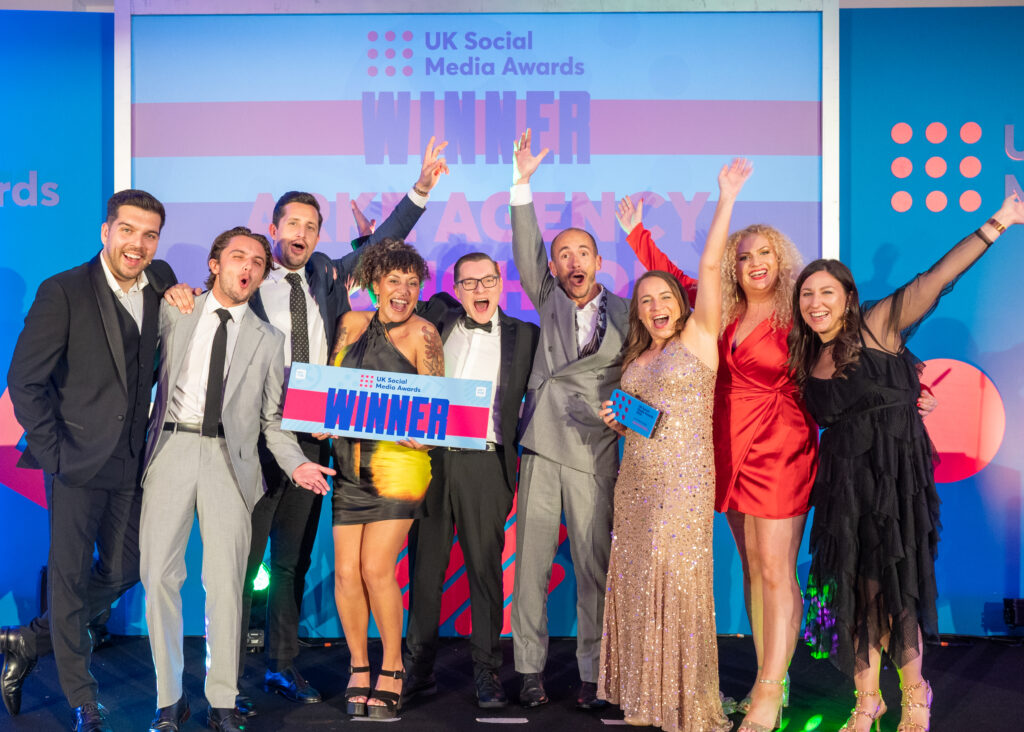
Having previously won ‘Best Use of Search – Third Sector/Not for Profit’ at the UK Search Awards 2021, this new accolade officially makes us a multi-award-winning agency.
The award-winning campaign was a passion project for us, and we had never before worked with such a limited budget and exceeded the expected outcomes of the campaign. Overall, the social media campaign generated 58 businesses to commit to increasing their wage bill – at the height of a pandemic, positively impacting an estimated 272 salaries and exceeding the client’s expectations.
We couldn’t be more proud to win this award with such a fantastic campaign and client!
Arke Agency Founder and Managing Director, Steph Noble said: “Wow, what an amazing accolade to win for our team! And, it means so much more that we were able to achieve these results for a campaign that means so much to us, alongside our wonderful client Brighton Chamber.”
“To us, this really shows the positive impact social media advertising can have and with the correct placement and optimising, you can achieve mind-blowing results. It means more to me than I can say to see our young agency become a multi-award-winning team – a recognition they more than deserve. Go, Arkenauts!”
Check the full list of winners. For more information about the campaign, take a look at the case study with Brighton Chamber.
Is your business struggling to find the perfect marketing strategy that assures business is booming? Looking to spend minimal but keep engagement up? High-impact marketing could make all the difference; want to know how?
Today, we’re diving into how high-impact strategies can maximise your marketing efforts whilst keeping costs down, ultimately improving your ROI and brand’s bottom-line.
So, let’s start off with…
What is high-impact marketing?
High-impact marketing is any tactic or method that will have significant, positive effects on your brand’s net income.
Let’s say you write a really informative blog about your services which grabs the attention of thousands of potential customers, resulting in a 10% increase in leads and a 15% increase in website traffic. Jackpot! You’ve successfully found yourself a high-impact marketing strategy.
Notably, this means you can achieve your goals through high-impact marketing without splashing the cash; your methods just have to grab the audience’s attention and lead them through the buyer’s journey effectively.
As the cost-of-living continues to rise, it’s essential that your brand keeps budget considerations a priority, especially if you plan to run multiple campaigns or have a range of goals. High-impact marketing is a great way to avoid big-spend but still deliver creative and persuasive advertising.

Types of high-impact marketing
What types of high-impact marketing could you use?
Your high-impact marketing methods will differ depending on your area of business and the goals your brand wants to achieve. However, it’s a course of action that all businesses should consider.
Let’s say you want to increase awareness for a product your brand offers. A high-impact strategy could be a Youtube series showing off why your product is unique. An in-house, low-budget series will save you money on production whilst driving continued awareness of your brand on a platform rich in SEO opportunities.
On the flip side, high-impact marketing doesn’t have to relate to a specific product; it can be a purely PR-related objective. Perhaps the goal is to increase positive reception regarding your brand online. All you’ll business will need is a LinkedIn profile and a schedule for when posts regarding your brand’s values and positive efforts are released.
These examples show how expansive high-impact marketing can be and how little it can affect your finances. However, with a range of avenues, you’ll need to consider a few things before putting your methods into action…

Effective high-impact marketing
What should I do to make sure I’m using high-impact marketing effectively?
We’ve come up with a few recommendations that make sure you’re making an impact whilst keeping methods intact.
1. Make your goals SMART
Before even coming up with a campaign, make sure your goals are precise and detailed. Saying you’d like to increase online sales is great, but its vagueness could lead your high-impact campaign to splinter and lose focus.
How do you avoid this? Make your goals SMART! Your objectives should always be Specific in what you want to achieve, Measurable in terms of outcome, something you know your brand can Achieve, and ultimately Realistic and doable in a Timely manner.
SMART goals will help your team understand what needs doing, how to do it and when it needs completing in a quick, easy-to-understand objective.
2. Know your audience
It’s all well and good to have objectives set out, but unless you know where your audience is online, it won’t have that spice that gets specific results.
Conducting audience analysis and understanding who they are, what pain points they have, and the platforms they use online to converse with each other is an absolute must if you want to know how to market your product online. It will only make your SMART goals smarter!
3. Retain your current customers
Did you know it can cost 5 to 25 times more to acquire a new customer than retain an existing one?
If you’re objective is to acquire new customers, that’s great, but you also need to consider maintaining and building upon the relationships you have established with your returning audience.
So, a possible SMART goal could be to attract new audiences through a referral programme which offers your existing customers a discount for one week. Once again, this is an effective way to market whilst keeping costs low.
4. Social media is key to keeping costs down
If you’re looking for a crazily cheap way to engage audiences, look no further than social media.
73% of marketers believe their social media marketing has been successful for their businesses. Each platform offers its own audience your brand can target, whether it’s B2B relationships on LinkedIn or unlocking the potential of Gen Z engagement on TikTok.
Organic social posts are a fantastic money-saver that can easily be monitored and optimised through apps like Hootsuite. We’d recommend split-testing your posts to see where you’re getting the most engagement and then cater for those platforms.
For all the latest updates to social media platforms, check out our monthly social blog series covering the latest updates and trends that will keep you in the social loop.
Plenty of methods to pick from!
Whilst high-impact marketing is definitely something your business should consider – there are plenty of other avenues to consider when you want to increase ROI and audience engagement.
From SEO and creative approaches to your brand’s TOV and values – we’ll be back very soon covering a barrel’s worth of methods you could implement – so be sure to keep your eyes posted on our socials.
Until next time, if you’d like more personalised recommendations on how to use high-impact marketing across your online strategies or would like us to conduct research into your social media posting – get in touch with our marketing team now.
Keep your brand up-to-date on social media with these industry updates!
From the latest in Snapchat to Twitter and TikTok, you’ll find out how to use new tools to boost your brand presence and push your products or services to your audience.
Snapchat reveals its unique audience
Snapchat has revealed it has a unique audience who use the platform more frequently on a daily basis than other channels and sometimes in silos.
While some brands underestimate Snapchat, thinking of it as a platform used solely by teenagers taking selfies, the latest Snapchat update has shed light that the platform serves a unique purpose among 16-24-year-olds: communication.
We live in an interconnected world, and social media is no different. Most social media users engage with 6 platforms regularly. However, Snapchatters interact with platforms differently.
While daily Snapchat user engages with the app more than 20 times per day, only 58% of those Snapchatters also use TikTok daily, demonstrating an affinity for Snapchat.
So which platforms cross over with Snapchat? Studies have shown that Instagram is the most closely-aligned platform to Snapchat, with 71% of Snapchat users also using Instagram daily.
Brands looking to advertise either on Snapchat or Instagram should use this information to inform their marketing strategy and create omnichannel campaigns across both platforms for maximum brand awareness and engagement among audiences.
What’s surprising is that Snapchatters use Whatsapp and Facebook Messenger the least, suggesting that Snapchat has become a key messaging platform for this audience. For brands, this may help shape marketing strategies focusing more on direct messaging and driving brand awareness through the app.
Have you considered using Snapchat for business marketing? Or are you unsure how to use Snapchat to market your brand? We’re Snapchat partners, meaning we can offer your brand up to £5,000 matched Snapchat ad spend. That means that for every penny you spend on Snapchat advertising, we’ll match it up to the value of £5,000, so you could get £5,000 worth of ad spend to boost your brand.
Get in touch to claim your free ad spend.
Twitter announces the Twitter Pixel
What is the Twitter conversion pixel?
A pixel is a small piece of code that sits in the header of your website that helps to track site actions and, more importantly, conversions. And now Twitter’s launched a new, shiny version so you can better analyse the success of your campaigns.
Essentially, Twitter has combined two of their previous web tags – the Universal Web Tags and Single Event Tags into one to simplify the process whilst helping you measure marketing campaign effectiveness.
While the pixel is a great addition to Twitter’s tracking toolset, there’s still the question of what will happen when third-party cookies eventually fade out. Will the pixel continue to work?
The bad news? Pixels run on third-party cookies, so the pixel will likely need a reboot when cookies fade out.
The good news? Twitter’s one step ahead. They announced a second update – a Conversion API. We won’t cross your wires with the details, but the API essentially connects the dots between your Twitter page and any actions taken by users. Importantly, it will allow you to see conversion data and will bypass the need for third-party cookies and the pixel, making it future-proof.
TikTok ramps up its ecommerce integrations
Since the conception of TikTok, we’ve seen the influencer sphere blow up, and purchases are being made more than ever on the platform. In fact, 37% of users discover products on TikTok and immediately buy them. Following this shopping trend, TikTok has launched new shopping ads.
But what’s exactly new about this TikTok update?
The shopping ads aim to follow users around the platform, allowing brands to promote their products in-stream. Products will pop up on videos, offering users the chance to purchase them immediately – and on live streams.
Dubious? Don’t be. TikTok’s already trialled this on Douyin with success, with in-stream commerce being the most effective way to attract sales.
What do you need to do?
We’d recommend trialling this new integration as an extension of your current social media marketing strategy, as 56% of TikTok users say that ads on the platform lead them to discover new products and brands, helping to move consumers through the funnel.
Unsure where to start? We’ve launched successful social media campaigns for clients in a variety of sectors, so contact us to talk about your plans on TikTok, Twitter and Snapchat!
A-Level results day marks a major moment for students and universities alike. For universities, it’s a day for celebrating a wave of new students to their institution in the autumn semester. But for the students who didn’t quite make the grades they were hoping for, it can be a stressful day, so universities need to have plans in place to showcase their offerings and streamline the process to welcome even more new students to their campuses.
This year, we worked throughout the day to optimise campaigns and provide the best ROI for our partner universities on their Clearing campaigns. This meant moving budget around, altering keywords and liaising with our clients. But of course, we wouldn’t have been able to do this without understanding key student trends which shaped the day. These trends change year on year with alterations to examinations, grading, government and so on.
To keep you up to date, here’s a run-down of everything we learned as this year’s Clearing unfolded, which we used to inform our paid media campaigns on the day and will continue to inform our campaigns as Clearing progresses.
Search Trends
1. At 8.13am, UCAS Clearing search volumes began to climb
Paid media campaigns rely heavily on search terms, so staying on track of what was trending and the times of peaks and troughs was key for us.
The fact that UCAS Clearing search volumes began their upward trajectory early on was unsurprising, as students were waiting anxiously in anticipation for their results.
2. Then, UCAS search queries decreased by 28%, and Clearing search queries rose by 24% as students received their results
As expected, the focus shifted to Clearing as results were announced, and most students found out whether they had been accepted onto their firm or second-choice institutions.
From a student perspective, results day means checking their UCAS portal in the morning, then often getting straight on the phone to universities to see what their options are, bypassing the UCAS hotline and website for advice.
Student Trends
3. The results gender gap narrowed by 4.8% since 2021
We’re so pleased to see that the gender gap was narrower than it’s ever been. Health and Social Care and German were the subjects with the greatest difference in grades between genders this year, with Health and Social Care weighted more towards females and German towards males.
With more role models breaking down stereotypes of ‘male’ and ‘female’ courses, shown through university course adverts, student success stories and in the world of work, we’re hoping that this trend will continue. We can’t wait for the day when people have equal opportunities to access courses. Here’s hoping it’s soon!
4. 180% more students from disadvantaged backgrounds achieved their firm or second choice university when compared to 2019
As ambassadors of education for all, we’re so pleased that 71% of university applicants who took T-levels were accepted. This offers students more paths into Higher Education whilst helping them to navigate the job market with technical skills acquired through industry placements.
5. 36% of A-Level entries received A and A* grades this year
While top grades were down, this year saw 19% more students accepted into university than in 2019, showing an increase in enrolments. However, with some courses (like medicine and dentistry) capping their numbers, students were still vying for places.
UCAS reported that, while 425,830 students had been accepted into university or college this year, 20,360 students had not.
6. Computer Science was the fastest-growing degree program, with 7% more students placed in computing degree programs this year than last year
Just through results day alone, 24,900 people are due to start courses in computing in September. We’re predicting that this number will rise until the end of Clearing on October 18th, as those who didn’t decide on results day make the final call on their courses.
What has all of this information taught us?
For universities, this will impact the way prospects are targeted for certain courses, opening up targeting pools to more people from different backgrounds, postcodes and education history. For us, it means creating new marketing strategies to effectively nurture those who haven’t decided on their course choice.
Looking for more insights to inform your final Clearing push? Keep an eye out for our deep dive report – coming soon!
Want to talk to us about your Clearing strategy? Get in touch today.
roduct placement is a tried and tested approach in advertising – but can it reach its maximum potential within the gaming industry?
The next-gen gaming world is growing by the second; there are many avenues to venture through. Whether mobile, AAA or the influencer side of the medium, you can utilise plenty of approaches that could level up audience engagement for your products.
Let’s explore why gaming has become a key marketing tool for brands.
What can gaming offer your brand?
With annual revenues of £164bn, gaming is without a doubt the biggest entertainment industry worldwide, and brands have taken notice. Duolingo, for example, has added language-focused questions to Jackbox Games to encourage new ways for people to pick up and play.
But the potential of gaming isn’t just in what people are playing, but who’s playing them. Once labelled a stereotype of Mountain Dew, Dorrito-infused men, gaming has a much more diverse audience.
Female audiences now represent 45% of the gaming market, which brands are beginning to engage. Recently, Tampax partnered with Gen.G and launched its own tournament series.
So, with the gaming market becoming an optimal environment to market through, can you get your ads into the games themselves? More importantly, is that a good idea?
Can you place your products in games?
Branded placement within entertainment is nothing new; it’s a great way for products to mix in with the medium. If done right.
Take Stranger Things as a prime example; the show is chock-full of brands, from Coke to Jif peanut butter. Though some audience members have criticised the over-abundance of products within the show, the number of eyes on those products can’t be denied.
And the same goes for gaming – product placement was a consistent marketing strategy before controllers became wireless!
Look at the Tony Hawk Pro Skater franchise; the amount of branded partners within the series is insane, from shoe brands and energy drinks to real skate-branded companies.
This is a perfect example of product placement in gaming and highlights a key lesson every marketer should consider. If your brand wants good engagement within the medium, it needs to be relevant to the content.
But gaming has come a long way from plug-in and play. There’s an entirely new digital world out there that brands are keen to engage with…
What’s new to in-game advertising?
The Metaverse is designed to interconnect people across the internet; leading technologies such as 3D reconstruction and virtual reality are changing how gamers interact with one another – and of course, brands.
As new worlds are built for audiences to explore, so do new billboards to advertise on – quite literally, in some cases.
But, as more marketing opportunities arise, so do the considerations your brand needs to take before getting meta with it.
What you need to know
The perfect format for your brand
You can implement in-game adverts in many forms – it’s best practice to consider which will work best for your product. Are you seeking awareness and recognition from audiences? If so, cosmetic content such as clothes an avatar can wear could be a snazzy ad type to consider.
Don’t P-Off your audience
Like any audience brands target, it’s essential you respect the culture. We’ve seen brands attempt to “understand” gaming culture before – with the reception being almost as bad as the 1993 Mario Bros. Movie.
As previously mentioned, the gaming audience is diverse and splinters into niche communities. Make sure you know exactly who you’re targeting and where – people immersed in a horror-themed Meta-world probably aren’t interested in relaxing bath bomb ads…
Keep it creative
Gaming is a high-engagement activity; audiences are likely to give their full attention to what they’re playing.
So, the content you create within or around these worlds must be as engaging as the game itself. Your ads don’t need to break away from what players are doing – like pop-up ads – they can integrate into the game’s activities.
You could build your product 100ft tall in Minecraft and show it off through your organic social, or share the love of style around your brand’s Animal Crossing island. The potential to be creative with your campaigning is unlimited in gaming.
Ready for level 2?
We’ve only scraped the surface of in-app gaming campaigns today; there’s a whole world to explore. Check out our marketing for mobile gaming deep-dive too, and level up your strategies on the latest trending apps.
Until next time, if you’d like help building a strategy for your next gaming campaign or want expert recommendations on what format your next ad should be – contact our advertising team now.
Roll up, roll up! It’s our sweet selection of the best ads and campaigns out there right now.
We asked our Arkenauts to deep-dive into their favourites from the last few weeks, and they certainly found the cream of the crop!
No time like the present! Let’s get some inspiration for your creative campaigning and explore why these ads tick for our team.
KFC – La Massacre
Is there anything better than pizza and fried chicken? Yes, pizza and fried chicken smushed together!
If the adventures of the Hawkins crew in Stranger Things and the insane rise in Kate Bush mania have taught us anything recently – nostalgia hits big with audiences.
In 2022, we’ve been nostalgic for electronic synths, mullets, mavericks, and, who can forget, over-the-top gore. We also know this collection in its general definition – the 80s. And KFC wants in on the action.
To promote the limited-run item Pollizza, a pizza that swaps out the classic dough for a fried chicken base (yes, you read that right), KFC partnered with PS21 and created the 80s B-movie-inspired short film – La Massacre.
The short features your classic cabin in the woods ensemble of teenagers in grave-y danger; only this time, the killer is a pizza gone rotten. The film relishes the cheesy and saucy-gory style of 80s horror, paying homage to classics like The Evil Dead and Gremlins.
OOH, Horror-styled posters were also designed to promote the film in Madrid, pre-premiere.
NYSU, the director of La Massacre, states:
“We were always clear that we didn’t want to make a parody of the genre, nor make fun of it, but to make an incredible piece that respected the codes and rules of the B series. That’s why the most complicated thing was to escape from the ‘vice’ of advertising, where perfection is sought in every shot.”
That’s some practical advice for all you creatives eager to nostalgia-fy your campaigns. It’s all in respect and presentation. Your campaign doesn’t need high-production values to engage audiences; it needs emotional connection.
The results will speak for themselves. The film has attained over 100,000 views, with a social media reach of 13 million and 1.3 million interactions.
On a bigger scale, Top Gun Maverick is another fantastic example of respecting the source material and winning audiences over. We’re looking forward to a revival in 90s advertising – we want Tamagotchi’s back in the spotlight.
ManyPets – Pet Insurance
Who’s my best friend? You are! Yes, you are!
Since the lockdown, pet ownership in the UK grew immensely, with 27% of adults now owning a dog and 24% having cats.
We’re biased. We see cute animals; we’ll buy whatever you want. ManyPets launched a campaign all dog & cat lovers will bark over.
The simple yet striking ad highlights the well-being benefits animals can have on your lifestyle, placing pure cuteness at the forefront of the campaign.
However, it’s not just the aww-some imagery that connects with audiences; it’s also the direct copy. “90% of people say their pets help them feel calm. “Insure your happiness” highlights why pet ownership can help with mental health, with a CTA that assures your pets are living their best life too.
Created by Uncommon Creative Studios, co-founder Lucy Jameson states:
“We wanted to remind people that they have to insure their pets to ensure their happiness. Plus, this was one more weapon in my war of attrition trying to persuade my husband to let us have a dog….”
The key takeaway here? Simplicity sells, and everything has to work together. You don’t need extravagant copy. In fact, only 20% of people will read beyond the headline – so make sure you pack a punch with your word choice.
But you can’t leave your copy on its lonesome – 94% of content with good imagery receive more views than text-only marketing. A zoomed-in picture of a puppy can make all the difference to your campaign…and your hearts.
The Lost Class
Creative disruption at its boldest and finest.
1.4 billion impressions. 66% increase in background conversations. 12 Pencils received at the 2022 D&AD awards. But, most importantly, reminding the entire world why things need to change…
The Lost Class is a haunting, game-changing campaign. In honour of the 3,044 high school students tragically taken too early from shootings across the US, Leo Burnett Chicago held a graduation ceremony for the students.
The imagery alone packs an emotional punch, visually emphasising the gravity of the situation. However, the wide variety of creative assets and marketing mediums The Lost Class utilised makes its stance on gun control loud, dominant and disruptively engaging across all platforms.
It wasn’t enough for LBC and their client, Change the Ref, to hold an empty ceremony. Two well-known gun advocates then, unknowingly, gave the commencement address to the rows upon rows of empty chairs. In an instant, these men became anti-gun spokesmen.
Since the lunch of the campaign, the petition to pass universal background checks for gun sales has 120,201 signatures.
The boldness of the campaign worked wonders in both ad engagement and deeper discussions regarding gun control. But it does come with its warning for agencies and brands wanting to tackle charged topics.
Guerilla marketing is always a risky investment. There’s a lot to consider – from ethics and well-being to assuring your message comes across clearly to your audience. However, when done right, it can be one of the most effective ways to advertise.
Always look for unconventional ways to market your brand or product. If you’d like thorough insights and recommendations into creative campaigning – contact our creative team now.
Struggling to stay up-to-date on social media? It’s a whirlwind out there, but we’re here to bring you the latest social media news. So look no further – here are the updates you need to know!
Let’s kick off with the number one platform, TikTok. You’re spoilt for choice this week as there are two updates – lucky you!
TikTok becomes the new news
TikTok’s influence is on the rise, from influencing other platforms (we’ll get onto that in a minute) to swaying the way we engage with daily news worldwide discussions.
Have you ever turned to TikTok for a recommendation of a lunch restaurant? We’re all guilty of it.
We trust people on TikTok, especially when there’s a viral trend to try. We’re talking everything from pesto eggs to TikTok feta pasta and Lizzo’s ‘Nature’s Cereal’. There’s no point denying it – we know you’ve tried and tested them too.
But now, TikTok is becoming one of the top sources of news for young people. 40% of Gen Z teenagers are tuning in to TikTok and Instagram to actively search for products, places and brands – it’s safe to say TikTok has become a major source of discovery.
How should brands respond to this change in consumer behaviour?
- Be present – keep your social channels up to date to improve your discoverability
- Tailor your content strategy to reflect what your audience is searching for. Show off your products, collaborate with influencers and create a hashtag so you can go viral
- Always produce native content that matches the platform you’re posting on
Onto the second TikTok update!
TikTok becomes more accessible
Earlier this year, we saw Snapchat integrate a fingerspelling lens into its AR repertoire to increase accessibility for deaf and hard-of-hearing audiences. And now, TikTok’s levelling up its on-screen captions with auto-captions and introducing easy translation, which works with descriptions, stickers and captions.
What does this mean for brands?
We predict that this will facilitate trends to reach more audiences globally. Imagine a dance challenge that people on the other side of the world can also boogie to. Even better, imagine the reach of your products or services, easily translated to prospective customers worldwide.
With this update, you won’t need to speak Spanish or hire a translator to target ads to your ideal audience in Mexico, Chile or Peru.
Freeze right there, Facebook! We’re seeing more copycat tactics from Meta. The source of inspiration? TikTok, of course.
Freeze right there, Facebook! We’re seeing more copycat tactics from Meta. The source of inspiration? TikTok, of course.
Facebook’s user interface is getting a facelift eerily similar to TikTok. Soon, Facebook will focus on video and recommended content, which will form the basis of the home tab. Deja vu, we think.
Facebook will also feature a highlights tab called ‘feeds’, showing recent posts from connections to maintain some form of the old Facebook we all know and love… okay, maybe not love. Tolerate?
What does this mean for Facebook? It’s trying to be an entertainment-first app rather than a social network. We predict less messaging but more sharing and engagement.
Not sure how to tailor your Facebook strategy (paid or organic) to reach your audience? Talk to our advertising experts today for advice.
Twitter is also tapping into its collaboration potential, with co-tweeting now a possibility via the CoTweet feature. This will facilitate new brand partnership opportunities, particularly with influencers. It looks like brands will be in cahoots more than ever. Maybe?
Twitter is notorious for misinformation, partly due to the limited control over what gets posted on the network and the sheer amount of people contributing to the platform. This poses the question: Is CoTweet a good idea?
For brands who want to use CoTweet responsibly to boost their brand awareness, we like the idea of CoTweet and would suggest using it as a tool to get brand ambassadors on board.
While Twitter can be a nesting ground for misinformation, people trust that real people are behind the platform. By involving co-creators, or CoTweeters, you can give even more voice to your brand and use Twitter to positively influence the reach of your brand.
Our advice? We suggest using Twitter as a tool to shout about your brand values, gain consumer insights and connect with your audience. Don’t let the musk of the platform get to your head. Too soon?
Now you’re up-to-speed with the latest social media updates – it’s time to test out these new features.
We’ll be back soon with even more updates on the media we call social. Until then, need help setting up your social media ads amid a new and changing social landscape? Our experts are just that – experts in the field. Get in touch to discuss your advertising goals, and we’ll give you the tools to get you there!
BeReal is the latest social app to surge and skyrocket throughout the year. But can your brand hitch a ride on its wave of popularity?
Let’s look into BeReal’s unique edge in the social media space and the possible potential it has for brands looking into new ways to engage.
What is BeReal?
Founded in 2020 by Alexis Barreyat, a former GoPro employee, BeReal shows you “Your Friends for Real”. As the app’s description explains, “every day at a different time, everyone is notified simultaneously to capture and share a Photo in 2 Minutes.”
How does BeReal work?
BeReal is entirely photo-focused, with users getting notified when their friends post a pic. What time does BeReal send a notification? There’s no knowing as it changes day to day! No filters, hashtags or likes. The catch is – you can only view their message by sending one back. The app creates a snappy (haha) swiftness for users that feels… well, real.
Unlike other social media apps, BeReal feels authentic. This is likely due to the restriction of having to actually add people as friends (remember that?) and reply in a certain amount of time.
So, how big is BeReal right now? Is it something brands should be keeping an eye on as it grows?
Business is Booming
Who exactly is using BeReal? Can it rival TikTok? According to Apptopia, since January, daily downloads for BeReal have reportedly increased by a whopping 315%.
App analysts, Sensor Tower also reported that the total worldwide download number for the app is now 4 million.
But the sweet stat you should be interested in is the number of daily active users, which has reached 2.93 million and continues to increase. If you think about it, that’s 2.93 million people who will directly engage with content within only 2 minutes.
But hold your horse, buckeroo! BeReal has a few hurdles to consider before your brand goes headfirst into potential trouble. Let’s look at the ups and downs of the app as of right now.
Too good to BeTrue?
We’ve seen apps grow quickly and then disappear from the trending tabs. Remember Vero? How about Peach? Feels like yesterday we were reporting on the potential of Clubhouse. Type these words into Google News – tumbleweeds intensify.
The point is, it may be too early to tell what BeReal’s staying-power will be. It’s still early days; holding off on the latest trend could mean avoiding wasted time and budget on campaigns that likely won’t get any attention.
Don’t worry – we’ll keep you posted on everything BeReal-worthy on our socials; so you know whether it’s an investment worth making.
Do I know you?
BeReal’s close-knitted community is also its strongest barrier for ads trying to break in.
People have to accept friend requests on the app, hence the authentic vibe the app has attained. We won’t lie; seeing faceless brands “BeReal” and sending us random pictures doesn’t sound super appealing.
Perhaps, the key is to find your dedicated audience and keep content natural to the platform. It works exactly the same on other unique social sites, such as TikTok.
Though it might be tricky picking up an audience on BeReal, it’s not impossible. Let’s look at how brands can get authentic with their audiences.
A Can-Do Attitude
The popular Mexican grill, Chipotle took to BeReal and found its footing on the app perfectly.
By adding Chipotle’s account, audiences could get hold of an exclusive deal – a limited reusable promo code that the first 100 consumers could use to score a free entrée through their restaurants and takeaway services.
By adding Chipotle’s account, audiences could get hold of an exclusive deal – a limited reusable promo code that the first 100 consumers could use to score a free entrée through their restaurants and takeaway services.
The campaign is one of the first marketing moves on BeReal, proving its success as a potential ad avenue. Though we’d suggest not splashing the cash on ads for the platform, it’s a great low-fi way to engage with audiences you know are loyal to your brand.
However, if you’re going to take to BeReal, we’d recommend promoting the heck out of your profile on your other social media sites, so any offers or campaigns you show off don’t go unnoticed.
We’re excited to see where BeReal WillBe in the upcoming months – the potential for unique and distinct campaigning is huge!
It will also be interesting to see if paid media makes its way onto the app. Would ads keep to the organic style BeReal is going for? Or will it be the cause of #BinReal.
So, wondering how to get started on BeReal? Our advertising and marketing experts are on the cusp of the latest tips and tricks in getting brands seen – Get in touch now to discuss how we can supercharge your social campaigning.
The entertainment sector is ever-changing and it can be hard to keep up with the latest developments, especially as we emerge from the other side of the Covid-19 crisis.
With a wave of VOD (Video On Demand) platforms washing over us during lockdowns, and cinemas closed, you might be left wondering what the latest is now that we’re on the other side and cinema doors are flung wide open yet again.
Marketing should never be an afterthought, especially after all the effort you’ve put in to make a show-stopping movie.
Ready to reach your blockbuster potential? It’s showtime and our film and entertainment report has now debuted so you can get your hands on industry insights from our marketing, advertising and movie experts. Plus, it’s totally free to download.
What’s inside?
1. From cinema to VOD and back again
At present, 60% of UK audiences aged 50-64 are paying for streaming subscriptions. Relationships with PVOD and streaming subscriptions have changed over time, so you need to prepare for the future.
Food for thought:
- Are people willing to pay extra to avoid the future of ads on streaming sites?
- Is VOD a competitor to cinema, or an additional revenue stream to market your movie?
2. Creative trends
- 86% of global internet users are gamers – what are they engaging with in games that you can capitalise on?
- We discuss marketing tactics, from guerilla marketing campaigns to live game streaming
3. The metaverse
- 78% of people say that a digital film viewing sounds appealing. How can you prepare for the future of movie consumption and satisfy changing consumer behaviours?
- 63% of people are interested in attending a digital concert in the metaverse. Have you considered digital film festivals and how you can get your movie in front of people and their avatars?
4. Advertising trends
- 43% of cinema-goers have said that they watched a film they typically wouldn’t see because everyone was talking about it.
- Influencers are talking about movies and co-creating content about what they’ve watched all the time on social media. In fact, 50 million people consider themselves ‘content creators’. What platforms will generate the best ROAS (Return on Ad Spend) for you?

Looking for further support? We’ve marketed movies for film houses and film-makers numerous times, including Be The Fox, Modern Films, Curzon and Soho Theatre – and now we’re here to support you.
Let’s make your movie a blockbuster together – get in touch now.
The media’s been packed full of political topics in recent weeks, from the overturning of Roe v Wade to Boris Johnson’s booting from office.
And right behind the news, ready to take aim and satire, are brands who want to get involved in the discussions. But is that wise?
This is nothing new; many brands use their stance on specific issues to increase awareness of the topic and reactively, their brand. We’ve seen campaigns surrounding equality, the Black Lives Matter movement and even jabs at Brexit.
However, if executed poorly, campaigns can receive negative or critical backlash, potentially painting the brand in a bad light.
This leads us to ask the question should brands show their sentiments on political and sensitive topics?

So, why do brands do this?
If there’s a risk of attracting backlash, what is the purpose?
When brands show their opinion on prevalent political topics, it’s not to lose customers.
The hope is that it will get people talking, attracting new customers to their brand whilst raising awareness around a particular topic.
But wait one moment!
But before we get political, a brand needs to consider a few things:
-
- Does your campaign align with the morals of your brand and consumers? No one wants to buy from a brand that says one thing but does another. Make sure you’re doing what you say. There’s bound to be an audience who will likely disagree with your campaign, but you must stay true to your brand values. We’ve written a whole blog on the importance of staying true to your brand values amid external changes.
-
- What are you doing to support your campaign? It’s essential to do something that supports what you’re talking about – it can’t be empty words. For example, you could donate to the cause you’re raising awareness for. It’s also important to be transparent about what you’re doing; it will help show your buyers that you genuinely care.
-
- What are we doing at Arke? We’re showing our support for going green with our regular beach cleans, which you’ll find over on our social media. This is our way of supporting an initiative and putting the cause at the heart of our culture.
What to avoid
Is the purpose of your campaign clear? There are a lot of whoopsie examples of brands who’ve not made their campaign crystal clear.
All that does is cause backlash even when the morals are in the right place. Most of the time…
Is anyone else getting PTSD flashbacks to that Pepsi campaign? In 2017, they ran a campaign called Live for now, which involved Kendall Jenner handing a Pepsi to a police officer during a protest and solving racism forever. Nice work, Pepsi!
In seriousness, audiences accused the advert of trivialising the Black Lives Matter movement and police brutality. The campaign received so much backlash at the time, and when it resurfaced during the Black Lives Matter movement protests of 2020, Pepsi officially removed the video from platforms. Both Pepsi and Kendall apologised for the campaign.
The lesson here is that putting your product (and potentially a Kardashian) at the forefront of a campaign isn’t always the best move. The message itself should always be in the spotlight, not you or an influencer.

Also, maybe try avoiding this too.
As we mentioned earlier, a campaign’s tone and clearness are of the utmost importance.
In 2018, Brewdog ran an equality campaign around gender pay equality and sexist advertising. The solution? They made a pink beer bottle!
The intention was to run a sarcastic, witty campaign but was viewed instead as patronising and tone-deaf by many. With Brewdog’s products displayed in shops with no context, it makes sense why people were quick to bite back at the ad.
The context for the ad was on their Twitter and website, explaining it was sarcasm. If your campaign needs additional context elsewhere to support your claims – chances are you’ve missed the mark.
Although their campaign had great morals supporting equality for women, it could have been approached in a better way so that their purpose was crystal clear.
Instead, maybe try this?
Patagonia has shown their political stance on numerous occasions. Recently, they announced several statements about the overturning of Roe v Wade.
Patagonia announced it’ll cover the bail for all employees arrested while peacefully protesting the Supreme Court’s decision.
The brand shared locations of protests in the US on its Instagram, saying, “Patagonia supports the dignity of choice. From Georgia to California, reproductive rights are in our court now.”
There were many comments of support mixed in with the inevitable backlash from people who didn’t share the same opinion. But the campaign did attain traction.
57% of consumers will buy or boycott a brand because of its position on an issue. This shows that although brands may lose some buyers from running political campaigns, they will also attract customers who support their campaigns and share similar values.
Or take notes from this!
Ben and Jerry’s ice cream is very vocal about its beliefs and morals as a brand. They have shown their support for issues ranging from LGBTQ+ rights, climate change and Black Lives Matter.
Ben and Jerry’s believe “that business has a responsibility and a unique opportunity to be a powerful lever of change in the world.”
“We use our position to influence change”. Ben and Jerry’s Five Flavours On a Mission campaign name tasty treats after these movements, creating direct awareness for consumers about issues while keeping to its brand identity.
Key takeaways
TL;DR: The message itself should always be in the spotlight, not you.
Though there is uncertainty about whether brands should show their opinions on sensitive and political topics, brands can make a supportive impact through careful campaigning.
Just be wary before running a political campaign – you could lose customers that disagree with your stance. But you’ll gain followers who believe in what you’re also fighting for.
But more importantly, people need support, and if brands can share the spotlight, it’s a win-win for everyone.
Need help showing your support in an ethical and responsible way? Our marketing and advertising team can help, having worked with numerous brands on their campaigns. Get in touch today to speak to us.
What a corker it’s been this summer… And no, we’re not talking about the weather; we’re talking about the heatwave of good news that just keeps on washing over us!
What’s better than the sun shining down than a grand total of six award entries making the shortlist? We’re a small agency with a big heart, striving to achieve our big ambitions with our equally ambitious clients. So, what have we been shortlisted for this time?
We entered the European Paid Media Awards for two categories; Local Campaign of the Year and Small Paid Media Agency of the Year, and…
We have been shortlisted for both!
Our work with Brighton Chamber was shortlisted for the category of Local Campaign of the Year due to the highly impactful Living Wage campaign that led to over 58 businesses taking the pledge to increase their wage bill, positively impacting an estimated 272 salaries in Brighton and Hove. We’re so proud to have been a part of this initiative that impacts our local community in such a positive way.
And it doesn’t end there – our team as a whole has also been recognised for the category of Small Paid Media Agency of the Year. We’re real, curious and bold and the strength of our team to deliver results really shone through to the judges. We’ve been producing some out-of-this-world results for our clients this year and we’re so pleased that our team’s hard work has been recognised in these awards.

Founder & Managing Director Steph Noble commented:
Our team of passionate Arkenauts is what makes us unique. I’m so incredibly proud of the work we’ve put in to grow our creativity, push the boundaries of media and provide a truly refreshing service to the industry. But importantly, I’m also so proud of how we work as one whole team. We know what we are aiming for, we go for it, and support each other to get there. We’ve come so far in five years and I can’t wait to see what the next five hold!
The winner for each category will be announced at the 2022 European Paid Media Awards at their online award ceremony. And we cannot wait!
Did you miss our UK Social Media Awards shortlist announcement? Want to get your brand and your campaigns recognised by the industry? Speak to our team today.
As ever in the digital world, things move quickly. If you’re still in the ways of Facebook advertising and haven’t branched out much since then, it’s time to reassess your strategy.
So, let’s get you up to speed with the latest advertising news. We’re talking Instagram, Pinterest and… Deliveroo?!
Here’s how to advertise your brand on platforms that you probably haven’t explored but you should seriously consider.
- Deliveroo
The news has dropped that Deliveroo is expanding its advertising capabilities. They’re introducing Deliveroo Media and Ecommerce – the new advertising platform set to launch in the UK and expand further afield.
We’re all guilty of staring at that little motorcycle making its way to us on the Deliveroo map, hoping that our extra cheesy pizza, cheeky Nandos or oh-so-aesthetic acaí bowl make their way to us miraculously quick. And Deliveroo plans on capitalising on that time we spend staring at that tracking screen.

Deliveroo’s new advertising efforts are aimed primarily at the FMCG sector. However, with 8 million people flocking to the app for food deliveries, most of which order weekly, potential audience engagement can offer something new and sweet for brands looking to build awareness. With this in mind, we’re confident that we’ll see the options open to other sectors in the future.
But kudos where kudos is due, Deliveroo aims to keep its brand values during this expansion and provide people with a ‘food-first experience’, attempting to be mindful of not taking away (excuse the pun) from the customer experience. But, we still think it won’t be long until it expands to the wider advertising industry – not just FMCG related – so watch this space and keep on consuming pizza.
How much do you really know about Pinterest? Have you ever considered it a profitable advertising placement to build your brand?
Without a doubt, social media is heading in a visual-first direction. Just look at the popularity of Snapchat, TikTok and Instagram. Pinterest is no different. Almost 1 billion videos are watched on Pinterest every single day.
Plus, with the number of content creators booming and collaborations and idea-sharing being ever more facilitated by the internet, Pinterest is growing. It now has 431 million monthly active users, but it’s one platform few brands are taking advantage of.

And it doesn’t look like Pinterest is going anywhere soon. In fact, it’s just launched Pin Ads in South America – so you can reach more people with your sponsored ads in more countries.
But who are Pinterest’s ‘Pinners’?
Pinners, or Pinterest users, are keen shoppers, discoverers and, of course, part of the creative community, just like on TikTok. And 75% of Pinterest users say they’re always shopping. Pinterest has been improving its features for advertisers, such as implementing augmented reality which it claims results in a 5x higher aptitude for purchasing products.
What does it mean for brands?
With 7 in 10 Pinners saying that Pinterest is where they go to find new products, ideas or services they can trust, Pinterest can help your brand build credibility. Plus, as it’s an under-used platform when it comes to advertising, the potential is huge. In fact, between 2021 and 2022, Pinterest ads reached 226 million people. If you’re not on the platform already, how about giving Pinterest a whirl to cut through the advertising noise of TikTok or Instagram.
We recommend testing Pinterest advertising with a small budget to show you how profitable the platform can be. If you’re unsure where to get started, get in touch with our paid advertising experts.
And speaking of a digital transformation, Instagram is ramping up its efforts to copy TikTok once again! They’re trialling making Reels the primary feature and ditching videos, meaning that all videos would be uploaded as Reels.

This also ramps up the content that Instagram will see, as Reels differ from normal videos in that they can be remixed into new Reels and be enhanced with music and effects. That means content can springboard off other content, increasing reach.
What do brands need to know?
This update will lead the influencer sphere to open up even more and become more accessible. It should also increase the reach of brands. For example, with the Remix feature, the reach of your (or your brand ambassador’s) posts can increase as people can collaborate on content. Plus, Reels are more discoverable than videos, in turn making your brand more discoverable too.
So if you’re not already using Reels ads as part of your advertising strategy, make sure to trial them out in Ads Manager now.
Unsure how to advertise on Instagram? Our paid media experts have run Instagram ads for numerous clients, so we’ll show you the way.
- Product placement
If you haven’t had Running Up That Hill by Kate Bush stuck in your head for the past month, where’ve you been – the upside down?
Stranger things volume 4 has just been released, and fans have begun to notice a lot of product placement. When you look back through the series, it becomes clear it’s been a feature all along.
Entertainment, TV, film and gaming have always influenced pop culture, but now brands are becoming ever more integrated into the entertainment sphere, consciously or subconsciously influencing viewers’ decisions. Put simply, they’re ads that you can’t skip – they’re part of the viewing experience, and viewers are clearly influenced by them.
Running Up That Hill topped the charts for the first time since its release almost four decades ago, highlighting the power of entertainment to bring visibility to brands, artists, you name it!
Want some advice on your advertising strategy? Our advertising experts can guide you through the paces – simply get in touch with us today.
Someone’s settling in well!
We’re absolutely chuffed to announce that we’re beginning a new client relationship with luxury student accommodation provider Big Student House!
As Big Student House expands its rental portfolio across the UK, we’re super excited to be part of their journey, supporting the transformation of their marketing strategy along the way.
As ambassadors of education, we love how the brand puts students at the heart of everything they do, helping them secure accommodation as easily and stress-free as possible, offering no deposit and no guarantor options.
We’ll be working alongside Big Student House to increase applications to their accommodation, optimising their website and implementing an advertising strategy to boost awareness of their offerings.
Manager of The Big Student House, Zoe Masterson commented on the partnership, stating: “Working with Arke Agency was the ideal next step for us as we grow into a national accommodation provider. Arke are one step ahead; they’re always suggesting ways we can take our brand to the next level while being honest with us about what’s achievable. I also love the fact that Arke are at the end of the phone to reassure me every step of the way.”
Arke’s Head of Development, Sam Massink, said:
“We’re delighted to work alongside a brand whose values align with our own. Big Student House takes care of their customers and employees, paying above the living wage while offering a unique customer service experience. Working closely with Big Student House to bounce ideas back and forth is exciting as we reshape their digital shopfront and help them reach even more students with an innovative results-driven approach to advertising. They’re going to LOVE it.’
And we’re confident you’re going to love it too. We can’t wait for you to see the outcome for Big Student House, so keep your eyes peeled for updates!
Why is ethical branding important?
Ethical branding is a crucial aspect you need to consider throughout your marketing.
However, this can cover a wide area, such as offering transparency to customers regarding where a brand’s products come from and the conditions they’re made in.
A big plus for ethical branding is that it’s great for corporate social responsibility (CSR), showing customers that the brand they’re buying from truly cares. And with that comes rewards for you! People are more likely to buy from brands that demonstrate genuine care – you can learn all about that in our product sustainability blog.
So what principles should you prioritise to certify your brand as ethically on-point?
What makes a brand ethical?
Ethical branding is all about transparency. Who, where, and how you make your products, assuring they’re causing no harm to anyone throughout the process is essential.
A brand that displays this to its customers is taking ethical branding seriously. Okay, it’s all well and good to say that, but we want to go the extra mile today, breaking ethical branding down and looking at what you can do specifically.
Ready to take some notes?
1. Creating a mission statement and setting out your values
No one wants to support a brand whose morals are sketchy and vague – having crystal clear morals is the springboard to ethical success.
Let’s look at good old Meta, for example, who hasn’t made the most morally sound decisions in marketing.
In 2019, accusations against Meta flooded in after the company allowed advertisers to discriminate against people seeking housing by limiting who could see specific ads using race-and-religion-based targeting methods.
Since 2019, Meta has made changes for the better – better late than never…
In a statement, Meta announced – “we will remove Detailed Targeting options that relate to topics people may perceive as sensitive, such as options referencing causes, organizations, or public figures that relate to health, race or ethnicity, political affiliation, religion, or sexual orientation.”
Although Meta has had pretty poor morals in the past, they appear to be turning it around. However, the damage is arguably already done; Meta tends to be the butt of the joke when discussing ethics.
The key takeaway here is to be upfront about your methods. If you think your marketing tactics aren’t socially acceptable, they’re probably not.
Furthermore, be upfront about how you conduct business. As we mentioned, transparency is key here – your audience has a right to know how you gather audience research and advertise to them.
2. Don’t just say it, do it!
Brands must cause no harm to people, animals or the planet. You can’t exactly be an ethical brand if you don’t pay your workers a living wage or are releasing harmful chemicals into the environment.
When it comes to this guideline, it may seem like a simple task. However, many companies fail to achieve this side of ethical branding.
An example of a brand with good ethics written all over it is a Brighton-based clothing brand called Lucy and Yak. The brand’s morals are great; creating eco-friendly comfy clothes for customers whilst also supporting the planet and its people. When it comes to ethical branding, they have it down to a T.
Lucy and Yak have an entire page dedicated to their employees who make their clothes, with a photo and description for each member. They put a face behind their clothing. They care for their workers, paying four times the state minimum.
Additionally, they have several commitments where they contribute to society – such as commitments toward anti-racism and donating money to help pay for girls in India to go to school.
This brand is a perfect example of how ethical brands should be. If you’re looking to make branding more ethical, take notes. They have all the guideline boxes ticked – it’s time more brands did the same!
3. Make a difference
Contributing to society is a big part of being an ethically responsible brand. A brand that has this ethical guideline covered is Clipper teas.
On the website, Clippers teas say, “Creating opportunities and providing a bright future for the children of the tea workers is of utmost importance to the communities of Welbeck, Dunsandle and United Nilgiri.” Clipper teas are fairtrade, which means that the company cares about its worker’s rights, ensuring safe working conditions and fairer pay.
Clipper’s workers have access to affordable healthcare, and their children have education and employment opportunities. The children are offered bursaries funded by both the company and the Fairtrade premium – this helps pay for higher education courses.
Clipper teas contribute to society in many ways, improving the lives of their workers and their families. This shows they’re not just interested in making a great product; but also keen to better the lives of their workers.
Your brand can contribute to society through various unique tactics. By spotlighting community news across social media or supporting your hard-working team through company perks, you’re helping to make a real change.
Key Takeaways
For starters, don’t be like Meta. It’s a perfect example of what not to do if you want to avoid being an unethical brand. That’s all the shade we’ll throw its way for now.
The overall mindset to be ethical is pretty straightforward:
- Don’t have bad and unclear morals
- Don’t cause harm to any living things or the environment
- Try to give back to society
Being ethical is fantastic for everybody all around – it improves your brand’s chances of attracting more customers whilst also helping improve society and the environment – It’s a win-win for everyone!
If you want help making your brand more ethical or want further insights into how you can make your marketing more transparent – contact us and talk to our team.
We’re celebrating after being shortlisted for four categories in the prestigious UK social media awards!
UK Social Media Awards
Launched in 2017, we specialise in marketing, with a strong focus on transparency, and have since amassed a number of clients around the UK from industries including higher education, film and entertainment, government, financial services and more.
On the back of recent successes, such as record client wins and expanding into new offices, we’re proud to have been shortlisted in the Best Use of TikTok, Best Low Budget Campaign and Best Use of Research & Evaluation categories at the UK Social Media Awards 2022, alongside our Head of Paid Media, announced as a finalist in the Mark Hanson Rising Star Award.
Founder & Managing Director Steph Noble commented: “We’ve come such a long way in our mere five years, and I couldn’t be more proud of the Arke team.
“Since the start of this year, we’ve experienced a huge growth period alongside mind-blowing results for our clients, leading us to welcome new team members and moving into our new central Brighton offices. And being recognised for these fantastic awards really is the icing on the cake.”
“I also couldn’t be more pleased for Ben, who embodies our company values and has consistently gone above and beyond for our clients and the Arke team. He couldn’t deserve this recognition any more.”
On being shortlisted in the Rising Star category, Ben Halliday said: “I was blown away and truly honoured to learn that I’d been shortlisted for this year’s Mark Hanson award, among such brilliant industry talent.”
“I’m so grateful to Arke for nominating me (on the very edge of 30!), but also for believing in my potential, supporting my growth from day one, and frankly being the best agency I’ve worked for in my career to date.”
“A huge & heartfelt thank-you to all involved.”
The winner for each category will be announced at the 2022 UK Social Media Awards, taking place on Thursday, 8 September, at the Montcalm Marble Arch, London.
See the full 2022 awards shortlist here. Find out more on Arke Agency’s website, or for an interview with Steph Noble or Ben Halliday, email marketing@arkeagency.com
Pride 2022 is in full swing, bringing communities together through boogie-filled and affectionate events. However, whilst there’s certainly fun to be had, it’s also important to point out the absolute no-no’s from a marketing perspective – such as rainbow washing.
Today, we’re talking to all you advertisers who want to get educated and understand why rainbow washing is something you should absolutely avoid doing through your marketing efforts. Let’s get to it!
What is Rainbow Washing?
Rainbow washing is when businesses present themselves as allies for the LGBTQIA+ community through weak or empty gestures. Want an example?
Have you been on social media recently? Are you scrolling through LinkedIn right now? You’ve probably noticed some companies’ logos have changed in the last few weeks to something more rainbowy. Even stranger, these logos seem to turn back to their classic colours when Pride comes to a close.
Of course, we’re not calling out all companies here, but many think changing brand imagery to Pride colours is enough to proudly state – “look at us, we’re an ally!”.
Rainbow washing can be easy to fall into. Exploiting team members for content, pushing products through rainbow-filled imagery or marching in parades for your own publicity are just a few of the actions considered harmful.
And when you do, the reaction from users can be brand-damaging, but more importantly, it misrepresents and takes away from Pride’s importance and its communities. Let’s look at this in greater detail.
Why does rainbow washing matter?
The LGBTQIA+ community has a gigantic stock in marketing. According to LGBT Capital, the global annual spending power of the pink pound across the communities is a whopping $1.4 trillion – yes, trillion!
But with that comes caution in how you advertise or support these communities. Of course, you can’t please everyone – take M&S’ LGBT Sandwich, for example. But you can account for intention, value and respect.
Unsurprisingly, people within the LGBTQIA+ community like to be represented and supported with consideration. Slapping a rainbow on your brand or overemphasising someone’s identity in your ad to be “inclusive” damages what Pride is continuously working against.
It’s even worse when you realise the financial gain from these watered-down actions is filling the fat pockets of large, uncaring corporations.
So, what can marketers do to ensure they’re contributing to genuine change?
Pride – The full 365
It’s fantastic that the LGBTQIA+ community get a month to celebrate in all its glory. However, once the party (and potential hangover) is gone – support must carry on.
Support takes many forms; it can be the tiniest detail. Respecting people’s pronouns across social media and conversations creates fluid normality for identities. This means a great deal to audiences consistently interacting with your brand.
Innocent drinks are a brilliant example of how brands can use a tone of voice to be respectfully inclusive. The company’s LinkedIn post highlights how the brand now attaches pronouns on Teams, email signatures and social media profiles.
Innocent also invited speakers from the LGBTQIA+ community to share their experiences; so everyone across the business has a chance to hear what life is like for others. That’s how you do it!
Call out crappy content! Highlighting brands doing it wrong within Pride is one thing. Being there for them throughout the year shows you honestly care about better expressions for the communities within advertising.
Make your platform a pedestal. Do you have a large audience or influential presence online? Share the spotlight and highlight the creative work from LGBTQIA+ brands similar to your work – or things you think need preaching!
Rich Ferraro, chief communications officer at GLAAD, states – “If a brand doesn’t have a 365-day-a-year plan for LGBTQ inclusion, they really need to prioritise that over prioritising a one-off Pride campaign.”
Measured Success
So you made your socks for the month rainbow coloured. Well done. Now, what are you going to do? As mentioned earlier, empty gestures won’t help. You have to have a clear objective and outcome for community-supportive branding.
Whether it’s in Pride or a personal campaign throughout the year, ask yourself – “why are we creating this campaign?” Are you supporting a specific cause or charity? Is the product targeted at a niche audience?
These questions will lay the foundations for what social and creative assets need making. But make it unique – don’t dye your product’s colours just because; create a campaign that resonates with the audience.
Check out D&AD’s award-winning LGBTQ+ campaigns celebrating diversity for some snazzy inspiration.
Owning Up
Sometimes, you can get it wrong. It may not be intentional, but slip-ups can happen. What’s necessary is taking responsibility and addressing the situation.
Campaigns are reactionary, and changing with the times keeps you ahead of the game. Engaging with LGBTQIA+ communities and understanding why a campaign doesn’t vibe well with them shows dedication to improvement.
Evaluate your values. If your ideologies are transparent, your mistakes are easier to identify. It also shows that even if you make mistakes, your goals are to improve and learn from them – everyone likes improvement.
If you’d like to know more about supporting the Pride community throughout the month (and across the year) – check out our other blog here.
In exciting news, we’ve recently partnered with Bishop Burton College and their Riseholme College campus, and we couldn’t be more delighted. We’ll be working with them to supercharge their paid media activity – boosting their ads to thousands of prospective students!
New client alert
We’re crazy passionate about education and we never stop learning – in fact, part of our brand values is to ‘Be Curious’. Our team has worked with over 100 institutions in the UK and we also live and breathe our values by taking part in schemes like Kickstart and work placements for students. Plus, we love empowering our clients with training workshops – take a look at one here.
So when the opportunity arose to support Bishop Burton College, an institution that specialises in technical education, to enrol even more students in Further Education and Higher Education, we jumped at the chance!
Our award-winning approach to attribution of marketing to ROI has led to this blossoming relationship. We’ll be running paid media campaigns to nurture prospective students through the funnel to make Bishop Burton the leading college for new technical qualifications in the UK. We’ll be implementing an 8 step approach which we’ve tested across different sectors to deliver on their objectives – we can’t wait for you to see the results!
Kirstie Cawley, Bishop Burton’s Director of Marketing commented on the partnership, saying “At Bishop Burton, we’re passionate about supporting the next generation with our range of specialist, technical courses. With Arke’s support, we are so excited to be able to promote our programmes even further.”
“With Arke’s vast experience and results-driven approach, we know that they are the perfect partner for the job and we can’t wait to see the results.”
Our Head of Development, Sam Massink, said, “it’s fantastic to be working with such a forward-thinking college, with so much on offer to students. We look forward to working closely with the Bishop Burton team going forward and to produce some great results for them.”
We’ve already started work on Bishop Burton’s campaigns, so make sure to check in on our LinkedIn for all our latest news and updates.
Mallorca, Mexico or Montenegro? Wherever you or your audience loves visiting, you can now use people’s vacay preferences to inform your targeting strategy. Introducing Snapchat’s latest feature: Dynamic Travel Ads. Ready for your ads to take off? It’s time to jet-set to success. Here’s everything you need to know:
What are dynamic ads?
Dynamic ads are flexible banners that change their content based on the user they’re being served to. This means you make your ads even more personalised to your audience, increasing the likelihood of conversion.
Who can benefit from dynamic ads?
Travel agencies, retailers, auto dealerships, hotel chains or food delivery companies can all benefit from serving dynamic ads. If that’s you, or you simply want to learn more about the update, keep on reading!
What does it do, exactly?
The new update will help you advertise your business better on Snapchat by allowing you to retarget users who have been to your site before, advertising based on their hotel preferences, destinations and flight routes. You can also:
Reach audiences who haven’t interacted with your brand before. With high-tech machine learning, sit back and let Snapchat serve ads to users based on travel interests and the popularity of listings and destinations
Drive bookings with locally-relevant retargeting. With the update, you can deliver the best, most-relevant travel ads for audiences. For example, you’ll gather a better understanding of where your customers are keen on travelling, then serve ads relating to the best villa, hostel or hotel for their travel style
How does it do this?
There’s visitor data on 49 million places in the Snap Map, enabling Snapchat to collate that data and serve advanced, locally-relevant adverts to holiday makers and keen jet setters.
Dynamic Ads utilise Snap’s pixel tracking to match user behaviours and Snapchat’s internal data and activity tracking. Basically, it improves tracking and, best of all, it does it all for you!
Why should you consider using Dynamic Travel Ads?
- Studies show that Snapchatters are more likely to travel than users of other platforms, making Snapchat the perfect placement to generate high ROI for your brand
- 76% of Snapchatters are planning on travelling to their much loved pre-pandemic holiday spots – offering a lot of retargeting information. With dynamic ads, you can encourage them to use your services over your competitors
- Gen Z and millennial Snapchatters are 37% more likely to book travel after being served a travel ad. With Dynamic Travel Ads, you can make it even easier to convince them that they need a holiday this year. After all, who doesn’t?
Are there any other cool new features?
Yes – Snapchat didn’t stop at Dynamic Travel Ads; they’ve made it even better by introducing a ‘Location Aware’ catalogue that further personalises ads. This feature allows you to add information about latitude and longitude to tailor your message or offer to wherever your audience is in the world. Now that’s relevancy at its best.
Does it work?
Absolutely – when using Dynamic Travel Ads in beta testing, Etihad Airways reduced their cost per flight search by 4 times and saw a 307% increase in ROAS compared to the results of their other ad campaigns. Want to do the same?
What do you need to do?
Remember that Snapchat is a unique platform, and your dynamic ads need to reflect the format and style of Snapchat ads. Always be creative in your approach!
If you’re not already advertising on Snapchat, try it out. Put a little budget into split-testing your campaigns and see the results for yourself!
Talk to us about what you want to achieve – we’ll get you set up and shoot your Snapchat ads into the skies (literally and figuratively).
Have you stopped to consider whether your current marketing strategy is the best it can be to target your prospective student audience, or could it do with a refresh?
Here’s how you can align your Clearing campaigns to your students and make your ads stand out among the other institutions vying for their attention.
It’s generally good practice to have a range of channels in your media mix, but also knowing which channels your core audience is on is a one-way ticket to recruitment success.
Did you know, 47% of TikTok users are 10-29 years old. In fact, 25% of users are between 10 and 19 years old, meaning your prospective undergraduate students are on the platform! Let’s delve into what you can be doing to engage them!
Steps to success
1. Make use of retargeting options
With 92% of TikTok users saying that they take action after watching a TikTok (whether that’s liking, commenting, sharing, following) and 25% of Gen Z claiming they research a product after watching TikTok, the platform is built for awareness and engagement.
The average TikTok user opens the app 8 times a day, highlighting all the retargeting opportunities available. Imagine someone considering going to university sees your advert, then they open the app again and are exposed to your brand again. Repeat that a few times, and it’s brand awareness at its finest.
2. Increase your media mix
Users want to see brands engaging organically, showing that they ‘get’ the platform. By pairing your paid media with organic content, you can boost awareness of your brand by a whopping 173%!
So that means spending time creating engaging organic content is just as important as putting the time into your paid ads. Remember, brand awareness isn’t a one-time thing; students need to be exposed to your brand multiple times to build up that recall.
3. Combine ad formats
With so many ad formats to choose from and new ones cropping up all the time – it can be daunting to try out a new one. However, utilising these new formats will reduce ad fatigue and ensure your users are always seeing something new and different.
Why not try hashtag ads, in-feed ads or branded lenses – all native ad types to the platform! And speaking of being native…
4. Take a native approach
Being native to the platform means your ads look and feel like the other content on there. This can include video style to getting involved in challenges or dances. You want your ads to feel like they belong on the platform.
Instead of having your ads stick out like a sore thumb, what if your new campus or course advert felt natural among the other content on the discover page? Native ads will avoid being skipped by prospective students and get more eyes on your website.
5. Get started now
TikTok and Snapchat are expected to be the two most-used platforms among Gen Z in 2025, making them the two channels you should be experimenting with most. Coming up with a winning formula takes time, so by starting now, you’ll be able to build up a good idea of what works and what doesn’t.
Our Arkenauts have worked with over 120 institutions on various student recruitment campaigns, and we’ve already developed a tried-and-tested winning formula. At the same time, we’re not afraid to try out-of-the-box techniques. Just take a look at some of our recent campaigns.
The clock is ticking down to Clearing 2022, so if you want to work with our award-winning team and take your Clearing campaign to the next level – don’t hang about! Get in touch.
That sweet scent of partnership is breezing through the office right now.
New client alert
Arke is proud to announce our partnership with Shay & Blue, the fragrance company putting the natural and the individual at the forefront of their aromas. With a rooted affection for diverse and distinct fragrances, Shay & Blue intertwine inclusivity with eco-friendliness, creating scents aimed at everyone.
Our results-driven approach has led to this blossoming relationship. We’ll be devoting our time to nurturing, enriching and sustaining Shay & Blue’s zestful personality and transparent values of community.
Commenting on the partnership, Paul Lumley, Managing Director at Shay & Blue, said: “We couldn’t think of a better partnership to support us in taking Shay & Blue to the next level. Arke Agency appealed to us on every level, from their refreshing approach to transparency, and a strong focus on driving results, Arke’s core values and mission aligned with our own.”
“It is important to us that we work with companies that embody our core beliefs, and with Arke, we can trust that the juicy, clean and kind message stays at the heart of our brand. We look forward to working closely with the Arke team and seeing the results in action!”
“We’re thrilled to be working alongside a team whose passions and projects embody our own desires to springboard diversity and environmentally-charged changes in advertising. The grapevine of creative potential has our team eager to shape a narrative that explores the unspoken connection between ourselves and the world around us.”
Steph Noble, Founder at Arke
We can’t wait to show you what we have in store for Shay & Blue’s upcoming campaigns and products, so be sure to check in on our LinkedIn for all our latest news and updates.
Is distribution often an afterthought? Here’s how to advertise your latest movie or campaign with cinema marketing – getting bums back on seats. But first, why cinema?
With a forever expanding amount of VOD platforms and the return of box office behemoths in the cinema – opportunities in film marketing have never been so diverse.
But when more avenues open up, so do the careful considerations of marketers. Where’s the best spot for you to promote your work? Are cinemas back in full swing? And are they the perfect platform for your audience?
Today, we’re guiding you through in-person Cinema marketing. But why stop there? We’re making an offer you hopefully can’t refuse – spotlighting what we can do for your campaigns and films!
Grab your buttered-up popcorn and get comfy; our feature presentation is about to start!
Back to the big screen?
After a long time in a galaxy I call my isolation station (bedroom), the days of venturing back to the cinema are finally upon us.
Though the cinema never completely disappeared, the pandemic’s impact on cinema revenue was gigantic.
According to The Motion Picture Association’s annual THEME report, theatrical revenue went from a whopping $42.3 billion in 2019 to $12 billion in 2020. But now, we’re starting to see bums on seats once again!
Thanks to successes such as ‘Spiderman: No Way Home’ and the long-awaited sequel, ‘Top Gun: Maverick”, we’re seeing a healthy age range of audiences cruise back into the lobbies. This means there are plenty of target audiences your ads can shine in front of once more.

We’ll fly with you!
So, what’s our take on the return of cinema, and how can we help make sure your film marketing flies smoothly?
The big issue right now is that top dog film distributors are seeking the spotlight. With cinemas feeling safe again, big brands want the theatre revenue they once had before.
So, independent films (and the campaigns that run along with them) struggle to break back onto the big screens. But that doesn’t mean it’s a mission impossible – we’re ready to take on the challenge.
Our advice? Support those indie venues! If your films or campaigns can’t reach the mainstream theatres, engage with specific events or venues that cater to film enthusiasts looking for something not so Marvel-ly. If you don’t know where to start, get in touch.
That’s where we swoop in!
Our work with the central London venue, Soho Theatre, shows our spirited efforts in driving event goers to book and return to in-person shows.
Following the COVID restrictions easing up, Arke’s task was to continue driving sales in an always-on capacity, developing awareness and reach among Soho Theatre’s target audiences.
These efforts would increase ticket sales for a new season of in-person live shows, maximise ROAS and increase conversion rates over time.
Delivering a full-funnel campaign across Facebook, Instagram and Google Search, we promoted Soho’s exceptional brand alongside its various events and services.
And the results sweetly speak for themselves:
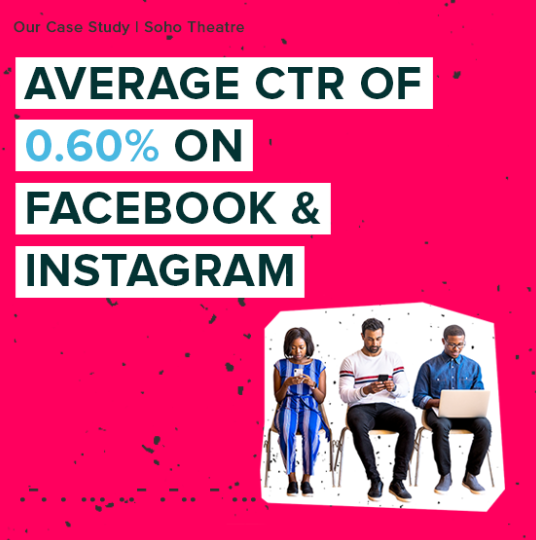
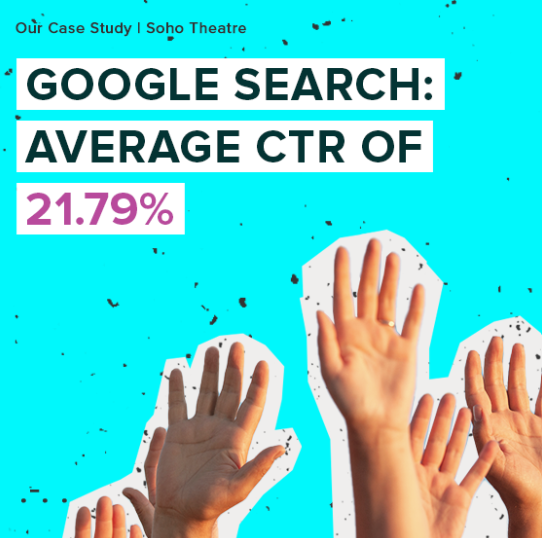
If you’d like to dive deeper into our work with Soho Theatre, be sure to check out our case study covering all the little details.
We’d be delighted to help spotlight your films or campaigns on the slightly smaller, bigger screens. Whether it’s through paid media, social strategies or distinct creative, we want your work to be the first thing people see as the curtains open!

The show will go on!
Though it’s still early days, cinema is steadily getting back into the groove of things. However, with the rise of VOD and PVOD, there are plenty of other options to explore and experiment with.
If that’s something that sparks your interest, we’ll be covering all things streamy next week, with even more insights into our own campaigns to promote your fab films and ads.
If you’d like help supercharging a paid media campaign for your film or entertainment business or want advice on which audiences to target with your ads – contact our paid media team now.
Sustainability is all about meeting our present needs without compromising the needs of future generations. Not only is this imperative regarding our lovely blue planet, it’s essential if you want your brand to be respected and rejoiced by audiences.
Today, we’re highlighting why it’s now more important than ever to be environmentally considerate with your branding, products and values. Time to go green or go home!
So, what actually is sustainability?
In a nutshell, sustainability means reducing natural resources to maintain ecological balance. For all you marketers and creatives, that means minimising your use of non-reusable materials that can cause damage to the earth.
The importance of sustainability has gained more traction over recent years. The climate crisis has spurred people into action to look after our world.
Eco-friendly advertising doesn’t just reinforce these changes; it also shows your brand is willing to change with the times.
Consumers can relate to companies that care about the planet, so they are more likely to buy from brands that take action to protect the environment. In fact, 60% of consumers rate sustainability as a key factor that influences their purchasing decisions.
So, where’s a good place to start? Packaging! A major player when it comes to problems in advertising – so what can you do to make sure plastic is a thing of the past?
Plastic pollution – what’s the problem?
Pretty much everything comes wrapped in plastic. An immense concern concerning sustainability, plastic pollution has many negative impacts on the environment, such as killing wildlife and making its way into food chains through micro-plastics.
Plastic pollution is becoming a huge conversation for audiences, with most people wanting to buy from brands committed to being as sustainable as possible.
Single-use plastic packaging isn’t biodegradable, usually ending up in harmful piles of WALL-E looking landfills. From landfills, plastic can make its way into the ocean, ending up being eaten by sea life – which shouldn’t be on their dinner menu.
This is harmful to not only the animals in the sea, but it could potentially mean that we may ingest microplastics into our bodies by consuming fish. Yes, it’s that bad!
Over half of the world’s single-use plastic waste is produced by just twenty companies. That may sound bad, but if these brands can change their ways and reduce the amount of single-use plastic used, we can reduce plastic pollution by up to half of the amount currently produced.
If your brand is keen to create campaigns for OOH or physical products – here are some tips and tricks to make sure what you make keeps things leafy.
Putting the eco in advertising
In The 2021 Buying Green Report, surveys showed that “57% of consumers are less likely to buy products with packaging that is harmful to the environment”.
It’s in your best interest to package products in sustainable materials. It’s great for the environment and a grand way to engage with more customers. Here are some examples of how to eco your advertising:
- Recycled packaging
From glass and card to metal and paper. It may sound obvious, but making sure your packaging products in reusable material will decrease your brand’s carbon footprint.
- Corrugated Cardboard
The most common material used for packaging is corrugated cardboard. Whenever a delivery from Amazon appears, or you need a box for the big move day, it’s corrugated cardboard.
The great thing about corrugated cardboard is that it’s eco-friendly and extremely durable. It’s a win-win for marketers wanting to ship safely to customers.
- Plant-based compostables
Plant-based packaging is made in part or entirely out of organic matter. For example, sugar cane or corn starch are biodegradable, naturally dissolving over time.
There’s still a lot of work needed to perfect plant-based packaging, but we’d recommend keeping it on the radar – especially if you’re marketing for food-lovers.
Follow in the right footsteps.
There are plenty of brands embracing sustainable packaging with their arms out wide.
Pela is a fantastic brand that positively displays its passion for sustainability. Plastic phone cases contribute massive amounts of waste, resulting in those dreaded landfills filling up.
Pela eliminates this problem by selling a phone case that will break down when disposed of. Their packaging comes from 100% recycled and recyclable paper.
A core value for Pela’s is that “Products should go back to the earth in a natural cycle”. On Instagram, they have 555k followers, proving people have a positive reaction toward Pela due to their commitment to helping the planet.
Your brand values are the first things to consider; you want audiences aware of how you’re willing to make a change. What’s more important is you then act upon these values!
But try to avoid this…
Coca-cola is a brand that produces 2.9 million tonnes of plastic per year. The brand recently ran a campaign to increase the recycling efforts of its products. Coca-cola aims to make all of its packaging 100% recyclable by 2025 and 50% recycled material in packaging by 2030.
Good, right? Well… There have been quite a few negative reactions to the campaign. On Youtube, a viewer commented:
“Recycling ads (like this) are corporations’ way of blaming plastic waste on their customers who don’t “recycle”. Maybe corporations should be held accountable for releasing tons of plastic into the world in the first place?”
Only about 9% of all plastic ever made has likely been recycled. Perhaps recycling is no longer sustainable? Brands should be moving away from packaging that can be recycled and towards compostable packaging.
It’s crucial that when you preach for change, you follow the correct steps in making it a reality. Make sure your values and campaigns follow the CMA’s Green Claims Code and don’t end up greenwashed!
Key Takeaways:
- Eco-friendly advertising isn’t just a fantastic way to improve our world; it shows that your brand can help lead the conversations for change.
- There’s a garden centre’s worth of reusable materials out there for you to get creating with. From corrugated cardboard to plant-based compostables, it’s time to look into new ways to package your products.
- Keep to your claims! Advocating for change is one thing; following through is the essential part. Make sure your values, stats and creative truthfully reflect the content you’re creating.
The grass will get greener!
Eco-friendly produce doesn’t mean creativity has to be as bland as the cardboard straight out of the box. In fact, it provides you with the opportunity to think outside that box.
There’s a ticking clock for brands to change – you can’t put it off forever. And with audiences responding negatively to brands avoiding the problem, why take the risk?
If you’d like advice on how to advertise in an eco-friendlier world or want to supercharge your creative campaigns so they’re as green as can be – contact our creative team now.
TikTok has launched its all-new interactive marketing tool – TikTok Insights. So, what can it do for your brand and the amazing TikTok ads you’re making?
With a sweet selection of filters and features at hand, Insights is an absolute must for marketers wanting to spice up their strategies. Let’s see how!
What is TikTok Insights?
TikTok Insights is a new feature that allows marketers to filter, categorise and analyse specific data taken from TikTok and understand what’s working well with audiences.
If you have a thirst to filter down, Insights offer a range of categories marketers can specify in their search. For example, you can monitor specific audiences, such as Gen Z and millennials, or even geographical locations.
Take this, for example. TikTok Insights gathers tons of data to show marketers how engaging your content could be if you cater to these behaviours or emotions.
TikTok Insights works similarly to Meta’s Insights to Go, another analysis tool highlighting key data points on Facebook. So a quick glimpse over there could make all the difference.
Whether you’re looking at specific industries or looking for some show-off stats for your presentation, Insights is the place to be if you want to understand how audiences are engaging with content.
Which boxes do TikTok Insights Tick(Tok)?
Your social media strategies will differ depending on the platform you’re using. What works for Instagram may flop on TikTok, so it’s good to know what and who your ads are for before jumping in.
By using Insights, you can inform, plan, and guide your strategies, so they align with already engaging content on the platform. That’s what we call native advertising!
Additionally, Insights gives you a perspective on what’s currently trending. Which TikTok influencers are carrying the conversation? Which hashtags could your brand engage with right now?
If your marketing goal is to engage with trending topics and build up your brand’s online identity, knowing what already works will make the pre-production of campaigns a breeze.
It’s not ticking perfectly yet…
However, TikTok Insights has only just launched, so we’re bound to see a few cracks and crinkles with its analysis.
As of now, the database for insights isn’t exactly expansive, with many data points popping up in different categories. It’s not super specific, but it’s also very early days.
We’d recommend using Insights to the best of its capabilities whilst also utilising other social listening and monitoring tactics until Insights reaches peak performance.
Why should you use TikTok Insights?
There’s no doubt about how humungous TikTok is. According to a recent report conducted by App Annie, TikTok is projected to exceed 1.5 Billion users in 2022.
With TikTok Insights, that number becomes less daunting with the ability to break down and analyse what’s working for specific communities. So, if you’re unsure of the right social media strategy for your content – Insights is the best place to start.
But remember! Don’t put all your eggs in one insightful basket; be sure to gather sufficient research and make informed decisions.
We have a blog all about supercharging your business for TikTok in 2022 – click here to read right now!
We’ll update you on all things TikTok on our LinkedIn. Until then, if you’d like further insights as to why TikTok is the perfect ad space or want advice on creating solid social media campaigns – contact our team now.
Inclusivity across marketing is crucially needed. As the world of advertising increases, so does the need to make sure people are heard and represented properly.
Not just regarding the content you create but also for those behind the scenes doing the creating. But where do we start when trying to make a change? How can you improve your corporate social responsibility (CSR)?
Today, we’re giving you our top tactics that make sure your brand is doing all it can to include and engage everyone.
Put inclusivity inside the office
Before you even begin thinking about the content that needs creating, think about the creators behind the branding.
Did you know that in the US in 2021, 78.7% of those working in the advertisement industry were white? If the goal is to get your campaign feeling authentic, you’ll need more authenticity throughout the process.
It’s essential that you can hear a variety of voices within a company. If not, campaigns tackling societal topics can become misrepresentative or feel disingenuous.
If you aim to reflect the audience’s inclusive ideologies, you need a rich background of individuals contributing to the project. There are plenty of people waiting to have their moment in the spotlight!
Try not to follow in the footsteps of Channel 4, whose recent privatisation efforts have led to fears of unheard voices continuing to go undiscovered. For further insights into that, check out this blog.
As Warren Moss, CEO of Demograpia, states, “In order to reach and resonate with those diverse audiences, you need a diverse output. And that’s impossible if you don’t diversify the creative and strategic team that comes up with the campaign in the first place.”
Get bettering at networking
Perhaps problems with inclusivity come from a lack of interaction with diverse and unconnected communities.
Take a look at LinkedIn or the networking sites you use to interact with other marketers or brands. Do your contacts share similar qualities? Expanding your network and engaging with unfamiliar cultures can broaden your knowledge and presents your brand as un-biasedly welcoming.
Additionally, it’s also valuable to chat with the haters. Perhaps you’ve made some mistakes along the way and are seeking to improve your process. Admit to your mistakes, and work on doing better.
Try talking to people who have issues with your brand. It could potentially lead to insights you were unaware of, or even better, committing to changes and re-nurturing those users.
Be Exclusively Inclusive
Lastly, let’s look at the content itself. Inclusive advertising is challenging because it’s hard (almost impossible) to include everyone. And this problem is more significant when you consider that a core element of advertisement is selling something “exclusive” to your brand.
Of course, there are practical ways to improve this, such as casting choices for your content or widening the scope of your influencer sponsorships. However, finding a message that resonates with everyone isn’t as hard as it may seem.
For example, take Burger King’s “Have it your way” or BT’s “It’s good to talk”. These values don’t cater exclusively to specific people; they’re generalised and include everyone. If your campaign doesn’t have to rely on contextual topics, why throw more flames onto the fire?
It sounds weird, but putting inclusivity on the sideline (but still maintained) can actually strengthen it.
Mike Alhadeff, a senior strategist for AMV BBDD, states, “These are ideas which have the ability to appeal to anybody, no matter their sex, creed or disability, but don’t necessarily feel the need to show a mirror up to society.”
Perhaps if you want to aim for an inclusive audience, your values should focus on ideas which resonate with humanity, not specific groups.
The Key Takeaways
- Inclusivity comes from within. It’s not enough to preach diversity and togetherness – you have to include those voices within your content. An inclusive brand emphasises and validates your genuine passion for change.
- Spread those messages far and wide. It’s essential to step out of your comfort zone when networking; you can’t keep talking to the same people. Whether it’s for feedback or potential new leads, expanding your network invites more people into your world and you into theirs.
- Don’t shout for the sake of it. Tokenism is a very serious issue and can potentially cause more harm to your brand than good. Sometimes, the best values are the uncomplicated ones everyone can appreciate.
Ready to make a change?
We’re all trying to learn and expand our marketing. Inclusivity is a gigantic topic that will only improve if we start acting upon the issues.
From the workplace to the content we create, inclusivity shouldn’t feel like an extra addition to consider – it should be naturally occurring.
This topic is extremely expansive; we still have many areas to tackle when discussing inclusivity, such as web design, accessibility and user experience (UX) – which you can read all about here.
We’ll be joining in on the conversations about inclusivity again soon, so be sure to keep an eye open on our LinkedIn page for updates!
Until then, if you’d like further insights into how inclusivity could affect your branding or want help in bettering your brand values – contact our marketing team now.
If you’re eager to get marketing in the entertainment industry, the video game sector is the perfect place to begin. Today, you don’t need a fancy system to get gaming – all you need is a phone.
With a global value of over $300 billion and an enormous audience of 2.9 billion players worldwide, game marketing is bigger than Bowser himself.
So, what tactics can you take to make your ads an A+ player in the game world? Arke has the cheat codes to success right here!
Tap to win?
If you thought mobile marketing had reached its peak, think again! One of (if not the) best ways to break into game marketing is through mobile monetisation.
Through a detailed report conducted by Meta’s gaming division – their findings showed sustained growth in audience numbers for the small screens. From 2020 to 2021, the UK saw 8.6 million new mobile gamers – a 50% increase from the previous year.
And it keeps getting bigger! By October 2021, there was a 42% increase in new gamers in the UK alone. The boost in numbers is likely due to the lovely lockdown; however, there are no signs of engagement starting to drop just yet.
At an all-time high, mobile gaming is the essential place to be targeting new customers. However, the mobile gaming environment continuously increases in content at sonic’s speed. Where and who specifically should you be targeting?
Insert Genre
If you were to go off stereotypes, there are 2 types of gamers: Mountain Dew drinking teens playing the latest Call of Duty and grannies stuck on level 10,000 in Candy Crush. However, this is far from the actual demographic.
The age distribution range (18-34 years old) of new gamers is 42% in the UK. This means the overall majority of emerging audiences remain younger than established players.
So, If you’re already using marketing best practices for younger or Gen Z audiences (such as on TikTok), the demographic isn’t so different.
However, the types of games they’re playing are changing. The hottest genre in mobile gaming right now is hyper-casual games, which tend to be easy pick-up-and-play games with straightforward mechanics.
Think Candy Crush and the ongoing hype around Wordle. For example, in Q4 of 2021, Race Master 3D gained an insane 47 million downloads worldwide. Cookie Carver: Life Challenge (a Squid Game inspired app) came in second with 46 million.
These games make waves due to their simple, quick, engaging methods – similar to how your ads need to be (we’ll get to that soon).
A great practice to take note of is researching influential and community-engaging publishers for hyper-casual gaming. If you know what a developer is working on or soon releasing, there’s a good chance your ads can appear alongside the game.
But remember, like all areas of synergy regarding marketing, make sure the brands you collaborate with are producing content that aligns with your own values. At the very least, the developers should be well-received within the gaming community.
Level-up your ads
In a world full of microtransactions and NFTs, you’d think user interaction would also shift alongside it. Think again, again!
Though in-app purchases continue to barrel-roll across mobile games, audiences aren’t keen to splash the cash on them.
In fact, 49% of new gamers prefer ad-supported content above any other monetisation method – a win-win for brands looking to make it big in the world of gaming.
So, we know who the gamers are and what they’re playing. Now, it’s time to grab a power-up and supercharge your ads to the max. But how?
Here are our top choices for mobile gaming ad formats in 2022:
Video Ads:
Due to the active nature of gaming, video ads pairing with mobile games is a match made in heaven, much like Chief and Cortana.
Demonstrating your product to users in a visually appealing way is much easier when content isn’t static. Get creative with your video ads and integrate them into a trending game people can’t stop playing.
Banner Ads:
Banner ads anchor to free space above or below the game. They can take the form of text, images or videos and can show up at the beginning, end or throughout a level.
The great thing about banner ads is that A: they’re super easy to implement, and B: they’re ads that will maximize your content’s exposure without interrupting the user’s experience.
If you’re interested in banner-based ads, Google AdMob has a “smart banners” feature that automatically adjusts banner size to adapt to different devices, making mobile optimisation easy peasy.
Playable Video Ads:
Playable ads were voted the most effective in-app ad format by agency professionals. It’s a given, but integrating playable ads into games creates an association between content and campaign.
Playable ads have a “try-before-you-buy” quality, which can lead to a lower churn rate for your product as users engaging with your content have already set expectations.
Rewarded Video Ads:
Rewarding users who interact with your campaign is a 1st class tactic to increase user engagement whilst boosting awareness of your brand.
According to Google, “rewarded ads generally have the highest eCPMs across ad formats as advertisers see increased user engagement and unprecedented performance.”
However, this approach will only succeed if your rewards are worthwhile. Research into the game you advertise on; do they have a life count? If so, why not reward users with an extra life if they watch your ad.
Level 2
What’s next in the mobile gaming world? Based on the insights from Meta, things have already started changing in terms of user interests.
With the rise of augmented reality (AR) and the Metaverse, audiences are starting to branch out and interact with more immersive content.
Additionally, ad-based subscription tiers (AVOD) within the film & entertainment sector have begun to skyrocket. Could we see these subscription tiers slot like a Tetris block into larger gaming services?
We’ve mainly covered mobile game advertising today, but there’s still a ton to cover in the gaming world – from subscriptions to innovative technologies.
We’ll keep you posted on all things gamer on our LinkedIn page. Until then, if you’d like further insights into game marketing or want to perfect your ads and optimise their placements for maximum impact – contact our marketing team now.
The cost of living has gone up, but has customer spending gone down? In this blog, we endeavour to unpick the changing consumer behaviour amid a period of economic uncertainty. Meanwhile, we will be shedding light on what this means for brands and their approach to obtaining, and retaining, customers in 2022.
Let’s start off with what’s happening.
For various reasons; from Brexit to the pandemic and the climate crisis, prices are going up. In turn, shoppers are beginning to adopt an alternate lifestyle which matches their new spending power – and for most people, that means cutting back.
This is worrying for both brands and consumers. Brands are under pressure to manage consumer expectations while continuing to meet targets and drive growth. For customers, the rising cost of living has become one of their main concerns, and startlingly, people are now more worried about their finances than Covid-19.
The effect of rising costs has already taken a toll on consumer spending, with a third of people reporting reducing their spending, according to BritainThinks. And that trend is set to continue, with an expected £12 billion plummet in non-essential purchases.
Will brands be able to stay afloat during this period and will consumers stick by their sides?

Which sectors will feel the impact?
Simply put, across sectors, most brands will feel the pinch. In particular, consumers are likely to become ‘more selective over their discretionary purchases’. To specify, food, petrol and streaming services are some of the biggest areas we expect to feel the pinch this year, alongside those luxury ‘treat yo’ self’ items.
Braze reported that 61% of consumers plan to cut takeaways this year and we’ve already seen streaming services lose out on subscribers, with a whopping 215,000 households cancelling their subscriptions in April.
Lucas Bergmans, brand marketing director at Cazoo, says ‘if inflation is here to stay, both in terms of consumer prices and media, we could see reduced consumer demand and higher prices for advertisers to reach smaller audiences.’ This causes speculation about how brands can get smart with their budget, their value proposition and their messaging to make sure profits don’t drop.
What does this mean for brands?
Who will miss out and who will take advantage of the situation?
We predict that very few sectors will breeze through the crisis without noticing the impact. While you might think that startups and SMEs would notice the impact most, brands across the spectrum (from startups to large corporations) are feeling the pinch – not just challenger brands.
Netflix’s subscriber count slowed down in Q1 of this year, taking only a 9.4% share of the new SVOD subscriptions. While this isn’t a deficit, it is a decline in growth, and it certainly has shaken up their subscriber streak.
And what about new and emerging brands?
For new and emerging brands, the crisis provides opportunity. While there’s more competition between brands than ever, we expect that community spirit and #supportlocal initatives, catalysed by the pandemic, will hold strong.
During the Covid-19 crisis, consumer mentality shifted and 53% of global consumers believed that shopping local was more important than before. If this trend continues, businesses should still be able to reach consumers in their local communities during the cost of living crisis.
The pandemic also sparked a renewed approach to business for budding entrepreneurs. New businesses cropped up left right and centre during the pandemic, with people finally finding time to sit down and launch their business idea, to people making personalised gifts on their very own Etsy shop.
In 2020 in the US alone, 4.4 million new businesses surged – a 24.3% increase from the previous year. This leaves us wondering how many start ups will take advantage of this financial situation to bring their concept to life. If that’s you – get in touch to talk about how we can support you.
And we’re not just speculating – we’re already seeing brands take on the challenge. In fact, many emerging brands have come to market with unique value propositions that aim to challenge well-established enterprises. More than 340,000 SMEs were formed in the first quarter of 2021, 32% more than in the same period in 2019. Needless to say, with challenge comes opportunity.
So, what can you, as a brand, be doing to stand out from the crowd and engage people amid the crisis?
- Focus on your values
Instead of slashing prices, skyrocketing advertising budgets or drastically changing your marketing and advertising strategy, understand why your customers love you. It’s now more vital than ever to differentiate yourself from your competitors and leave no doubt in the consumers’ minds as to which brand they stand by.
By leaning heavily on your value proposition and your CSR (corporate social responsibility), you’ll be able to re-engage your audience with what drew them to your brand in the first place.
Did they love your ethics towards sustainability, your contribution to your local community, your efforts to promote inclusivity or the quality of your products or the personalisation of your services?
Find out what makes your brand unique and then run with it. Especially when it comes to ethics and CSR, people bought into your brand for those reasons and, unless their ethical standpoints have changed, they’re likely to stick by you if you live and breathe those values.
- Consider deals and promotions
Although we advocate consistent brand values as a mitigation strategy, especially when it comes to retaining your current customers, we’re not denying that deals will interest and entice new customers.
Remember that promotions need to be sustainable. If you’re slashing prices one week and then increasing them the week after, you’ll only reap short-term benefits. How about providing a budget range for your products or services to show your support?
And if you can’t provide price cuts, how about a loyalty program that allows your customers to build up credit or win freebies?
- Nurture your current customers
While every brand endeavours to acquire new customers, don’t forget about your current customers. We predict it’ll be harder to acquire new customers in this financial tumult, so cherish your current customers and reward them for their loyalty.
If you can’t provide discounts, deals or loyalty schemes, how about free resources? Take Microsoft for example, who offered free digital training courses during the pandemic so people could emerge into a new digital-first world of work armed with the perfect skill set.
And speaking of examples, let’s outline one not to follow. OVO energy fell short when they advised their customers to hug their pets to stay warm amid rising energy bills. Yikes! It goes without saying that joking about the crisis is insensitive and will, without doubt, negatively impact the perception of your brand.
- Communicate openly with your audience
Instead of making drastic changes without reason, communicate honestly with your customers as to why, and listen to their feedback. The more data you can build up about your audiences’ sentiments, the better you can tailor your messaging and your marketing strategy to meet their needs while navigating this new environment.
And when communicating, communicate with empathy. The rising cost of living looks different to everyone. Don’t assume the situation your audience is in, but reassure them of your efforts to reduce the impact of rising costs.
What does the future hold?
Will the cost of living go down or will it continue to increase? For now, the future is uncertain. But what we do know is that brands need to stick to their values and communicate these to their audience if they want to emerge from the crisis with brand advocates by their side.
At Arke, we have three core values: be real, be curious, be bold. Our values will continue to translate into our ethos amid this rising living cost crisis. We encourage brands to implement these values into their own strategy, and here’s why:
- Be real: Don’t brush the truth under the rug – be honest about why your prices are changing and find ways to support your customers, so they continue to support you.
- Be curious: Talk to your customers and understand how they are feeling, then tailor your approach to address their concerns.
- Be bold: Don’t be afraid to take risks with your advertising strategy, despite it being a tumultuous time. Test out different ad placements and budgets.

If you’re struggling to create advertising and marketing campaigns that attract new customers and continue to engage your current client base, get in touch. We are experts in reducing ad spend while maximising impact.
Welcome back to our hero campaign series, where we ask the question – how can your ad become a classic?
When we talk about ‘hero’ campaigns, we’re referring to those ads that stand the test of time; they just never get old.
But what makes a great campaign? Is it the gorgeous design and art direction? Maybe the catchy jingle that sticks in your brain? Or maybe, it’s a simple word that hooks the audience in?
Today’s topic is language – the lingo you should be using so your ads and campaigns engage and engrain themselves into the audience’s minds in all the right ways.
So, pens at the ready! Let’s look back at how brands have used language to supercharge those ads into legendary status!
A formal request
Finding the right-fitting formality for your ad can be challenging. Do you take the safe route and address your audience politely, or do you risk it all and have fun with the informalities?
Your ad needs a personality, one rich across all aspects of a campaign. In fact, 33% of surveyed audiences say a distinct personality is what makes a brand stand out. So, how can you achieve this through language?
What does your brand seek to achieve; does it aim to inspire, educate, or entertain? Defining your brand’s personality is the first step to curating copy that works.
Well, sometimes, the best way to connect is through sheer silliness – which was the exact tactic for the now-iconic 1999 Budweiser commercial – WHASSUUUUP?
First airing on Monday Night Football (a rather smart placement), the ad encaptures the brand’s tone whilst respectfully embracing their key demographic. The informal catchphrase, though silly, feels genuine and highlights the value of spending time together with friends.
It’s rare to see one exclamatory question make such an influential wave. The catchphrase has become a pop-cultural sensation, appearing in popular media such as The Simpsons, The Office, and Scary Movie.
However, it’s even rarer for an ad to shape the way we converse with each other through our day-to-day. Whassup is not only a catchphrase; it’s now a common way in which we ask the question, “how’s it going?”
There are slogans and catchphrases everywhere you look, and it’s hard to cut through the noise unless you’ve thoroughly thought about your copy. The average consumer see’s up to 10,000 brand messages a day, which can undoubtedly lead to a lack of engagement. So how can you avoid this?
Keeping your language informal, expressive and relatable brings a human element that cuts through and gets straight to the point – like having a bevvy with boys. Don’t be afraid to let out your absurd side (if it fits your brand, of course!)
You talkin’ to me?
I’ve given up on rhetorical questioning; what’s the point, right? I’ll see myself out.
Rhetorical language is a next-level technique when it comes to engaging audiences and tempting them to purchase your products.
When you ask your customer a rhetorical question, it creates a continuous circle inside their mind, a loop that will keep going until that question finds an answer. If you play it right, that answer should be your brand!
In 1984, Wendy’s did that with its famous tagline, “Where’s the Beef?” which cleverly raises the question and immediately answers it.
Sure, the image of 3 grannies confused and screaming at customer services down the phone is funny on its own; but the tagline is what grabs the audience’s attention.
Wendy’s took the bold decision to target other fast-food companies whose beef quality was lacking in quality and size. The question digs into the audience’s brain – “hey, where IS the beef in my burger?” and the answer follows – “I guess Wendy’s has the beef!”
It sounds insanely straightforward, but sometimes a simple question can go a long way. For example, “Got Milk?” (1993) also asks a simple question, yet the campaign became another pop phenomenon whilst milk sales rose across America.
There are a couple of things to take away from this campaign. Firstly, questions don’t need to be long-winded or insanely niche. If they pack a punch or answer themselves, they’ll be an essential tool in the tagline arsenal.
Secondly, corporate research is a fantastic place for inspiration. Wendy’s tagline works because it answers the consumer’s needs at the time. A great rule for language (and campaigns in general) is catering to audience pressure points – be the voice that raises this issue, then solve it!
Verb the right way
What’s a wonderful way to persuade your audience to follow the funnel and answer those calls to action? By using words with actions, of course!
Verbs take on many forms, from linking points to helping a sentence find its structure. However, on the topic of marketing, they spice up your language and add some flavour to your slogan sachet.
I might be cheating a tad here, but it’s impossible to talk about verbs, advertising and the GOATS without referring to the vast and famous taglines that use verb-first techniques.
Take Nike’s “Just Do It”, for example – it doesn’t BS; it jolts the audience to take chances and go the extra mile (quite literally sometimes). Verbs can elicit a strong response when they’re imperatively strong themselves.
Apple’s “Think Different” campaign is another example of how verbs persuasively create a CTA. The slogan challenges the audience to step outside the box and get creative. Again, the verb’s role here is to instruct – it doesn’t ask the audience; it tells them.
Remember, you don’t have to fluff up your copy to make an impact; the boldest word can turn a weak slogan into a strong one.
It’s also important to remember gerunds. Put simply – gerunds are the “ing” at the end of a verb. Imagine these slogans with gerunds, “Just Doing It”… Sounds a bit weird, right?
However, if we look at McDonald’s “I’m Lovin’ It” slogan, the gerund adds something special to the menu. It presents Maccie’s food as continuously good; you don’t just love chicken nuggets – you love endlessly eating them (no judgement, me too).
Verbs can make or break a campaign. They can be short and striking, create a continuous CTA from the consumer, and from time to time, end up as iconic as the product itself.
To be continued…
The world of language and writing can be extremely intimidating at times, with so many rules and grammatical forms to keep up alongside.
However, the best practice is to keep writing! If a slogan isn’t working, play around with its wording. As a good starting point, we recommend reading your content (no matter the length) out loud to get a feel for the issue.
Remember, there’s a reason why pencils come with rubbers – because we need to make changes. Writing and language style are ongoing processes and takes time to perfect, but with each word comes great training.
If these amazing commercials can utilise engaging language – you can do it too! And with social media platforms such as TikTok and Instagram more relevant than ever, your sweet slogans will be trending in no time.
We’ve been very wordy today, so if you’d like a change of topic, then check out our blog on how other A+ campaigns have continued to glitter over the years. Don’t worry – we’ll be returning to the world of language in another copy-related blog soon!
There’s still a lot to cover if you want to be a writer for the ages. Keep up on our LinkedIn page for all our upcoming blogs about creative, copy and world-changing campaigns.
Until next time, if you’d like help supercharging your slogans – contact our creative team now.
Channel 4, once a public service broadcaster, is in the midst of going private. So what does this mean for independent filmmakers, actors and production companies?
Channel 4’s website clearly states its overarching social mission:
‘We aim to create change in the wider world through all of our activities: from TV, to streaming, social media and film – and our day-to-day roles at Channel 4. It’s the impact that Channel 4 has on society, on viewers, on British culture, on the creative industries and on the wider economy.’
As talks of privatisation swoop through the UK, a persuasive wave of potential buyers could change how Channel 4 operates and the content it puts out.
This news is hot off the press, and while we don’t know who will purchase the channel, nor the exact changes they will make, the story has already sparked public debate.
Let’s take a look at Channel 4’s history – and how changing hands from public to private might impact the entertainment sector in the UK.
The history of Channel 4
Set up by Margaret Thatcher in 1982, Channel 4 aimed to challenge the norm. Its remit aimed ‘to stimulate the independent production sector, drive innovation in broadcasting and to commission programmes that showcase Britain in all of its diversity and to stimulate debate.’
Ever since, Channel 4 has been an excellent public service broadcaster, providing universal, free access to quality content.
What’s made Channel 4 unique is it’s powered solely by advertising, meaning that it’s commercially funded but publicly owned. Channel 4 argues that this approach allows them to champion diversity at the heart of everything it does, with ‘universal content reflecting the interests of different communities across the UK.’
Now, the government has decided that Channel 4 will go private. UK Culture Secretary Nadine Dorries stated that public ownership impedes Channel 4’s reach and puts it at a disadvantage to streaming giants like Netflix and Amazon. However, a lot of people have concerns about the impact the change will have on the taxpayer.
The prospect of overseas companies taking over Channel 4 is likely to alter the content we see on the channel. Channel 4 currently works with 300 creative companies across the UK every year. Sharing this market worldwide will diversify Channel 4 but also lead to less visibility for those in the UK.
The future is uncertain
The announcement has stirred major disruption, as the reasoning behind the switch from public to private is seemingly money-motivated. Shocking.
Bectu, The Broadcasting, Entertainment, Communications and Theatre Union, has coined this switch ‘cultural vandalism’, highlighting fears regarding the impact on jobs, particularly for those in the creative sector.
Those with shows on Channel 4 are as equally unimpressed with the announcement.
Derry Girls actor Saoirse-Monica Jackson has expressed her fears that undiscovered talent will continue to go undiscovered with Channel 4’s privatisation. Additionally, Location, Location, Location’s Kirstie Allsopp stated: ‘profit will be king and the passion & inclusion of Channel 4 will be lost.’
So, what does Channel 4’s privatisation mean? In a nutshell, privatisation threatens their commitment to buying programmes from British TV production companies to support British citizens.
Privatisation will also allow overseas broadcasting companies to buy the channel and turn the platform into a paid-for subscription service, making it less accessible for audiences who have financial concerns.
Is privatisation an ethical move for Channel 4?
While Channel 4 was initially set up to shake up the entertainment industry, give voice to communities, provide universal, free access to shows and champion budding talent, privatisation threatens the Channel 4 ethos. Additionally, there are concerns that the channels’ core values are being altered in a bid to put profits above their social responsibility.
However, although most opinions on Channel 4 argue that privatisation isn’t the right move, some believe that privatisation is the way forward.
The culture secretary argued that ‘the tools and freedom to flourish and thrive as a public service broadcaster long into the future’. The Drum’s editor-in-chief Gordon Young agrees that the ‘Channel Four model is no longer sustainable – it lacks scale’. He also argued that a partnership with another TV company might allow Channel 4 to benefit from improved marketing, distribution and cross-promotion.
Why should Channel 4 not be privatised?
One of the key arguments for privatisation has been the scalability and its ability to compete with other streaming services. However, Channel 4 isn’t doing all that badly. In fact, user stats are up, and UK citizens love the content, so why change it?
Channel 4 claims to reach more 16-34-year-olds than any other commercial broadcaster across streaming and TV. And through Film4, the broadcaster has produced 138 Oscar nominations and 35 wins over 39 years.
And if that wasn’t successful enough, over 24 million viewers were registered to Channel 4’s streaming service All 4 in 2020, with 1 billion programme views in 2020 and growing to 1.2 billion that same year.
The jury is still out on whether privatisation will enable Channel 4 to rival the biggest streaming giants, but is it worth sacrificing their ethics for media monopoly?
CSR plays a vital role in brand advocacy. In fact, 77% of consumers are more likely to use companies committed to making the world a better place.
With CSR playing such an important piece in the brand building and customer retention puzzle, we expect many will boycott the channel for turning to privatisation to put profits above people.
The silver lining
It’s not all bad news – if you’re looking for a silver lining, then it could be this:
According to the BBC, ‘certain conditions could be written into the sale – such as that Channel 4 must still spend a certain portion of its budget with independent producers, or show a certain amount of news per day, or make a certain amount of programmes outside London.’
At Arke, we hope that Channel 4, whether private or public, will continue to make content that empowers communities and gives voice to those who need it – actors looking for their first break, uncovering taboo topics and production startups that wouldn’t get a look-in otherwise.
We champion small, UK based companies. So if you’re a production company looking to give your movie the visibility it deserves, then get in touch – we’re advertising experts.
How many of us watch traditional TV in this day and age? Or is it simply a big screen for all our streaming needs?
Connected TV, also known as smart TV, is TV that comes integrated with the internet, meaning users can use their TV as they would their tablet, laptop or mobile phone. And that includes streaming videos, like YouTube.
In this blog, we’re going to be primarily exploring YouTube’s place in connected TV and how it’s boomed since the pandemic, almost threatening to overtake traditional TV. Bye-bye Freeview, hello streaming!
Recently, YouTube launched in-app TV shows, raising the question, is time nigh for us to have one app for all of our essentials? Sure, it’s convenient, but where does that monopoly leave brands competing for a spot in the streamlight with only a small budget to play with?
Blurring the lines
How is streaming changing consumers’ behaviours and blurring the lines between media types?
YouTube’s Chief Product Officer Neal Mohan stated, ‘viewers are watching over 700 million hours of YouTube content on TV daily’ – highlighting how we’re only using our TVs as a medium to stream our favourite shows from somewhere else.
In fact, consumers are committed to this new way of video viewing. According to Forbes, 68% of view time is devoted to streamers, only 28% to traditional TV.
People are beginning to shift entirely to connected TV and cancel their pay-TV package, accelerated by the pandemic and changing behaviours amid lockdowns when watching videos was one of the few forms of entertainment available. We all got lost on YouTube at 3AM looking for random giraffe videos in lockdown, right?
But a key driver in this behaviour change has been technological developments. TVs have got smart; equipped to stream whatever consumers want – from Netflix to YouTube, Disney+, or even surf the internet. In 2021, 67% of UK households used smart TVs, up 10% from 2020 56% since 2014!
Why has the shift happened?
You could argue that younger audiences aren’t interested in traditional media – they want to watch when it suits them right there and then. And, of course, the pandemic was a catalyst for this changing behaviour.
But we’re also creatures of comfort – that means that if we can watch the shows we want, when we want to, then we sure will. And as technology shifts to accommodate these changing behaviours, connected TV will likely become the ‘new normal’ in video-viewing.
What does connected TV mean for marketers?
Better targeting
Advertising on connected TV and streaming sites blows traditional media out of the water in more ways than one. With traditional media, your ad spend is higher, given that you’re advertising to a large audience who you can target with fewer parameters.
Put simply, when people watch traditional TV, we know less about them. Whereas on social media – YouTube, for example, we can understand those users far better with tracking software like cookies or our Google Analytics dashboard. (Check out GA4 if you haven’t already.)
Through digital media, you can tailor your ads, direct them to your target audience and funnel your ad spend into the important places that matter most.
Better audience understanding
Once people have seen your ads, you’ll be able to map their journey – whether they visit your website, call you up or send an email.
Another key consideration is how the marketing and behaviour change with on-demand content streaming. The Trade Desk has already noted behaviour shifts, highlighting ‘the need for integrated, cross-channel strategies that are more targeted and that tightly control frequency’.
At Arke, we often use Video on Demand at the awareness stage of the funnel as video is more engaging than static ads.
According to a study by HubSpot, video drives 20% higher clicks than static image ads, making video a fantastic tool for building brand awareness from day to day. After this point, we recommend using other platforms when retargeting your audience – check out the funnel below for an overview of the platforms we recommend at each stage of the funnel.
But do people really want to see ads?
When watching YouTube on the small screen – laptop, mobile phone or tablet – viewers are in control of the ads they’re getting exposed to, thanks to adblockers, no matter how much budget marketers put behind their ads.
According to HubSpot – a whopping 63% of those watching YouTube do so without an ad blocker. This is good for those of us wanting to get visibility of our ads on the platform.
Studies also show that people don’t mind seeing ads if it means they don’t have to pay the premium price. If an ad-free version is readily available and easily accessible, they’ll be sticking with that option. In fact, according to WarnerMedia, “more than 40% of daily signups for HBO Max are on its ad-supported tier”. To save $5 a month – people are willing to watch advertisements.
So how can you get creative to quash the possibility of ad fatigue and still get your ads in front of your target audience?
- Native advertising – create ads that don’t stand out – but blend in. A study revealed that native ads gain 50% more views than banner ads. They don’t take away from the audience’s experience; they enhance it.
- Clever storytelling – consider how you can use sequential storytelling across your ads to enhance the viewing experience while reminding your audience of your brand.
- Rewarded ads – playable ads that reward a user for completing an action. For example, when it’s game over, the user can watch your branded video ad again for an extra life, meaning they can continue to play.
How should you be advertising?
There’s no doubt that digital is the way forward if you want to maximise your budget and get your brand in front of your audience. But the work doesn’t stop there, as digital advertising still has some way to go. What do you need to do?
Build trust with your audience
Getting people to buy into your ads on social media still depends on trust.
‘52% of social media users say that when a platform protects their privacy and data, it’s incredibly impactful on their decision to interact with the ads or sponsored content they see on the channel.’
So you’ve got to make sure to find a nice balance between ad bombardment and building trust with your audience – retargeting is a great way to go about this!
Don’t put all your eggs in one basket
YouTube advertising should be a part of your larger omnichannel strategy.
Here, an omnichannel approach refers to cohesive advertising campaigns that work across platforms. Are you wondering what else to include in your media mix for maximum impact? Get in touch!
Check-in with your retargeting strategy
Retargeting to those already aware of your brand can be a highly effective way of increasing conversions, as they have already engaged with some of your content, seen an ad or visited your website.
Digital advertising wins in this department, offering vastly improved options for retargeting versus traditional media, where there’s little data to go off when deciding who to retarget.
Is connected TV the end of traditional media?
Are you wondering, ‘is connected TV the end of traditional media?’ The answer is: not quite. Highly-anticipated events, such as the Super Bowl, always gather large groups who want to view the show live. And this year did not disappoint – 11.2 million people tuned into the big game.
And those people were exposed to nearly 70 ads. Streaming services even leveraged the event to promote their brand, showing how there’s some way to go until streaming becomes king of the TV jungle.
What set adverts apart during the Super Bowl was the creativity behind them. And we’ve written a blog all about the ads that made waves and those that flopped, which you can read here!
What about YouTube – are YouTube ads worth it?
Yes! With an audience of 50 million (and counting) in the UK alone, YouTube offers opportunities for audience engagement.
And given that 63% of YouTube users stick around for the ads, creating ads for audiences to watch at their leisure only adds to the user experience. Just remember, you’ve got to make your ads fun, engaging and part of the YouTube experience to avoid them turning to ad blockers.
And people are more likely to learn about new brands on social media – YouTube included. In fact, 55% of consumers learn about new brands on social media, highlighting the potential for brand discovery on the platform.
So if you want to boost your brand on YouTube or any other streaming service, our paid media experts have launched successful YouTube ad campaigns for our clients and are happy to advise on best practices- why not get in touch!
What makes an ad great? Even better, what makes an ad stand the test of time?
Is it a tagline? The celebrity cameos? The clean design for your eyes or jingle ringing throughout the ears? Maybe, it’s all the above or purely lightning striking in the bottle? Maybe, we’re asking too many questions…
In our new series of blogs, we want to break down why these ads are now considered hero campaigns – ads that make the biggest splash and engage (almost) all audiences.
The marketing world is exciting because we’re always learning something new, even from the already-analysed oldies and goldies.
Today, we’re going to illustrate why these campaigns are still respected for their unique marketing approaches, highlighting how we can use these techniques in the new era of advertising we’re heading into for more impactful paid media campaigns.
Get ready to take notes on the GOATS!
Diamonds
When we think of the phrase “diamonds are forever”, you’ll likely think of Shirley Bassey singing the Connery-classic James Bond theme. However, these three words can be associated with one of the greatest slogans ever written for a marketing campaign.
Since 1948, De Beers has used “A diamond is forever” to entice audiences with the rarity and sentimental value an engagement ring has for consumers.
When we picture love, we like to think it’s eternal – and there’s no better way to set that in stone (literally) than with a product that lasts forever.
So how was De Beers inspired to create such a catchy tagline? Through extensive audience research, of course. And your marketing approach shouldn’t be any different.
Throughout the late 1930s, research found that many consumers believed diamonds were too expensive, something not worth their hard-earned cash. And so, a campaign was set in place to market diamonds as an essential need for those getting married.
According to the New York Times, the campaign planned to “create a situation where almost every person pledging marriage feels compelled to acquire a diamond engagement ring.”
Though you can argue this persuasive tactic is slightly unethical, you can’t deny the success. Between 1938 and 1941, there was a 55% increase in U.S. diamond sales.
The campaign also shaped itself and catered to the economic changes throughout the decades.
In the 80s, the tagline, “2 months’ salary”, became part of the campaign, emphasising the importance of saving, then spending your money on an engagement ring that stands the test of time.

The Key Takeaways
Though we’d never promote manipulating the market, De Beers has shown how marketing can create value for even the tiniest products.
The art of persuasion is a delicate line to walk. Placing value on your product is essential; it highlights why it’s better than the rest. But you also need to make sure you’re not overselling or tricking consumers into thinking it’s absolutely essential.
Value proposition is key. What value are you offering your audience with your product, or what problem do you solve?
The tactics used in this campaign also emphasise how effective audience research can be. The more you understand a consumer’s needs, the more you can cater to them through your marketing.
Got Milk?
On a less sour note (see what I did there?), the other direction in audience engagement is to appreciate the one you already have. Retention is almost more important than acquisition, remember.
In 1993, one particular agency was preparing a pitch for a new client, the California Milk Processor Board, which had tasked them with boosting product sales.
A study before the pitch asked participants to go one week without milk – no Nesquik, no cereal, nothing. The absence of this household essential created an interesting (albeit strange) conversation; can we go without milk?
What followed was an advertising campaign that took the country by pop-cultural storm. “Got Milk?”
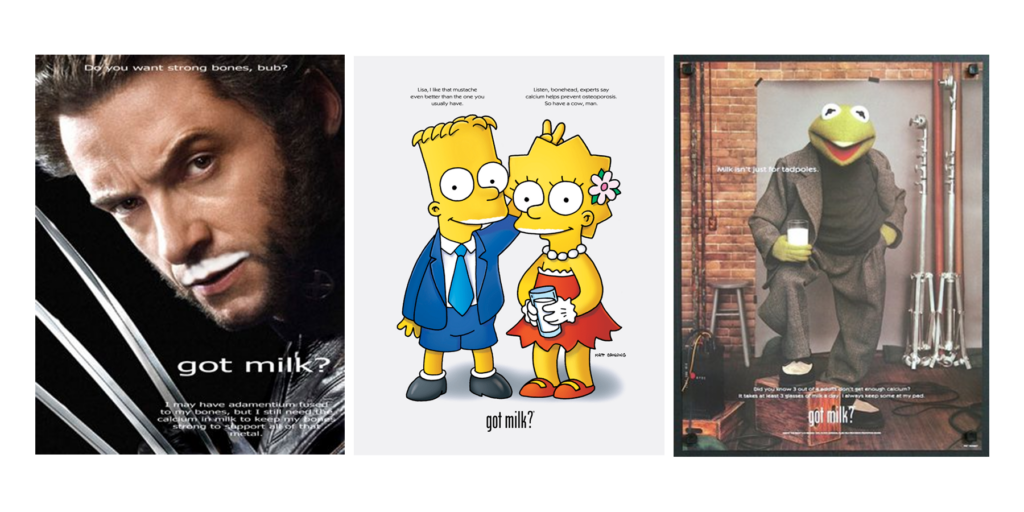
From The Simpsons to Wolverine, you couldn’t go a day without seeing the slogan. An estimated 80% of all U.S. consumers came into contact with the campaign.
The moral of the story? Simplicity sells. Sometimes all you need is a question, and the rest is history. Sure, you can argue that a product like milk is easier to sell than a diamond, but the uncomplicated way the ad presented itself was a stroke of genius.
From print to OOH campaigns, “Got Milk” was so simple you could place it anywhere and everywhere.
In one year, milk sales rose 7% in California alone, and the brand is still milking (sorry) the campaign to this day.
Key Takeaways
The “Got Milk?” campaign came out when active-audience participation was in infancy. Imagine the possibilities now with social media and digital technologies! If you need help in this department, we’re experts, so get in touch.
Keeping your campaign simple can attract a massive reach in audience numbers. Native content (especially on sites such as TikTok) can be a great example of how a simple question can lead to creative, viral content.
The campaign also shows how important it is to keep consumers already using your product happy and in the loop. The campaign didn’t engage people who weren’t drinking milk; it reminded milk-lovers that they needed a new bottle in the fridge.
Old Spice
So, we’ve looked at some campaigns from the past, but how have more recent(ish) campaigns used the digital world to create forever-lasting ads?
In 2010, Old Spice released a TV commercial with Isaiah Amir Mustafa. The ad has been seen over 60 million times on Youtube – whether that’s because of the ad’s quality or because Mustafa is a walking God is still up for discussion.
However, Old Spice took the commercial’s engagement and expanded upon it. Capitalising on the pop-cultural awareness of the “Old Spice Guy”, the campaign took on a new life via social media platforms.
Across Facebook, Twitter, and other social media platforms, Mustafa took on the spicey (sorry, again) persona, replying to fans with personal videos, even chatting to Starbucks about keeping toasty.
In total, the personalised videos reached 11 million views, with the brand gaining 29,000 fans on Facebook and 58,000 new followers on Twitter.
The Key Takeaways
Do everything to keep your audience engaged. A campaign can evolve into whatever you want it to be, and with social media bigger than ever, the options for creative marketing have only increased.
Think about how you can use the star of your ads to engage and communicate with your audience directly.
Celebrity marketing has morphed into influencer collaboration. Sites such as Cameo have found success through personalised celebrity videos – how can you, as a marketer, branch out, partner with celebrities and grab attention through the platform?
Research into who your audience engages with on social media – who are they following, buying products from and engaging with?
We have a whole study on whether influencer marketing can be the right move for your brand, which you can read here.
Looking for an OHH marketing agency?
Having won Best Integrated Agency and Best Integrated Campaign at the Uk Agency Awards we at Arke know how to make the most of each advertising channel with a data-driven strategic approach to bring a tangible returns to your paid media marketing campaigns.
If would you like to know more about audience research, its importance, and how it can improve a campaign’s conception? Get in touch with our marketing experts now.
Ad based subscriptions (AVOD) are making their way across services in the VOD world. How is this going to change the landscape for both audiences and marketers?
In the past, if you asked us if we’d ever see ads before binge-watching our SVOD (Subscription Video on Demand) channels, we would scoff at the idea. But now, it looks as if old-school marketing from the age of traditional TV marketing may be making a return.
The mouse in our house
Recently, Disney announced that they plan to integrate an ad-based subscription for their streaming platform, Disney+, by the end of 2022.
Disney has decided on this new strategy as an attempt to reach 260 million users by the end of 2024.
Of course, increasing user traffic for Disney+ is the priority, but it does come with the additional benefit of allowing more audiences to experience Disney’s SVOD content. For advertisers, this opens up a Disneyland level of opportunities; their products could be seen by a massive 129.8 million worldwide!
Kareem Daniel, chairman of Disney Media and Entertainment Distribution, states:
“Expanding access to Disney Plus to a broader audience at a lower price point is a win for everyone – consumers, advertisers and our storytellers.”
A win for all indeed – the more people watching The Mandalorian, the better!
Everybody likes ads now?
It’s not just Disney; tons of SVOD platforms have begun integrating cheaper AVOD subscriptions into their platforms.
Paramount (now known as ViacomCBS) uses a multi-tier system for pricing. And clearly, the strategy has shown swift success. By 2021, Paramount + Showtime collectively gained a whopping 9.4 million subscribers!
Never did we expect to see the day ad-based SVOD would actually be the preference for streaming. However, according to Comcast, 80% of consumers prefer ad-supported services over higher-priced SVOD.
Don’t just take our word for it; let’s look at (and pour one out) for ITV. After introducing ITVX (their higher-priced SVOD service) – shares for the company saw a plummet of 30%.
Clearly, people are willing to see some ads before their favourite show if it means spending less.
This isn’t all too surprising when you count how many SVOD services there are, alongside the ongoing battle of exclusive content. Audiences want to watch it all, and offering cheaper subscriptions allows for just that.
However, not everyone is jumping on the ad-wagon trend…
It’s a no from Netflix
The king of chill, Netflix isn’t entirely sold on the idea of an AVOD service for the platform.
Netflix’s chief financial officer, Spencer Neumann, states:
“It’s not like we have religion against advertising…It’s hard for us to ignore that others are doing it, but for now it doesn’t make sense for us.”
Netflix is on a crazy content win right now, with Squid Game still raking in the awards, alongside its exclusive feature, The Power of the Dog, nominated for several academy awards.
Perhaps Netflix wants to continue presenting itself as the OG premium service? They may see adverts on the platform as harmful to its identity – swaggering exclusive and high-quality content.
However, their brand identity may have already chipped when Netflix immediately raised its pricing for the second time in 18 months for the UK and Ireland. Thanks for that, by the way!
Almost as a middle-finger flick to AVOD, Netflix raised its basic plan by £1 to £6.99. With nearly every other SVOD service offering lower prices, Netflix might lose both traffic and audience trust if it continues to exclude and avoid the eCommerce tactics of others.
AVOD Advantages?
So what positives can AVOD bring to your marketing tactics? Of course, increased user numbers is a biggy, but your creative can also get in on the action.
Opening up advertising to VOD isn’t totally new. Channel 4, for example, has been experimenting with dynamic ads through its service for quite some time. Dynamic TV offers marketing partners an insight into first-party data from audiences.
These insights allow advertisers to create unique, specific inbound adverts catered to audiences. For example, dynamic ads can factor in the location, weather, time of day, or even a name.
Imagine the possibilities dynamic ads could have on SVOD services that carry the biggest franchises in entertainment. Darth Vader, calling your name to the dark side, or Thor, casting a thunderous cloud onto your screen – fitting in with the delightful British weather.
Ads on SVOD don’t have to be intrusive – they can be insanely immersive. We’re hoping to see some creative ads coming to the small screen in a big way soon!
Dis-avod-tages
More marketing opportunities means more money – that’s great! However, you’ve got to keep the audience engaged for it to work.
It’s too early to tell if these new ad-tier subscriptions are here to stay. Ad fatigue is very real, and without a good UX in place, it could lead to less traffic or negative PR.
Ryan Gould, WarnerMedia’s head of digital ad sales and client partnerships, states:
“Our research tells us that 65 percent of consumers think more favourably of a brand when they provide less commercial interruptions during programming.”
You could avoid these issues with in-service packages (such as Warner’s Brand Block InFront) that reward consumers with no interruptions. However, if you want to avoid charging audiences, the essential factor you need to consider is where ads are popping up.
You don’t want ads appearing halfway through an action-packed fight scene, nor do you want a break in a show before it abruptly ends a minute after – Sopranos style.
Make your ads feel native (or at least as native as can be). If the audience is watching a film, align with cinema standards and place your ads at the beginning of the movie. The same goes for TV; try to find the episode’s midpoint where the break feels natural.
So, what’s next?
WarnerMedia now says 40% of HBO Max’s daily signups are on its ad-supported tier. AVOD is clearly making an impact, with audiences preferring cost-efficient services rather than premium options.
However, if ads are placed incorrectly, become repetitious or don’t engage audiences, the ad-fad might crumble quickly.
The takeaway? Get creative with your ads and keep them in line with the content that pops up next. We hope to see more dynamic ads in the future spice up the ad space for film and entertainment just as they have with other platforms such as TikTok.
Until then, would you like help in maximising your creative campaign, or simply interested in gaining further insights into SVOD services? Contact our team of professionals now.
Ever cried at a John Lewis Christmas advert? You’re not alone.
Adverts that incite emotion stick in our minds and create better ties between consumers and brands. Now that virtual and real worlds are colliding with the metaverse making its way centre stage, how can brands engage with the senses and connect with target audiences through virtual reality?
What’s already out there?
Before diving into the wonderfully weird world of the metaverse, pondering what senses brands are trying to utilise in virtual reality – let’s recap what’s already blended into modern technology.
Audio logos
Everyone’s familiar with the ‘dun – dun’ from Netflix or Mcdonald’s whistle. You don’t have to be in the room to know what’s on TV when you hear those ear-catching sounds.
Audio logos help strengthen brand identity and create a memorable ear-perience for the audience.
3D printed food
In a digital-first world, we’re going fully digital with our food. 3D printed food aims to replicate the taste and smell of real food. However, we’re still far off from large-scale production.
But it does make you wonder – are we more hungry for how it looks, smells and tastes rather than what it actually is? Food for thought, for sure.
4D film
The film industry keeps upping its screen game, from 2D to surround-sound IMAX. But I bet you’re wondering, “what if we could smell film?” – no, just me?
The film industry is experimenting with olfactory (smelly) effects – if you’ve been to a 4D movie showing, you’ll have experienced this.
From the basic, DIY aroma-scope scratch and sniff cards to 4D cinemas with moving chairs, water spraying and rushing wind, we’re seeing cinema make waves (sometimes literally) in creating that immersive experience.
These methods spark excitement for the future of 4D adverts. How could additional sensory elements create that emotional connection between audience and brand?
Haptic technology
Haptics refers to touch and motion, and we’ve seen more haptic technology integrate into our daily devices.
For example, mobile phones use haptic feedback when rearranging apps on your home screen or vibrate when someone’s calling.
The latest PS5 controllers now include haptic feedback, which tightens triggers depending on an action such as pulling a bow or breaking in a sports car. Meta is also trialling haptic gloves to add a tactile connection between brands and metaverse goers.
These hands-on approaches (had to be done) to user engagement are still in their early stages. But imagine the possibilities with further experimentation; audiences could interact with brands and products through an infinite toybox of creative.
3D ads
And speaking of early stages, we’re currently on the cusp of experiencing a new era of interactive ads. 3D ads are making their way onto social media in Meta’s latest update. Working with VNTANA, a social augmented reality company, Meta will enable brands to bring their products to life on Facebook and Instagram.
For brands, particularly e-commerce, this presents a major opportunity to showcase products accurately to potential customers, increasing engagement and improving customer satisfaction. This update foreshadows what we can expect advertising in the metaverse to look like, with technology evolving to give users that real-life experience in a virtual setting – browsing a catalogue, for example.
The importance of experience
Experience plays a vital role in advertising. The brand experience revolves around the consumer’s sentiment for a brand and ‘the lasting impression’ they have towards it.
Widen argues that brand experience is more important than user experience as it facilitates deeper connections.
If you’ve ever had a bad experience with a brand, you’ll likely remember that for a lifetime. Emotions and experience can be more important than the product or service itself, influencing decision-making overall.
Consider brand experience carefully. CSR (corporate social responsibility) is a massive factor in consumer perception of a brand.
72% of consumers want brands to be positive contributors to society. Brands that passionately believe in something and shout about it from the rooftops will often connect better with their audience than brands that don’t live, breathe and deliver on their ethos.
Beauty product retailer LUSH pulled out of social media, aligning its online behaviour to its message of rest and relaxation. LUSH created an emotional connection between consumers and the brand as people saw it as a brand sticking to its core values.
Have you ever stopped to wonder why most service businesses (hotels, airlines and restaurants etc.) talk about the experience rather than the end product? According to Gartner, psychology and emotion are arguably the essential elements of a customer’s buying journey, with community also playing a key role.
You could even go as far as to say that customer experience is becoming the new brand identity. A study conducted by PwC found that ‘59% of all consumers feel companies have lost touch with the human element of customer experience.’
Bringing senses and emotion into your marketing strategy allows you to reach your customers efficiently and creates long-lasting connections that promote brand advocacy.
The power of emotion
Speaking of connection, let’s chat about how emotions affect purchasing decisions.
31% of advertisements are emotion-based, not rational, which highlights how emotions have a giant impact on purchasing decisions. In fact, ads with purely emotional content perform twice as well as those with only rational content.
Tingling the senses is a uniquely engaging way of bringing about an emotional response, with sound being particularly effective at sparking emotion. On TikTok, for example, sound-on content is perceived as ‘fun’, a 66% increase in this emotion compared to platforms that don’t use sound.
But how does this translate to connecting to your customers? For example, as with LUSH, being authentic with your brand values is crucial.
Authenticity boosts connection, especially on social media. According to The Drum, ‘being imperfect on TikTok creates intimacy between brands and their audiences, and builds a relationship driven by respect and understanding’.
Why is sense so important in the metaverse?
If the goal is to create immersive experiences, the metaverse needs to look, feel and sound like real life.
Reducing the friction between the real and the virtual helps users interact more authentically, as they would in the real world. This will help brands plan their advertising strategy in the metaverse, as virtual personas should mimic real-life personas.
We all know that sound is paramount when recalling a brand or experiencing the internet. Kantar found that ‘88% of TikTok users said that sound is essential to the TikTok experience’.
But what else is a must in creating a memorable experience? Will smell and taste be the newest features implemented into the metaverse?
How is the metaverse planning on tingling our senses?
Alongside sensory logos, we’re seeing wireless VR headsets throughout the industry, allowing for even more freedom in virtual worlds.
Playstation recently announced VR 2 for PS5, with MetaQuest, Meta’s wireless headset, allowing for even more immersive engagement as users can move freely, mimicking real-life movements.
VR is constantly evolving to give consumers what they want while learning from them. We’re looking at a future of emotion tracking, creating realistic digital avatars through biometric data.
Get involved!
We recommend experimenting with these new technologies as they emerge.
We’re seeing people’s curiosity about the metaverse peak; it’s already big business. VR gear sales are likely to hit $10 billion by the end of 2022, and the expected number of headsets sold could reach 26 million units by 2023!
More and more people are ready to explore the metaverse. And with accessibility in virtual reality improving, there’s a whole new audience awaiting adverts in the metaverse.
What do you need to know?
The metaverse offers an exciting glimpse into the future. How brands begin to advertise in the virtual world is an exciting and slightly daunting prospect for some.
It all comes down to really understanding your audience and the space where they are. What are people doing in that virtual world, what are they interacting with, and how are they communicating with other metaverse goers?
More importantly – how can you form that emotional bond between brand and consumer and connect as you do in the “real” world?
Without a doubt, the metaverse is in its infancy as a marketing and advertising channel, but the potential is huge, with all brands being able to make their mark on the space with the right strategy.
Be sure to watch this space, as we’ll be reporting the latest updates regarding the metaverse over on our blog!
But if you’re rearing to get started on maximising your digital advertising campaigns, contact our paid media experts about your strategy right now.
The gaming industry is the largest entertainment industry in the world. So how can you plug in and play your best strategies when it comes to video game marketing?
The most effective way to game right now is through streaming. And nobody does streaming better than the broadcasting giant, Twitch.
However, not everyone is as tech-savvy as the social influencers that use Twitch daily. That’s where Gameplan comes in. Let’s look at how Twitch’s new ad services will level up your branding in the biggest industry ever.
Plan for your brand
Twitch recently launched Gameplan – a global ad assessment programme that certifies you as a streaming platform professional.
Gameplan’s goal is to perfect brands’ understanding of live streaming. As a result, your online advertising on Twitch will 1-up and increase overall audience reach.
But there’s more! The training programme will also educate brands on the wonders of immersive and interactive campaigns on Twitch. So not only will you understand Twitch, you’ll master its range of experimental marketing!
Once completed, the shiny star of certification will be yours to show off! Your brand will be an official Twitch pro – which will present you as an all-knowing genius in live streaming marketing. Humble bragging is almost permitted.
Want to dive deeper into Gamplan’s services? Twitch held a one-hour launch event promoting the course – which you can watch here.
Branding to the next level!
Andrea Garabedian, global head of sales marketing at Twitch, highlights why Gameplan is an important tool for your game marketing. Her statement:
“Viewers on Twitch are more likely to trust and interact with brands when advertisers are invested in understanding our community. Twitch Gameplan provides context and best practices to ensure that brands can foster genuine engagement on Twitch.”
But the fun doesn’t stop there! As we mentioned earlier, Gameplan certification allows for a bunch of best practices for online marketing:
- Levelled Up Advertising
Creativity is key for advertising, especially with the rise of TikTok and native content more popular than ever.
Through Gameplan, you’ll learn how to create campaigns that immerse users through interaction – resulting in higher audience engagement.
- Brand Growth
Twitch is a trendy place; new games live stream daily, gaining huge watch time numbers from varying niche audiences.
From Fortnite to Among Us – it’s essential to keep track of what people are playing and catering your ads towards them. Gameplan will make sure you’re producing campaigns that deliver for your clients or follow your brand’s goals.
Yeah, we’re gamers
Brands are already gaining great experience (or XP for all you cool kids out there) in live stream marketing via Twitch.
PepsiCo, for example, promoted its limited-time Brisk product through an online tournament of Rocket League. Whilst ads for Brisk ran through the matches, Pepsi also created a car, themed off the product to play in the leagues.
By creatively standing out and immersing the brand within the culture, Brisk became the talk of the Twitch. Brisk even received organic taglines such as “Take the risk, drink the Brisk” from audiences. When you make it as a meme, you’ve made it.
However, you don’t have to go crazy with your campaigns. Sponsoring content can be as easy as having your brand appear on stream. A great example of this is when EA collaborated with Twitch streamer, RoryPlays.
Though Rory has a slightly smaller audience (with 23.3K as of now), EA sponsored her live stream when playing their additional content expansion for The Sims 4. They overlaid the EA logo onto the stream and asked if Rory would verbally promote the brand.
Working with micro-influencers is a fantastic way to spread brand awareness, as their audience is dedicated and eager to listen.
Influencer marketing is super important when marketing online. If you’d like to read more about influencer marketing and how it can improve brand recognition – read our blog here!
Twitching for something new?
Dan Holland, executive vice-president of Dentsu Gaming, highlights the importance of keeping up with new advertising platforms in the gaming world. His statement:
“Audiences are migrating to the new platforms, channels and spaces, often at a greater pace than our industry keeps up [with] – we need to be able to understand these platforms inside out to ensure our brands show up in a genuine, authentic way.”
Audiences certainly love Twitch – the stats prove it!
- 140 million monthly active users in 2022
- 71 million hours of content viewed every day
- More than 2.2 million users make the most of the stream feature every month
- In 2020, audiences consumed 18.6 billion hours of content.
- In 2020, the Twitch advertising revenue was $750 million
Though the core demographic of Twitch consists mainly of male users, 73% of which are under 35, that doesn’t mean the platform solely caterers to them – nor is it entirely a gaming platform.
Twitch offers a variety of streaming categories, from gaming to podcasts and “just chatting”. These options are great for e-commerce brands that want to establish an online identity naturally to audiences.
Also, categories are insanely open due to hashtags being available for all content. Educational services such as universities could easily create rooms for online tutoring or promote webinars through the hashtag education.
Additionally, Twitch offers trending topics as a category. Recently, the platform promoted International Women’s Month, giving female streamers the spotlight on Twitch’s landing page.
Ready, set, stream!
Twitch (or streaming in general) is not only a new avenue to explore in advertising; it’s a service to get involved with creatively.
Through active communication and fresh creative ideas, audience engagement is at peak performance on platforms like Twitch.
Other platforms, such as Meta, have begun restricting audience targeting options. Twitch, however, welcomes advertising for all audiences. Due to the nature of live content, it’s easier to monitor and report unethical advertising.
We love seeing platforms embrace new ways to engage and diversify advertising for audiences. And with Gameplan – you’ll be the master chief of live streaming in no time!
If you’d like advice on supercharging your live streaming efforts or want advice on how to Twitcherfy your content – contact our team of professionals now!
Just in case you’re no sports fan (or Britishly biassed towards real football), the Super Bowl is the annual playoff championship of the NFL.
However, as important as the big game is, the massive amount of ads playing across the commercial breaks are what we’re placing on the field to compete today.
The average cost for a 30 second Super Bowl commercial for 2022 was a whopping $6.5 million! No doubt the brands advertising have the cash to splash, but are they making sure every second counts?
So who came out creatively on top and who missed the goalpost and flopped? Let’s kick off with the champs to give you some ideas of what you should include in your adverts for jaw-dropping campaigns that convert in an instant!!
Bronze ain’t bad!
Including celebrities in Super Bowl ads is a tried and true method – however, there’s a balancing act between using them efficiently or just “celebrity stuffing” for the sake of it. And we know not everyone has the budget to get Nicholas Braun or Trevor Noah in their ads.
Uber Don’t Eats is a tongue-in-cheek campaign in which celebrities such as Jennifer Coolidge struggle to grasp the delivery services expansion into household shopping.
If the silly “does that mean I can eats it?” line doesn’t make you chuckle, perhaps Gwyneth Paltrow tucking into a vagina-scented candle for dessert will.
Uber’s campaign highlights its new service in such a ridiculous way; it’s hard not to enjoy recognisable faces confused and chomping into lightbulbs.
Uber Don’t Eats has gained a ton of engagement across platforms, with 547,156 views on Youtube and a 19k reach for its hashtag #UberDontEats.
The runner up
Emotionally engaging your audience is no easy task – especially in under a minute. But, it is key to building brand awareness and driving conversions.
Research by Pringle and Field found that emotional campaigns outperformed on almost every metric – including revenue, profit, and share gain.
Toyota’s Brothers campaign places you in the perspective of Winter Paralympian Brian McKeever and the hurdles he and his brother have overcome and dominated throughout their strong bond.
Utilising a point of view (POV) angle throughout its ad, the audience immerses themselves in the cold, uphill challenges the brothers have faced, with their hard work resulting in 13 gold medals throughout the Winter Olympics.
Through a focused, people-first approach rather than product placement, #StartYourImpossible resonates on an emotional level rather than a persuasive one. Clearly, an effective strategy, as the campaign gained a 351.9K reach across social media platforms.
The Gold Star goes to…
Someone give a shiny star to Squarespace for its sweet spot about slippery tongue twisters and shelly services!
Sally’s Seashells encapsulates everything about owning your own business – the struggles, the solutions and the brand expansion, with Squarespace representing itself as the best place to start.
Through whimsical wordplay, alongside electric editing, colouring and direction (from legendary director Edgar Wright), the ad is visually striking for the eyes and audibly engaging on the ears.
Squarespace does what all great ads do and presents itself as a distinctive, timeless classic that will never get old.
Sally’s Seashells washed in over 8,666 tweets and 101,027 engagements for Squarespace.
Having one of the most noticeably talented celebrities in your ad doesn’t hurt either; Zendaya’s inclusion brought in 10,431 tweets and 108,335 engagements. Shucks, that’s a lot!
Sally’s Seashells is a perfect example of how keeping things short, sweet and simple can still make an engaging ad. Playing on familiar themes and concepts can be a great way to attract large audiences; it’s how you creatively separate yourself which is key.
Ads that missed the mark
Not every campaign hit a home-runner (wrong sport, sorry).
The last thing brands want is to waste budget on ads that don’t wow. Researching your audience and what tropes, celebs and ideas they resonate with is key to planning your stellar ad.
It’s worth mentioning that you need to understand what sub-cultures your audience operates in and make sure they’re represented accurately in their advertising.
According to We Are Social, 82% of internet users say they’re not represented in advertising. Although social media ads are better, there’s still a way to go, with only 55% of GenZ saying they feel represented on social media.
Long story short, your ads need to represent both your brand and your audience.
Here are the ads that just missed the mark when it came to their creativity and brand representation.
MetaQuest 2
Meta (known by boomers as Facebook) needed to bring something extra engaging this year to the Super Bowl, following its hot water controversies regarding safety and privacy.
With the release of its new VR headset, MetaQuest 2 (previously known as Oculus) underway, you would imagine the self-proclaimed leader of the internet’s new meta-age would be ready with something awesome. We got this campaign instead.
We were “treated” to animatronic animals (giving off very Five Nights at Freddie’s vibes) that would keep children awake for hours on end.
On top of that, Meta’s message seems muddled – is the world getting you down? Escape reality through our brand new headset! Very dystopian; probably not the wisest statement to make when the world has just come out of a global lockdown.
Unlike Toyota’s brand message of being the best you can be, Meta presents itself as a brand that wants to escape real-life issues. A sentiment augmented reality products might want to avoid.
We’re guessing Meta didn’t consider how their audience would feel about this message when they made this ad. Like we said, understanding your audience and how they behave or represent themselves is key.
Remember The Sopranos? I remember
Nostalgia is like keywords; use it too much, and your content won’t feel genuine.
Chevrolet’s First-Ever Electric Silverado campaign is an almost shot-for-shot remake of The Sopranos classic opening, with the music adding an extra topping of “remember this show?” to the ad.
Creatively, the ad misses the mark in adding something new to the discussion. After watching, I don’t feel like buying a Chevrolet; I want to watch The Sopranos for the 5th time.
Though personally, the campaign’s lack of originality didn’t engage us creatively, the 11,589,824 views on Youtube don’t lie. Nostalgia and pop-cultural references will always strike a chord with audiences.
There were plenty of meh-marketing moments throughout this year’s Super Bowl. Instead of focusing on what went wrong, the key takeaway from these campaigns is making sure your brand’s message is engaging.
No matter how big your brand is (from Taco Bell to Toyota), you have to hook your audience with something they’ll remember.
Squarespace’s tongue-twister and Uber Eats’ silliness; these ads stick out because of their straight-to-the-point originality – not relying on other media or muddled messages.
If you’d like to see how other campaigns kept the engagement levels strong throughout the Super Bowl, check out our blog on last year’s big game here!
Who won the Super Bowl? Crypto!
Though these choices were our personal highlights, the digital currency, crypto, won over the most eyes at this year’s Super Bowl.
Coinbase reportedly paid $14 million for its 30-second ad at the big game. The ad itself was simplistic but super effective – with a multicoloured QR code bouncing around the audience’s TVs like an old-school DVD screensaver.
Simplicity sells, sometimes too well; Coinbase’s website crashed during the broadcast – showing how large the crypto climate is right now.
FTX’s, Don’t Miss Out on Crypto campaign (featuring the king of cringe, Larry David) has gathered an insane 40,342,366 on Youtube too.
Is crypto the new hot-topic marketers should be dipping into? Perhaps people enjoy pretty moving squares and Seinfeld more than anything? Either way, cryptocurrency is booming; we’re spending $6.8 billion annually in digital payments, according to We Are Social.
We’ll be sure to keep you posted on all the news we hear about digital currency developments here.
Key Takeaways
From crypto to Kanye to seashells by the sea, the super bowl commercials this year showed off a variety of distinct creative.
In a world of ongoing social media campaigning being the new norm, it’s crazy that the return on investment (ROI) for televised ads is still going strong.
“According to Kantar research, the 2021 Super Bowl ads delivered an average return on investment (ROI) of $4.60 per dollar spent, with ads for Mountain Dew, Verizon, T-Mobile, and General Motors achieving the best results.”
These ads will only become more effective with the rise of social media – with native content such as memes and TikToks furthering a campaign’s reach through user-generated content.
But the key is understanding your audience and testing your adverts on your users, so you know whether your ad will hit the mark – whether it’s on the big screen, on mobile devices or in a game.
If you’d like help supercharging your campaigns or want further advice on how to make your creative stand out against the rest – contact our team of experts now.
If you missed the hype train, TikTok’s the number one platform, with over 1 billion users actively looking to discover new brands.
If your brand could do with a rise in followers, TikTok should be your first stop.
Not convinced? 49% of TikTok users go to the platform to discover something new, so whether you’re showing off your latest product or changes to your brand, TikTok’s the place to shout about it.
If you’re looking for the perfect strategy that will take your brand to the next level, you’re in the right place.
We recently had the pleasure of hosting a bite-size session with Brighton Chamber, a company connecting the local Sussex business community, where we covered how to supercharge your business with TikTok.
If you missed it, it’s time to catch up! Let’s recap the strategies we discussed in the session and answer some FAQs.
Change your perception!
When you think of TikTok, do you immediately think of teenagers making dances? Well… yes, you’re correct.
Teenagers are on the platform, making up the majority of users. But it might surprise you to find out that 53% of users are over the age of 30, and the 40+ cohort makes up 20.3% of users, so the demographic of the platform is shifting.
Whatever demographic you are trying to target with your marketing strategy, you’ll find them on TikTok.
What’s more, using appropriate hashtags will help you get in front of your audience. But first, you’ll want to do some digging into what they typically tune in to watch on TikTok – that’ll help inform your content strategy!
TikTok V.S the World
YouTube (just like Instagram and Facebook) is treading water, trying to catch up with TikTok’s innovative features.
For example, YouTube launched ‘Shorts’, short-form videos that users can scroll through straight from the YouTube app or website. That sounds pretty similar to TikTok’s uber-popular video format, right?
Meta’s also playing catchup, with Instagram Reels posing as a major rival.
I’m already on Instagram; should I be on TikTok too?
Let’s discuss the elephant in the room: What is the difference between Instagram Reels and TikTok – are they the same?
Truth is, they’re pretty similar, meaning you can almost directly transfer your TikTok content to Reels, allowing you to populate your Instagram alongside your TikTok account.
However, don’t be mistaken thinking they’re on par; some key differences make TikTok superior:
Discoverability – TikTok has powerful algorithms that will allow you to go viral, being found by hundreds or thousands of people who wouldn’t find you otherwise. To reiterate, 49% of TikTokkers flock to the platform to discover something new, 35% to learn something new and 29% for inspiration.
Recording limits – TikTok allows up to 3 minutes vs Reels’ 60 seconds.
Following – TikTok’s following is growing more rapidly than Instagram. Since 2010, Instagram has accrued 1.386 billion followers, whereas TikTok joined the game later in 2016 and already has 1 billion followers.
Content – TikTok’s rough and ready creative tops Instagram’s super-refined approach, making it easier for you to knock out content without a team of creatives behind you.
TikTokkers will be your biggest brand ambassador
Everyone on TikTok is a content creator; with over 3.1 million influencers on the platform, it shouldn’t be hard to find an influencer for your brand.
Don’t be mistaken; you don’t have to spend thousands to have Zoella show up in your videos, but you will benefit from a familiar face recurring in your videos.
Micro-influencers gain greater engagement on TikTok compared to other platforms. With 17.96% engagement on TikTok versus 3.86% on Instagram and 1.63% on YouTube, this makes TikTok’s influencers accessible to brands of all scales.

TikTok users do away with the linear marketing model
No longer is the marketing funnel linear; awareness, consideration, conversion, loyalty and advocacy have been blown out of the water by the recent boom in influencers.
Nowadays, TikTok users are happy to pop items straight into their baskets upon receiving a glowing review from their favourite influencer.
It’s easier than ever to grow your brand on TikTok through micro-influencers and ambassadors. By leveraging the following of those who already love your brand, you’ll be able to tap into your customer’s followers, too.
According to TikTok, after a purchase:
1 in 5 make how-to or tutorial videos on TikTok.
1 in 4 posted showing off a product they bought.
28% followed a brand.
Engage with your brand advocates to create content that resonates with your audience – simple!
Spark joy
Yes, in the words of minimalist Marie Kondo, we advise that you create content that sparks joy.
That’s because 39% of users say ‘lifting spirits’ is vital in making purchase decisions. It’s no secret that we’ve all dreamed of a little escapism since the Covid-19 pandemic.
People used social media as an escape from the negativity around them, expecting online videos to make them laugh. 44% of TikTok users prefer branded content that’s fun and entertaining.
Whether it’s watching an influencer’s island holiday break or silly videos of inanimate objects with superimposed eyes and lips, there’s an audience for everyone’s content!
@arke_agency Go on, treat yo’self. It’s chocolate cake day after all 😏 #pov #fyp #chocolatecakeday
The boom of the metaverse exemplifies our desire to explore an alternate reality, where people can connect and reinvent themselves as they wish, creating avatars reflecting their dream persona.
Perfection is overrated
TikTok thrives off lo-fi content; uncurated, rough and ready – which works to your advantage.
You don’t need a creative team with the latest camera gear behind you to make videos that resonate with your audience; all you need to do is get on the platform!
And that’s one of our best bits of advice – don’t wait for the right moment to come along – start getting creative ASAP!
TikTok’s weird and wonderful algorithm means anything goes on the platform. So whether you’re making tutorial videos, meet the team content or just downright silly videos and dance challenges.
See what works and roll with it! Who knows, you might start your own snazzy TikTok trend!
Are TikTok ads worth it?
Yes! If you’re still not convinced TikTok is a surefire way to grow your brand, then let’s talk about the power of ads.
There’s a variety of ad types to choose from, from disruptive in-feed advertising to native spark ads acting like normal TikTok videos; you’ll find an ad format that helps you achieve your objectives.
The best way of targeting your audience is to create lookalike audiences and use interest-based targeting.
Lookalike audiences generate 55.40% stronger engagement than interest-based targeting, but if you’re starting with a small amount of data, targeting users based on interest will help you broaden the reach of your ad.

Don’t just focus on ads
As we said, TikTok is a platform that people love for its comedic, joy-sparking content. Nobody wants a bombardment of ads; you’ll only cause ad fatigue.
Instead, create a variety of content to engage your audience and remind them of your brand, your products and behind-the-scenes content for an exclusive look at your business and team. Hard selling just won’t cut it on TikTok.
The key takeaways?
TikTok is booming, and you need to get on the platform if you want to boost brand awareness and tap into all the advertising and eCommerce features that will help your profits soar.
TikTok isn’t just for Gen Z; your audience is on the platform regardless of age. To make it big, you’ll need to create native content that showcases your brand’s personality. The best way to do that? With a brand ambassador!
Want more ideas on the TikTok content that works well and a deeper dive into the perfect TikTok growth strategy? Contact our marketing team now.
Could you open the pod bay doors for a moment, HAL? We have some updates on Instagram and its messaging automation services!
Is your brand or business taking full advantage of the DMs on Instagram? Perhaps you’re the talk of the town and don’t have the time to reply to everyone?
Well, further AI developments to your marketing channels could make your life even easier! Let’s take a closer look at Instagram’s automated messaging services, shall we?
Robots in DMs
Over 400 million messages are sent to brands and businesses every day through Instagram’s DM service. From in-feed social posts to stories and reels – the possibilities for users to interact with your brand go far and wide.
Unless you have an entire team ready to reply (or someone with insanely fast typing skills), answering every customer query is a tricky task.
Not only can this leave you with a ton of work, but you could also potentially lose a sale by skipping over important messages.
That’s where AI comes in to lend a helping hand!
ManyChat, an official partner of Facebook and Instagram, saves you the hassle of typing out those replies and does the assignment for you – like in this example here:
As you can see, AI messaging can streamline user interaction with your brand so that the essential information is right at the click of a button.
ManyChat also offers tons of other choices when replying to customers for you. For example, if a user asks if your brand ships internationally, ManyChat can detect the specific keywords and optimise the conversation with the best answer!
That’s not all! Want to see what else automated messaging has in store for you?
The Perks of Being an AI
Thought AI messaging only helps with messaging as many users as possible? Think again! Automated messaging offers a variety of marketing improvements across Instagram, from personalisation to product sales.
Increased Product Sales:
Automated messaging systems don’t have to be a boring “yes or no” machine; there’s a whole range of CTA tools ready for you to utilise. Create a survey on your products, or send customers a point of purchase link.
You could also use Instagram’s AI system to auto-reach out to existing customers or potential new target audiences!
Qualified Leads:
Automated messages also cut out the copying. AI collects and stores emails and phone numbers for you, meaning a marketer can tag out the AI in real-time through live chat and speak when there’s a potentially intriguing lead.
Increase Engagement:
Campaigns aren’t just for the in-feed; you can market to your heart’s content in the DMs too! Send your users promotional offers or giveaways without even clicking the keyboard yourself.
DM campaigns are a fantastic way to start conversations and assure users get a message back.
Messaging automation can also function as a customer support system, assisting users in the best steps to make a purchase or solving an issue with postage.
ManyChat may be the official partner for Facebook and Instagram, but it’s not your only option for AI implementation.
Other automated messaging services, such as chatfuel, offer a similar experience whilst featuring unique qualities. For example, chatfuel has an Instagram Flow Builder, a drag-and-drop interface that allows marketers to build campaigns based on specific flow choices.
But be wary of the robots
All of these functions sound great… on paper! If AI can pull off the impossible task of sounding like a genuine human, it could redefine the relationship brands have with the customer.
However, if we’ve learnt anything from Westworld, it’s that putting all your trust into the machines can make things quite stressful.
Here are a few things to consider when thinking about AI messaging systems:
Terms of use
As we mentioned earlier, there are a few choices regarding automated messaging services you consider implementing – InstaChamp and Chatfuel being the other two big contenders.
However, using anything other than Instagram’s official AI service could result in a terms-of-service breach on the platform. Though that doesn’t appear to be the issue right now, it’s best to keep up with Instagram’s terms of use to be on the safe side.
Human beats robot
Remember when we said it would be awesome if AI systems could act like an actual human? As cool – (and equally terrifying) as that would be, our technology hasn’t reached T-1000 levels of potential just yet.
People will always prefer natural, genuine conversations with other human beings. Leaving all the talk to a modern take on the answering machine could present your brand as disinterested in the customer’s needs.
Perhaps the best place to implement AI messaging services is in and around the awareness stage of a customer’s journey, where their questions are broader and easy to answer.
When the audience hits the consideration stage, that’s when the persuasion professionals swoop in (psst, that’s you!)
Spam, spam, spam, spam…
Remember, nobody likes spam, not even with eggs. Advertising makes up 36% of all world spam content. Every customer likely understands when spam is heading their way and will bin it instantly.
To avoid this, make sure you’re not sending out adverts faster than audiences can read them. And make sure your AI’s copy is friendly, genuine and not too inhuman. And always segment your audience, so your messages are personalised – this will help add to that human touch!

We’ll be back
With this new feature, Instagram is definitely the platform to keep your A-Eyes on (thank you, thank you). We have a whole bite-size session on supercharging your brand on Instagram, which you can watch right here!
Though AI is still in its early days across the marketing world, we’re excited to see how it changes the game further down the road.
It’s always fun seeing how new technologies lead to experimental campaigns and ways of reaching audiences. And with the Metaverse slowly becoming more of a reality, the possibilities are almost unlimited.
Until then (and the fall of humankind due to the AI takeover) – if you’d like advice on how to take advantage of automated messaging or want further insights into Instagram marketing best practices – contact our social media experts now!
Today, we’re taking a look at some of Reddit’s /r/Movies favourite marketing campaigns!
From Augmented Reality to cryptic puzzles – there’s a lot to take inspiration from here. We’ll be breaking them down, digging into the nitty-gritty and looking at what makes these campaigns tick!
So, get your popcorn, grab your overpriced fizzy drink – the movie is about to begin…
The Matrix
Everyone by now has heard of the Matrix and its mind-bending, thought-provoking sci-fi madness.
However, this wasn’t the case before 1999, and I doubt many could have guessed its incredibly conceptual idea at the time. Its craziness only increased the enticement of the question: ‘What Is The Matrix?’
The trailers consisted of a montage filled with intriguing shots, with exciting action scenes revealing as little as possible. The intense trailers alongside the tagline ‘What is The Matrix?’ was enough to hook viewers.
It’s a clever technique to propel audience participation by asking the simple question, “What Is The Matrix?”. By repeating the question themselves, the watcher creates their own CTA to find the answer.
And as we know, “What Is The Matrix?” created endless discussion and hype around the final release.
As Reddit user JynXten describes it:
“It was very mysterious and secretive, I recall. Everyone wanted to see what it was all about and when we did, our minds were blown.”
Scream
From fake TikTok accounts to a collaboration with Call of Duty, Scream has had some immersive (and spoooooky) marketing campaigns. But let’s look at the OG from 1996 for a moment.
In the 90s (and really all of the time), there was an impressive display of lead roles in massive Hollywood blockbuster films. So Drew Barrymore getting cast as the lead in Scream was no shocker.
Along with an extensive marketing campaign presenting Barrymore as the main character, most moviegoers would believe that by horror film standards, she would have most definitely lived to see the end of the film.
That prediction became swiftly slashed when Drew dropped dead during the first 10 minutes of the film. A great example of subverting expectations.
Reddit user ProphetOfNothing states:
“Killing your leading lady just 10 minutes into it created a brilliantly tense thriller where the characters LITERALLY know the “rules” of horror film logic, yet we are now aware they aren’t going to apply.”
Cloverfield
Going through this list, you’ll quickly notice that either Reddit has a great fondness for monstrous films, or these fear-fanatics really know their stuff!
Cloverfield released no context to the shots of the Statue of Liberty head crashing into the NYC roads, which intrigued audiences all the more.
Cloverfield’s entire digital campaign was shrouded in secrecy, with audiences having to hunt for more information across the web. It’s one of the first examples of an alternate reality game (ARG) making waves across the internet.
As user Alvadeso explains, there wasn’t “even a real title, just a release date. I really thought it was a Lost spinoff or a Godzilla movie.”
Marketers intrigued by experimental campaigns should strive to create interactive narratives for their content. There’s an opening of opportunities right now with AR lenses on TikTok, new text to speech sounds, and cryptic social media easter egg hunts.
Men In Black
The beloved first film in the series was an instant hit (I mean, it’s a Will Smith movie), and the marketing team certainly capitalised on its success.
As user 5N4K3ii says:
“They used a clever nod to in-world tech designed to wipe character’s memories in the film and showed it in ads a few weeks after the film’s successful release” – accompanied by the tagline, “Men in Black: see it again for the first time.”
It’s interesting to think that most of the time, the objective of a film’s campaign is getting audiences to see the movie for the first time in cinemas or on an OTT platform.
However, we can comparably use similar techniques to get users to watch the film in the cinema for the second time; or get fans to watch the movie at home on streaming platforms again.
Jurassic Park
The Steven Spielberg classic could do with a blog of its own for mega-monstrous marketing techniques.
Though many remember Jurassic Park for its brilliant tagline, “65 Million Years in the Making”, there were other ideas the studio tried implementing into the campaign.
One of which was described by Eulielee:
“Around here, there were several billboards that got ripped up pretty bad. I remember thinking, wow, looks like some sort of monster clawed that up.”
The following week, they replaced the billboards with Jurassic Park adverts. Clever girl.
This example is a fantastic insight into how you can use real-world events/placements to drive traffic for your film in imaginative ways.
No matter how far into the future, OOH marketing, much like life… uh… finds a way. Though we may be in trying times, with social media marketing taking the forefront – the possibilities of practical, extravagant advertising will always have a place in our hearts.
Nightcrawler
Using a similar technique that the new Scream movie uses, user Shamgod remembers fake social media accounts created for the sociopathic protagonist of Lou Bloom, detailing his climb up the professional ladder by any means necessary.
These accounts included a video CV posted on Twitter and Linkedin and was great for getting “the audience immersed in the film before it was even released.”
The Ring
This list wouldn’t be complete without one last horror film to top it off. For the US remake of The Ring, the marketing team created both horror and intrigue at the same time, as user EnemySoil says:
“The Ring played parts of the ‘video’ as an ad on TV late at night without any other info.”
I won’t lie to you; that ad still keeps me up at night. It gives the viewer the sense that they’ve discovered something almost they shouldn’t be seeing and would reactively promote word of mouth through friends and family.
Key Takeaways
It’s interesting to think about how new releases can capture the classic methods of old-school movie marketing.
Social media has changed a lot since the days of MySpace and Cloverfield ARGs. But films such as Scream 5 are keeping this experiential marketing alive with their social media narrative campaigns.
A good trailer can be imperative, as evidenced by the success of The Matrix, The Ring, and Men In Black. Remember, keeping the big twists and turns for the theatre is always the right way to get audiences into those cinema seats.
We revel in the opportunity to talk about classic films. Looking through these campaigns can inform new, exciting decisions that inspire our movie campaigns.
Until our sequel, if you’d like advice on how to market your film or are looking to increase campaign engagement – contact our movie marketing experts here.
First, there were cookies. Then there was FLoC. Now there are Topics. Finding it hard to keep up? We don’t blame you.
So, what’s Google’s latest step in replacing cookies?
Say hello to Topics; will they lessen the blow when we eventually say farewell to third-party cookies? Let’s talk about it!
FLoC Off!
Before we delve into Google’s latest product, to jog your memory, let’s rewind to Google’s first attempt at creating a product that would enable brands to continue tracking users without relying on third-party cookies: FLoC.
FLoC stands for Federated Learning of Cohorts – rolls right off the tongue, right?
It was a way of keeping users’ data within their browsers, creating anonymous categorisation based on ‘interest cohorts’.
For the user, it was awesome, offering the privacy they so crave. On the other hand, for brands and companies, FLoC made it difficult to delve into data related to those visiting your website.
Before cookies even showed signs of crumbling, Google moved back to a focus on consumers’ privacy needs. And it’s in the form of broad topic-based targeting.
So how are Topics going to save the day?

Topics to the rescue?
Browsing habits will be automatically categorised based on the topics users search, look at and browse most.
For three weeks, you’ll have access to your users’ behaviour on your site, helping to inform you of your audience and their interests.
OK, we know three weeks isn’t exactly a long time, but we’re trying to stay positive…
The good news is that interest-based targeting should become a lot easier, meaning you can plug your findings into your advertising campaigns.
We predict that Topics will mainly benefit brands looking to build awareness. Lookalike audiences created off the back of data collected through Topics will be broad – meaning you can target larger groups of people with similar interests.
However, in an ever-connected world, targeting a broad audience isn’t always the best way to go, especially if you’re putting a big budget behind it.
Although Topics may allow you to get your brand name out to more potential customers, the broadness of the targeting won’t allow you to create hyper-personalised messages that help connect to your audience.
For example, someone who looks at your eCommerce site for sportswear may be interested in hockey, while another looking at the exact same page may be interested in a completely different sport.
Try creating an ad campaign that targets both those audiences and offers products for each customers’ needs. It may take more time, but it’ll be worth it.
Consumers are in control
Forget robots and AI; without an audience, you wouldn’t have anything to sell or advertise. That said, without your customers’ support, you won’t get very far when it comes to conversions. Here’s some food for thought:
According to Forbes, ‘Over 90% of consumers say transparency by a brand is important to their purchase decisions.’

Over a third of consumers will only use brands that are transparent about their data collection and give control of data to their consumers.
While Google is trying to keep up with the demands of consumers, it’s going to take more innovation to come up with a solution that also satisfies advertisers.
With the funeral of third-party cookies creeping ever closer and consumers even more conscious of how their data is collected online, things need to change.
The industry is pushing to bring new solutions to the table that comply with privacy responsibilities while enabling brands to keep track of users’ behaviours. It’s going to be tough to balance both.
The conversations around GDPR are blowing up right now.
Data transfers from Google Analytics cookies violated data transfer requirements in Austria, throwing Google Analytics into the spotlight and prompting a discussion around its longevity.
While we’re doubtful that Google Analytics will be getting the scrap completely, we’re definitely looking towards a future of changing privacy regulations in addition to those we’re already experiencing.
Change is all around us
Google isn’t the first to alter its privacy policy and most certainly won’t be the last.
Apple gave its customers more control over their privacy settings in their iOS14 App Tracking Transparency update, allowing users to opt out of tracking. And users loved it, with an overwhelming 96% of US users opting out of tracking.
‘How to clear Google cookies on iPhone/android’ is one frequently searched term on Google, so there’s certainly a buzz in the air when it comes to passing over power to the consumers.
It was brands that felt the hit; with so many users opting out, brands had little visibility of their users. Combine that with the removal of cookies, and it can feel like we’re left in the dark when understanding our consumers.
And with consumer groups like GenZ, gamers and millennials pushing the boundaries of what it means to be in those groups, it’s key for brands to understand their consumers more than ever.
Privacy is heating up
Not only are consumers opting out of third-party cookies, but they’re also becoming more conscious of data collection in general. But sometimes tracking and cookies can come in handy.
For some consumers, simplicity and efficiency are paramount. Imagine trying to complete your ASOS shop, only to find that the items you put in your basket a week ago are no longer there. Enter panic mode.
Search engine autocomplete features like password autofill facilitate our online shopping, which users appreciate greatly across markets. Keep an eye out on our blog for updates on digital user behaviour.
What do we recommend?
- Stay up-to-date
For now, get to grips with Google’s updated tracking tools like Topics and keep on top of the latest developments to third-party cookies and GDPR shifts.
- Use Topics to your advantage.
While Topics may not offer the best targeting and tracking solution, you can use it to inform your content marketing strategy. Use the outcome of Topics to direct your content strategy, such as helping to determine which topics you need to discuss more.
Of course, we’re looking for that silver lining.
Topics are super limited. I.e. for someone interested in sports – you can’t drill down into what types of sports they want to read about/what sports products they’re interested in buying, making Topics pretty limited.
Paul Bannister, Co-founder of the ad management firm CafeMedia, says that ‘Topics seems to be a step forward for people’s privacy, but a potential step back for advertising firms.’

Not all doom and gloom!
Luckily there’s Google’s Privacy Sandbox – an open-source effort for us to come together and create new web standards. Sandbox gives marketers the power to influence how the internet is used, which is perfect for balancing the demands of advertisers with the consumers!
We’ll keep you posted with all the latest news from Google over on LinkedIn, so follow us to stay up-to-date.
If you would like advice on effectively targeting your audience amid the changes to Google, get in touch with our team of advertising experts today.
May I have your attention, please? Will all the SMEs, please take notes, please take notes, please take notes.
Audio has never been louder in social media. From TikTok to ASMR, the audience’s ears are ready for your content – but why is that?
TikTok Won’t Stop – Make it Pop
Sound is essential for native advertising, especially on everyone’s go-to platform, TikTok.
9 in 10 users agree that sound is vital to the TikTok experience, and with the platform now home to over 1 billion users, it’s clear audiences are eating it up – or earring it up?
Audible content on TikTok is one of its strongest foundations. Creative branding with sound engages audiences; whilst allowing them to contribute to your campaigns.
Say you create a campaign with a specific song or soundbite from trending content; you allow users to creatively bounce off your content, which in return, leads back to your OG content. It’s a win-win!
Unlike other social media platforms, audible content is an absolute anti-scroll on TikTok, meaning your target audience stay engaged by your content longer.
According to Kantar, it’s impossible to separate TikTok from sound, with 88% of users saying sound is essential for creative engagement.
It’s not just TikTok, though – your brand needs to boom audio content whenever possible. Is there a reason why?
Jingle All the Way
According to a study that TikTok For Business quotes, brand linkage and recall increase 8x when distinctive brand sounds and audio integrate into ads.
Unlike slogans and logos, sound resonates with audiences the most as a creative asset.
Let’s take McDonald’s as an example. Sure, we see the M, the bright red background emphasising the logo. But it’s that sweet soft whistle that gets stuck in our heads after we’ve finished the nuggets.
A simple jingle can go a long way, even with creative changes from time to time. The iconic whistle was once, Badadadadada, I’m Loving It! What’s important is you find something that hooks the audience immediately and hums throughout the day.
And yep, you still find yourself humming that tune when you fancy a tempting triple Big Mac – we’ve all been there. But you can’t deny that the brand recall for McDonald’s is strong. Or is it just the secret sauce?
Storytime!
In line with moviemaking, music within advertising is synced emotionally with storytelling. Have you ever wondered how Jaws would sound without the ominous music? We wouldn’t be half as scared to go back in the water!
A jingle or audible hook will stick around for a while; an emotional connection heightened by music is even better. Music has the power to transport us into the narrative’s world – creative examples like Star Wars or even John Lewis illustrate this perfectly.
Social media, especially with TikTok, has a range of licensed music available, meaning there’s no excuse not finding the right tune for your adverts.
Not only will music help elevate your TikTokking to the next level, but they’ll also help you stay on-trend, capitalising on the latest bops and boogie videos.
Keeping up with TikTok’s trending sounds will help direct your content strategy while getting your videos on more FYP pages. It’s a no-brainer!
So, how do you know if your audio is adding extra flair?
We always recommend implicit testing, which immerses participants in a specific scenario where we can gather insights based on the audience’s in-the-moment actions.
Implicit testing is not just for music but for your entire creative piece. Conducting audience research (whether it’s through group testing or trying it out on others in the office) will help you understand what emotionally engages people.
Additionally, it’s important to keep the tone of your music related to your brand’s personality and identity. For example, if you’re selling an educational service, dubstep blaring in the background likely won’t vibe with your target audience.
We have a whole blog on emotional sentiment regarding ads and branding.
For Future Ears Only
They said Mozart’s Symphony Number 40 was the peak of music and sound, then Britney’s Toxic came out. Needless to say, audio is constantly evolving and taking immersive engagement to the next step.
But of course, we’ll still remember Symphony Number 40 and Toxic like it was yesterday – that’s the beauty of music. It sticks with you, and for most of us, transports back to when you first heard it. It’s a sensory experience that is unrivalled.
Multisensory advertising could be the next big thing coming to our eardrums. 3D audio uses microphones to replicate human hearing, offering an experience where users can hear sounds based on how close they are to the mic.
Popchips Positivity Campaign integrated 3D audio into its adverts, the crackling and crinkling of the crisp emphasised through an autonomous sensory meridian response (ASMR).
Creative campaign opportunities will only get weirder as we move closer to the Metaverse. However, let’s remind ourselves of the key takeaways when applying audio to our ads:
Understand your platform
All social media is distinct. Your audible ads may work wonders on TikTok but not for Reddit. It might not be the sound that isn’t engaging, more so the campaign’s style for that specific platform, so make sure to experiment with your creative!
And yes, we’re talking about A/B testing – where you have multiple versions of your assets and copy for a campaign and tweak them to see which performs best.
But, as always with TikTok, there’s no hard and fast rule as to what works, which is why testing is vital.
Emotional Branding
Don’t use audio for the sake of it. Make sure the music or sounds in your campaign align with the message/tone of your campaign whilst also representing your brand’s identity. Do the other assets of your campaign work without the music? If not, perhaps a re-tuning is in order.
We’re going to see audio rock n’ roll into even bigger branding campaigns throughout the year, and we’re ready to boogie alongside them.
Until the next time, if you’d like further insights into maximising audible ads or want advice on emotionally engaging your audience through campaigns – contact our heavy-metal marketing team now.
Stop your trollies! Google just announced big changes to its Smart Shopping and Ad Campaigns. Want to know what’s hot off the press?
Let’s give a warm welcome (maybe) to Performance Max Campaigns (PMC), the all-in-one upgrade coming to the Google Ads Space.
But what is a PMC? When can we use them? Arke has the answers.
Maximum Power!
PMC is basically Google’s answer to everything. The new campaign format will allow advertisers to access all their Ad Channels from a single campaign.
The new campaign system is a shiny new tool for marketers to use for specific advertising and conversion goals that they want to control through channels using one easy-to-access source.
After a successful launch last November, PMC will be fully integrated into Google Ads by the end of Q3 of 22, so we best get to grips with it now.
If you’re working your marketing magic through Google’s Smart Shopping or Local Campaigns, we will likely be saying au revoir very soon. Let’s get into the nitty-gritty of the new setup, shall we?
How PMC works
Through Google’s automated algorithms and capabilities, PMC promises to drive better ad performance and rocketeer conversions across all of its services.
Yes, you heard correctly, all of them. From Gmail to Youtube – PMC wants to ensure your ads are being seen at the right place, at the right time, by the right target audience.
Okay, that sounds great, Google – but how do we set up our PMCs and make sure our ad reach is stretching to its full potential?
All those assets
PMC seeks to simplify the campaign process by asking you for all your assets upfront. By telling Google what your advertising objectives, conversion goals and audience signals are, Google will (hopefully) do the rest for you!
So, what do you need to do straight out the gate? Submit all you can from your brand!
By adding in every asset you’ll need (videos, images, Search Engine Copy etc.), Google will automatically shake and stir all the media together, creating the best ad-based cocktail based on where your ads appear.
However, it’s not the end of the world if you miss something out.
PMC allows you to preview your campaigns and tweak them based on the specific content. Not only that, you can submit additional signal suggestions (such as shoe delivery or shoes online), which will guide your ads to audiences ready for conversion.
The key takeaway here is to get detailed with your submissions. The more you give to Google, the better the outcome of your campaign. Just remember, there’s a fine line between detail and overstuffing – don’t add things just for the sake of it. It’s all about striking a balance!
If you want a full rundown on how PMC works – Google has an excellent tutorial you can watch right here.
The Good, The Bad & The Algorithm
With new systems comes new considerations – what are the pros and cons to this new campaign format?
Positives:
Simplified Campaigns:
Through automated systems optimising your ad placement, management for campaigns won’t just be quicker and more efficient; they’ll be easily accessible for all!
Usability means marketers at all levels can find use in PMC. Small business owners will have the same tools and toys that big-dog brands optimise.
Transparent Insights:
According to Google, PMC will continuously report on how your creative impacts ad performance and optimises your campaigns around this to help improve your ROI.
On top of that, PMC will keep track of rising trends around your ads, helping users understand performance change and how audiences respond to new creative.
These insights will keep your campaigns feeling fresh throughout their run whilst advising your future, broader marketing strategies.
Concerns:
Simplified Campaigns (again…)
Simplifying things can be a double-edged sword.
While this new campaign process might allow more marketers to utilise Google Ad Space, where does that leave those who want to delve deeper into the intricate algorithms of their campaigns? Speaking of…
Automation
Every day the robots come closer to ruling over us all. Though automation may remove some workload, having (human) control over your spending ensures users the absolute choice in where to budget and maximise effective campaigns.
Only time will tell how efficient the Google bots budget our money. Be sure to keep up-to-date with Arke for all your algorithm needs – until artificial intelligence takes our jobs too.
How to max out your PMC
With these considerations out in the open, what are the essentials to jot down when using PMC?
Strike a good goal:
As we mentioned earlier, PMC will optimise your ads depending on how detailed your assets are; this includes your objective goals.
To make sure you’re getting the most with PMC, your brand needs to identify what matters most for the campaign. Do you want to generate new leads or retarget to already converted audiences? Is your goal to increase sales or a blend of everything?
Before you even head to the Google Ad space, defining what needs achieving will make PMC all the more powerful.
Bid Smartly:
Don’t throw your money away – set the right bidding strategy! PMC allows you to specify how and where you splash the cash for your campaign.
The most effective strategy for PMC is Smart Bidding, where Google Ads will continue to use its machine learning to place money in the best place automatically.
However, maybe you’re the hardcore type, with the aim for your campaign to drive as many conversions as possible? It’s risky, but you could always manually bid if that’s the case – though we would advise not to as it can lead to overspending.
What’s next?
Though automated services can have their limitations, they also offer an experience all marketers can find comfort working alongside.
Through its detailed asset services, alongside the addition of more in-depth insights, Google’s new campaign system might not appeal to everyone straight away; but there’s still time for PMC to evolve.
We’re yet to see how PMC will work specifically for retailers and OOH campaigns; Google will likely continue to invest in its automated systems and conduct further research throughout the year.
Until then, if you’d like help setting up an online campaign or want expert advice on the best bidding strategies for your ads – get in touch with our ad team now.
The creative economy is bursting with opportunity as we dive into 2022. But why is it better than ever?
There’s a lot going on right now – from pandemics to changing privacy regulations. Traditional marketing techniques have never been trickier to implement. Because of this, creative content-makers and marketers have turned elsewhere: social platforms.
Welcome to the new(ish) world of social media and subscription-based marketing – where all your advertising needs are a click away and then some!
Let’s take a look at why 2022 is the year of creative
Who me? I’m a creative
More than 50 million consider themselves content creators now. Though platforms such as TikTok may have started as a fun time-passer in the insanity of isolation, users have found they can maintain a full-time career through it.
That’s no number to scoff at, and clearly, social media platforms are eager to get involved. Investors have poured $1.3 billion into social ad space – TikTok leading the creator fund money flow with $200 million and making waves across the platform as a result. The more empowered content creators feel the more social media channels will flourish.
But what do you really need to know when it comes to the current state of the social media space?
- Snapchat spent a whopping $250 million in 2021 for creators to exclusively use its feature, Spotlight.
- Meta announced an investment of $1 billion for further creative opportunities on its platforms.
- 58% of users say that in the next 12 months, [they] would pay a monthly subscription fee between $1 and $15 to access their favourite creator’s exclusive content.
The key? Not only are brands investing in social media advertising, but they are also eager to splash the cash for your content on their PVOD services. Until that spark dies down (if ever), it’s a vital area you should consider getting your content on.
Right now, the big dogs are barking-mad for your creative. Whether you’re an independent influencer or brand, you should be focusing on making top-quality content that catches the eyes of those looking for exclusivity.
But…
The questions are, how long will these massive platforms keep dishing out the big bucks for content creators? Will we see more creator exclusivity, or are we heading into a free-for-all if creative funds decrease?
No matter the change, what’s vital is you grab a notepad and start taking notes on how influencers interact with audiences.
It’s not enough to throw out the same content again and again; independent influencers strive to create unique and distinct content almost daily, and you should too!
If you’re looking for a good starting place when it comes to making native content that hits big on the top social media channels, you’ll love all our bite-size sessions. They’re filled with tips and tricks on when to post, what to post and how to best engage your audience.
Bring in the brands!
For all you indies out there, big brands are still bursting with advertising potential for you to grasp.
According to Influencer Marketing Factory, 31% of creators cited influencer marketing as their main source of income. We’re seeing even the biggest of brands trying to naturalise native content onto social media.
If Spider-Man can brand itself as a TikToker, why can’t smaller businesses? Marvel’s campaign wasn’t as flashtastic as the movies; it didn’t need to be. What’s essential is that you don’t make ads – make TikToks!
Whether it’s business updates, a funny clip from the office or an impromptu Q&A, keeping the conversation going with your audience will only spark traffic and brand engagement.
Easy-peasy, NFTeasy
We couldn’t talk about creative expansion without mentioning the rise of non-fungible tokens (NFTs).
NFTs are unique, digital purchases – ranging from images, videos or artwork. When you purchase an NFT, it’s yours and yours only.
The newest crypto-craze seems to be popping up everywhere. From TikTok stars like Addison Rae to the real Slim Shady, Eminem, purchasing “Bored Ape #79” for roughly £334,000.
Though it’s yet to be seen if this latest fad will maintain its hype throughout 2022, the ability to sell creative digitally not only makes sense in these socially distancing times, they’re also pretty easy to make and distribute.
The Absolute Essentials
Whether you’re TikTokking, blogging, or NFT logging – strategising your creative is an absolute must! Here are our top tips to try out through 2022:
- Fitting in
Your creative on Instagram isn’t going to be the same as on Reddit. Your content needs to embed itself naturally onto specific platforms. Keep track of video length, tone of voice and assets for each service you’re testing stuff through.
- Keep with the times
Being yourself will always be important, but if yourself is a flat-Earther who hates dogs, memes and everything in between – you might need a brand check-up. Gen Z takes up a massive chunk of social media, with 76% of its audience desiring a brand accepting equality in ideas, cultures and experiences.
- Don’t go OTT with your OTT
Though creativity comes from a mindset with no limitations, the annoying reality is we have to schedule our content. If OTT services such as Youtube have taught us anything, it’s the algorithm that’s in charge. Always research the streaming services you intend to publish content on – whether it’s copyright laws, peak times of engagement or just the latest trends.
Keeping up with the latest platform trends is essential. We can help with that!
Stay happy!
Algorithms? OTT? Gen Z? That’s a lot to remember – when can I get back to the creative stuff?
Whether it’s the making or marketing of creative, though rewarding, it can be insanely stressful at times.
In 2021, a Vibley survey found that 90% of creators experienced burnout, and 71% even considered quitting altogether – we don’t like that one bit.
Sometimes, the best thing you can do for yourself (and brand) is stepping away for a moment and enjoy the creative work of others – much like our very own marketing case studies. But more importantly, don’t overload yourself; keep in contact with other creatives and reach out. Now more than ever, keeping together is a must.
Until next time, if you’d like help kicking off a creative campaign or want insights into the social media marketing realm – contact our creative team.
If memory serves me right, I think we’ve briefly touched upon how huge TikTok is right now. Just kidding, we’ve been shouting it from the rooftops! The creative and marketing techniques the platform offers is like none other in the social media sphere, skyrocketing audience awareness regarding brand and product discovery.
But today, we’re taking a different angle and delving into the realm of small and large, the mini and massive. TikTok doesn’t solely catalyse engagement in products; it also heightens the reach of film releases and movie mania. And with the return of cinema right on the doorstep, it’s time you get acquainted with TikTok’s film ad space posthaste!
Looper
TikTok itself puts how the platform works best in its blog:
“TikTok is entertainment that connects. We like to think of this as “community-generated entertainment.”
Content creation on TikTok is unique. It tells a story by putting users at the centre and allowing individual personalities to flow through their videos, especially when it comes to film. From reacting to recreating, theorising and parody – the possibilities users have to preach their passion for film has a potential view reach of 88 billion (but that figure’s probably already started to climb, so don’t be surprised if you’re seeing even better results).
Also, the creative strength of a user’s video alone means that even if audiences are unaware of references related to a film, it can still be successful. For all you movie marketers, the extra step in content creation is making sure the audience knows you’re promoting your film without your video feeling unnatural on the platform.
Like all content on TikTok, community-generated entertainment (CGE) surrounding film loops and loops and loops and – you get it. If it’s a brand new campaign or spliced clips from a trailer, you need to keep it snappy and engaging throughout. Keep your audience on tenterhooks, wondering what’s going to happen.
Luckily for advertisers, TikTok knows all about making it big on the platform and even provides a range of editing tools and techniques to dig through. Short, sweet and on repeat – that’s the motto we keep to on our TikTok page; we recommend you do too!
With 52% of TikTokers discovering something new and 69% co-creating, there’s no doubt TikTok amplifies ideas and stories into an endless loop of virality. So get creating, snipping and hashtagging!

Get me pictures of Spider-Man!
We see the stats; now we need to spice up the stories – but who do we turn to for inspiration? Not all heroes wear capes, some sport spandex. Now being the top sixth highest-grossing movie of all time, Spiderman: No Way Home swung into the TikTok realm to show us how great campaigns can web in a big audience.
Out of all of Spider-Man’s nemeses, The Daily Bugle still stands tall. Once a print-based newspaper, Sony decided to take the Bugle to TikTok with a more recognisable video-based format for its audience.
The Bugle’s TikTok account is set within the Marvel Cinematic Universe, acting as a link between the real and fictional. Its posts vary from interviews with Peter Parker to the legend himself, J. Jonah Jameson, ‘calmy’ calling out Spider-Man.
Though the return of J.K. Simmons was enough to hook us in, the content itself is not only in-line with the franchise’s tone; it also feels naturally integrated into TikTok’s formatting. Additionally, Sony went one step further and provided users with a link to the backdrop used in the videos, allowing the audience to create their own news stories – leading to even more CGE.
The campaign clearly resonated with users, as the page totals 1.4 million followers and is gaining up to 6 million views for some of its content. Though there’s likely a lot of production value behind it (it’s Sony, Disney and Marvel we’re talking about), this campaign highlights how you don’t have to go ‘big’ to bring in an audience.

Boo!
So what tactics can we apply to our TikTok campaigns if we can’t splash the cash and get hold of an Oscar-winning actor? One answer could be through Augmented Reality Games!
ARGs are interactive narratives used across online platforms to create a unique story that ties into the movie’s world. They are a fantastic way to spark discussion around a brand or film whilst also being a distinct piece of content itself.
Creating immersive, online experiences for users is nothing new – 2008’s Cloverfield took the internet by storm with its fake websites and hand-held footage being difficult to debunk back in the old days of web-browsing. However, with the rise of social media in the last few years, you don’t need a domain to create an ARG, just a really engaging story.
Paramount Pictures marketing team got socially spooky as Ghost Face returned for the latest instalment in the Scream franchise. Through TikTok, they created the account (and person) @TooBrAshSarah, who appeared to be an average teenager living in the fictional town of Woodsboro.
However, as the posts continued, things got a bit darker, with ghostly images appearing in the back of her videos; and a final post implying Sarah never made it to her friend’s party…
Though it didn’t bring in those massive Marvel numbers, the account has attained over 30 thousand likes and got both old and new fans of horror excited for the next chapter in the Scream brand.
The key takeaway here is that you don’t need extravagant set pieces or a big budget to engage users – you need to be creatively distinct. It’s not about making ‘ads’; it’s about making a piece of media that holds up on its own. We have a whole blog on how to make TikToks that stand out, which you can read here!

Stay Tuned!
TikTok isn’t going anywhere anytime soon. If anything, it’s shown us time and time again how important it is for the future of paid media and marketing in general. It’s no longer an option but a necessity for entertainment marketers.
We’re firm believers of experimental creative, and as new platforms develop as a space to advertise naturally, our interest to get even weirder with it increases.
We want to see all you filmmakers out there putting passion into your social media campaigns! We’d also like to share with you our Bite-Size session all about triumphantly owning the TikTok realm (popcorn sadly not included) – click here for the tips.
Until our next movie outing, if you’d like advice in giving your creative campaign the spotlight it deserves; or want further advice on social media strategies – get in touch with our team of experts now.
In 2021, Google saw a range of updates – from new keyword match types to a full-steam-ahead approach with Google Analytics 4. Not only that, the changes to FloC, Google’s attempts at a topic-based algorithm to better segment users took us all by surprise.
Google is consistently expanding, which is a big old bonus for advertisers, as these updates will provide new exciting opportunities for you to reach your target audience.
But what do you need to look out for this year to get your brand seen? Here’s what we predict to be the hottest Google ad trends in 2022.
There go third-party cookies… Again
It wouldn’t be a blog about Google advertising updates without mentioning the giant biscuit in the room: How on earth will we cope without third-party cookies?
If your business model relies on third-party cookies, you’re going to have to seriously rethink your strategy to get users to hand over their data. The good news is that even though we’re saying au revoir to cookies (eventually), third-party data will still be around. You’ve just got to be strategic.
At the moment, it’s unclear what Google plans to do to mitigate the effect of losing cookies and what their replacement will be. Jaffa Cakes? Google’s Director of Product Management for Ads Privacy and Trust, David Temkin, stated:
‘once third-party cookies are phased out, we will not build alternate identifiers to track individuals as they browse across the web, nor will we use them in our products’.
Temkin also stated that those looking to create replacements for third-party cookies would not be successful as users begin to appreciate the added privacy of the removal of cookies. So what’s the answer to our cries? GA4, of course!
GA4 takes the world by storm!
We know what you’re thinking: How on earth do I collate data without cookies? Don’t panic! GA4’s got you covered.
With the ability to collate, report and analyse data, Google’s latest analytics software, Google Analytics 4, will be the next best thing when cookies finally crumble.
However, you’ll need to get to grips with it ASAP, as Google isn’t planning on slowly shifting gears to GA4. In fact, from April 2022, you’ll no longer be able to use the traditional Universal Analytics.
The good news is that GA4 is already out, so you can start tinkering away and getting to grips with the platform right now! Through thorough machine learning, GA4 can fill in the gaps missing from first-party data, which Google coins, ‘blended data’. Pretty neat for software straight out the oven.
All in all, it’s a no-brainer when it comes to trying out GA4.

Targeting options will diversify
When Apple’s iOS14 privacy update meant users could opt-out of tracking, we saw platforms and brands adapt – we even questioned the accuracy of cookie tracking entirely.
Last year, brands became more innovative; Facebook, for example, devised a people-based advertising technique, which created a loophole for brands to bypass the need for third-party cookies while gathering data on their users across platforms and devices. We predict more martech innovations heading our way into 2022.
We will power first-party data through content
Although third-party cookies help us build up an enormous amount of data, it’s not as accurate as first-party data. Your target audience isn’t as engaged, as they’ve not actively handed you their information; cookies can’t catch a break, can they?
We’re walking into a future filled with better relationships between users and brands, and by respecting your audiences’ privacy preferences, you’ll encourage positive brand awareness. If there’s one way of engaging your audience and getting them to buy into your brand, it’s through killer content.
Rule number 1 of Advertising Club? Don’t forget about your basics: Keyword targeting and contextual advertising. We predict a shift from behavioural targeting (and retargeting) to contextual targeting, so your audience’s online behaviours match up to the ads they’re being served.
Onto the bigger picture!
Gone are the dark days where we zoom in on metrics, looking at how many clicks each advert achieved; we’re looking at the bigger picture now, ladies and gentlemen.
We’ll be #TreatingOurselves to Google’s Automated Advertising Solutions, which will allow us to plan for increasing conversion metrics with goal-based ads. And of course, these will be powered by machine learning and awesomely advancing adtech, allowing you full flexibility in how you prioritise your ad spend, targeting and reporting.
Data-driven attribution will be crucial
Whilst we’re on the topic of conversion metrics, brands will be getting to grips with Google’s new default data-driven attribution model, which launched in October 2021.
A data-driven approach will allow businesses to look at end-point conversions whilst also understanding the steps a user strut through on the conversion journey. That means more A/B testing capabilities, greater visibility of the funnel and more scope for optimisation. Let’s let Google do the hard work this year, shall we?
Shoppable ads here, there and everywhere.
As we’ve seen on social media, in-app shopping is popping, and now Google’s set to jump on the bandwagon, specifically with YouTube. 500 hours of videos are uploaded to YouTube per minute, most by budding or experienced YouTubers… or cat connoisseurs.
A selection of the most influential creators resides on YouTube, showcasing products in their videos and through in-platform ads. It’s a no-brainer that Google would implement this feature into their top social media platform.
All of this in-app shopping is facilitated by in-ad lead generation. These create a frictionless buying experience for your audience as they can submit their information in the ad – no need to move over to your site to fill in their details! This is available on Search, Display, YouTube and Discovery, but beware as there are some limitations. For example, if you’re looking to add these extensions to a Video, Discovery or Display campaign you’ll need to have spent more than $50,000 USD in Google Ads.
Regardless of your ad spend, we’re looking at a fully-fledged e-commerce future on YouTube, where viewers won’t have to leave their seats or their streaming site to make a purchase, merely to use the bathroom. It’s all about creating frictionless user experiences, and we expect Google to reinforce the necessity for that in 2022.
Shopping on Google set to diversify.
Following on from 2021, we know 2022 will be a year that focuses more on social responsibility, and this responsibility is shifting into ads.
We’ve already seen changes to Google’s Shopping feature, such as an increased array of filters to find items. This feature will help e-commerce brands gain more visibility with their target market and slice through the advertising noise.
Just remember the rule of 3: Highlight all USPs on your website, fill in your ‘about’ section and always include details of your store if you’ve got a physical location.
We predict these parameters to tick-tick-boom in 2022, with more people looking to shop locally, for example. So Google search ads and SEO best practices need to be at the top of your advertising ToDo’s this year if you want to win big when it comes to search. As a starting point, make sure your business profile is up-to-date on Google My Business, so people know how to contact you.
And that’s just the predictions! We’re sure Google has a few more tricks to show off this year. Constantly evolving with user trends and consumer demands, the audience (and tech) is in control regarding the future of advertising. Don’t you worry; we’ll be keeping track (and keeping you informed) of the need-to-know updates.
But for now, you’d best prepare for the demise of third-party cookies. Need help putting a plan in place? Contact our digital and advertising experts today.
2022 is already shaping itself as an innovation station in the OOH (Out-of-Home) advertising space. Rewinding to 2021, we saw some uber-creative campaigns that stopped people in their tracks.
One stellar example was SONY’s PlayStation 5 campaign, which took home the winning trophy for The Drum Awards Out of Home Award. The campaign took over the London Underground, collaborating with stakeholders to place their recognisable symbols all over London.
We’re expecting to see a lot more creativity shine through in 2022 as consumers return to work, use public transport to commute and generally get back into the swing of things outdoors. So, with that in mind, here’s what we predict will be the top OOH trends this year.

From OOH to DOOH
Before we go any further, what is OOH and DOOH? No, it’s not just something Homer Simpson says. DOOH refers to Digital Out-of-Home advertising, whereas OOH skips the digital. You can think of OOH advertising as your traditional billboard advertising; on bus stops, buses etc.
DOOH, on the other hand, refers to outdoor advertising that can be controlled digitally and powers up through data. It’s also usually more segmented and focused on a particular consumer. For example, if it starts to rain in London, DOOH advertising could incorporate this into its design or messaging, such as an ad for a local cafe suggesting to ‘Not let the rain ruin your lunch – we’ve got warm sofas and even warmer soups’.
Although there’s something charmingly distinct and novel about traditional OOH, DOOH offers vastly improved flexibility, enhanced creativity in advertising (think virtual reality, QR and quizzes), and additional targeting features like geo-targeting. All this makes DOOH a Dooh-brainer (sorry), and we’re sure to see brands utilising it in 2022.
DOOH advertising will be majoritively programmatic
Just as you were beginning to get to grips with the concepts of OOH and DOOH, they lob another spanner in the works – programmatic DOOH.
Programmatic DOOH is similar to how digital media buying works; it refers to the buying and selling of ad space.
We predict programmatic DOOH to become the norm in OOH advertising. The ability to optimise campaigns in real-time and manage ad space budgets provides brands with a real advantage when connecting with their audience, with the bonus of reducing their ROI; it’s the best of both worlds.

Omnichannel approaches will come out on top
You won’t make it far if you’re just advertising through only one medium. It’s vital you use a broad media mix to connect the dots in the user journey and make your brand more memorable for your consumer; that’s the essence of omnichannel marketing.
Due to this blasted pandemic, it’s now more important than ever to adapt your approach at the flick of a switch. One minute, people are out and about, seeing your ad on a billboard; the next, they’re stuck indoors for seven days with nothing but Google and blankets to keep them company.
A flexible omnichannel approach will ensure that you don’t waste your ad spend and that your ads get seen, even when people are back indoors. If your customers experience a seamless interaction with your brand across an array of platforms, they’re more likely to buy into your products. An omnichannel approach is all about boosting brand recall and facilitating the journey to conversion for your target audience.
OOH will branch out
Speaking of being flexible, OOH’s is about to branch out. Historically found in towns and cities, we expect OOH adverts to pack up and follow the consumers – out of the city.
We expect to see DOOH campaigns crop up in smaller towns and villages, especially on the outskirts of cities, as people benefit from the work from home schemes and opt for areas with cheaper living costs. For advertisers, this means rethinking strategy, placement, location and demographics as places start to change.
Just like the entire world, we’re dreaming of going on holiday this year, which means we’re likely to see the OOH market really take flight in airports.
What better way to target your consumers than when they’ve got hours to wait for their flight? If you know enough about your consumer and their destination, you can make big brain moves with your programmatic DOOH strategy. Flight delayed by an hour? Why not send them to the app store to download your latest game or your website to stream the hot new film right now. Know they’re going to arrive just before dinner? Let them know the food will be ready by the time they touchdown; that’s a good enough reason to clap as the plane lands!
The key? The possibilities are endless, but it all boils down to how well you understand your audience and whether you can predict their behaviours in certain situations.
OOH will help to deal with the death of third-party cookies
We’re all dreading the day third-party cookies bid farewell to us. It tugged so hard at the heartstrings that we’ve already written a blog on how you can make the most of your data and mitigate the effects of the cookie crumbling. But now you must be wondering – can OOH whip up something just as delightful in the advertising kitchen to help overcome this challenge?
A study by JCDecaux discovered that OOH priming (exposure to an OOH advert) resulted in the same awareness level as with third-party cookie retargeting. When primed with the OOH ad, brands achieved a CTR (click-through rate) similar to the CTR produced from cookie-based targeting. The study shows how OOH advertising is a powerful tool for boosting brand recall and providing that omnichannel experience.
AR wearables will facilitate interaction with OOH adverts
Whilst we’re on the subject of turning up the dial and zooming into the future of all things digital, we predict augmented reality will take off in the advertising world this year.
AR has increased heaps and bounds in popularity in the last couple of years, and now we’re looking at a future that combines advertising with AR. If you’ve heard of The Zuckerberg’s plans for the Metaverse (who hasn’t?), then you’ll know what we’re discussing here. But while the Metaverse is still yet to launch, our sights are set on highly interactive billboards.
We’ve already seen technology and OOH advertising amalgamate with innovations like QR codes and interactive design, so why not AR? As more and more people immerse themselves within the AR and VR realm, we predict it’ll become more accessible and integrated into everyday advertising.
Why wait around in the mundane real world when there are prototypes for AR wearables right now, such as AR glasses. It might be a long shot, but we’re not ruling out the possibility of clickable links at the blink of an eye and other purchases made through these smart lenses.

The future looks… Digital (Woah, that’s pretty deep). But we’re excited about the innovations that’ll spring up in OOH this year. One thing’s for sure – OOH advertising still has a place in this digital-first world we live in, plus it might even be the solution to a cookie-less future.
However, we don’t suggest you rely solely on OOH. You still need to streamline your ads across platforms to keep your consumers moving through the funnel. If you need help building your omnichannel advertising strategy, get in touch now with our digital advertising experts.
News just in, social media is everywhere! Whichever platform it may be, we’ve almost all got an account that we check daily. In fact, according to Uswitch, the average UK citizen spends up to 6.4 hours a day on the internet. With most of us checking our phone 58 times per day, it’s no shocker we spend a whopping 3 hours and 15 minutes on our mobile devices.
We’re spending 30% more time on our mobiles than we were in 2019. But what exactly are we doing on our phones? Are we watching cat videos, avoiding Nan’s third unfunny meme of the day or looking for our next employment opportunity? Well, it’s a combination of all three, but video content seems to strike the core. In fact, 96% of us upped how much video we watched in 2020, whilst 9 out of 10 social media platforms also desire videos from brands.
Let’s look at how businesses have been catering to this craving and what you can prepare for as we move into the all-new world of social media advertising in 2022.
Here’s what we predict will be the most popular trends.
- TikTok will continue to triumph!
To Google ad or to social media ad, that is the question? Would it help your decision if we told you that in 2021, TikTok received more traffic than Google? Yes, you heard right – even on Black Friday, where Google teemed with sales, TikTok still saw more traffic. Impressive, right?
With TikTok, anything is possible; whether you’re trying to grow your reach, advertise to new audiences or retarget your current buyers, TikTok has a titanic range of features to help you achieve your objectives.
If you’re stuck on where to start with your TikTok strategy, catch up with our advertising experts’ bite-size advertising learning session.
2. Audio to blast on upwards
Listen up, podcasts started the audio trend, and now it’s taken the world by audible storm: branded audio content is here, and best believe it’s going to blow up. We all know ‘video is king’, but now we’ve got to grips with video, the spotlight has turned to audio. Live-stream audio content is about to take off, creating another level of connection with your audience. Real time audio content won’t just be limited to music streaming services; we’re sure to see live-stream podcasts become an integrated feature on social media.
It won’t just be influencers and content creators jumping on the bandwagon; everyone wants a slice of the audio pie. We’ve already seen news publications using audio spaces to debate, brief and update us as the Covid-19 pandemic continues to unfurl. And whilst we’re on the topic of audio ads, how could we not mention Sing Your Dialect, a trend on Twitter Spaces that took the world by storm!
Audio content is the up-and-coming diverse sphere anyone can bop along to. Create content, collaborate with others and share ideas; we’ve all been craving more connection, more laughable moments and more information these past couple of years, so let’s get to it and start jamming!

3. Video to stay, Instagram copies TikTok, The sky is blue
OK, I know we literally just said that 2022 is the year for audio, but video won’t fall to the way-side. In 2021, TikTok hit one billion users, rivalling Instagram’s user count. However, with Instagram six years older than TikTok, it just goes to show how quickly TikTok is dominating the social media landscape. And what does TikTok do best? Bingo, video.
Instagram’s goal for 2022 is to double down on video and catch up to TikTok, focusing on Reels and Stories to match TikTok’s offerings. The noteworthy news for advertisers and creators is that Instagram plans to add more tools for monetisation. So if you’re in your Instagram infancy and just starting out on the platform, there are plenty of ways you can make an impact with your content.
4. Native content will be crucial
Native content aims to excite and engage through compelling storytelling. Native advertising means you’ll need to position your adverts so they match the style of the platform you’re advertising on.
So which types of content should you be focusing on this year? Well, the jury’s still out as to whether static content or ephemeral (fleeting) content works best, and the world of social media seems just as unsure.
Instagram plans to focus on ephemeral content this year through Reels and Stories, but how will these translate into clicks and traffic later down the line? With static content, time spent on creative is never a dull moment, as content sticks around for as long as you want it to stick. So for startups and SMEs with limited resources, we recommend static content you can repurpose and recycle time and time again with a sprinkling of ephemeral content to tick that native content box.

5. Social responsibility will be all-important
2021 saw Lush leave social media in a bid to align their products to their ethics and social presence, and we’re keeping an eye out to see if other brands follow suit.
But of course, it doesn’t have to be as extreme as boycotting social media entirely; we’re expecting brands to shout about social responsibility in their strategies for 2022. We expect diversity, transparency, sustainability and equality to feature heavily – and rightly so. Consumers are conscious – they want to know that their products and services are from conscious brands.
Help make strides by creating brand value-driven content. But be warned, not everyone will agree with your stance. That’s the risk you take to engage those who do. On the flip side, don’t be superficial – make sure your brand aligns with the values you put out, otherwise you may lose the trust of your brand advocates.
6. In-app shopping will become frictionless
User experience (UX) is key to improving the interactions users have with a platform, brand or business.
Now, you can even keep your target audience on Instagram, TikTok or LinkedIn while they purchase your products with in-app shopping features. We expect to see more e-commerce features integrated into social media platforms this year, with influencer marketing leading the way. To implement this into your strategy, you’ll likely need to be a Shopify merchant, and we imagine there will be some fees in the future. here you can read more about in-app shopping.

7. LinkedIn is going to light up
Have you logged into LinkedIn lately, expecting to see your feed filled with job offers and industry-related information, but instead found discussions, debates and downright funny memes? It’s great!
Once a professional networking platform, LinkedIn has transitioned into a place of discovery, with brands at the forefront. This shift will provide brands with even more opportunities to connect with their audience and continue to develop their personal brand. Additionally, as a channel that doesn’t feature influencers too heavily (at least for the time being), there’s less competition when it comes to getting your ad seen.
8. Snapchat has lots in store for CPG brands
A study conducted by Nielsen revealed that Snap ads are effective for CPG (consumer packaged goods) brands in terms of maximising the reach of their products.
CPG brands sell the goods that consumers use regularly and often need to replace – think toilet roll, toothpaste or your favourite salty snack.
So why is Snapchat so good at increasing reach for brands selling these types of products? Snapchat’s lens tool enables users to interact with products and virtually try them before purchasing. Snap ads generated twice the ROI than other channels for CPG brands. Of course, AR campaigns can be a massive investment, but if you’re in the CPG market and want to give your consumers confidence that your products are right for them, AR ads on Snapchat may be the ticket to boosting sales.
So there you have it – our social media advertising predictions for the year ahead. Of course, we’ll be sure to keep you updated with any new developments as the year progresses, but for now, if you’re looking for a marketing team to help revamp your marketing strategy in 2022, get in touch.
Right when we thought they’d run out of ideas, they pulled us back in! The unstoppable TikTok recently held its first business showcase, TikTok World.
Though we were excited for the possible announcement of TikTok World, the theme park, the event did take us on a ride through the platform’s new exciting tools and attractions. And boy, there’s a lot.
With over 1 billion users now on TikTok, eagerly awaiting the next big hit (spoiler, it could be you and your dandy brand), why don’t we have a peek at everything new on the platform? Let’s go!
Anything from the market?
Firstly, there’s a fresh coat of paint across the TikTok Marketplace, the brand and creator space.
The update allows brands to search across TikTok and find influencers who share a similar audience demographic and are interested in collaborating for promotional deals. This service has been made all the sweeter with the added addition of more performance insights and improved sorting tools. So now you can create compelling content with creators who know the platform and see the results right before your eyes!
Additionally, those using the creative marketplace can monitor all the elements of the creative process and keep track of a campaign’s performance throughout.
But wait, there’s more! With API (Application Programming Interface), insights and feedback on TikTok creator performance will increase, as third-party platforms can now recommend initial partnerships that improve content expansion. As we prepare for a cookie-less future, the more data, the better, and working with influencers will allow you to build up a better picture of your audience and their interactions with your campaigns.
To summarise, the TikTok Marketplace is now your universe for all things influencer. By expanding your brand awareness through lookalike audiences and creators who want to grow as much as you, you’ll reap the benefit of increased ROI in the process. Result!
Let’s take a look at the other updates that can increase the success of your brand on the platform.
Free-for-all.
Next up, open applications! This feature essentially allows brands to advertise to the advertisers. You can now list a campaign you’re interested in making and post it so creators far and wide can apply. That way, you’re in control of your brand advocates and how you position your products and services.
Creators can now apply to your pitch whilst also showing off their own stats along the way, displaying audience reach metrics and examples of previous work that aligns with these numbers.
Not only can you cast a wider net for your audience, but you can also now venture into a vast sea of content creators ready to take your brand in bolder, better directions. It’s collaboration at its best.
Shall we swap digits?
Ah, the wonders of the algorithm; have you heard of the TikTok Creative Exchange? If not, get those note-taking fingertips ready!
The Creative Exchange is a self-serving portal that couples you up with the perfect creative service for your brand. By syncing your briefs and objectives with a similar service, the chances of your ad performance rising high have just skyrocketed.
Additionally, as the service is in-house on TikTok, the platform easily guides brands through the process. It’s a match made in heaven!
Get (more) creative!
Do you ever suddenly stop in the street and think, oh boy, I wish I could see what’s working on TikTok right now and explore specific examples of ads getting a lot of engagement, or maybe even a hashtag trend that’s starting to spark interest?
Marketers and influencers alike, your prayers have been answered – this is the TikTok Creative Centre, a place where brands can see what’s hot and what’s not.
The Creative Centre allows advertisers to observe trends and top-performing ads in real-time. The cherry-on-top is you can also browse the audio library to see which tunes people are grooving to, which is essential on a platform that revolves around sound and music.
By working in real-time, TikTok can help you quickly adjust to the times as they-are-a-changing and keep on top of engaging trends. But why stop there when TikTok has even more to offer?
Features for everyone.
TikTok has introduced a dedicated Video Editor, which aims to guide you through the process so brands can create native TikTok content. Through a partnership with Vimeo Create, the editing software will provide copyrighted music, visual editing tools and templates for all your TikTokking needs.
The social media extravagant then curtain calls with Dynamic Senses, a feature that uses machine learning to split your longer-form videos into the perfect TikTok snippet; no hassle required.
It’s no secret that attention spans are short – you’ve got around 3 seconds to keep your audience engaged, and TikTok’s Dynamic Senses will help you create the perfect viewing experience for your audience.
And with that, we have all the updates in our arsenal. Ready to start using them?
Hold your horses!
Having all these exciting new tools in the TikTok pool is fantastic, but it’s vital you understand the advertising essentials of the platform before diving straight in.
For example, you need to consider which ad suits your campaign best. Do you want to create deep links that direct audiences to your latest offers in-app? Single image and video ads are for you. Perhaps you want to get experimental with XR (Extended Reality) and immerse yourself in AR advertising. Whatever the case, it’s best if you know all the ad-vantageous (thank you) ways TikTok lets you advertise.
These new updates will only broaden the TikTok takeover. With marketing options that appear too good to be true, nobody wants to take their eye off the platform’s ever-growing potential. In the meantime, if you seek to supercharge your TikTok ad techniques right now, catch up with our bitesize session here.
To the future!
TikTok itself put it best, stating, “It’s no surprise that brands who have seen the most success on TikTok are the ones that have leaned into creating joyful, entertaining content designed specifically for the platform.”
These new features establish TikTok as both a creative conglomerate and also the best place to advertise. In fact, 67% of users have been inspired to shop via TikTok, making it a top platform for e-commerce.
For marketing purposes, it’s vital you keep checking back on TikTok through 2022. Though some brands are still a little sceptical about the long-lasting respect TikTok will maintain, there’s no sign of audience engagement stopping anytime soon.
If you would like help improving your ad performance on TikTok or you are interested in experimenting with the new AR technologies social media offer, get in touch with our team of experts.
Ter-wit Ter-woo! Twitter recently published its Birdseye report on industry insights and emerging 2022 trends.
The report reveals all of the trending conversation topics of 2021, so brands can use audience insights to increase their presence, take part in the conversation and build positive brand awareness on the platform. So, what do you need to know?
We’re seeing a massive shift in how we communicate and the topics we talk openly about on social media. Long gone are the days of memes; we’re using social platforms to open up to one another, discussing authentic topics like wellbeing, equality, green initiatives and much more.
There’s real power in generating conversations around these topics on Twitter in 2022. It’s time to delve into it all and see how you can use these insights to inform your marketing strategy and take flight (bird pun) for the new year.
Let’s talk about our feelings
Jonathan Cohen, Content and Communications Director at ListenFirst, a social media analytics agency that researched into one of the Twitter reports, states that “focus on audience affinities, sentiment data, demographic information, and real-time trends” are key in 2022.
Brands need to dig deep into their audience’s interests and discover what they’re engaging with on social media.

Everyone’s chatting about movies
As movies take centre stage yet again with big releases, we’re seeing an increase in Twitter search for all things film and entertainment. There’s been a +301% YoY growth in followers on social media for film brands between 2020 and 2021.
If you’re looking to jump on this trend, you only have to mention film brands to boost your engagement. In fact, you can increase your YoY engagement by +28.4% by doing so.
When we start to analyse tweets about film and entertainment, we’re finding positive reactions. For example, ‘only in theatres’ tweets were trending in 2021, with a decrease in the level of fear between quarter 1 of 2021 and quarter 3 of the same year.
Our attitudes, behaviours and perceptions are clearly shifting as we (hopefully) move out of the pandemic.
We’re getting tech-crazy!
The metaverse is gaining momentum. There was an increase of +19,245% YoY growth of Twitter conversations around the metaverse (given it was a late 2021 phenomenon, this would make sense) and ‘virtual real estate in particular…
Inevitably, advertising space will soon get sucked into the virtual vortex. But with more and more mention of the metaverse comes more concern over digital ethics, with a reported increase of conversation around digital ethics of +32% YoY.
So how can you maximise your virtual advertising while maintaining integrity? What can you, as a brand, do to ensure you’re fulfilling your social responsibility?
The report suggests that ‘direct contact with brands and institutions through social channels helps digital citizens leverage their influence and demand a commitment to societal good’. That means getting your brand ambassadors, customer service team, and wider team on social media – communicating directly with your consumer.
You’ve also got to be transparent. In 2021, we saw brands take a stand for their brand values. Take LUSH and Apple, for example. Apple launched its iOS14 update centred around privacy, and LUSH boycotted social media as a nod to disconnecting from the distracting powers of social media.
Stands like this help brands showcase their values and help to align them with an audience that’s also passionate about the same initiatives. But remember, ensure that whatever you preach is aligned with your brand values and what your customers stand for.

We all want a little escape
The report attests that social media users’ behaviour toward ads and brands on social media are changing. People want a sensory experience, something to transport them to their childhood or that creates escapism reflecting visions of their future. Make your ads as engaging as they can possibly be. Make them immersive. Make them fun.
But, as we’ve mentioned with the previous example of Apple and LUSH, you also need to be socially conscious in your ads. As we shift from physical to virtual, it poses challenges to society – and we need to reinforce the importance of a ‘wellness-first transition’ to overcome the health and wellbeing implications of this shift.
Luckily, social media is evolving alongside these changes in user attitudes. With enhanced and ever-evolving targeting options, brands can ramp up their ads with interest-based targeting. Presenting your audience with ads that they want to see and that will interest them is a sure-fire way to boost your conversion rate. And if you’re able to tie in these interests with your brand values, that’s all the sweeter.

But how do people want to experience brands?
With the metaverse making its way into our lives, we’ve seen a greater demand for experiential relationships between brand and audience. We’ve already noticed this shift shape up through social media updates, such as the increased presence of augmented reality in social media advertising so users can experience the product and ‘try before they buy’. The future looks very meta right now.
Most social media platforms have jumped on the immersive advertising interrail, meaning there’s a way to create that interactive experience across your platforms.
Why not try out Snapchat’s AR, the TikTok lenses or Facebook and Instagram’s Instant Experiences feature? These are all designed to immerse your audience in your ads, whether it’s through full-screen takeovers or visual effects that users can add to their own content, boosting collaboration between brand and user.
Advertising creative has become more emotionally driven, impactful, and in line with the customer. By that, we mean brands are tuning into their audience more, understanding what makes them tick and what resonates with them positively and negatively.
Companies then work to tie those messages into their brand – which is what marketing has always been about, right? And using innovative digital technologies like virtual reality to tell stories and captivate in their ads only helps to strengthen the message.
In a nutshell…
In 2021, six key topics stood out:
- Wellbeing
- Creator culture
- Everyday wonder
- One planet
- Technology and life
- My identity
While some of these trending topics won’t come as much of a surprise, we wanted to quickly dive into the ‘everyday wonder’ topic that surged in 2021. Last year saw a +33% growth in conversation around this, particularly focusing on a ‘need for meaning at a time of uncertainty’.
Likely brought on by the pandemic and emergence of the metaverse, we’re seeing a demand for imaginative escapism. Throughout the pandemic, households have flocked to streaming sites. Three in five UK homes signed up for streaming services in 2021, and we’ve written lots of blog articles about this increase in home cinema – (like this one).
We’re now seeing audiences seek out something a little weirder, demanding a mix of augmented reality, real-life and nostalgic experiences. Fingers crossed for smell-o-vision this year.

What do we recommend?
- Continue to listen and adapt according to your audience. Otherwise, you run the risk of tone-deaf marketing that falls flat.
- Conduct deep-dive audience research – so you’re not just reliant on third-party data (although social media reports are a brilliant place to start!)
- Reassure your audience in your messaging. Determine how you can tie in a positive, reassuring tone when marketing your products and be a beacon of positivity in amongst all this uncertainty
- Where entertainment is concerned, position your events as ‘exclusive’ and be bold and adventurous with your creative. Build up excitement around your event, leak footage (where appropriate), and reveal behind-the-scenes footage – people love seeing behind the curtain!
- Get to grips with interest-based targeting features to really get under the skin of your users and target them effectively.
Social media is shifting, and so should your strategy – but it should always be in line with your audience, and that’s why consumer insights reports are more important than ever in 2022.
Now you’re probably wondering, ’what’ll change this year?’ – never fear! We’ll be conducting our own research throughout the year to see how consumers and the social landscape evolves. Watch this space!
If you want to shake up your social media strategy to prepare for the metaverse, contact our team of experts.
It’s no secret that TikTok’s hot. If you’re a brand that’s not yet active on the platform, you might want to hop on the bandwagon.
The good news is that it’s never too late to get your brand out there. Engaging with your audience has never been easier as TikTokkers are receptive to TikTok ads, and it’s all down to their native format as TikTok ads seamlessly flow with other content already on the platform.
If you’re wondering, ‘are TikTok ads worth it?’, the answer is a resounding ‘yes!’ Let’s delve into the ‘why’ and the ‘how’ right now!
Why is TikTok the right platform for you to showcase your brand?
With a whopping 1 billion users on TikTok searching daily for tips, inspiration or the perfect pasta recipe, the platform is a creative playground fueled on fresh ideas. With the right content, there’s no reason your brand can’t go viral too.
The core foundations of TikTok mean you can reach your audience in an environment built for discovery. What better way to showcase your brand than on a platform where people are actively searching for something new and exciting? Your brand could be the next big thing!
Now let’s look at how you can take your TikTok ads to the next level (hint hint: it’s all about native content).
Time to collaborate.
Let’s buddy-up! Co-creating adverts with the TikTok community will allow for that native feel your content strives to be; whilst also helping you avoid ad fatigue and the subsequent negative brand perception that can affect your brand’s reputation.
During the pandemic, ad fatigue was at a stomach-rumbling high, resulting in 75% of us paying less attention to online adverts. Of course, you need eyes on your adverts if you want to move your audience through the funnel.
Luckily for us, TikTok ads are rewriting the story with their immersive, user-friendly design, so ads don’t feel quite like ads. Instead, they’re part of the TikTok experience.
Need further convincing?
Here’s why you should seriously consider getting a content creator involved:
-
- To build trust
We’ve all experienced a confidence knock during the Covid-19 crisis – from fear-mongering to fake news to governments integrating then ignoring their own rules. Simply put, we’re all craving honesty, and people trust influencers.
According to the Digital Marketing Institute, 4 in 10 millennials on the app say their favourite influencer understands them more than their friends, and 49% of consumers base their purchasing decisions on influencer recommendations. Right now, influencers are an essential audience you should show off your products and services to.
-
- To harness the power of your brand advocates.
The truth is, you don’t even need to work with an influencer with a massive following – you’re searching for someone who loves your brand.
Recently, a new trend of ‘creator classes’ has emerged on TikTok. These are customers-turned-content makers, allowing brands to connect with brand advocates whilst rewarding your biggest fans by permitting them to become ambassadors.
You’ll be able to grow your team (and expand your reach) with those who have tried, tested and loved your products and services. Plus, the more ambassadors you factor into your content strategy, the bigger the audience reach.
With unique personalities and channels, each of the ambassadors can showcase your products in different ways based on their content style, ranging from demos to funny videos and dances. That way, you can reach your audience in whatever way they love experiencing TikTok.
So, to quickly recap. Handing the mic to people who love your brand, and are uber-confident with their TikTok skills, is key to creating native ads.
What about content?
When it comes to content, TikTok’s not all song and dance. OK, well, the majority of it is. But there are some other vital things to consider in your content strategy.
-
- You need to give users a reason to join in. Encourage creative collaboration and allow your viewers to engage with your content through challenges, hashtags and Q&As.
-
- Time to get trendy! Before you sit down to create your content plan, look at the new hot goss discussed on the platform. Being relevant and flexible in your approach will be pivotal to discovery. Working with brand ambassadors will help you keep your finger on the pulse.
-
- Tap into creator talent and hand over the reins to them. You know your brand and your creators know TikTok. Allow them to work their TikTok magic and help produce a native approach to showcase your brand and bring in those customers!
If you’re an eager beaver and want to discover even more about creating a stellar content strategy, check out our bite-size session on TikTok.
How can you check your ads are having an impact?
You’ve got your content sorted – now you need to know how to track and measure the success of your new strategy. It doesn’t stop at looking through immediate clicks and impressions.
Don’t be fooled by initial impressions. According to TikTok, ‘even though only 14% of users will click on a link in a TikTok ad right away, they’re just much more engaged on TikTok. What this means for brands is that users have likely consumed more content about your brand on the platform, and often end up coming back to the brand site later.’
People don’t want to interrupt your top-the-the-crop content by clicking a link. As video ads become even more native (TikTok gets the gold in that department), you’re not likely to see the impact of your social media ads straight away.
But never fear; data from Nielsen !Q shows that viewers are 1.5 times more likely to buy after seeing a product ad on TikTok.
How can brands accurately track results?
We know what you’re thinking – how can I measure the success of my campaigns when the initial results don’t paint an accurate picture?
Click-through attribution won’t be suitable for brands with long attribution windows for their products (usually those of higher value). So, let us introduce you to the wonderful world of VTA – or view-through attribution.
VTA will allow you to accurately measure and track sales attributed to a particular advertising campaign. You’ll be able to see how your audience engages with your brand in the long-term as the result of your stellar ads, rather than relying solely on last-click behaviour.
Key Takeaways.
We’ve been chatting about TikTok non-stop in blogs, webinars and on social media; that’s because it’s shaping up to be the biggest and best platform. It’s already taken Google over in terms of traffic, so what’s stopping it from becoming the number 1 in the next few years?
And it’s not just teenagers on the platform. In 2022, 53% of TikTok users are over 30 years old, so there’s potential to hit your target audience, whatever their age.
TikTokkers’ reception of ads on the platform provides a great advantage to SMEs looking to expand their reach and improve their brand recall. It’s now easier than ever to work with content creators on the platform, even on a small budget.
Native content is a must on social media advertising – not just on TikTok. You can’t just replicate content across platforms; you need to be changing with the times.
With that, if you want to boost your brand on TikTok and implement a stellar strategy, get in touch with our social media advertising experts.
It appears we have an imposter among us in the short-form content realm. Instagram Reels not only takes a leaf out of TikTok’s strategies of content creation, but it’s also doing its darndest to monetise it.
So, what’s the latest with Instagram? How can advertisers maximise the platform’s potential? That’s why we’re here, and that’s what we’re going to answer; let’s jump into it!
Get Ready to Rumble!
Instagram had a very busy 2021. For starters, after testing, the inclusion of ads within the Reels format was finalised and began appearing across the globe. Good news, right? Well…
Reels intended to reignite the Instagram love affair; however, the platform hasn’t shied away from discussing the issues it faces. In an interview with The Verge, Head of Instagram, Adam Mosseri stated, “I’m not yet happy with it…We’re growing both in terms of how much people are sharing and how much people are consuming, but we have a long way to go. And we have to be honest that TikTok is ahead.”
Good old TikTok, even when the news is about something else, it manages to appear like magic. Imitating TikTok is not a terrible idea, as the platform continues to carve new avenues of creative advertising and marketing for us to explore. In fact, advertising has become so successful on TikTok the company raised top-spot advertising placements to $2 million for only one day!
Some Reely Nice Features
Who were we talking about again? Oh right, Instagram! The good news is that the Reels feature does offer some excellent features to keep audience engagement high. For example, similar to creator-made Reels, Ads loop multiple times unless the user clicks to the next story, keeping those eyes and ears locked onto your content for as long as possible. Ever found yourself binging an entire series on Netflix because the next episode just pops up five seconds after the previous one? Instagram Reels use the same effect to keep consumers hooked.

Furthermore, users can like, comment, and save the ads they view within Reels. This fantastic feature creates a continuous and exchangeable conversation between the user and the brand. Alongside the ability of ‘stitching’, which allows creators to piece together videos and build one long-form video, Instagram has quite the immersive platform for narrative advertisement.
But why bother with all that when you can tempt creators from another platform? Facebook recently added Reels into its core News Feed, and to keep the feature from fizzling out, Meta also began to offer creators a cash bonus to post their knock-off TikToks on the feed. If you can’t beat ‘em…
Instagram has been on a roll amending some of TikTok’s distinct features to become their own. From vertical feeds to text-to-speech effects, the platform is on a fine line of keeping itself unique from other social media formats. But can Instagram follow TikTok forever?
Boost that Brand, Baby!
The newest addition to the Instagram advertising lineup is the worldwide rollout of branded content ads in Reels, allowing both organic feed and story posts to become ads. This lovely little feature makes adverts on the platform feel more natural and integrated into a user’s feed. Native advertising is everywhere in 2022, and rightly so. Adverts need to be designed with the feel and look of the platform in mind, and branded content ads are a clever way of doing this.
Additionally, the potency of DMs (direct messages) will also be uplifted by Instagram’s latest updates. Brands will be able to filter, message and highlight creators they’d be interested in sponsoring whilst creators can produce a preferred list of brands they’d want to work alongside. At the moment, influencer marketing is an essential marketing tactic and leveraging the platform to connect brands with influencers in a frictionless way is therefore a smart move from Meta.
How can you maximise your creative marketing methods to make sure you attract the biggest audience you can? Here are a couple of tips ‘n tricks to get you hitting those targets.
- Don’t forget about hashtags. You can find Reels through the Explore Feed and hashtags, so be sure to check out which tags are trending.
- Keep that content creative. Take another page from the book of TikTok and engage your audience quickly, creatively and consistently.
- Don’t lose track of time. You’re against the clock; you only have 30 seconds to engage your audience, so pack those openings with a punch! In fact, most people will switch off after seconds so make your branding seen from the get-go.
Our team of advertising experts hosted bite-size learning session all about unlocking Instagram’s ad potential, which you can watch on-demand here!
But what does the future of Instagram hold as we become even more connected and engaged with all things digital in 2022? We’ll have to wait and see what’s in store for Instagram this year; will it find its footing and stick around in the big leagues? Or will the titan TikTok keep hold of the reins…watch this space…
We’ll be sure to keep you posted with all the developments and new stories as we get stuck into 2022. Until then, if you’d like advice on maximising your reach on social media, or want further Instagram insights, contact our team of advertising experts today.
Surprise, surprise, this year’s in-person Sundance event is no more due to a specific virus you might have read about in the news. Now, we’re waiting to see how the prestigious film festival fares online this January.
Of course, Sundance isn’t the only event that has been impacted by the pandemic this year (and for the last two years, but let’s not talk about right that now). CBS has also postponed the 64th Grammy Awards; needless to say – everyone’s back online for the time being.
We expect to see more cancellations like this as uncertainty around the pandemic continues into 2022.
How does this shift impact our advertising strategies?

Where should I be advertising then?
Although moving to an online setting can be daunting, it’s fair to say that we’re used to the switch now (although we hoped we wouldn’t have to do it anymore!) But it does pose the question – if we can’t advertise in person, where can we? The answer: Streaming sites and social media. It’s everywhere and getting bigger by the second!
With in-person events cancelling across the board, there’s no better way to get your films out there than with a platform that lets your audience experience your stuff whenever they please.
Alright, advertising on social media and streaming sites don’t offer quite the same exclusivity and build up as an in-person showing, but there are many perks to jot down.
Previously, we mentioned how three in five UK homes signed up for streaming services in 2021 and 18-34 spent a whopping nine hours and 13 minutes a week on Netflix alone. Streaming platforms are where the eyes are right now, making the online advertising argument all the more substantial.
Big names in film distribution are beginning to notice that. In fact, Giant Pictures’ director of content distribution, Nick Savva, states:
“Previously if you would show up at Cannes without the ability to write a check for an advance or a licence fee, no one would want to deal with you. But that is changing… People are realizing streaming is where the audience is. And they will engage more with these revenue share arrangements.”
Social media is becoming more intuitive, providing platforms that facilitate advertising. For example, TikTok and its large arsenal of tools allow you to get super creative with your advertising. With new editing software and Vimeo partnerships, TikTok offers those who may not be familiar with content creation a starting point to bring in traffic with their own stellar content.
Where does social media sit?
Whether it’s YouTube Premium, Instagram Reels or TikTok, social media will help your film gain further exposure, with a broader audience compared to those likely attending an in-person film festival.
Let’s not forget Youtube is the second biggest search engine on the entire internet and has its own subscription-based service, YouTube Premium. If you can get your content on Youtube, you’ll have over 50 million members potentially tuning into your content.
Of course, we can’t overlook TikTok and how it’s surpassed Google in terms of traffic. Being able to harness the power of the community to share, repost, create content and chat about your film will only expand your reach further.
How can you target niche audiences?
Think YouTube and TikTok aren’t for your audience? Think again! These platforms are changing rapidly, both in content, advertising capabilities, and users. 20.3% of TikTok users are between the ages of 40-49, so don’t be fooled into thinking TikTok is banned for boomers.
If you are looking to target users with specific interests and hobbies, there’s no harm in looking beyond TikTok and YouTube. Seek out an audience on Reddit through super niche subreddits, or use geo-targeting tools on Facebook and engage the right audience with your ads; while avoiding wasting your budget on those who don’t fit your audience profile.
Still not convinced? A fantastic example of both film distribution and the power of social media advertising is in the form of Jim Cummins independent film, Thunder Road – which Sundance has written an entire case study on, which you can read here.
What about VoD?
If you’re looking to go down the route of VOD (Video On Demand), you’re in for a treat regarding options. We recommend looking into Disney+ as it’s taking the world by storm(trooper) through the pandemic.
And if you’re looking to take your VOD further, there’s Premium Video On Demand (PVoD). Though it may be slightly more pricey due to competition for ad slots, the possibilities for hyper-targeting make PVoD an excellent tool for speaking directly to your consumers.
Cast your mind back to Channel 4 ads that insert users’ names into their adverts, allowing viewers to choose the ad that suits them best. PVoD is a premium feature with a premium price point, but if you have the cash to splash and feel experimental, go for it – it provides some fantastic hyper targeting options!

Cinema is still holding onto its exclusivity
While Disney wants the whole monopoly board in the film and entertainment world, big blockbusters are still holding out for that exclusive edge of being shown in the cinema.
That’s not to say we haven’t seen films announce a dual premiere and still be a roaring success with the streaming community. However, these films come at a premium price to the viewer and are exclusive to the entertainment companies who buy the rights to show the movie.
People aren’t ditching the cinema entirely. Despite dual releases becoming more popular since the pandemic, we’re still seeing people return to the cinema, and recent blockbusters are a testament to its popularity. Spider-Man and Scream are doing exceptionally well in terms of worth, with No Way Home being the 4th highest-grossing film of all time; well done to the Disney overlords once more.
Among all this uncertainty, one thing is clear – there’s no one-size-fits-all approach when it comes to film releases and advertising placements. So how can you find the right strategy that works for you?
Don’t put your eggs in one basket!
We recommend you play around with your ads – try them out on different platforms, with different ad types, and most importantly – differentiating creativity!
The essence of split testing is what we’re talking about here – changing one variable at a time to see what works best with your audience. Once you’ve figured out what’s generating those clicks, you can funnel your ad budget into that one stellar method that’s sure to help achieve your targets.
How social media helps you!
We’re seeing a new partnership between social media and the film and entertainment sphere. For example, Twitter recently contributed to Dune’s marketing, resulting in more eyes on the movie and positive sentiment around this partnership on social.
We predict that this relationship will flourish in the coming months as even more of us flock to social media for film recommendations and a space to discuss our favourite movies. And your film could be the next thing that pops up on their screens!
We’re not saying switching to online promotion is easy. However, the tools available in this ever-evolving digital world can help mitigate the impact of Covid-19 on advertising potential; in ways that are arguably better than in-person events (did we mention TikTok is massive?)
And we’re also not advocating that you completely ditch your in-person events and OOH advertising. Hopefully we’ve shown that cinema isn’t dead in the water, and there’s still real value in connection and creative campaigns that come to life in person.
With all of these changes, it’s vital that we stay up-to-date with updates in the advertising world. Luckily for you, we’re pretty good at staying on top of updates, and we’ve made a timeline of changes throughout the pandemic to help you navigate the current climate, so make sure to check them out on our blog.
If you need help with your advertising strategy, want advice when it comes to ad placement or assistance in boosting your exposure, get in touch with our advertising experts now.
The Rundown
Meta has announced a new update that will change the delivery of ads on its platforms. Touting the sky-net sounding, ODAX (Outcome-Driven Ad Experiences), Meta has promised a more streamlined way of setting deliverables for your Ad campaigns.
From 11 to 6, campaign goals such as ‘Conversions’, ‘Store Traffic’, and ‘Video Views’ will now be squeezed together into more streamlined objectives such as ‘Leads’, ‘Sales’, and ‘Engagement’, though some objectives will stay the same such as ‘Traffic’ and ‘App Promotion’.
When we say streamlined, we mean it:
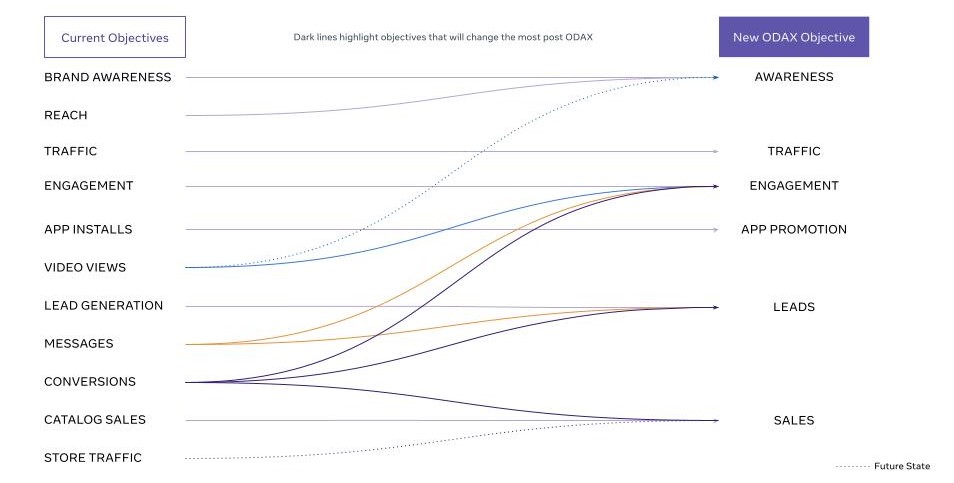
The change will gradually roll out throughout 2022. Meta is recommending developers begin wrapping their heads around the changes ASAP as the updates arrive in 2022. You can read the full announcement here.
What’s an ODAX?
As described by meta, ODAX is an:
“outcome-driven ad experiences model (ODAX), where advertisers can select their designed business outcomes (e.g. Awareness, Traffic, Engagement, Leads, App Promotion, Sales) and the interface will guide advertisers to the most optimal campaign setup/creation paths to achieve that outcome.”
As the ads ecosystem continues to expand and fragment, advertiser confusion has become a significant factor. It’s increasingly difficult to understand which objectives to select and how to achieve those desired outcomes.
ODAX looks to simplify the campaign objective options to allow for a more user-friendly experience within the Ads Manager. Meta says that ODAX should:
“Provide Guidance: With better information about advertiser intent, Ads Manager is able to provide more guidance for advertisers through campaign setup, making it easier for them to achieve their marketing goals.”
What does this mean for advertisers?
Time will tell whether these changes limit the ability to tailor ad settings to a specific degree or whether the more overarching options help optimize goals and improve ROI in the long run.
Meta’s goal seems to be to bring the possibility of paid media advertising to as many people as possible and to simplify tools and techniques to guide users in the right direction. Is it possible that these decisions could limit the ability of advanced users? Or will advertising experts always find a way to focus their audience targeting?
Either way, it seems as though making the Ads Manager more intuitive has driven this new update decision, a common trend with other big brands like Snapchat or TikTok. As more intuitive design will always empower the user and drive more value for the brand.
For small-time businesses, who may not have a deep understanding of how Meta uses ads, this could be a great enabler for those getting into the business whilst also broadening the marketing opportunity for newly-founded companies.
However, with great simplicity comes great limitation. ODAX could make it more challenging to find niche audiences or communities. We’re putting a lot of money on the algorithms and pragmatics of Meta working in our favour.
Though the idea of more people having the right help in place so they can start marketing to their heart’s content is fantastic, audience targeting seems to narrow continuously on their platforms such as Facebook. However, there are still ways to find your perfect target audience; watch our Facebook and Instagram Advertising bite-size session for super top-secret insights.
If you’d like help navigating the ever-evolving landscape of Meta’s ad-sphere or would like further insight into Facebook advertising, get in touch with our team of professionals.
In our recent bite-size learning session, our advertising experts walked attendees through one of the most overlooked social media platforms: LinkedIn. When it comes to getting your products and services seen, LinkedIn might not be on your initial radar but it should be. If you’re stuck on where to start, or your strategy needs tweaking, we’re here to help. It’s time to review the Q&A from the session.
Your LinkedIn questions answered
What is the pixel and how can I use it on LinkedIn?
LinkedIn has a useful tool called the Insight Tag. It’s a small piece of code that sits in the header of your website code and allows you to track people coming and going to your website. It sends all of the data back to LinkedIn so you can track conversions as a result of LinkedIn ads, build out audiences to create lookalike audiences and also allows you to build audiences for retargeting purposes. This is key when it comes to optimising your ad reach and we recommend installing LinkedIn Insight Tag early so you can track conversions from day one.
How can I see accurate reports on LinkedIn?
We recommend recording conversions with Google Analytics and on the platform itself so you can compare numbers. If you think you’re not receiving accurate reporting within the platform, take a look at your attribution setting in your conversion windows. It might be that your conversion windows are too short, resulting in inaccurate reporting of conversions that take time to come to fruition. We recommend looking at all types of conversions that your campaign might bring in, so you can map the customer journey better and gain greater visibility of any drop-off points.

Do your message ads need to come from a personal LinkedIn account or can you send them from a business profile?
You can send message ads from both personal LinkedIn accounts and from your company page. Running ads from a company page may require some whitelisting by a LinkedIn account manager, however, this is not the default when setting up your ads so it might take some time for your account to get whitelisted. If you need help obtaining the appropriate permissions to run your campaigns, talk to us.
Do you recommend LinkedIn for 16-24 year olds?
59.9% of LinkedIn users are between 25 and 35 years old so we wouldn’t particularly recommend LinkedIn ad targeting for under 18s, just because they’re not likely to have an active account. However, if you’re set on LinkedIn then consider who you could target that might have influence over this demographic – teachers, managers or mentors, perhaps. For 18-24 year olds, however, it’s a great platform to consider.
 What is the optimal video length on LinkedIn and how does it differ from TikTok or Instagram, for example?
 It’s about the same as on other video-heavy platforms, so around 10-15 seconds is optimal. Remember that in the digital age, our attention spans are at an all-time low and you need to be able to capture attention quickly. Just remember that LinkedIn is a more corporate, professional platform so we wouldn’t recommend super short videos but we also wouldn’t recommend long-form video either. It’s all about testing your approach and finding what works for your audience. But as a starting point, start short. (That means less time spent on creative, too!)
How do sponsored messaging ads differ from inbox spam?
Sponsored messaging is super targeted. You can choose exactly who will receive your ads, so they’re not sent out to anyone and everyone. LinkedIn uses dynamic tags to insert details about your target audience into the message, such as the person’s name and profile picture. This helps to increase the relevancy of your ad to the person you’re targeting, making conversion more likely. Conversation ads also differ from inbox spam as they’re formatted differently and feel more like a genuine conversation as opposed to a sales message.
How do lead gen ads help us access first-party data?
Third-party cookies are soon to leave the advertising game so in order to access data, we’ve got to collect it ourselves. Collecting first-party data is an important part of building your retargeting lists and moving your leads through the funnel to conversion. And lead gen ads are a great way to do so without relying on third-party cookies. With lead gen ads, users opt to submit their data and this ad format makes the process simple for them to do so. It only asks for key information, and most of it is automatically pulled from their profile, meaning there’s less typing for your audience to do. (We know, typing can be laborious at times!).
 What ad type would you recommend as a good way of dipping toes in LinkedIn waters?
Text ads or single image ads are a great place to start. They require far less planning and preparation than the other ad types. You won’t need to spend hours on creative and running these ad types. And, if you’re just starting out with advertising on LinkedIn, you can boost your posts so they gain more visibility. It’s all in the click of a button.
We went into depth into the other ad types available in the session, but you can check out the summary in our blog.
Is split testing (A/B testing) manual or is there a way to do so in LinkedIn?
LinkedIn does recommend A/B testing but they don’t have a tool in order to do so in a controlled environment. LinkedIn recommends setting up two identical campaigns, with one variable that differs between them. Although this facilitates a split test, it’s not foolproof. By conducting a split test in the platform, your audience may be served both ads and the outcomes might not be crystal clear, so we recommend creating your own split testing.
Do you have a burning question about advertising on LinkedIn that we haven’t answered? Get in touch with our team of advertising experts.
At first glance, LinkedIn might not be the obvious choice for your advertising campaign. But with an impressive click-through rate of 0.68%, it’s one of the highest performing platforms, trumping Facebook, Instagram and Snapchat. Plus, as LinkedIn is fairly new to the advertising game, you’ll benefit from lower competition, allowing you to achieve your advertising goals quicker.
LinkedIn boasts 800 million users across 200 countries on the platform, so you can reach your target audience anywhere. OK, so LinkedIn has a major following just like most of the top social media platforms – nothing new there. But what makes it unique is how users behave on LinkedIn, their motivation for using the network and their level of trust. Did you know that LinkedIn has consistently been voted the most trusted social network in terms of data handling? That’s big considering people are becoming more cautious about where their data ends up. And we all know trust is key in the consideration phase, helping you to foster positive brand awareness.

So how can you get started on LinkedIn? In our recent paid social bite-size session, our advertising experts walked you through the need-to-know ways of supercharging your advertising on LinkedIn. If you missed the session, you can catch up here. But if you want to skip forward to the insights, you’re in the right place. Let’s take a look at what we learned from the session. Onto the takeaways!
Inform your strategy with LinkedIn user behaviour
People primarily use LinkedIn to learn and connect. Although initially a platform for professional networking, the channel has now evolved and focuses on sharing ideas, industry news and connecting with people in a professional capacity. So in order to create successful ad campaigns that engage your audience, you need to be creating content that inspires and teaches. Cute cat videos won’t drive the conversions you want to see on this platform, so stick to TikTok and Instagram if that’s your angle.
Use what you know about your audience to inform your campaign objectives. From awareness to consideration and conversions, you need to empathise with your audience and create ads that engage them.
Refine your targeting
LinkedIn offers precise and powerful targeting options that aren’t available on other platforms. In addition to the typical demographics like age and geographics like location, LinkedIn also allows you to target traits like job titles, company name, industry and professional interests. But it doesn’t stop there. LinkedIn’s “Matched Audiences” feature is unique and allows you to use customised targeting to reach people that you already know. It uses website, contact, and account targeting to do so. Let’s quickly take a look at each of them:
- Company targeting. This allows you to match your target companies to other LinkedIn pages. Simply create a list of your target companies, upload it and LinkedIn will do the rest.
- Contact targeting. This is similar to company targeting as you upload a list, but it allows you to target your existing customers or prospects instead.
- Retargeting. This allows you to personalise content based on the actions that people have taken with your company already and it’s all done through the LinkedIn Insight Tag.

Teach with stats
Like we said, LinkedIn is teeming with people looking to learn. So your creative needs to teach them something. Shout about stats, facts and figures in your advertising assets – shout about why someone would want or need to use your product or service. There are loads of ad types you can use to do just that.
And speaking of ad types… Choose carefully
In addition to your typical image and video ads, LinkedIn has some unique ad types that can help you speak directly to your audience. Let’s take a look at them:
- Carousel ads. These help to tell an interactive story across multiple devices.
- Event ads. Promote a LinkedIn Event from your page to a defined audience.
- Dynamic ads. These use user information to create personalised ads. Just remember, they only appear on desktop, so consider whether your audience will see them. In fact, 57% of LinkedIn’s traffic is mobile, but if you’re serving ads during office hours, then you stand a chance of converting those sneakily browsing LinkedIn at work.
- Sponsored InMail ads. These are personalised direct messages, helping to build a connection to your audience.
- Sponsored content ads. These appear as native ads in the feed and help to promote existing content, driving highly qualified conversions and increasing the number of followers to your page.
- Conversation ads. These allow you to start conversations with your audience through a choose-your-own-path experience, helping to increase the level of engagement.
- Lead gen ads. These are great for getting your hands on first-party data quickly. Super important to have on-hand when the third-party cookie crumbles.
- Spotlight ads. These drive traffic to your website by featuring your product, service, event or newsletter with a clear CTA.
- Follower ads. These allow you to expand your audience and acquire more followers for your company page or showcase page.

Avoid hyper targeting
While LinkedIn allows you to target people with a wide range of characteristics, we don’t recommend adding more than three targeting options. Instead, refine your audience to maximise ROI. You can do this by gradually narrowing down your audience size over time by testing and learning about who your audience really is. Give split testing or A/B testing a go, changing one variable at a time to see what makes a difference in your campaign results. You can also optimise your approach by using the campaign demographics in the campaign manager. This will give you detailed information about the type of users who are clicking on your ads.
Know your buzzwords
Calls to action are super important when it comes to any ad. But when you’ve only got a few seconds before your audience loses interest, your messaging needs to be sharp and so does your content. There are certain buzzwords to use, and others to avoid. And like we mentioned, teach your audience something new with your content.
Don’t be fooled – although LinkedIn is a professional networking channel, you won’t get far by being uber corporate. People still want to see your personality shine through, so make sure to inject life into your adverts to boost that connection. There’s a whole host of research that says humans are drawn to faces and these tend to lead to better engagement on social media, so why not show the people behind your business? It might just boost your CTR.
Goodbye China, hello live-stream: It’s never too early to prepare for the future

2021 has been a big year for LinkedIn. In September, we saw LinkedIn scrap their stories feature ‘Fleets’, despite other social media jumping on the stories bandwagon. It just wasn’t as effective as LinkedIn had hoped, so they scrapped it. This goes to show how one approach definitely does not fit all when it comes to social media. And before the end of 2021, LinkedIn is set to leave China, so if you’re looking to serve ads to people there, you’ll need to rethink how and where you position your ads.
Is there any good news? Yes, LinkedIn is due to introduce a live-stream feature. This presents a major opportunity to brands looking to build brand awareness. Did you know, live stream videos receive seven times more reactions and 24 times more comments than on regular video. And, although live-streams aren’t paid media, it’s a great way to advertise your new products and we’re sure there’ll be sponsorship opportunities in the future, so watch this space!
Do you need help with your LinkedIn advertising strategy? Get in touch and our team of experts will help you smash your targets.
In our recent bite-size learning session, our Paid Media experts revealed their top tips on running successful advertising campaigns on two tip-top social media platforms: TikTok and Snapchat. We answered all of your questions regarding advertising best practices and things to consider in the future. Catch up with the session if you missed it. But for now, let’s fast-forward to your Q’s and our A’s around advertising on these platforms.
Q&A
Can you run a conversion campaign in TikTok if you don’t own the website you’re sending people to, e.g. selling tickets via Eventbrite?
Yes, you can. But you need to make sure you have the permissions to set up a pixel or integrate an analytical tool like Google Analytics if you want to track conversions. Eventbrite is good for pixel integrations. However, if you’re using another site, you can always track through Google Analytics and look at your conversions that way. Tracking and measuring are essential, so without the appropriate permissions, you won’t be able to see if your ads are performing well or not.

Can you run the ads and business side of TikTok on desktop, or is it run through the mobile app?
TikTok ads don’t run through the mobile app. TikTok’s ads are run, monitored, and managed through TikTok Ads Manager. You’ll find this on the desktop web app. It’s a lot easier to run them on desktop, so we recommend ditching the mobile for the big screen in this case.

What is the optimal video ad length on TikTok and Snapchat?
As a general rule, anything above 15 seconds is too long. Some studies show that attention spans on social media are as little as two seconds. Even though there are ad formats that allow videos of up to three minutes, we wouldn’t recommend creating long-form content. For Snapchat, we’d say to stick to 5-6 seconds, and on TikTok, around 5-15 seconds works well. But what does this mean for your creative? You need to get inventive with how you curate your ads. Get your branding and CTA out there within the first three seconds before people have the chance to skip!
The good news? You don’t have to put quite so many resources into your creative assets!
Can you conduct interest targeting to under 18s as this is now restricted on other platforms like Facebook and Instagram?
Snapchat and TikTok don’t have restrictions at the moment, which is particularly useful as both platforms’ core demographic are young people. However, we can’t say how long this will be possible as advertising ethics evolve.

What is the difference between Snapchat and TikTok?
Both Snapchat and TikTok aim to connect with user-generated content. But what makes them different? We’ve defined two key areas:
- Demographics – Snapchat tends to draw in a younger crowd; 57% of users are between 15 and 26 years old, and only 12% of users are aged 35 to 54. Although 35% of TikTok’s global audience is between 19 and 29, there is demand from an older demographic as 37% of TikTok users are over 30.
- Ad types – TikTok and Snapchat offer different ad formats. We ran through each ad type and the best for your business in the session. If you’re interested in hearing about them, click here.
How do I know which platform is right for my brand and my campaigns?
Truthfully, we can’t answer this as it depends on your objectives, brand and campaign. Play around on both of them and see what your audience engages with best. Just remember to track and measure when you change up your strategy so you can pinpoint what improved your campaign or what didn’t work so well.

For startups, what’s your top advertising tip?
We recommend A/B testing. It’s about trying something that hasn’t been done before and continuously testing one variable in your campaign. Audience segmentation is one of the easiest ways to test what works on different audience groups. Start by feeding different ads to your various audience segments – that way, you won’t bombard everyone with each new ad you put out. Ad fatigue is real – and people don’t appreciate it.
Can I use the same creative on TikTok as on Snapchat?
Generally, it’s okay to repurpose content. But if your creative is fit for purpose, i.e. adapted to suit different ad types, then the formatting might need to change. Each format has a different layout, which might mean that an ad that works well on one platform might not work well on another if part of the CTA is cut off or your audio doesn’t play. How can you overcome this issue without creating entirely new assets? By testing, of course. (Did we mention that already?)
Have Snapchat and TikTok been affected by the iOS.14 update?
Yes – pretty much all mobile advertising has been affected by Apple’s changes to privacy and data use. When reaching users on iPhones and other Apple devices, your adverts will be affected. So how can you circumvent this? By retargeting people based on their platform engagement and then tracking their behaviour through Google Analytics 4 (Google’s latest, more-advanced tracking system).
Do you have a question that hasn’t been answered? Talk to our advertising experts about your advertising challenges.
TikTok and Snapchat have one goal in common: to connect. Content on the platform isn’t shiny; there’s no camera crew behind it all and no fancy lighting – it’s just raw content. That’s what users want to see, so what’s the secret to mastering their potential?
Our Paid Media Analysts Ben and Gemma directed a bite-size learning session to show you which steps-to-strut to get your brand out there on TikTok and Snapchat and how to maximise your advertising strategy; so you don’t waste a penny. If you’re interested in watching the entire session, click here to catch up. For now, let’s delve into the details from the session.
Advertising on TikTok and Snapchat
Why should TikTok and Snapchat be on your advertising radar?
This year, TikTok hit one billion active monthly users; that’s pretty big for a platform only arriving five years ago. People aren’t just mindlessly scrolling on Tiktok – they are actively engaged. In fact, the average user opens the app eight times per day and spends 48 minutes on the app. Plus, 67% of users have been inspired to shop, making it a top platform for e-commerce. Step aside ASOS, hello TikTok.
What about Snapchat? Snapchat has fewer users (still a hefty 306 million), but they’re also highly engaged, opening the app an average of 30 times per day. What’s more, Snapchat users are 60% more likely to make impulse purchases than those not on the platform. Not only are they buying, but they’re also chatting about purchases to their friends on the platform; 35% of snaps sent through the app are about products they’re considering purchasing.
If that isn’t enough to convince you that TikTok and Snapchat are two lucrative platforms, let’s look at the stats. TikTok’s CPC (cost per click) is one of the lowest of all social media at just £0.15. Snapchat is not far off at £0.52. Low CPC allows you to maximise your ad budget whilst also attaining the right results. Both platforms also score well in CTR (click-through rate), with TikTok achieving 0.74% and Snapchat 0.58%. That means more website visits and contact forms filled in.
Key Takeaways
TikTok and Snapchat aren’t to be overlooked in your advertising strategy. Is anyone feeling peckish? Let’s move on to the takeaways!
1. Maximise your budget with goal-based bidding
Once you have defined your objectives, what can you do to ensure that you place your budget in the sweet spot and have the best impact? The answer is goal-based bidding. This is a way of moving your ad budget around to optimise your goal, showing your ad only to those most likely to follow your call to action. This will help you achieve your goal faster.
2. Use interest-based and lookalike audiences.
By targeting a specific audience and layering their key characteristics, you can increase the likelihood that they’ll convert. By using interest-based targeting around products and targeting users by their online and real-world interests, you’ll be able to build up a bigger picture of who your audience really is. After that, once you’ve defined your audience, use simple retargeting to drive them to convert.
3. Delight with multiple ad types
The attention span on social media is not the strongest. If something doesn’t capture the user’s attention within the first few seconds, they’re likely to scroll past your ad and onto the next. For that reason, we recommend combining ad formats. Use in feed adverts whilst combining other ad types as in-feed ads. These achieve the lowest CPC, and different ad formats will keep users on their toes. So, what are your options when it comes to ad types?
On TikTok:
-
- Single image and single video ads. These allow you to create deep links – links that direct them to your latest offer in-app, rather than taking them to your store. This improves the user experience by keeping them on the app.
-
- Hashtag ads. Brands can create custom challenges under a hashtag which displays on the discover page.
-
- Top view ads. These take over the screen for the first three seconds upon opening the app, helping to cut through the noise and give your ad the spotlight it deserves.
-
- In-feed ads. This is the most disruptive form of advertising as they appear when users are swiping between posts. Consider whether this approach would work for your audience.
-
- Branded lenses. These are branded AR lenses that users can engage with and share on the platform.
And what about Snapchat?
-
- Collection ads. These help you showcase multiple products and allow users to buy them directly through the app.
-
- Story ads. These ads are delivered between content through the branded tile in the ‘Discover’ section of the app.
-
- AR experiences. These allow you to create interactive moments and let people try out your products.
-
- Commercials. These are non-skippable adverts that appear within Snap’s curated content, helping you to drive brand awareness.
-
- Filters. These are artistic overlays that appear after a user takes a snap and swipes left or right, helping you participate in the community’s conversations.
4. Don’t limit your tracking to Google Analytics
There are some usual metrics that you should keep your eye out for. These metrics include click-through rate, the number of views, the cost per click and the amount of website engagement. Though these metrics are useful, you shouldn’t solely rely on them, nor should you be manually checking them. Instead, make your life simple. The following tools will make it easy for you to understand the overall performance of your campaigns at a single glance and give you the option to delve into individual metrics.
For TikTok:
-
- Google Analytics
-
- TikTok Pixel. A pixel is a piece of code that sits on your site and collects user data from website visitors.
-
- TikTok’s Business Manager
For Snapchat:
-
- Snap Pixel
-
- Snap Business Manager
-
- Apple’s SKAdNetwork. This is a privacy-friendly way to attribute impressions and clicks to app installs on iOS apps. It helps advertisers measure the success of ad campaigns whilst maintaining user privacy.
5. Look to the future
It’s never too early to prepare for the future. With social media evolving daily, staying on top of the latest developments will help you make the most of the added features.
What’s in store for TikTok?
The future of TikTok will see the ‘TikTok seller’ app come into play, allowing you to run aspects of the TikTok shop from mobile devices. This will help you manage your campaigns and promotions and access seller materials via mobile.
Business registration is another soon to be released feature that will enable brands to list their business category on their profile. But what’s the benefit? You’ll gain early access to business features, and TikTok will showcase appropriate businesses to potential customers.
TikTok also plans to enhance its targeting options, meaning you can narrow your audience more to maximise your ad spend and boost your ROI.
What’s in store for Snapchat?
The future of Snapchat is all about AR – it’ll be an alternative reality sphere. Developers will have the tools to transform local landscapes or buildings into interactive AR images when seen through a phone. This will present a myriad of advertising options regarding targeting, ad types and creative, so watch this space!
So there you have it – our key advertising tips and tricks on TikTok and Snapchat. We also hosted another bite-size learning session on Facebook and Instagram, which you can watch here right now. Or, if you’re short on time, take a look at the key takeaways here.
In the meantime, if you need help with your advertising strategy on social media or need assistance in supercharging your results and reducing your ad spend, get in touch with our advertising experts.
The digital world is ever-evolving. From the continuous updates of systems to the level of interaction and opinions users have alongside the changes, finding innovative ways to get your brand out in a fast-paced digital era can be challenging. No need to worry! Arke’s arrived and is here to help simplify the process and help you ensure the best results.
In our recent bite-size learning session, our Paid Media experts Ben and Gemma revealed their top-tip advertising tricks for platforms Facebook and Instagram. Get ready to take notes – these tips will help you achieve your objectives!
Whether you’re looking to improve brand recognition, get more eyeballs glued to your website or increase the number of contact enquiries you receive, you need to be following best practices. So, what works on these platforms, and what did the whizzes highlight in the session? Let’s delve into the key takeaways.
Why should you be advertising on Facebook and Instagram?
Facebook users are highly engaged; in fact, 78% of users log in daily. It’s not just teenagers and young adults on the platform either; those aged 65+ make up 9.5% of Facebook’s active users. Comparatively, Instagram paints a similar picture: users spend an average of 53 minutes per day scrolling the platform, with 130 million tapping on shopping posts per month.
LTA (Let’s talk acronyms)
Facebook’s CPC (cost-per-click) is one of the cheapest. At an average of £0.39, you can convert new customers on a tight budget. However, you need to consider your audience; the way users interact and navigate with the platform to drive your CPC down. There’s more on that in this blog so stay tuned!
CTR (click-through-rate) refers to the percentage of people who saw the ad and clicked the link. Instagram’s rate of 0.40% is one of the lowest, trumping Facebook, TikTok, Snapchat and LinkedIn. If you’re looking to advertise your latest product and encourage your audience to stuff that shopping cart, Instagram is the place to do it.
We know the why, now for the how! Let’s turn our attention to the strategies that advance your advertising on Facebook and Instagram.
Aligning your audience with your ad campaigns
As much as we’d love to, we’ll never be able to sell to everyone. Casting your net wide makes it expansive, yes, but it becomes weaker as a result. Instead, hone in on a specific audience, one you know will resonate with your brand – this will help you maintain your budget and inform the direction your comms and creative take.
When it comes to targeting on social media, lookalike audiences are your best friend. You might not have an impressive customer or client list, but you can expand your reach via lookalike audiences. These are audiences created within the platform and are made to feel and ‘look’ the same as your target customer. By using demographics, geographics and behaviour, you can reach similar audiences on Facebook and Instagram as your current audience. But of course, Meta can’t tell you who your audience is. You’ll still need to create a user profile for your existing customers and those you want to reach. Here are some key questions you need to answer to define your user profile:
- What are their interests, and what intent signals can you use to reach them?
- Who do you want to target? Where do they live? How old are they?
- What channels are they active on?
Which ad format should you choose?
Once you’ve identified the who, it’s time to look at your adoptions. Not all ad formats will work for every audience type; you’ll need to identify which ads your target consumer engages with best. Let’s take a look at your options:
Facebook ad formats:
- Augmented reality ads. These let people interact with your products, experiment with your AR camera effects and then encourage them to purchase with a strong CTA (call to action)
- Carousel ads. These are a series of images showcasing products, services or promotions.
- Lead gen ads. These make it easy for your target audience to get in contact with you. A form will pop up in the advert, and their contact information will be sent directly to you. Qualified lead? Yes, please!
- Instant experience ads. Quick to load, optimised for mobile and designed to capture the user’s attention. These ads are the pinnacle of a great user experience, encouraging users to click tagged products, helping you make a sale.
Instagram ad formats:
- Stories ads. With 500 million people using Stories daily, alongside 58% saying they have become more interested in a brand or product after seeing it in Stories, we see big potential. Plus, they take up the whole screen, making it an immersive experience in an easily-distracting digital age.
- Reels ads. Known as the best place to reach people who don’t already follow you. Plus, they can comment, like, save and share.
- Collection ads. The best format for driving people directly to a product page to discover more. You choose the design – image, carousel or video.
What else would we recommend?
What makes an advertising campaign great? Is it the creative, the messaging, or the out-of-the-box thinking? Surprise, it’s all of the above! With that in mind, here are our top tips when it comes to advertising on Facebook and Instagram:
- Clarify your goals. Choose an objective that drives business value. Without an objective, you won’t be able to measure the success of your campaigns.
- Narrow your audience. Once you know who you’re targeting, get personal through your comms and creative and utilise placement optimisation. This results in you not wasting your ad budget.
- Be visual and be heard. Stand out in a crowded ad space by being bold. Capture the attention of those on the go by including your CTA in the audio. And for the 40% of users who consume content with the volume off, include captions and text overlay.
- Design for mobile-first as 98.8% access social media through their mobile devices.
- Test different ad formats and run with what works.
- Don’t duplicate your ads across platforms; curate and tailor them for each channel.
- Include an enticing value proposition. Why should users click on your ad?
- Include a clear Call To Action. As with any good ad campaign, a short, concise CTA is the final step in converting your audience.
Track, test and trace
It’s okay, we’re not about to bombard you with COVID kerfuffle, but the three Ts do apply to ads. To get a taste of that sweet ad success, you need to be looking at engaging metrics such as; CTR, number of views, impressions and conversions. Keep an eye close to these metrics, as they will only strengthen your choices throughout a campaign.
It’s never too early to prepare for the future!
Everything keeps changing all the time; give us a minute to catch up! In the digital age, flexibility is paramount to optimising your approach, especially when the landscape constantly changes. But what should you be looking out for?
- The conception of the Metaverse. Okay, so Meta hasn’t planned for its launch until at least 2026, but we can’t help but wonder what advertising opportunities the Metaverse will open.
- A lack of trust. How will a lack of trust change how consumers behave on social media? Will social media lose its potency, or will messaging adjust to reassure consumers? Consider how you can adapt your approach and champion transparency and ethics in advertising.
- Detailed targeting options to be removed in 2022. Will the change to targeting options alter the effectiveness of ad campaigns? How can we overcome the challenge of reduced targeting categories?
That’s all the insight we have for now, but keep calm and carry on marketing; we’ll be back very soon with more bite-sized sessions and blogs!
Until then, if you are itching to get started on your Facebook and Instagram advertising campaigns but would like a helping hand from our team of advertising experts, get in touch now.
Everyone’s got questions about social media. The changing nature of social networks makes it almost impossible to keep up. Whether you’re looking to build brand awareness or increase leads through your social ads, you need to stay on top of the latest updates, making sure your brand shines boldly in front of your audience. But what’s the secret? Our Paid Media Analysts, Ben and Gemma, directed a bite-size learning session dedicated to answering frequently asked questions around getting your brand out there on Facebook and Instagram. But for now, let’s delve into the Q’s and A’s.
What is a lookalike audience?
A lookalike audience is a way to expand your reach outside of your existing customers. Facebook looks at the unique characteristics of your audience and finds people who share those characteristics. From film to flower picking, the reach to find similar audiences is massive. Just remember, you can create a closely matched audience or a broader audience depending on the objectives of your campaign.
If you’re looking to increase brand awareness, a broad lookalike audience will cast your net wide with the potential to catch nibbles from similar but not identical audiences.
If you’re looking to target a specific audience, you’ll want to create a closely matched lookalike audience, meaning they share the majority of the characteristics of your current audience. This is useful if your campaign aims to sell to a specific customer. By streamlining your audience, you can focus your budget on those who are likely to convert, resulting in a higher CTR (click-through-rate) and help you to reduce your CPC (cost-per-click).
Is there an optimal video length for ads on Facebook and Instagram?
The shorter, the sweeter. We recommend snackable content between 10-15 seconds. But how do you know if this is the optimal length for your audience? Will it achieve the objectives of your campaigns? The solution? Test, test, test! As with any good marketing strategy, you need to test and optimise your campaigns. If your audience isn’t following your CTA (call-to-action), whether it be clicking through to your website, calling your shop or following your account, your video might be too long for them to reach your CTA. Test out a shorter version and see if that leads to the results you want.
What happens when your audience is super engaged? Once you’ve captured that initial engagement and your audience is just dying to know more about your brand, it’s time to retarget them with longer video content to really bring the message home.
What are our tips for creating reels and other content on Instagram?
Keep your content rough and ready. Think like an Instagram user – how would they create content? Would they have a flashy camera, a filming crew and a team of editors behind it all? Probably not. From experience, corporate creative doesn’t perform well on Instagram. ‘Grammers want to see native content in their feed. That means content that fits the style of the platform, like UGC (user-generated content). Include real people and stories in your approach. Perfection doesn’t produce results on Instagram.
What do you make of changes to targeting options?
If you missed the telegram, Facebook has made some changes to what you can target on the platform. Meta wants to improve its advertising ethics, such as not using the data of those under 18 years old. This means we have to adapt the way we target audiences through Meta’s platforms. The good news is that updates like this keep us on top of our game. As advertisers, changes like this force us to think outside the box to reach audiences ethically and without breaching any rules.
Does Twitter have a place in the marketing mix?
We’ve shown our love for Facebook and Instagram, but should you also be focusing your resources on Twitter? To make advertising waves on Twitter, you need to understand the platform. It’s a conversational channel that deals with current topics, so you need to be responding to these topics to be seen on Twitter. In short, it all depends on your brand and how flexible and reactive you can be to industry news. If your brand can leverage the caffeinated, fast-paced nature of Twitter, then go ahead. But if your brand is corporate, you might want to steer clear of Twitter and stick to decaf.
Stay tuned for our Q&A roundups for TikTok, Snapchat and LinkedIn. Until then, If you need help with your advertising strategy on social media, get in touch with our advertising experts.
Making your film is one thing; getting it out there for the world to see is another. In our always-online world, the cinema isn’t the only way to get eyes on your movie.
In a recent survey, 86% of respondents said they’ll pay the same (or more) for subscriptions in the next year. With an almost infinite option of VOD services, people are engaging with cinema on the small screen more than ever.
However, many of these platforms aren’t the cheapest option for filmmakers on a tight budget, and every penny counts. Don’t worry! As the president of uscreen, PJ Taei, puts it, “today, all the tools are available for you to bypass studios, distributors, and even Netflix and get your story out into the world.”
Raindance, one of the largest independent film festivals, has been researching how and why you should be using OTT (over-the-top) websites to distribute your film. So, let’s set our phasers to “note-taking” and explore the world of independent film distribution.
DIY? That’s OTT!
Gone are the days of splashing the cash for coders and developers; web design is a process anyone can pick up. By self-distributing, you cut out the middle-man and gain complete control of your movie’s marketing. This also results in more income for you!
Does ownership of your movie and more money sound good to you? Well, here are four steps to take into account when launching your own OTT website:
- Define your audience. Having an online presence before launching will make all the difference. Before you even begin thinking about launching a site, using social media platforms and engaging audiences interested in film (and its specific niches) should be the priority. Sites such as Reddit and Tumblr are fantastic platforms to hone in on unique interests, and with the ability to repost, gaining lookalike audiences will be a breeze.
- Choose an OTT platform. Finding the perfect OTT service is as vital a decision as casting your actors. Ask yourself, is this website builder easy to understand? Is its video hosting reliable? Is there an opportunity to integrate methods of email marketing onto the site? Here’s a list of the best OTT sites being used right now!
- Choose your monetisation method. Subscriptions, pay-per-view, a one time purchase? How are you going to get the audience to watch your movie? Amazon Prime Video offers both a “rent for a while” feature and exclusive access to films through its subscription model.
- Launch and promote your film. It’s time to get creative! A passionate filmmaker is proud of their work (and so you should be, it’s hard making a film!) It’s time to flaunt your achievements and engage your audience! By utilising your social media presence and offering exclusive content (fan-art, BTS etc.); promoting your film can be just as creatively fulfilling as the filming itself.
Last but not least, maintaining your brand presence online isn’t an overnight objective. There are a few extra things you can do to make sure you’re getting noticed online, such as customised URLs and getting personal with your post. Raindance has an insightful article on this topic.
“People don’t change. Times do.”
The internet has changed the way we consume media. More than half of Gen Z in the US and UK started streaming more online content through the pandemic, and that number will only increase with the number of streaming platforms offering unique services by the second.
According to uscreen, when streaming video, 65% of it is done through mobile and TV apps; rather than browsers. Referring back to OTT, this is another factor to consider; you’ll want your site to be accessible on devices such as an Amazon Fire Stick, especially when over 239 billion hours were spent using video streaming apps across the globe last year.
Additionally, Satistia found that, even though advertising generates 51% of the total revenue in the OTT market, subscription customers generate nearly twice as much money per user than users who opt into ad-supported streaming services. So don’t expect a significant ROI if you’re planning on going down the “upload to YouTube” alley.
Don’t Give Up, DIY!
“Distribution is the bottleneck that’s strangling independent film,” says founder of Raindance, Elliot Grove. Getting your film out there is a challenging task, but it’s also never been so easy to act upon.
For those already more established filmmakers out there who want to try their luck gaining the big dog’s attention, Production Base has posted an article on getting your film onto Netflix.
As we stated earlier, self-distributing your film leads to more creative control, something we love to see when it comes to making something unique. Remember, it’s essential to keep track of your budget throughout the process, don’t forget where you’re laying down the movie money! Surrounding yourself with other filmmakers or those knowledgeable about film financing will help bring your movie to life all the more swiftly.
So best of luck, you upcoming Oscar winners! If you’d like more insights into brand-building online, want help in selecting the right OTT website design for your work, or simply want advice on how to promote your film and get eyeballs on your work, contact our team of film marketing experts now.
There’s a conspiracy afoot online! Recently, huge brands such as Amazon, Asos, Nike, and Ted Baker have been affected by algorithms allowing their adverts to appear on sites spreading Covid misconceptions.
The Bureau of Investigative Journalism found that these companies were profiting off of adverts linked to sites that were falsely claiming news surrounding the pandemic.
The reliance on algorithmic pairing for ads and site placement is the norm for most brands with an online presence. However, with such a wide web of sites to throw the net over, it’s likely some placings end up on dodgy pages unnoticed.
The buying and selling of ad impressions are instantaneous when using Real-Time Bidding methods, leading to less monitored sites popping up in the auctions from time to time.
For example, adverts for Amazon Pharmacy were popping up on over 30 websites associated with fake news regarding Covid. Additionally, ads for NHS Diabetes appeared on sites promoting anti-vaccine articles.
These issues will only rise higher in concern as more people flock to Google to advertise. Insider Intelligence reported that ad spending increased by 12.7% last year, with an increase of 20.4% this year, most likely due to the “stuck inside all the time” pandemic.
With RTB being the most popular way to advertise online, issues surrounding questionable ad placements will continue until something changes. Such as…
Google & The Ad Algorithm
Google is a pivotal player in the advertising world, so when issues arise concerning its algorithm, everyone will take notice. Not only were a significant number of companies negatively represented online due to the misplacement of their ads, but additionally, ads appeared on more than just one Covid-conspiracy website.
Responding to the previously mentioned investigation, a Ted Baker spokesperson stated: “The location of these adverts is driven by the Google Display Network. We can confirm that we have worked with Google to resolve this issue and that our adverts will not appear on these specific sites in the future.”
That may seem all-well-and-good for a massive institution like Ted Baker, but who’s looking out for the little guys? We can’t all get in touch with Google that easily, so what can we do independently to secure our ads are in all the right places?
Some Tips and Tricks
The online world is riddled with cookie crumbling, privacy policies, and algorithm adjustments. Brand safety has never been more essential for marketers.
It’s time to get read up on ad exclusion placements for your campaign. Google Ads Help has a support page, all about how you can monitor where your ads are ending up, including an automated scheduling system to lessen the workload.
Managing your Google Display Network and excluding certain websites has several additional benefits too. For example, you’ll be saving money on ad spend. Don’t waste money on websites that lack leads and spread negativity; aim for those professionally made pages that are credible, well received, and certified.
Be prepared. Be the best.
Reagan Macdonald, the Director of Public Policy at Mozilla, told The Guardian: “We know the ad ecosystem is incredibly opaque. It’s almost like we’re not supposed to look under the hood. Because if you do, you find this mess. What I really hope is that this will be a sort of last straw for the brands.”
Advertising online can’t be explained in one day (or post), but we can certainly start chipping away at the issues to make sure your brand is protected from pesky problems such as this one.
As marketers, we have a responsibility to make sure our brands are presented positively across the internet.
Need advice for managing your Google Ads? Want to gain insight into excluding certain websites from your RTB strategies? Contact our team of professionals now.
Grab that extra-large popcorn and get ready to be blown away! Coming to a computer screen near you, Arke presents… Independent Film Marketing: Tips and Tricks to getting your film noticed (it’s a working title.)
When we think film advertising, we picture a trailer before the main event, an advert playing bold and brightly on the big screen. However, for the movie-makers out there who aren’t bringing in the big bucks, you might be wondering where to start; where is the best place to advertise my new movie?
In today’s VOD-driven world, advertising on digital platforms is an essential part of the production process, from targeting your audience to the creativity of your campaign. You’re gonna need a bigger boat when it comes to discussing the expansiveness of film marketing.
The Money, Movie and Social Media Platforms
Advertising your film via social media is one of the best ways to engage your audience, especially if your budget isn’t an Avengers level of spend.
In an interview with Filmmaker Magazine, the multitalented filmmaker Jim Cummings gave us an insight into his marketing methods using Facebook Ad Manager.
“I had a Facebook Genius appointment—two sessions, one hour each—with [a consultant], and she was wonderful…” Cummings mentioned one of the biggest takeaways from the sessions was how useful their targeting algorithms work in engaging an audience.
For example, “Let’s say you’re having a hard time getting a Variety review. Now, you can just target people on Facebook who like Variety, and it’s the equivalent of getting press in Variety…”
There’s no exclusivity regarding marketing on social media; creating ads is as easy as finding an audience you want to engage with and targeting them. “By spending money on this or that platform, you’re able to hijack an outlet that wouldn’t let you have access without them having anything to do with it.” Cummings continues.
This can also open up the opportunity to gain a lookalike audience, as those sharing and posting about your film are likely connected to other users who also enjoy some cinephile-centred posts.
Additionally, filmmakers can also advertise to people in a specific location; this is known as Geotargeting, which can be super handy if your film is playing in an independent festival nearby.
What’s great about advertising online is how efficiently you can break down who you’re looking for. For example, engaging with an audience interested in film is just the tip of the iceberg. With Facebook Ad Manager as our example, you could then split your campaign into the categories of independent film, the specific genre or even cultural groups who might be interested. That’s right, everyone! It’s our usual suspect, Split Testing, triumphantly taking the stage once more. Monitoring your online traffic and understanding where the most eyes are will allow you to focus on what’s working with the audience.
Become One With the Audience You Must
Cummings placed all $33,000 of his marketing funds into social media strategies. However, his methods didn’t come without a few hurdles.
Reddit has a very different audience compared to Facebook. The filmmaker noticed that nobody was engaging with the trailer for his film, Thunder Road. “[Reddit readers] don’t like ads. We posted the trailer a month before and nobody watched it,” he stated. However, when Cummings posted a goofy photo of himself, he garnered over 12,000 views.
You must understand the audience that’s on the platform you’re utilising. Reddit has an entire post highlighting who their demographic is.
And obviously, we couldn’t speak of social media without mentioning TikTok. With it being the best place to advertise towards Gen Z as they stay inside and avoid the cinema, creating uniquely engaging TikToks can unlock tons of advertising avenues for your film.
TikTok is the fastest social media platform ever, with countless communities getting together to discuss pop culture. The movie hashtag (#) alone has over 119 billion views. Great Scott, that’s a lot of numbers!
A great example of a brand taking advantage of TikTok advertising is how Sony campaigned for their film Escape Room, inviting influencers to participate in immersive tasks centred around the movie.
This campaign comes from Sony, meaning they had a lot of cash to splash regarding the marketing. However, the vital takeaway from this campaign is its creativeness and how Sony integrated TikTok influencers, creating a strong synergy between the brands.
We have a great masterclass on using TikTok to supercharge your brand.
Let’s Get Campaign Crazy!
In addition to everything we’ve been through so far, there are a few other examples we wanted to highlight for you film-fanatics out there.
Firstly, if you want your ads to frolic on Facebook, you’ll want to follow some guidelines to make sure they’re super engaging. Here are a few examples highlighted by the site:
-
- Use vertical videos
- Use less text on images
- Add multiple images using the carousel format
- Add movement
- Use CTAs
On the contrary, you could go full Ferris Bueller and play by your own rules when creating a film campaign. By bringing something unique to the table, you can generate discussions around the ads themselves and thus gain more awareness for your film.
Cloverfield is a fantastic example of how movies could be marketed uniquely. The team created an “alternate reality game” (ARG) in which audiences could explore the web and delve deeper into the film’s lore by visiting fictional websites set in the same universe. The campaign was so successful the company revisited the idea for the sequel.
Controversial marketing may be unethical at times, but it can show results. The godfather of independent film marketing lies with The Blair Witch Project. The campaign used questionable tactics, such as fake adverts for missing filmmakers and actively encouraging chatrooms to continue searching for answers online. The marketing for Blair Witch is still one of the most influential independent film campaigns used online.
How about another example, Murray? We couldn’t talk about controversy without mentioning 2019’s Joker, which became one of the most topical movies of the year due to its themes. However, it’s important to remember these discussions came organically through media outlets raising questions, a factor that is impossible to control in the hands of the film production itself.
Taking a campaign in unique directions helps you stand out from the others; if your ad creates a conversation, you’ve earned free media publicity in recognition of your work. Following these tips and tricks will help you figure out where to bundle your budget and make the overall creative process a little more…
The End…?
As Jim Cummings states: “We have all this data now. We can specifically engage with the people who liked our movie, and we don’t need anybody anymore—and that’s an incredible feeling.” Social media has brought in a new wave of ways to advertise, and it’s an offer you can’t refuse.
At Arke, we were tasked with reaching a wider audience whilst increasing the number of direct release purchases for the film Williams. If you’d like to read into our strategies in film marketing, you can read the case study here.
Additionally, if you’d like further insight into behavioural data or want to level up your brand awareness online, get in touch with our team of experts now.
Right when you thought advertising couldn’t get any trickier, Facebook declares that marketers won’t be able to advertise to users under 18-years-old based on their interests and online activity.
But why stop there? Kill three birds with one stone and implement these restrictions to Instagram and Messenger whilst you’re at it.
These restrictions will have a consequential impact on how brands advertise on social media, especially concerning the reliable techniques of lookalike audiences and retargeting.
You remind me of someone.
A lookalike audience is a term we use when reaching out to new audiences who are similar to already reliable customers.
Usually, marketers can gather this information by comparing the interests users post and discuss on social media platforms. For example, if our friendly customer, Johnny Football, has a Facebook friend who enjoys kicking the ball around too – it would be in a marketer’s best interest to advertise to them.
Additionally, retargeting allows marketers to deliver ads directly to users who have previously interacted with your brand. Whether through visiting your website or searching for a specific product, retargeting is a vital player in the consideration stages of a buyer’s journey.
With privacy restrictions rapidly integrating within social media platforms, these strategies will become significantly harder to utilize.
Oh, Facebook…
Why all the changes now?
Earlier this year, researchers experimented with the platforms ad algorithms by creating adverts aimed at 13 to 17-year-olds revolving around alcohol, weight loss and gambling, even though Facebook’s policies forbid this.
Thankfully, the ads never saw the light of day. However, Facebook’s ad management system did approve them for publishing.
With the latest additions to Instagram’s privacy settings (being that users under the age of 16 will have their account automatically set to private), Facebook said this about privacy restrictions and children on their platforms:
“This is complex territory, with competing interests and considerations. We’re committed to working with experts and the broader industry to give young people a compelling and safe experience on our services.”
Tip of the iceberg
These restrictions are a cherry-topping piece to an already privacy coated cake. It’s becoming harder and harder to advertise online. We’ve previously discussed how Apple has implemented stricter privacy restrictions to their emailing system (which you can read here).
We also can’t forget about our old friend Mr Third Party Cookie and its crumbling significance online.
From a users perspective, it will help safeguard privacy, but it will lead to a worse user experience as the ads they see won’t be relevant.
For example, this will have a massive impact on universities and colleges that advertise uniquely to potential students. With these new restrictions, educational services will struggle to gather click-through rates as ads become less targeted and relevant. This could have a significant effect on specific periods such as Clearing and A-Level Results Day.
Let’s get creative!
It’s not all doom and gloom. It’s time to get experimental and rejig our advertising efforts! Let’s take a look at some creative and innovative techniques that will help mitigate these restrictions and get you ahead of your competitors:
Firstly, marketers can still use broad categories and advertise to this cohort. These include factors such as age, gender and location. Ads that focus on these themes are not out of the question.
Ty Martin, the founder of Audience Kitchen; a platform that helps uncover targetable audiences on Facebook and Instagram, states:
“Most advertisers are treating Facebook and Instagram pretty much the same and letting Facebook do the work of allocating the budget between those, serving the creative format that performs the best…”
Additionally, maybe it’s time to pack your bags and move to a different platform. Contextual retargeting is all about altering your advertising methods to cater to the content of a specific webpage. And what better place is there to get creative than the newest member of the social media family, TikTok!
TikTok offers a goldmine of advertising formats to get creatively crazy over. We’ve highlighted them here if you’d like to delve deeper.
We also can’t forget about our other Gen Z social hub, Snapchat. Being one of the “fastest ways to share a moment”, we’re getting great results with our advertising efforts due to its easy-to-use interface and snappy (sorry) design.
As always, we’ll keep you posted with any additional insight we gather about privacy restrictions online. In the meantime, if you’d like advice on how to advertise online and avoid these prickly privacy regulations, contact our team of professionals now.
It’s time to get green(er) everyone, get those brand values up-to-date and reviewed as the government is beginning to knuckle down on businesses that mislead falsely implemented green claims.
Wait, what’s going on?
The CMA (The Competition and Markets Authority) have given the red-light warning to companies that claim their products comply with the law should (unsurprisingly) follow the law.
Investigations carried out last year by the CMA found that 40% of green claims made online could be misleading. This evidence implies that businesses could be breaking the law through false representations of their products and brand.
These new rules have been labelled under the “Green Claims Code” and will aim to provide companies with steps into making their credentials as eco-friendly as possible. These laws won’t be mandatory until New Year, so we have plenty of time to improve our values and refine our images so that they’re squeaky-green.
Firstly let’s get to grips with greenwashing…
What’s Greenwashing?
Greenwashing is a marketing term that suggests environmental PR is applied deceptively to persuade the public. These methods include spinning aims and policies to emphasise an environmentally-friendly image for the brand, even if that’s not the case.
In a statement, Andrea Conscelli, Chief Executive of the CMA, said: “More people than ever are considering the environmental impact of a product before parting with their hard-earned money. We’re concerned that too many businesses are falsely taking credit for being green, while genuinely eco-friendly firms don’t get the recognition they deserve.”
Previously, we’ve seen many companies muddying the water when it comes to greenwashing, such as Ryanair Air, who posted statistics based on data from 2011 to keep a specific brand representation.
The Claims
We’ve established when and why the rules are coming, now let’s look at what they are. HM Government has a lovely little video explaining the laws, but we thought we’d post them too and elaborate on what your business can do to keep clean and green.
1: Are your claims truthful and accurate?
2: Are your claims clear and unambiguous?
3: Do your claims omit or hide important information?
4: Do your claims make fair and meaningful comparisons?
5: Have you substantiated your claims?
6: Do your claims consider the full lifecycle of a product?
Not too bad, right? These rules should already be methods you have integrated into your brand values in some shape, way or form. Now it’s a matter of improvement; fine-tweaking those values to make sure your business shines brightly in the eyes of the audience.
How can we make sure of this?
Live up to all the claims you’ve made.
- Don’t be the person who brags about how good they are without clear and detailed examples. Make sure you’re providing credible evidence to back up your claims.
Don’t be vague!
- The classic tale of “customer comes first” never fades. Your statements should be transparent and clear so that everyone can appreciate where you stand and make an informed choice on what they’re purchasing.
Establish your impact!
- Emphasise the effect your product has in the grand scheme of things, from creation to disposal. You should bring your audience on a journey that keeps them fully informed about how passionate you are about making environmental changes.
Additionally, it’s vital to remember supply chains are in constant flux; there will always be a consistent evolution in social and environmental regulation. Rework brand values from time to time ground your business at the forefront of a positive brand reputation – as long as you can live by them!
Anything else, Arke?
Shout your values from the rooftop! Every company is unique and has the right to emphasise its importance in environmental change.
Remember, carrying out your statements is just as important as stating them, so be as eco-active as possible. We have a great blog regarding brand values and how to make an impactful stand, which you can read here.
We live in a very eco-conscious world with sustainable and green credentials becoming more and more the norm. Are you ready?
Would you like advice on how to invigorate your brand values? Perhaps you want to gain insight into maintaining an environmentally-friendly presence online? Contact our expert team now.
Just in case you missed the headlines, TikTok is pretty big! We’ve emphasised the benefits of online businesses on TikTok previously in several blogs and masterclasses. However, you can never have enough information at your side.
TikTok has proudly fluttered its feathers by releasing its Global User Insight Report. Through Kantar (the world’s leading data, insights and3 consulting company), research conducted through the United States, Canada, United Kingdom, France, Germany, Italy, Spain and Indonesia is available for marketers to take note of and use to their advantage.
So get comfy, grab a pen and pad and let’s get statistical!
In a world with eye-catching creativeness around every corner, captivating an audience to stay on your platform is crucial, and it would seem TikTok is leading the way in keeping their users engaged:
TikTok Insights
The Stats:
-
- 35% of TikTok Users say they spent less time watching TV or video content since they started using TikTok.
- 45% of TikTok users say they spend less time on dating apps since using TikTok.
- 46% of TikTok users engage with TikTok’s content without any other distractions.
TikTok doesn’t just make your day through entertaining cat-dancing videos; it also provides an array of inspirational and educational topics. These stats highlight what individual users are learning and doing through the platform:
Solo Stats:
-
- 59% Learn current events and trends.
- 60% Learn new recipes or DIY projects.
- 69% Follow creators.
- 71% Watch videos.
The days of sitting by the fire and reciting stories are long gone. Instead, a culture of togetherness is present through social media, and TikTok’s focus on participation and collaboration is at the forefront of keeping that family bond strong:
TikTok With Friends and Family Stats:
-
- 67% Share videos.
- 66% Participate in hashtag challenges.
- 65% Participate in a trend/prank.
- 61% Message friends.
- 57% Learn new dances.
- 56% Film a TikTok.
- 55% Create original content.
CTA’s are vital in the online marketing world. Compelling the audience to keep clicking is what keeps the lights on! Through these stats, we can see why brands are using the platform as a user generating gizmo:
CTA Stats:
-
- 81% of TikTok users say they plan to spend the same amount or more time on TikTok.
- 92% of TikTok users say that after watching a TikTok, they take action (such as liking/commenting on a video, sharing with friends, following a brand, or purchasing/researching a product).
- 25% of TikTok users say that they purchase or research a product after watching a TikTok.
Were you born before 1996? Sorry friend, you don’t qualify for the Gen Z lifestyle. However, you can explore how these youngsters are driving TikTok’s in-app purchases:
Gen Z Stats:
-
- 41% Say they listen to fewer podcasts after joining TikTok.
- 33% Say they watch less TV after joining TikTok.
- 50% Say that they follow TikTok creators after watching TikToks.
- 25% Say that they have purchased or researched a product advertised on TikTok.
More, More, More!
Kantar’s insights aren’t the only stats we stuck down in our notepads. TikTok For Business had some of their own fancy figures they wanted to let people know about:
-
- 52% of users say they find new products from ads on TikTok.
- 61% of users feel that advertising on TikTok is unique from top social and video platforms.
- 43% of heavy TikTok users say that the advertising on TikTok blends in with the content.
Statisfied?
Now that all the numbers are out the way, let’s ask ourselves, why are these insights beneficial?
TikTok puts it best itself; the platform is a pioneer for community and creativity. It leaves the audience engaged and wanting more.
The platform offers an infinite amount of hashtags (#) for the user to explore, and in consequence, invites the opportunity for companies to market to their heart’s content.
A fantastic example to be aware of is TikTok Made Me Buy It. This hashtag (which has accumulated over 5 billion views) has driven social e-commerce in uniquely interesting ways, impacting huge topical interests such as fashion retail.
TikTok Restrictions
Beware of the Restrictions!
However, advertising on TikTok (and other platforms) might not be all peaches and cream in the long run…
Recently, Facebook announced the halting of ads targeting users, 18-and-under – due to the recent controversies surrounding the platform.
Though there hasn’t been any indication TikTok will follow suit – privacy restrictions online are sweeping their away across social media, and it’s best to prepare for these implications.
For now, it’s safe to say TikTok and marketing is a match made in heaven for marketers. We’d know because we have our own Arke TikTok account you can follow (wink wink).
Would you like help supercharging your brand for TikTok? Are you interested in improving your audience engagement through social media? Want to reach your target audience on an untapped platform? Contact our TikTok experts now.
Right when you think you’ve got the hang of advertising on Facebook, the company announces changes in how it presents audience projections.
Facing The Facts
As of now, when you create an ad for Facebook, the site will display its ‘Potential Reach’, with a specific range of numbers that your campaign will likely garner. This number will reflect the targeting criteria you select.
However, with these new implementations, Facebook will now show a generalised ‘Reach Estimate’ instead of specific numbers. Additionally, this system will bundle several categories together under one roof, including ‘Potential Reach’, ‘Estimated Daily Results’ and ‘Interest Categories’.
In a statement, Facebook said: “In order to make the presentation of those pre-campaign estimates consistent, we are changing Potential Reach and interests into ranges instead of specific numbers, which is how Estimated Daily Results are already presented. Ranges are also in line with how pre-campaign estimates are presented on other platforms across the advertising industry. As part of this update, we will also be changing the name of Potential Reach to Estimated Audience Size.”
Though this gives us some insight into what they’re doing, it doesn’t spell out why Facebook’s making the changes. Perhaps it’s the platform’s attempt to forgo incorrect statistics that misrepresent the reach of a targeted audience?
Elaborating on their ‘Estimated Audience’ size, Facebook also mentioned: “In cases where a person has connected their Facebook and Instagram accounts in Accounts Center, their Facebook and Instagram accounts will be counted collectively as a single account for ads estimation purposes. If a person has not connected their Facebook and Instagram accounts in Accounts Center, their accounts will be counted as multiple accounts for ads estimation purposes.”
This could potentially impact how we gather data from audience members, as it could limit how we differentiate from Facebook and Instagram users.
Facebook’s Help Centre has given us an overview concerning the ‘Estimated Audiences’, elaborating on the factors that the algorithm will consider during ad creation, including:
- Ad targeting criteria and placement locations
- How many people were shown ads on Facebook apps and services in the past 30 days
- What content people interact with on Facebook and services (such as liking a page)
- Self-reported demographics such as age and gender
- Where people see ads (e.g. in a Facebook News Feed or Instagram Stories)
Though these factors seem straightforward, we’re interested in how they’ll align with Facebook’s move to restrict ad targeting for users under 18.
That Facebook Flow
These changes have come into effect right after Facebook began testing Ad Automation flows to improve the performances of brand campaigns. These new additions help users maximise their ads by optimising ad spend based on your focus goals. By automating certain parts of the process, Facebook wants to streamline the creative process for users and assist companies who desire to structure a framework that’ll accordingly optimise – joining Google, who are constantly developing automated ways of using their own ad platform.


The Future of Facebook
Estimated audience alterations, automated flows and under 18 ad restrictions; Facebook seems to update its systems every time we turn to check the time. Have these changes sprung to the forefront due to the platform’s ad algorithm getting questioned? Or is this to do with changes in technology, or are they required for the death of third party cookies?
There will always be positives and negatives when working with automated systems. They do indeed lower the practical workload for companies when it comes to ad creation, leaving you more time to focus on other areas of a campaign. However, robots can’t get it right all the time. We’ve seen this with Google and their changes to the FLoC system due to the ethical controversies surrounding it.
We’ll keep you posted with all the (eventual) updates Facebook brings to the table. Until then, if you’d like further insights into how Facebook’s algorithms work or want help with your paid social efforts, we’re proud to be a Facebook Marketing Partner – contact our paid social experts today.
Celebrate good times, come on! TikTok has reached a new milestone; one billion active users! The ByteDance owned app has brought on a new wave of creativeness for the web and opened more avenues for marketers to experiment with when engaging with audiences.
But that’s not the only reason we’re raising a glass to TikTok. The app is leading the march for monthly download charts with more than 59 million installs through September.
TikTok commemorated the milestone with a statement: “More than 1 billion people around the world now come to TikTok every month to be entertained as they learn, laugh, or discover something new. We’re honored to be a home for our immensely diverse community of families, small businesses, and creators who transform into our favorite stars.”
Chief Operating Officer of TikTok, Venessa Pappas, also posted a thank you message on the platform.
Since January of 2018, TikTok has gathered 950 million users in 45 months. To compare, it took Instagram from Feb 2013 to June 2018 to attain a billion users. Even though internet connectivity, mobile usage and social media usage has improved since then, it’s still a noticeable comparison in growth.
Though a billion users is huge news, we’re not surprised at the popularity TikTok has garnered over the years. Through its unique creative methods, developing In-App shopping systems, and the almost infinite amount of influencers to be inspired by, TikTok is the principal place to grab the attention of the younger generations.
Sorry We’re Late to the Party!
With TikTok’s success, there was no doubt the other social media big dogs were going to take notice. Actually, they went even further and started utilising TikTok’s unique features in their platforms.
You may be familiar with some of these examples, but it’s always useful to know how other platforms implement strategies from those leading the way.
Snapchat
Snapchat introduced Spotlight, a feature that highlights stories with a customised feed of short-form video clips. This addition feels like a natural progression for Snapchat, as its platform is very visual-centred.
YouTube
YouTube wanted to get on that short-form video hype, and thus, created YouTube Shorts. This new inclusion allows creators to shoot short, catchy videos using nothing but their mobiles (sounds familiar). It will be interesting to see how monetisation works within this feature as YouTube prefers long-form content in the grand scheme of things.
Facebook recently went in the opposite direction and instead limited the reach of TikTok reposts on Instagram. In a post highlighting the “dos and dont’s” of engaging Reels, Instagram underlined the importance of original and authentic content whilst also mentioning not to use music not featured on the IG music library. It seems Instagram wants to keep everything in-house for the time being.
If you’d like to read more about Facebook’s answer to TikTok, you can read an Arke article all about Instagram Reels.
All That Tiks Might Not Tok
Sometimes, you’ve got to be the party-pooper. Before we continue the celebration, we wanted to highlight some of the noteworthy discussions around TikTok.
Like everything on the internet, one day, you could wake up, and your favourite site could be gone! TikTok is not at a higher standard when it comes to this. In fact, the app was almost banned in the US.
Furthemore, due to tensions between the Indian government and China, TikTok (along with 59 other Chinese apps) TikTok was banned within the country.
TikTok & Beyond!
It’s worth noting that we should never place all our marketing eggs in one social media basket. Best practice is to be where your audience is. Make use of all the relevant social media channels to your audience – each platform has its own quirks and demands. Test, learn, analyse and experiment.
But that’s enough about that…it’s TikTok’s time to shine! Right now, there’s no better platform for engagement (here’s a blog all about that from us), and with a rising presence of paid media on the platform it’s also a brilliant way to reach your target audience in a cost effective manner.
If you’d like help with anything TikTok related or want further insight into using other social media platforms to achieve engagement, contact our social media experts now.
If you haven’t heard, where have you been? Gaming is the next big thing for marketers, so that means one thing – it’s-a game time! Arke recently attended the 2021 Mobile Gaming Summit, leveling up our knowledge of the gaming world and its marketing opportunities along the way.
Today we’re revealing a few of the easter eggs we put in our basket whilst attending the seminars. Let’s dive into mobile gaming and its ecosystem for marketers.
Gen Z: How Brands tap into mobile to access young audiences
Jonathan Chambers and Luke Garden of Generation Media revealed some interesting stats about Gen Z and their interactions with mobile devices.
According to their insights, 40% of all Gen Z are regular mobile gamers, with millennials and Gen X not far behind. Though Gen Z may be leading the battleground, this doesn’t mean other generations are not vital in gaining traffic. Through Giraffe Insights, they found that 64% of Gen Alpha are gamers and prefer to play games on their mobiles rather than consoles.
Why is this? One factor could be that the mobile gaming environment is integrated smoothly into your device (for example, the App Store on iOS). The ability to click, download and play takes no longer than checking Facebook. Additionally, mobile gaming removes the extra step of learning a controller layout for a console; it’s all in the fingers.
If this trend continues, there’s no doubt that mobile gaming will be a mainstream media channel. You’ll also be gaining the attention of other audiences who might not even know what a “Fortnite” is, as 54% of parents with 6-12-year-olds prefer buying into brands their children favor.
The engagement with mobile gaming will only increase if companies continue to bring the big brands to the small screen. Call of Duty, for example, has made waves in gaining a mobile audience, which is impressive when you take into account the franchise has previously been on home consoles and PC only.
A fantastic addition to mobile gaming for marketers across the world is pop-up ads. These ads are prominent in apps that are “free-to-play”, which are monetized through sponsorship or in-game currency. A great example of how these ads are implemented would be Candy Crush, which offers users to purchase a “1 UP”, which lets you keep playing if you watch an ad.
These ads are essential for the commercial side of mobile gaming. 69% of the Gen Z population spend more than 2 hours daily on their mobile phones; 59% of that time is spent in a gaming app. So if your target market is under 24 years old, there’s massive potential.
Get good with your ad creativity!
The ads that play through mobile gaming apps should be unique and not just dragged and dropped from another platform. They can be, but they’ll likely not work or engage your audience.
66% of Gen Z say that they prefer short-form content (they are the TikTok generation after all), so keep it short – we recommend under 30 seconds, and you’ll notice engagement soar. Additionally, getting creative with your ads could potentially increase leads. Interactivity creates consistent engagement with your audience, and we’ve seen this with brands that you wouldn’t correlate with the video-game world.
A Game-Changer
A shockingly unsurprising (yet still vital) statement that came out of the summit is that the marketing environment for mobile gaming is constantly changing.
Oscar Clarke of Fundamentally Games broke down the impact of operating systems on the mobile gaming market. Apple’s new update, IOS14.5 and its privacy protection implementations will only increase the barriers between users and ad placement.
These data protection policies are radically affecting the mobile gaming world, as only 20% of users are signing in and accepting ads on mobile games. These changes will only increase as online data protection continues, meaning marketers will need to rethink several factors to keep ahead of these challenges. Here are some options to consider:
- Double down on creative design so that people feel inclined to watch your ads.
- Target user interest groups.
- Integrate campaigns – Unified multi-channel messaging will get the awareness of your brand out there.
The key takeaway? Mobile gaming is massive right now and has opened all-new creative avenues for you to get your ads on! Just remember; keep those ads short and with the platform in mind whilst rewarding your audience. Would you like advice with the ever-changing world of privacy, or are you looking to elevate your advertising strategy and get your brand seen in new places? Contact our marketing gurus today.
Everyone get those pads and pens ready; it’s time to take some notes! The DMA (Data & Marketing Association) have released their 2021 insights into customer engagement and consumer mindsets.
The Big Picture
Before we jump into the nitty-gritty specifics, we wanted to highlight a few keynotes the DMA brought to the forefront of their insights. They may seem obvious, but sometimes the simplest of examples can benefit us the most.
-
- Unsurprisingly, “the digital world has overtaken physical spaces for interaction, and the use of virtual communications, social media and video are increasingly valued and in demand.” With everyone stuck inside for most of last year, this doesn’t come as a huge shock.
- “The more brands can make themselves available to their audience, the more customers will continue to shop with them.”
- “The pandemic has accelerated some changes that were probably happening anyway, but the rate of change has been faster than one might have expected.”
Those Sweet, Sweet Statistics
When it comes to marketing online, who still reigns supreme? Our old-reliable friend…email marketing, that’s for sure! Through their research, the DMA concluded that email marketing remains the customers’ preferred channel, with 63% ranking it in their top two favourite ways to receive marketing messages.
The inbound approach of email marketing will always be beneficial. However, it’s important to remember it changes with the times too. For example, Apple removed the ability to track open rates within its emailing app, making it harder for businesses to track where people are.
Next up, the DMA stated that 4 in 10 customers say they’d like the ability to filter products by factors such as what personally matters to them, sustainability and localism. With third-party cookies crumbling across the internet, gathering information on your customers will be an avenue we’ll have to evaluate. Codes that get generated and stored on a website visitor’s computer (first-party cookies) could be the road we’re strolling down soon.
On the topic of localism, 6 in 10 consumers claimed they try to shop close by, showing a strong desire to support the local economy. We’ve already seen companies embracing these changes throughout their marketing tactics. For example, Walker’s “Support Local” campaign emphasised the importance of supporting local cuisine and created several unique flavours such as “Fish and Chips” and “Thai Green Curry”.
Notably, people are also getting tired of pandemic-related marketing. 34% of consumers agreed that they receive too much information about COVID from companies. Though it’s still a vital matter in the grand scheme of things, “COVID fatigue” could be affecting the engagement of audiences who, for a brief moment, might want to forget about these trying times.
-
- If your campaign contains pandemic-related information, make sure it’s essential information only. You should be asking yourself, “Is this information relevant and timely?”
In-App shopping is popping right now! 20% of consumers claim they have bought products directly through the social media app they’re using. Companies such as Shopify have expanded e-commerce opportunities to purchase items within a specific platform. We have a blog deep-diving into how social media platforms are taking advantage of In-App shopping.
Speaking of online shopping, around 50% of consumers have said they’ve bought a product through a reselling platform and are interested in doing so again. Brands such as Depop and newcomer Swopped are paving the way in this area, representing themselves positively regarding environmental importance in the process.
Lastly, we couldn’t talk about the importance of consumer engagement without mentioning top-dog TikTok. TikTok allows for a variety of experimental and creative methods to engage with new audiences. Furthermore, the DMA insights noted that 1 in 3 consumers aged 16-24 (page 6) claim influencers increase their level of trust. TikTok thrives in this area; it’s Gen Z territory. Additionally, many big TikTokkers use the site to promote and sponsor brands they support, which is why it’s a fantastic spot to place your campaigns if you’re looking to engage with this audience specifically. As we saw the effect of influential TikTokking throughout the 2021 Olympic Games.
Get Split Testing!
The opportunity to advertise has never been brighter for businesses, with an endlessly open market right at your fingertips. However, with so many options at hand, it raises the question, “where should I place the chips?”.
That’s where Split Testing comes into play. Running several marketing experiments at once and monitoring which is the most successful will lead to a less stressful workload in the long run.
Doing all you can to network and getting people to promote your product (through user-generated content as an example) goes a long way. Remember, the bigger the brand awareness, the bigger the audience!
If you’d like help levelling up your brand awareness online, or want further insight into e-commerce tactics related to social media, contact our marketing experts now.
Who here enjoys treating themselves to a little something whilst browsing the web? Now hands up who purchases something they’ve seen advertised or marketed on social media? And finally, hands up who purchases products in the app? Through new streamlined updates, apps such as TikTok, Twitter and Instagram have become pivotal players in the e-commerce world and made it even easier to get busy buying. Let’s take a few minutes to explore TikTok shopping.
What’s going on? – Shop S-Mart!
TikTok recently announced further updates to its partnership with e-commerce giant Shopify. Implemented last October, TikTok introduced tons of tools for users and businesses to play around with through the app, including the ability for Shopify merchants to optimise their TikTok marketing strategies directly from the Shopify dashboard.
Now, Shopify users who also have a TikTok For Business account can add a Shopping Tab to their TikTok profile, allowing them to synchronise their catalogues and create a storefront on their profile.
Additionally, a product links feature has been integrated into TikTok, allowing users to tag products through their videos. Like Youtube’s link annotations, clicks on the tagged products will direct users toward the merchant’s storefront.
How’s it being used?
As expected, influencers are already using these new features to their advertising advantages. Kylie Jenner has elevated her brand, Kylie Cosmetics, allowing users to purchase her products directly on TikTok.
These new features are currently in pilot testing throughout the US and UK but will roll out officially in the upcoming weeks.
In a statement, Harley Finkelstein, president of Shopify, said, “Creators are paving the way for a new kind of entrepreneurship where content, community, and commerce are key…By enabling new in-app shopping experiences and product discovery on TikTok for the first time, Shopify is powering the creator economy on one of the fastest-growing social and entertainment platforms in the world. We are excited to help this next generation of entrepreneurs connect with their audiences in more ways—and with TikTok as a visionary partner.”
If you’re interested in joining the pilot test and seeing what the TikTok and Shopify partnership has to offer, you can request to join through Shopify’s TikTok channel.
How is this useful? – From A to Gen Z
We’ve discussed how TikTok is a powerhouse platform for supercharging your brand. However, there are some eye-opening stats from the TikTok For Business website that we wanted to highlight to emphasise the platform’s value when it comes to e-commerce.
- 52% of users say they find new products from ads on TikTok.
- 61% of users feel that advertising on TikTok is unique.
- 43% of heavy TikTok users say that the advertising on TikTok blends in with its content.
Alongside this, Kantar released some, even more, eye-opening Global User Insights about all those Gen Z TikTokkers out there, including:
- 33% of users say they spent less time watching TV or video content since they started using TikTok.
- 25% say they have purchased or researched a product advertised on TikTok.
With all this information at hand, alongside these newly implemented features, getting your business on TikTok has never been more essential. With hashtags (#) such as TikTok Made Me Buy It gaining over 4.8 billion views, it’s crucial brands engage with their audience using all the creative additions TikTok is offering.
We’re all in this together – Social media and e-commerce tactics
It’s not just TikTok that’s repaving the way and developing their in-app shopping experience…
Instagram:
In 2020, as part of Facebook’s strategies to improve e-commerce, Instagram introduced Instagram Shopping, allowing people to visit a shop from a business’s Instagram profile or through feeds and stories. Once users are at the shop, people can browse products, explore collections and purchase products – seamlessly through the in-app browser, without leaving the app from shops with checkout.
Additionally intriguing is the rollout of ads in Instagram Shopping.
Firstly, this allows e-commerce businesses to use product tags to expand the reach and drive engagement of their shoppable content and products. Secondly, allowing a business to re-engage people that have shown interest in their products, by using shopping engagement, customer audiences can pull them back into the funnel and continue their shopping journey. Finally, it can help you to find new shoppers who are similar to your existing customers by using ‘Shopping Lookalike Audiences’.
These are new and exciting additions to Instagram’s portfolio. However, it does come with controversies. The shop has recently replaced the popular Activity Tab, which has led the creative community to debate whether Instagram is furthering itself from its origins.
Twitter:
Last year, Twitter added its shopping module whilst also testing out carousel ads for user profiles. The carousel feature allows marketers to add 2 to 6 images or videos to one advertisement, allowing for an uninterrupted transition between products.
These features are available to all Twitter advertisers via the Tweet Composer or through the Ads API.
The new additions have already proved valuable, with Twitter stating a 15% increase in click-through rate relative to the single-asset ad formats. The company also cited a Neilsen study that found 3 or more ad formats increase campaign awareness by 20%.
It will be interesting to see how popular carousel ads relating to products and shopping on Twitter prove to be in the long run. For conversions, it might be a struggle as the platform is typically not used for product consumption. However, it could be very advantageous for brand discovery and awareness.
The integration of e-commerce tactics within social media is becoming the norm… But why is that?
Goodbye, Cookie Jar. Hello, In-App Buffet!
You probably already know this, but you want to keep users in an app for as long as possible. You’ll want this so you can gather as much information as you can, re-engage users and then keep them engaged after the fact.
In the wake of Cookiegate, marketers have lost one of the most effective and engaging tools in the jar; third-party cookies. With these restrictions now limiting the placement of ads on external sites, in-app shopping is the new best strategy.
Not only does it allow marketers to advertise internally through a platform, but it also allows us to market uniquely!
Create a seamless story through Twitter’s carousel ads, make bold and bright ads that catch the users eye through Instagram, or create something click-worthy in TikTok! We may have lost a cookie, but we’ve gained a whole bakery of untapped marketing techniques.
If you’d like help maximising your awareness and engagement strategies or want to explore the possibilities of e-commerce through social media, get in touch with our team now!
Grab those headphones and get ready to jam because it looks like Amazon is joining the Live Audio arena.
Through an exclusive scoop from Axios, Amazon is reportedly in touch with major record labels to create live audio events with artists, which users could access through their Amazon music accounts.
Additionally, the project (led by Amazon’s music division) will also focus on live conversations, talk shows, podcasts and investments into local content such as news and sport.
This news doesn’t come as a huge surprise, as last year, Amazon purchased the podcast subscription company, Wondery for $300m.
Potentially, the project could increase the content Amazon offers through the voice assisting friend, Alexa – resulting in creatively unique marketing opportunities. Users are starting to use smart-speakers much more (Business Wire reported an all-time high of 150 million units sold in 2020), and it looks like Amazon has taken notice.
Explore how voice assistance can work alongside branding.
Marketing Through Music
From a marketing perspective, the more areas to advertise on, the better! The implementation of podcasting and live audio engagement specifically opens up a honeypot of creative potential. Such as…
Native Advertising:
-
- If a platform focuses on music, blending your adverts to the themes of the platform is essential. Create adverts that rock and roll just as naturally as the tunes playing in-between.
Integrated Marketing:
-
- Whether you’re listening to music or investing in a podcast, you’ll likely get an ad break. These ads tend to be allegorically implemented based on a user’s other interests. However, through strategies such as sponsorship, you can integrate specific ads into specific podcasts and playlists. Spotify is a fantastic example of this, as there’s a variety of podcasts that have ads edited in or discussed within the actual content.
We have a groovy case study regarding advertisements on Spotify, including our solutions.
What’s everyone else doing?
Live Audio is progressively recreating radio for mobile. With a global pandemic going on, conversing audibly online has never been more paramount. Amazon is somewhat late to the club on this one, as many other social media platforms have already been using these new techniques…
Clubhouse
Clubhouse landed last year amid the lockdown. A social networking app based on audio-chat, the platform garners over 700,00 live audio rooms a day.
Noticeably, Clubhouse users need an invitation to join a chatroom; you can’t turn up unannounced like the cool kid late to the party. Thus, Clubhouse creates an energy of exclusivity around the platform, making individuals feel special when they enter the room.
Live Audio allows for consistent engagement between user and influencer too. Entrepreneur (and meme-maker) Elon Musk joined a Clubhouse chatroom earlier this year, leading to a cap of 5,000 listeners.
For brands, this shows you can create a strong synergy between yourself and users. Chatrooms can potentially be a great hub for education or presenting, with an audience already interested in your brand whilst potentially engaging with new leads who want to discover something new.
Spotify
We’ve already discussed the advertising potential Spotify can offer, whether it be between music playing for users without a premium subscription or through podcasting. However, Spotify also has its hands in the Live Audio business with another app.
Acquiring Betty Labs earlier this year, Spotify relaunched its Locker Room app as Spotify Greenroom. The app focuses on talk, sport and music with an additional live stream feature allowing users to view live concerts from home.
Twitter has also expanded its Spaces platform, allowing for more e-commerce features. Through IOS, testers were allowed to try out the new Tickedted Spaces feature, letting creators collect 97% of generated revenue up to $50,000. Once reached, Twitter would take a cut of 20%.
As you can see, there are dance clubs worth of options for companies to advertise on through Live Audio right now, each offering a unique twist on how to engage with your audience.
Open the pod bay doors, Alexa!
With these new and exciting Live Audio additions comes the bonus of using voice assistance alongside them. What was once a gimmick is now an integral natural extension of how we interact with online e-commerce.
According to PwC, 65% of 25-49-year-olds speak to their voice-enabled devices at least once a day.
Marketing in the Live Audio space is new and exciting; it’s the next stage in radio’s evolution. Whilst it allows marketers to rework tactics applied to an older medium, it also presents an ability to get personal with your advertising. And due to its newness, your competitors are unlikely to be using it to its full potential. Get those records spinning and start advertising!
TikTok, the most downloaded app of 2020 is having its moment in the spotlight. Now the question is, how can you utilise it to the best of its capabilities?
Before we dive in, maybe you’ve taken a break from the internet for a while and are asking the question…
What’s this TikTok, and why is everyone talking about it?
Created by the Chinese Company, ByteDance, TikTok officially launched worldwide in September 2017. TikTok is a social network platform that focuses on the creation and sharing of short video content, (15 seconds up to 3 minutes) generated by users with an itch to be imaginative.
According to Sensor Tower, TikTok has been downloaded over 2.6 billion times worldwide by December 2020. By the first quarter of 2021, the app had accrued another 315 million downloads, which is the most successful quarter for an app…ever!
The app offers an infinite number of hashtags (#) for users to explore. From the hashtags of film and sports gaining over 50 billion views each, to the downright irreverent, with hashtags like “cats in hats” earning a collosal 2.2 million views.
Additionally, TikTok has begun applying US data privacy law appeasements in line with how other US technology giants publish government demands.
Needless to say, if you’re looking to advertise a product or generate brand awareness, TikTok is where all the eyes are right now.
Welcome to #OlympicTok
Like many social media platforms, TikTok can be all about the now. Eurovision took advantage of the platform this year, reaching over 2 billion views through the app alone.
Now an established brand, this is the first time TikTok was able to get involved with one of the biggest events worldwide; the Olympics.
Though broadcasters may have owned the rights to show the events, #OlympicTok brought us unique insight and entertainment through a social lens, focusing on the athletes as well as their journey and experience throughout one of the most revered sporting events.
@bwangah Part 2! #olympictok @olympics
♬ Sweet Dreams (Are Made of This) (Remastered) – Eurythmics & Annie Lennox & Dave Stewart
For example, a video of Rayssa Leal, a 13-year-old Brazilian skateboarder dancing in front of the arena in which she participated, garnered over 1 million views.
@jrayssaleal W/ my G
Despite Tokyo opting against in-person attendees, TikTok has allowed the audience to feel closer to the action than ever before. From glimpses of the Athlete’s Village and behind the scenes content, to personal reactions to winning a medal, TikTok has become the forefront app of the Olympics by emotionally engaging with its audience.
Be Real, Be Curious, and Be Bold
Here at Arke, we love seeing platforms like TikTok put the power to create in the hands of its users. Encouraging experimentation and engagement, TikTok is an app that puts people first.
Instead of recommending high-quality “polished” content that you might see on sites such as YouTube, TikTok is all about the rough-and-ready approach. The app isn’t seeking perfection it’s looking for personality.
Additionally, the community is a vital factor for TikTok. It doesn’t judge your content. Instead, it allows you to reach out to others and collaborate (through the feature “duets”) with other users.
TikTok is a vital app for connecting you with your audience. For more on that, explore our previous blog about unlocking TikTok’s content and engagement potential.
How are brands getting involved?
Due to Japan still being in lockdown, many brands reigned in their marketing spend this Olympics, with key sponsors such as Toyota deciding not to air their Olympic-related advertisements on Japanese television.
However, with such a large audience online, there was no question that brands were going to see TikTok as a goldmine opportunity for promotion.
Skims, a shapewear fashion brand owned by Kim Kardashian had a range of marketing tactics ready for the Tokyo games but due to the pandemic had to market elsewhere. That’s where TikTok came in.
Skims partnered with the USA team, outfitting them with pyjamas and loungewear for the event. For athletes such as Katie Nageotte, this brand deal was welcomed with open arms as the Olympic pole-vaulter took to TikTok showing off the clothing and calling them “the comfiest thing I’ve ever worn in my life” whilst gaining 4 million views in the process.
@katiemoon13 Reply to @srynotliv I think I’m set on red, white, and blue clothes for the rest of my life 😍😭 #olympics #tokyo2020 #teamusa #gear #haul #clothes
Originally, it might’ve felt like a loss being unable to market on the big screen, the shift to the small screen saw a variety of wins and positive marketing tactics we can take away from advertising on mobile.
The Future of TikTok Marketing
TikTok is still in the infancy of brand marketing compared to its social media competitors. We thought it would be a good idea to highlight some examples of branding techniques so you can score 10’s across the board when it comes to advertising on the platform. Such as…
Sponsored Content / Promotion / Omni-Channel Marketing
Let’s dive a little deeper into the previously mentioned Skims brand for this one. Instead of relying on large high production (and likely expensive) adverts, the clothing brand used TikTok influencers to market its products.
Why is this useful? Well firstly, it’s cheaper! Instead of spending money on media placement, Skims compensated the USA team with their clothing. Of course, there’s the risk of athletes not posting about the brand, but if you give away your product and your ROI is 4 million people seeing your merchandise in the centre of a user’s phone, we’d call that a win.
By using product placement through an influencer, Skims have applied an organic approach and saved a huge amount of money.
Additionally, asking influencers to promote your content can also be a lot cheaper than creating in-house campaigns. This strategy can be seen predominantly on platforms such as YouTube, where creators will take a few moments to thank and advertise a brand due to sponsoring the video.
Partnering with influencers also gives you the opportunity to further build your brand perception. If we look at the Skims TikTok campaign once more, their decision to endorse the USA athletes ensured that their brand was not only getting the limelight but was being promoted by some of the most successful, hard-working and ambitious women around.
By homing in on personalities reflecting your niche, and ensuring their brand is aligned with yours, you double down on the positive impact TikTok can bring to your campaign.
With this micro-influencers present a very viable option, they offer a concentrated network of followers with a dedicated interest, compared to huge influencers whose audiences likely have a variety of interests.
Why not ask a TikTokker to make a whole video promoting your brand? Not only will your brand be at the forefront of the video, but it’s also being projected by a voice the audience is likely familiar with and trusts. A great example of this can be seen through the “Just Dance” campaign, which sponsored TikTok personality, Jelina to mimic the movements of the dance, emphasising the precision of detail the game allows.
@jelinuh This was fun to make!😁 #duet with @justdancegameus #JustDanceMoves #sponsored
These techniques can be categorised under Omni-Channel Marketing, a tactic that integrates and cooperates with the various channels and organisations used to interact with consumers.
Randy Mercer, the VP of global product development at the commerce company, 1WorldSync, (the #1 largest GDSN data pool on the web) said that “We live in an omnichannel world and marketers must embrace not just the platforms they control, like e-commerce product pages or brand websites, but the platforms driven by their target consumers and influencers, as well.”
With TikTok specifically, you’re presenting your brand through influencers who are no different from those watching. It creates a synergy and trust between the brand, the influencer, and the audience.
Asides from the marketing tactics we’ve discussed here, TikTok offers a variety of advertising techniques through its platform. If you’d like to delve deeper into the ad formatting of TikTok click here.
Get TikTokking!
Through TikTok, the audience can become a self-aggregating driving force for brand and product awareness.
We have a great selection of Masterclasses on this very topic created by our expert team on YouTube if you’d like to explore the rich potential the platform has to offer.
Supercharging your band through TikTok
If you’re interested in exploring marketing through TikTok or want to gain further knowledge into how your brand can use social media platforms to gain more recognition, get in touch now and book a consultation meeting with our team.
Email marketing is one of the most effective ways to advertise to your audience. But what happens when a company changes the game, removes the ability to track open rates, fundamentally adjusting how we can use it?
On Monday, June 7, Apple hosted its annual Worldwide Developers Conference at the San Jose Convention Centre in California.
The event demonstrated a variety of interesting additions, including information on their new operating system, iOS 15 and macOS Monterey which coincidentally, has paved the way for the introduction of Apple’s Mail Privacy Protection.
So…What does that mean?
This new feature, which can be turned on through Apple’s mail app prevents individuals and companies from collecting information when their customers receive or open an email.
This process is done by blocking tracking pixels. Tracking pixels are tiny images that download with other pictures in the email. Blocking this process means that any email opened by a consumer can no longer be tracked and can’t be linked to any other activity such as a purchase, discount activation or subscription.
So, it just got a whole lot harder for companies to know who you are and where you’re from just from an email.
Although this feature leads us one step closer to an internet where the consumer has more control over who can access their personal information, this makes marketing tactics, such as email marketing, challenging for marketers. Whilst this may be a positive step for the consumer, this update will have a direct and detrimental impact on one of the bread-and-butter statistics of an email marketing campaign – open rates.
What’s an Open Rate?
An Open Rate is a measure concerning how many subscribers opened a specific email. By using the tracking pixels we discussed earlier, images are downloaded onto the customer’s device and the sender can then track if that individual has interacted with the email. Historically, an Open Rate metric has been seen to be a useful gauge of how successful a campaign has been with its audience.
However, Open Rates may not be as objective as you think. Known as a vanity metric, Open Rates are easily manipulated. As a number, an Open Rate will always be higher than a Click Through Rate and thus makes whatever’s being marketed look better. This could be used for example by tallying up and presenting the statistic in a company presentation (we’re not pointing fingers at anyone…honest!)
This metric has been the standard for marketers since HTML emailing became the norm.
Zack Doffman, CEO of Digital Barriers, a frequently cited expert on security privacy risks, and commentator for broadcast news had this to say about the Open Rate metric – “It’s a marketing tool that has gotten completely out of control, with most emails now tracking user behaviours. Suffice to say, make sure you enable Mail Privacy Protection when iOS 15 arrives.”
The Effectiveness of Emails
So, you’ve just started a campaign and you’re ready to send out emails to your audience. And now one of the largest conglomerates in the world adds Mail Privacy Protection to its emailing system and suddenly you can’t see how many people have opened your email…what now?
Don’t despair just yet! Here at Arke, we have a few methods here to share with you that will get you on the right track. Such as…
– Conversion Rates and Click Through Rates
A conversion rate is a process of increasing the percentage of website visitors who take a desired action. This action can take a variety of forms, such as filling out a survey, making a purchase or engaging new leads to your website. All of this can be tracked in Google Analytics, which should be a common conversion tool in your marketing arsenal. If you’re unsure how to make the most of it, or simply want your Google Analytics to be implemented, we know just the people. Click to get in touch with our analytics experts.
One example of a conversion you’ll want to track is Click Through Rate, which will give you a really good idea as to whether the content within your emails is engaging, and is undoubtedly more powerful than an open rate. You can track this in your Email Marketing Service Provider software, and you can then track the user journey in Google Analytics.
– A/B Split Testing
Another approach that can prove useful is to use Split Testing. Split Testing is the process of running marketing experiments to see what resonates and works best for yourself and your audience. A few examples of Split Testing concerning certain marketing strategies are:
– CTAs (Calls-to-action)
– Landing Pages
– Effective and engaging copy for your emails
What would we recommend?
We recommend a consistent tracking of your conversions. You don’t have to stare into the endless abyss of your Google Analytics every day but setting aside some time and gaining an understanding of what’s working (and what could be doing better) is an effective and easy routine to get into. Look at your email marketing analytics tools, see what links users are clicking on and then dive into Google Analytics to see what they’re up to when they’re on your site.
Research, testing and monitoring your traffic can be super informative and tell you where you should be improving your email marketing strategies.
What has the overall growth of your mailing list been like recently? Has there been an increase or decrease in your unsubscribe rate? Exploring these numbers could start you on the path of improvement.
What happens now?
The good news is, you’re not the only one dealing with these changes to email marketing right now!
The Mail Privacy Protection system won’t be implemented into Apple’s emailing app until September, so you have a little bit of time to plan around the changes.
Despite all this, it’s important to remember moving away from Open Rate Metrics won’t affect conversions or revenue, it’s just a fancy statistic that’s all glitter and no gold.
If you’d like more advice on how to combat the iOS 15 updates or want to explore the different ways you can engage with your audience through email marketing, get in touch with our experts today.
On Tuesday 10th August, students around the UK eagerly awaited the release of their A-Level results.
Despite a global pandemic, UCAS Media reported that a record-breaking 395,770 students had received a confirmed place on their full-time undergraduate course. 8% higher than 2020, it would seem students are ready to head into a non-virtual university experience once more.
However, confirmed places are only one part Results Day. Another important factor is Clearing. This is the process of selecting a university or course due to varying individual reasons – whether it’s a change of mind or the results students received were unexpected, Clearing gives pupils another opportunity to find the right course
Clearing, advertising, insight
Clearing (or A Level Results Day) is the big day in the education marketing calendar. It’s the day when prospective students are searching for a university or discussing issues with their fellow students, so naturally, advertising spend ramps up during this period.
We work closely with our Higher Education partners and prospects, and take pride in sharing the insight that we see throughout the day on our social channels.
We also use the insight to develop our advertising strategies for our Higher Education partners, helping them to maximise success during the Clearing period.
It’s a very volatile period for advertisers, so it’s essential to keep on top of trends, search terms and data to optimise campaigns throughout the day, helping them stay ahead of competitors.
However, it doesn’t just stop there. Once one year is completed, planning for the next year begins in earnest, and we use the data and insight that we’ve gleaned to plan and prepare for next year.
With caffeine in hand, we spent Tuesday 10th August gathering valuable insights about Clearing and, with thanks to our friends at Google, wanted to share those results with you, so everyone has a clear vision of what went down on Results Day so you can better prepare for Clearing 2022.
Live Clearing Insights
8:15 AM – Clearing searches started rising.

A lot of the top queries were standard clearing terms (University Clearing, UCAS Clearing etc.) However, medical-related degrees were in high demand. Medicine, pharmacy, and biochemical sciences were amongst the most popular courses being searched for throughout the morning.

Interestingly, general queries related to GCE (General Certificate of Education) began trending earlier than Clearing.

Though there could be a range of reasons as to why this happened, The Student Room posted results of a study they conducted which stated “52.75% of respondents have said that their teachers have not told them how their grades will be determined this summer.”
Perhaps the reason why GCE began trending early was due to students being unsure of how their results impacted their university choice.
By 8:30 AM, university searches similar to Clearing started to trend up.

Additionally, appeal searches began to trend shortly after. Most of the trending appeal searches were generic and related to A-levels. However, we did begin to see a few locations and financing terms trend alongside it. This was likely due to students researching costs surrounding university life, especially for institutions that are new to them.

By 2:30 PM, Clearing was still being actively and heavily searched for, as well as a variety of unique rising queries.

Furthermore, searches for UCAS had begun to trend back upwards, alongside some interesting topics related to the service.

We also wanted to highlight a few other insights we found intriguing throughout the day:
- Opposite to what we saw last year, males aged 45-54 were being shown ads more frequently in comparison to women of the same age. Were Dads doing the searching this year?
- Females aged 18-24, followed by females aged 45-54, were the top converting audiences by gender and age.
- Interestingly, only 51% of traffic was coming from mobile. However, 76% of conversions throughout the day were coming from mobile devices when compared to desktops.
To the naked eye, that may look like a sizable amount of insight, but surprisingly, there was very little information being reported on throughout the day, both from the press and industry sources.
This could just be due to previous years being a lot more uncertain, with students having no concept of what grades they would get, particularly in 2020, leading to a huge uptick in traffic, discussion, and search queries. Nevertheless, the information we gathered through the day is still beneficial and will help you paint a picture of what students are searching for on and around Results Day as we look ahead to 2022.
See You Next Year!
It was a strange A Level Results Day and Clearing period with uncertainty still engulfing the world, with the HE sector not immune to this. Hopefully, as we move towards 2022, the recruitment cycle and results period will be much more settled.
Keep your eyes peeled for our upcoming blog where we’ll delve into the channels that we saw success with throughout this year’s Clearing period.
If you’d like to supercharge your Clearing 2022 marketing efforts or are looking for innovative and unique ways to target the next cohort of students, get in touch with our expert marketing team today.
On Wednesday 14th July, our expert marketing panel hosted the latest episode in our digital masterclass series:
Clearing in a cookieless world
Some of the key takeaways from the session included:
- The crumble of third party cookies and the arrival of iOS 14.5 heralds a new privacy centric world that shakes digital advertising to its core. You will need to get creative with the way you gather data. We showed attendees some tips to do this.
- First party data will thrive in the post third party cookie world. It has unrivalled value and relevance, and offers deep insight and differentiation opportunities for your Clearing campaigns. Think about your my account or my application portals and you can authenticate and re authenticate users.
- Engage your audiences in the platform – think video, instant experiences and make the most of the retargeting capabilities that exist within the apps.
A huge thank you to everyone who attended and submitted a number of thought-provoking questions…we’ve rounded some of them and our panel’s responses up, so you can digest them at your leisure.
If you want to watch an on-demand recording of the masterclass, we’ve embedded the YouTube video below too.
1. How do you set up the Facebook Conversions API?
There are a number of ways to do it. One of the most straightforward methods is to use Zapier. It’s very robust and is by far the easiest way of setting up the Facebook Conversions API, and will save you a heap of time!
2. Who would you target the Clearing web forms to on Facebook / Instagram?
When targeting the Clearing web forms, it can be to your core audience of prospective students, but we would recommend having a separate one for your influencer audience too. We found that targeting parents with lead forms results in a much stronger conversion rate. These audiences are highly invested in getting their children into education.
3. Would you suggest retargeting based on certain web pages and those who have visited in the last 30 days ?
Yes, absolutely. Of course, retargeting people who have visited certain pages on your website will require 3rd party data, but it is something that we do recommend, as well as retargeting people from your Facebook page. Hitting your audience on both sides will ensure that you’re reaching as many high-intent people as possible.
In terms of that 30-day window…30 days is probably the optimum as long as you’ve got the volume there. In a general sense, over the course of the whole recruitment cycle, as we know, this can be a year and a half for some students, so, in some situations, it could be better to extend that to 90 or 180 days.
4. What’s the one thing we should do in the next 4 weeks to really help us hit our targets?
First and foremost, make sure you have the infrastructure in place to collect enquiries and they are super prevalent amongst that Clearing content that you have on your site. It’s also about creating call lists as well on the day of Clearing. You’re in a great position if you’ve got a list of 150 (or more) phone numbers that you know you can call up immediately.
Again, from that data that you’ve collected, use it to build custom audiences within the platforms and get them set up as early as possible so that they can populate before key times. Finally, our last big recommendation is to make sure you get that Facebook API installed, just to make sure, again, that you’re collecting all of the data that you need before you actually need to use it.
5. Will the changes to Facebook effect promoted posts based on the interests of users, e.g. Facebook accounts they’re following?
The short answer is no, because when you’re using interest audiences, you’re using Facebook’s proprietary data, but the potential issue with that is that so many other advertisers are going to be using those data sets as well. This will increase competition and likely drive up CPMs. What we would recommend is utilising your own data to target and make lookalikes of those core audience segments.
That’s a wrap on our Q&A session, if you have any queries in regards to your “Clearing in a cookieless world” campaigns, get in touch to book a free 30 minute ‘cookieless tracking’ consultation with our experts. As promised the full masterclass is below:
What is IOS 14.5?
Released on the 26th April, the latest version of Apple’s mobile operating system, iOS 14.5, prompts iPhone and iPad users to opt out of tracking in apps that monitor their behavior and share data with third parties.
There’s no doubt about it, this new feature is a significant step for user privacy, as it gives people more control over their data and how it’s used by companies, such as Facebook and Google. On the other hand, the development has frustrated app developers, tech companies and advertisers who have relied on that data for years.
The biggest difference that most people have seen is the introduction of Apple’s new privacy tool, named App Tracking Transparency, which pops up when you first open an app.
What it means to marketers
Understandably, this new privacy feature from Apple has caused panic amongst marketers and advertisers, primarily due to how it limits the amount that can be tracked from users in apps. Advertisers around the world rely heavily on this data, especially on Facebook and Instagram, to build audiences, measure conversions outcomes and track analytics.
It’s difficult to assess the impact of the change now, but before the update was released, it was estimated that the percentage of iPhone users sharing their unique Identifier for Advertisers (IDFA) with apps would drop from 70% to as low as 10%.
Perhaps the most alarming stat is that 96% of users access Facebook through the app, so this change is going to have a big impact, leading to those previously mentioned reduced tracking capabilities for marketers, but also reduced personalisation for users.
The solution
So, what can you do? Are Facebook and Instagram still viable advertising platforms?
Yes.
There are methods of “circumventing” these changes that will enable you to still track users and measure conversions, and we’re going to introduce you to two of them now:
1. Facebook Conversions API
Instead or as well as using Facebook pixel, the conversion ads api is a bit of code you can insert which speaks directly to the sites servers, so don’t need to really on the cookies – can match users and record conversions that way
Operating either in solo or conjunction with the Facebook Pixel, Conversions API is a Facebook Business tool that lets you share key web and offline events, or customer actions, directly from your server to Facebook’s, helping to improve performance and measurement of your Facebook ad campaigns. You can use Conversions API to:
- Measure customer actions in more ways, giving further visibility into each unique customer journey
- Help improve accuracy of information sent for targeting, measurement and optimisation
- Control the data you share
Essentially, by using the Facebook Conversions API, you don’t need to rely on cookies.
2. FLoC
FLoC – the wider answer to the death of cookies – sends information in cohorts which is completely anonymised. The next big thing from cookies in order to measure, track and attribute
Developed as a solution to the death of third party cookies, Google has put forward a group of proposals called Privacy Sandbox with input from industry stakeholders. Privacy Sandbox provides a framework to shape how data is used on Google’s browser, with the aim to satisfy the needs of web users and advertisers (and Google of course).
One of these proposals, FLoC (The Federated Learning of Cohorts), is a promising solution to delivering relevant ads in a post-cookie landscape.
FLoC provides an alternative to cookie-based targeting by clustering groups of people into cohorts based on similar interests and browsing history. With large cohort sizes and cohort-sorting algorithms processed locally by the browser, the identity of the individual isn’t broadcast across the internet. Advertisers are able to effectively target these cohorts while maintaining the privacy of Chrome’s web users.
Google’s early tests show that with the use of FLoC cohort targeting, “advertisers can expect to see at least 95% of the conversions per dollar spent when compared to cookie-based advertising” and state that FLoC is an “effective replacement signal for third-party cookies”.
There’s no doubt about it, the arrival of iOS 14.5 heralds major changes to the privacy, data and advertising landscapes. If you want to find out how to mitigate the impact of these changes and discover how to get ahead of your competitors, get in touch with our digital experts today.
It’s always a good place to start with the very rules and fundamentals of something, and that’s where we’ll begin this blog post, with the definition of “brand”. There are numerous definitions that exist, but we’ve tried to boil it down to 5 key points. A brand is…
- More than a colour palette and logo, a brand is a perceived experience
- How all of the parts of a company work together to create an image
- An idea, a gut feeling and a story that lives in your customer’s mind
- An emotional experience that your customer has when they interact with you on any level
- A promise your customer believes in
Our creative manager likes to think that, to quote Ronan Keating, a brand is what your company says when you say nothing at all!
The Experts
Wally Olins, known as the father of territory branding, once said: “If branding can, in its strange, illogical, emotional way, encourage people to develop a close rapport with soft drinks, hamburgers and running shoes, what will it be able to do when its power is released for genuinely significant and worthwhile activities?” Take a look at our blog about brands taking a stand here.
A renowned branding specialist, Marty Neumeier, the author of one of the most famous brand books out there: The Brand Gap: How to Bridge the Distance between Business Strategy and Design, famously said that:
“A brand is not a logo. A brand is not an identity. A brand is not a product. A brand is a person’s gut feeling about a product, service or organisation.”
Science
As Neumeier described, a brand is much more than a logo or colour palette…a brand should be seen as the intersection between art and science.
There is always science, method and purpose behind the design of a logo and colour choice…they aren’t just random decisions. A brand is more than just a visual exploration, it’s a carefully curated identity, and we have to look at science and research to understand how our brand should interact with the wider world.
Wine tasting
You’re probably reading this and wondering how wine tasting connects to branding. Well it’s all to do with perception…
Neuroscientist Liane Schmidt conducted a study on the link between the price of wine and it’s taste. Schmidt recruited more than 50 students, who were given various wines in an MRI machine and asked to grade them on a 9 point scale
Before consuming, volunteers were shown the bottle and the associated price before consuming, with the twist being that all of the wine was exactly the same.
The results?
As would be expected, the more expensive the bottle of wine, the better the score. But this wasn’t just opinion, the more expensive the wine, the more activity was recorded in medial prefrontal cortex and the ventral striatum, proving that our brains actively change perception (taste) when confronted with a stimulus (price). Remember our first point about a brand being a perceived experience?
The Importance of a Brand
So we’ve understood what a brand is, but just how important is it? Take a look at some of these statistics…
- 86% of consumers say that authenticity is a key factor when deciding what brands they like and support
- 81% of consumers said that they need to be able to trust the brand in order to buy from them
- Using a signature colour can increase brand recognition by 80%
- It takes 0.05 seconds for people to form an opinion about your website
- Consistent presentation of a brand has seen to increase revenue by 33%
- 66% of consumers think transparency is the most attractive quality
- 64% of consumers state they would buy from a brand or boycott it solely because of its position on a social or political issue
- 73% of consumers cite customer experience as an important factor in their purchasing decisions
- 77% of consumers buy from brands who share the same values as them
- 79% of people say that user generated content highly impacts their purchasing decisions
Everything is Branded
Last but not least, everything is branded. Everything that you touch, everything that you see, everything that you hear is branded.
Even when you don’t actively contribute towards your brand you are still developing a brand…that pixelated logo on your website and 30-second loading time all contribute psychologically to your audience’s perception of your company. Even by saying nothing, you are saying everything.
Gey in Touch
If you’re interested in speaking to our experienced team to discover how we can help your brand tell your story, align your vision, unearth your values and put what you stand for at the front of everything you say and do, then get in touch today.
From #MeToo to Black Lives Matter, social issues have occupied a large amount of the news and our consciousness over recent years. It’s becoming more and more common for brands to take a stand on social issues, and consumers are expecting it.
According to a 2018 survey by Sprout Social, 66% of consumers said that it’s important for brands to take public stands on social and political issues, whilst 57% of consumers are more likely to buy from or boycott a company because of its stance on a social or political issue.
A 2017 study, “Beyond No Brand’s Land”, found that 51% of respondents believe that brands have more power to solve social issues than the government, and that number has grown throughout 2020 thanks to the Black Lives Matter movement.
Never before have brands held so much influence over societal changes. Never before have brands had such an opportunity to drive change and make a difference. Never before have brands had the ability to raise awareness of issues that fundamentally align with their values. Whilst it might be stepping into the unknown and into an uncomfortable realm for some, in this blog post, we examine three brand campaigns that took a stand on social issues that reflect their core values and missions.
Lush: Spycops
Lush is a beauty/cosmetic store that sells soaps, shampoos and bath bombs. The company has regular activity in both eco and animal-cruelty circles, and in June 2018 launched their “Spycops” campaign, raising awareness of the emotional fallout and scandal caused by the raising and adopting of children whilst officers operated undercover.
Due to the sensitive nature of the subject and clear stance that Lush was taking, each individual store was given the option to opt-out of the campaign…once launched, the campaign was met with extreme backlash and counter campaigns such as #flushlush. There was an undeniable risk of the campaign being taken out of context, as it appeared in some stores before the actual campaign had launched.
Lush witnessed a 2321% spike in Twitter mentions within 24 hours of the campaign being launched, with 67% of those being negative. In comparison usually, 80% of Lush’s mentions are positive, which equates to approximately 800 people a day. Even in a time of extreme backlash, they achieved a record number of positive mentions, totalling 6,000 a day. 7 days after launch, Lush’s Twitter account was still experiencing a 700% increase in mentions, with a ratio of 5,800 positive to 1,400 negative.
An audience analysis of #flushlush showed that users had nothing in common with existing Lush followers, and, although the campaign received a fair amount of backlash, it was received well by their existing customers, and led to a 13% increase in sales.
Although this was a one-off campaign, it highlighted a social issue that fed into Lush’s ethos and brand values.
Nike: Believe in something
Nike is an American company that is the world’s largest supplier of athletic shoes and clothes and is hence one of the most well-known companies around the world and has a myriad of celebrity sports sponsorships. The company employs more than 75,400 people worldwide and was valued in excess of $20 billion in 2020, making it the most valuable brand among sports businesses.
Their core values are performance, authenticity, innovation and sustainability, whilst their mission is: “what drives us to do everything possible to expand human potential. We do that by creating groundbreaking sport innovations, by making our products more sustainably, by building a creative and diverse global team and by making a positive impact in communities where we live and work.”
The “Believe in Something” campaign was about more than shoe sales; it was about cultural relevance and social impact. The star of the campaign was NFL quarterback Colin Kaepernick, who had raised awareness of police brutality towards African Americans by ‘taking the knee’ during the national anthem before NFL games. Kaepernick was soon dropped by the San Francisco 49ers and there was a national backlash aimed at him and those who joined him in the protest after.
The advertising campaign’s tagline was “Believe in something. Even if it means sacrificing everything”.
Nike’s shares fell almost instantly by $3.6 billion (3%) when Colin Kaepernick posted the video, and, as would be expected, the campaign generated a divided response. On one hand, it gained traction for highlighting the racial inequalities present in America, whilst on the other hand, some people viewed it as him disrespecting the national anthem and being “un-American”, therefore depicting Nike as “un-American”. One post of someone burning Nike trainers on Twitter gained over 50,000 likes and 45,000 retweets…
In the first 72 hours after the advertising campaign launched, there were more than 5.2 million mentions of the brand on social media. Nike received more than $43 million worth of media exposure in the first 24 hours after the campaign was released, made over $6 billion in sales and saw online sales grow by 31% within the first week, compared to a 17% increase the year before.
62% of people aged between 18 and 34 (Nike’s core target market) believed that athletes were “doing the right thing” by standing up for what they believe in.
Airbnb: #weaccept
Airbnb was founded in San Francisco and offers arrangements for lodging, primarily homestays and tourism experiences. Their mission is: “to help create a world where you can belong anywhere and where people can live in a place, instead of just travelling to it.” Airbnb’s values include:
Champion the mission
Be a host
Simplify
Every frame matters
Be a cereal entrepreneur
Embrace the adventure
In 2017, just nine days after President Trump signed an order to temporarily close America’s borders to refugees, Airbnb aired an ad during the Super Bowl in direct response to the decision. Super Bowl ads cost millions of dollars just to secure the ad space and typically feature celebrities and humour to capture the attention of the millions watching at home, so this is a significant shift from what viewers would normally expect to see during the ad breaks.
After airing the Super Bowl ad, the campaign continued with paid media across Facebook, YouTube and Twitter to boost the reach of their message. The campaign announced Airbnb’s pledge to provide housing relief to 100,000 people in need over the next 5 years and to donate $4M to the International Rescue Committee over the next 4 years.
On Twitter, #weaccept was the #1 used advertiser hashtag during the Super Bowl, generating over 33,000 tweets during the first half of the game, more than any other advertiser, with an overwhelmingly positive sentiment.
Airbnb saw a 13% increase in site visitors from the US and Canada in the week following the Super Bowl, and the call to the public to open their homes to displaced people has resulted in 15,400 total volunteer host signups to date.
What does this mean for you?
Taking a stand on social and political issues that your brand and your audience shares will create brand trust. What does your audience stand for and how can you live by and demonstrate those values?
Taking a stand can resonate with your audience tribes and help create a community around your brand that might be difficult to cultivate otherwise.
Taking a stand can help to refine your target audience. Those who don’t believe in the stand that you’re taking will go elsewhere and you will be left with high engagers and people who share your values. If you truly believe in the cause that you’re fighting for, then you want your customers to come along on the journey with you too.
Be careful – don’t be fake, make sure you completely align with it.
If you don’t have anything to say on a social issue or if it doesn’t feel right, take a step back, examine your brand values and cement those pillars.
If you’d like to talk about brand strategy with one of our friendly experts click below.
There are a number of new and up and coming media platforms – and underutilised ones too – which have the potential to transform your advertising strategy as we get stuck into 2021. Dynamic Search Ads, Programmatic, Spotify Podcast Advertising and Quora – you might have heard of them, but what exactly are they and how can you make the most out of them?
GOOGLE DISCOVERY ADS
Launched in 2018 for beta-testing, before becoming available to all advertisers in late 2019, Google Discovery Ads are the biggest new launch from Google in terms of ad-products.
Google Discovery Ads were born from a mission to move towards three fundamental shifts for the next chapter of Google – those shifts being:
- A shift from Answers to Journeys
- A shift from Queries to the Queryless
- The shift from text to a more visual way of finding information
Discovery Ads tick all of those boxes.
In terms of where Discovery Ads appear, there are three placements – Google’s Discover Feed in the Google App, YouTube’s Homepage and Watch-Next feed, and within the Social and Promotion tabs in Gmail. You’ll notice that all of these placements are within apps, and this is Google’s way of capitalising on the mobile-first and scroll-heavy nature of not only the way that users are consuming content these days, but also the successes that the likes of Facebook have enjoyed from this model.
In terms of the anatomy of a Google Discovery ad, we have the main image (or images for carousel ads), a headline, description, CTA button, and the Brand Name – very similar to that of Facebook Newsfeed ads.
What are the benefits of Google Discovery Ads?
In terms of specs, they’re near-identical to that of Facebook, which means they’re super easy to launch if you’re already using Facebook ads, with decreased entry costs – you can use the creative and copy they already have.
They’re visual-first, meaning that they’re great for telling stories – whether that be a brand story, testimonials, or showcasing products / services / courses – especially with Carousel Ads.
The three placements that Discovery Ads can appear in have a combined global reach of 2.9 billion, rivalling Facebook’s reach which is 2.1 billion. And they have a native look and feel – the Discovery Ad cards are identical in format to the organic content above and below, making them feel like an extension of what the user is browsing rather than a disruption.
Machine learning
One of the key features of Discovery Ads is that they’re driven by machine-learning at multiple levels. In terms of targeting, Google boasts about the power of its Intent Signals in order to deliver ads to highly relevant audiences, utilising data it holds on users from what websites they’re browsing, what videos they’re watching, which apps they’ve downloaded, their search history, and map usage. On the right, you can see a breakdown of the intent signals Google is using to create a profile of me.
A study from Google found that Ads served with intent signals alone have 30% higher consideration lift and 40% higher purchase intent lift than when they’re served using demographic signals alone.
Another use of Machine Learning in Discovery Ads is in the build. Instead of creating individual ads, we load all of our copy (which is formed of 5 headlines, and 5 descriptions) with our images of various sizes, and Google will dynamically create and optimise the best performing combinations, based on the user and which feed they’re browsing.
We know this responsive ad serving works well from Google Search, where we’ve found that CTRs are, on average, 19% higher than that of Expanded Text Ads, where we manually specify combinations of headlines and descriptions.
Performance
Across campaigns that utilise Discovery Ads, we’ve achieved an average CPC of £0.25, a CTR of 1.30%, and a CPM of £3.25. Performance does tend to be comparable to that of Facebook, but that it’s much cheaper to reach our audience, meaning more clicks from our client’s budgets and more opportunities to convert.
Lead Generation
Finally, on Google Discovery Ads, an optional feature is to integrate a lead-form instead of sending users to your website – which is an attractive option if lead generation is a key goal.
PROGRAMMATIC
Moving on to Programmatic, let’s cover some of the key benefits afforded to advertisers by their DSP (or demand side platform).
One of the USPs that our DSP provides is the option to target and report on View Duration – in essence, how long are users actually spending time with the ads that you’re serving? This differs from the IAB and MRC standard metric of measurement, which is Viewability. Viewability is defined as an ad being at least 50% visible on a page for a minimum of one second for display ads, and two seconds for video ads. The industry benchmark is that ads should be viewable around 80-90% of the time.
View Duration allows you to target users using our DSP’s prediction engine, allowing advertisers to reach users who are more likely to actually see their ads, and you can specify the amount of time that you’d like this to be, although the average is around 4 seconds. This measure seeks to increase the quality of every impression served and looks to avoid wastage.
Incrementality
Another key feature our DSP provides is incrementality testing – the concept of incrementality describes the measurement of conversion lift that advertising spend provides.
A user may convert through an ad, but incrementality measurement tells us if that ad was the true cause of the conversion, rather than reaching a user who would have converted anyway. It helps dispel any doubt between correlation and causation, and the insight this offers us is really helpful when we’re deciding where to spend our budget.
How does this work? Our audience is split into two defined groups – a test and control. The test group sees our ads as normal, whereas the control group is simulated in something our DSP describes as a ‘ghost audience’. This measures the sales or conversion outcome between the two groups and compares performance, giving us a lift metric that we can confidently assign to our advertising.
Unique audiences
A final note on programmatic is the unique audiences that we can access or build. By placing a pixel on your website, you can create affinity whitelists of sites that your audience browse which is particularly helpful for those new to programmatic advertising.
Through a third-party, you can also use Twitter data to target your audience using their ‘Twitter User Tribes’ feature – especially efficient if you’re running Twitter alongside programmatic. You can also use keyword targeting to ensure that your ads are shown contextually among articles or content relating to your ads, which is super useful for very niche products or courses if you work in education marketing.
And finally, our DSP partners with a company called Lumen for eye-tracking capabilities.
We’re excited by this partnership and the intelligence it provides and in the words of our DSP: “For the past two years, we have been running the world’s largest continuous eye-tracking study: 500 households across the UK, all equipped with sensitive eye-tracking cameras that passively monitor what people actually look at when they go online – and what they ignore. This data set gives us a unique insight into the reality of attention to advertising.
These are all features that aren’t necessarily available with other Programmatic DSPs and if you choose to use these features, you can gain a competitive edge against your rivals whilst giving your prospects the best experience of your brand.
SPOTIFY PODCAST ADS
Brand new for 2021, Spotify Podcast Ads are now available in the UK. Spotify now has over 70 million podcast listeners and consumption is growing at huge rates every year. In the UK alone, there was an 11.4% increase in podcast listeners across all platforms in 2020, with that number expected to grow another 10% in 2021. This is a very exciting opportunity for advertisers to reach a huge audience.
The ad inventory is being powered by Spotify’s proprietary Streaming Ad Insertion (SAI) technology, and reports on confirmed ad impressions rather than podcast downloads, as well as reach and frequency. The company says this enables advertisers to make even more data-driven decisions for their podcast campaigns. Advertisers can buy Spotify Podcast Ads on a title-by-title basis and run creative across pre-roll, midroll, or post-roll ad placements within the show’s episodes. Spotify also offers a service in which they can offer advertisers select podcast hosts and a network of professional voice talent to help with the creative process.
In Spotify’s own words: “With Spotify Podcast Ads we aim to take podcast advertising to the next level, offering brands unique insights into their audiences and creative solutions that can truly capture consumer attention. We’re really excited about what’s to come.” This is one to watch in 2021.
QUORA ADS
People go to Quora to ask questions, and to read and share insightful answers. Besides questions about how, users are also looking for reliable information about your organisation, products, competitors, and industry. This provides a pretty unique opportunity to influence people during the consideration phase of their purchase process.
Quora has 300m monthly unique active users globally, and you can reach those people based on their interests, behaviours, location, what they’re reading and much more.
Targeting options include:
- Keywords
- Topics
- Questions
- Interests
- Question Retargeting
- Pixel Retargeting
- Look a Likes
In terms of ad formats, you can run Image Ads, Text Ads, Promoted Answers and Lead Gen Forms:
The University of Chicago utilised Lead Gen Forms on Quora to increase student enrollment, achieving 5x more information requests, whilst achieving 63% CPLs (cost per leads) than Facebook.
Requiring a minimum commitment of $5 per day, this is a very untapped advertising platform that allows you to generate high quality leads at a fraction of the cost of some of its rivals.
In addition to the industry heavyweights, such as Google Search, Google Display, Facebook, Instagram and YouTube, there are a number of underused and new media platforms that will get your brand and message in front of your target audience in 2021, each one coming with its own unique features and benefits.
So, if you’re interested in exploring Google Discovery Ads, getting your brand heard on a podcast or advertising during the consideration phase of the purchase process on Quora, or simply want to find out how to take your programmatic advertising strategy to the next level, get in touch with our paid media experts today.
How often do you receive a targeting brief with an audience like this?
-
- Markets: UK, France, Italy, US, Germany
- Gender: 60% Male, 40% Female
- Age Range: 18-35
In the example above, we might guess that insights have been gleaned from an overall view of the data due to the lack of overlap between the variables. This means that these conclusions are susceptible to various statistical fallacies that occur when not properly segmenting data.
As a marketing agency, we regularly receive briefs based on a client’s analysis of their customer data to inform our campaign targeting. However, we aren’t always certain that the audiences provided will produce the best results. Data can be strange, especially if the analysis is surface level or oversimplified.
Simpson’s Paradox
One of the most prevalent of these fallacies is the Simpson’s Paradox (also known as the Yule–Simpson effect). Simpson’s Paradox is a phenomenon in statistics in which a trend seen in different groups of data reverses or disappears when the groups are combined.
This paradox is one of the oddest occurrences in statistics and highlights the need for scepticism when interpreting data for real-world applications. Failing to account for it can severely impact your marketing, waste money and negatively affect user experience.
You can read more about the specifics of the Simpsons Paradox here
Continuing with the example above, let’s take a closer look at the gender targeting suggested. When observing the total income from purchases made by gender, we understand how the client has reached the prospective split in targeting:
We see that just over 60% of all purchase income is from male customers, so it would be reasonable to focus a higher percentage of the budget on male prospects.
However, there’s a hidden story in this data. Is that true for all audience segments? We investigate further and observe purchases by gender in each of the 5 given markets:
In fact, when we look at the data more granularly, we see that in all markets but the UK we find the opposite result to when we looked overall, with more of the purchase income generated by women. If we had taken the insights at face value and focused on male prospects in these markets, it could have led to low performance and increased costs.
In this case, Simpson’s Paradox has been caused by a large proportion of male customers in the UK market. The UK is the largest market and so the high number of purchases from males has skewed the overall result when the market segments are combined.
We call the market variable a ‘confounding’ or ‘associated’ variable when considering gender. It is important to take as many of these associated variables into account when reaching decisions from your data.
The impacts of Simpson’s Paradox
As demonstrated, Simpson’s Paradox is especially dangerous in a commercial company or any sector that requires predictions of a person’s intent or behaviour. Incorrect insights may be more readily accepted if the conclusion aligns with our own biases. For example, if the company in question sold boxing equipment, the heavier focus on male prospects could seem reasonable due to existing beliefs and the evidence for this conclusion would be less likely to be interrogated.
In this instance, our bias was correct for the UK but in all other markets, women outperformed men.
Overcoming Simpson’s Paradox
It is vital to identify segments and variables for which an overall analysis produces incorrect results. Targeted variables must be broken out as much as possible, not just in performance reporting but in campaign setup and planning as well. Analysing granular segments is key to combating this common mistake.
There’s added complexity to the campaign for each variable accounted for, and there’s a point where optimisations and setup become overly cumbersome. Too many different audiences can also stretch budget and mean small sample sizes for analysis. Discover key associated variables and ensure that a campaign’s complexity is not disproportionate to the budget.
It’s also important to question insights you are given. Make sure you understand where data has come from, how the analysis was designed and how a conclusion was arrived at. Even an insight that an organisation has historically understood for years may be incorrect if it hasn’t been investigated in an in depth manner.
It can be daunting to tackle this paradox.
-
- Too little or too much data can make it difficult to reach proper conclusions or fully uncover all the associated variables.
- Start with key variables you know you can control and have enough data for statistically significant insights.
- Going just one level deeper (breaking out one confounding variable) can yield surprising results and greatly impact your planning and performance, as shown in this example.
- Keep reassessing your strategy but do not be too hasty.
- Make sure you have a large enough sample size to prove your assertions and once you have that, don’t be afraid to act on new data.
Stay sceptical, interrogate data and find the hidden patterns beneath the surface for truer and powerful insights that you can leverage for your marketing needs.
Get in touch with our data science & analytics experts to find out how to tell stories from your data and make data-based decision making to transform your organisation.
There’s no denying it the Super Bowl is the MET Gala of TV advertising. We’ve reviewed three of the best of this year’s Super Bowl ads. From Reddit’s cost-effective innovation to David Fincher’s take on American beer, the 55th Super Bowl did not disappoint, from both a football and advertising perspective.
1. Reddit: The real Super Bowl MVP
2021 saw Reddit deliver the shortest ever Super Bowl ad, with a total run time of 5 seconds. Beginning with a Reddit themed standby card, the short campaign had many viewers believing there was a broadcasting error. This holding card then glitched to show a message from the social platform.
The advert (designed by R/GA) glitched after a few seconds disappearing off the screen. At first glance, Reddit took a huge gamble on our inquisitive nature. With the first two lines reading “Wow, this actually worked. If you’re reading this it means our bet paid off” it seems Reddit’s decision was more calculated than it may have first seemed, as it became one of the most searched Super Bowl commercials on Google.
Reddit’s sub thread WallStreetBets played a key role in the GameStop saga that dominated the news at the end of January and beginning of February. The ad’s inclusion was topical, giving Reddit its minute (or 5 seconds) of screen time. The copy itself paid homage to the unity of its users, reading: “One thing we learned from our communities last week is that underdogs can accomplish just about anything when they come together around a common idea”.
This advert by Reddit curates a strong sense of brand value, something Reddit hasn’t really pushed before. In the closing statement, Reddit states “Powerful things can happen when people rally around something they really care about. And there’s a place for that. It’s called Reddit”. This advert embraces the concept of community, a prevalent theme across advertising and creative over the past 12 months, in addition to being a great example of innovation. Reddit delivers impact while keeping down cost.
2. Squarespace reached out to the Super Bowl’s 5 – 9’ers
Squarespace returned to our screens for their sixth outing this Super Bowl Sunday. With Oscar winning director Damien Chazelle and Dolly Parton at the helm, it was an ad to remember.
Showmanship and Dolly aside, Squarespace took the opportunity to cement its brand. Multiple lockdowns last year saw businesses migrate to the internet. But it wasn’t just existing businesses. With many still out of work or on furlough, now is the perfect time to make your passion your 9 – 5. The Centre for Entrepreneurs reported a record-breaking number of businesses registered last year. COVID-19 may have dominated, but it was also the year of the start-up. A fact Squarespace would have been all too aware of.
The ad focused on Squarespace’s versatility. It communicated its adaptability through a cinematic series showing off the variety of skills and crafts Squarespace can help you express – Squarespace isn’t just here to serve the established companies or self-employed. Moreover, with 40% of UK workers having a side hustle Squarespace is looking to open up to this market, quite literally flipping the concept of 9 – 5 on its head. A Super Bowl touchdown if we ever saw one.
3. Anheuser-Busch makes their corporate Super Bowl debut
You’d be forgiven for not knowing the name Anheuser-Busch. The company has had exclusive rights to alcohol advertising during the Super Bowl since 1975, but until now it had never promoted the parent company – you might be more familiar with Budweiser’s ads featuring their Clydesdale horses.. “Let’s grab a beer” is a campaign built around intimacy and nostalgia. A concept that’s close to home for the U.S company.
The story goes that Anheuser-Busch’s U.S. Chief Marketing Officer would grab a beer with Wieden + Kennedy’s Neal Arthur and Karl Lieberman every week or so to simply hang out, catch-up and talk through ideas. COVID-19 didn’t stop this tradition as the friends continued through the pandemic, grabbing a beer virtually.
It was this sentiment that underlined the master brands maiden voyage into advertising. The three realised that it wasn’t the beer, it was the company. Much like Renaults successful advert “30 years in the making”. “Let’s grab a beer” is a campaign built around intimacy and nostalgia. A concept that’s close to home for the U.S company.
Carefully crafted storytelling brings a relatability. The absence of masks and social distancing spark memories of a time long forgotten, creating a strong sense of nostalgia. As we said, you’d be forgiven for not knowing Anheuser-Busch, and that speaks volumes. This piece gives value to the brand. A brand that didn’t advertise their famous brand Budweiser for the first time since 1983 and instead donated to COVID-19 resources and education.
The pandemic has proven that promoting brand values is essential to building brand loyalty, and that’s exactly what Anheuser-Busch is doing. By showing the moments their drinks underpin and the value Anheuser-Busch places on them, they forge an instant comradery with the audience. Game-winning, values-driven content. The perfect Super Bowl play.
A year for value-driven content
Once again, the Super Bowl adverts didn’t disappoint. Each year carries ingenuity and innovation, raising the level of creativity. Such a stage brings out the risk-takers and the showmen, and in America, bigger is better. And as a result, brands raise the bar year on year. Each one challenging what it means to have a Super Bowl ad. And we can’t wait to see what next year brings.
If you’d like to learn more about how you can get the most out of your promoting brand values is essential or media placement get in touch.
You’ve probably been served a Google Discovery Ad or you’ve heard that they’re Google’s next big advertising placement, but what exactly are they and what benefits do they provide marketers? In this blog we’re going to explore exactly that and let you know exactly when you should use Google Discovery Ads, discuss the various targeting options and offer some creative best practices. Ready to get stuck in?
What Are Google Discovery Ads?
Launched in 2019, Google Discovery Ads are mobile-only in-feed ads that appear across three Google environments:
- The Google Discover Feed
- YouTube’s Mobile Homepage and ‘Watch Next’ Feeds
- Within GMail’s Social and Promotion tabs
Unlike other Google ad-types, we can reach all of these placements within a single campaign.
In appearance, Google Discovery Ads resemble Facebook’s in-feed ad-offering, featuring a static image or swipeable carousel – useful to showcase different courses, products, or tell a visual story – accompanied by the brand’s name and logo, a headline, description, and call-to-action button.
In Google’s own words:
“Thanks to Google’s audience and customer intent signals, this campaign type helps you deliver highly visual, inspiring personalised ad experiences to people who are ready to discover and engage with your brand – all through a single Google Ads campaign.”
In 2018, Google announced that it’s next chapter would be driven by ‘three fundamental shifts’ each of which underpins the features of Discovery Ads.
Benefits of Google Discovery Ads
- According to Google, Discovery Ads offer a global reach of around 2.9 billion, exceeding that of Facebook (2.1 billion).
- Google Discovery Ads cover multiple placements within a single campaign, rather than covering YouTube with a video-only campaign, then GMail with a display-only campaign.
- Google uses machine learning to deliver Discovery Ads, utilising it’s unique understanding of customer intent, using signals Google derives from consumers’ past site visitation, app downloads, videos watched and map searches. This means that you’re able to show more relevant, meaningful ads to people when they’re most interested and ready to learn about your brand, products and services.
- Once ad copy (5x headlines, 5x description lines) and creative assets (full ad specs here) are uploaded, Google will then optimise the best performing combinations using machine learning.
- In terms of ad specs, they are almost identical to that of Facebook in-feed image ads, meaning that you don’t have to develop a brand new set of assets or copy for Google Discovery Ads. In practice, anyone running Facebook ads could set up and run Google Discovery Ads almost instantly, as long as you don’t exceed the character limits for Discovery Ads with existing copy, and that your existing image files are high res.
- Google Discovery Ads have a native look-and-feel. They follow the same formatting as other organic ‘cards’ within Google Feeds, blending into the environment without disrupting the user experience.
- Automated bidding options help meet media performance goals. You can use the Maximise Conversions bid strategy or Target CPA optimise your campaign bids in real-time to help meet your objectives.
When to use discovery ads
Google advises that the three best times to use Discovery Ads are when:
- You are seeking to push conversions
- You want to reach new customers
- You want to reconnect with customers
Targeting options
In addition to the standard targeting options of age, gender, location and language, Google Discovery Ads allows you to go even deeper:
- Detailed demographics
- Life events
- Affinity audiences
- In-market audiences
- Custom intent
- Keywords
- Website visitors
- Customer lists
- Lookalike audiences (modelled upon first-party data)
Creative Best Practices
In terms of creative best practice, these tips will help you to get the most out of your Google Discovery Ads campaigns:
- Use high-quality images (1200 x 628 and 1200 x 1200) that inspire people to engage with your brand. High-quality images tell a more engaging story about your products or services and are more likely to inspire customer action.
- Use the single-image and multi-image carousel options with both square and landscape images. Discovery campaigns automatically select the image option and size that lead to the best performance across each property. For single-image Discovery ads, add at least five square and five landscape assets within the same ad. For carousels, add at least five images. They’ll be shown in the order that you upload them, so consider telling a story across your images rather than simply showing a mix of products.
- Highlight information about your product and offerings, like promotions, within your headlines and descriptions. Promotions and discounts spark interest and help motivate customers to complete purchases.
- Only capitalise the first word and proper nouns in your headlines and descriptions. Use sentence casing in your creative, rather than all caps, to provide a more organic and authentic ad experience.
- Ensure that your campaign is set to use the same language as your creative. You wouldn’t want to serve a German ad to Spanish-speaking users!
- Last but not least, images shouldn’t contain elements that suggest interactivity. See the example image below.
So you’ve read all about Google Discovery Ads, the benefits of them and how you can utilise them, sounds like a no brainer right? If you’re interested in finding out more about the next generation of advertising on Google or want to implement them in your current ad campaigns, get in touch with one of our paid media experts today to find out how we can help.
It was announced on 4/2/21 that Google will be merging phrase match and broad match modifier keyword types – the latest in a series of match-type rule changes brought forward over the years. In 2014, the search giants ended support for ‘pure’ exact match types and required advertisers to opt-in to allowing for close-variants of these keywords. More recently, Google has allowed additional queries to be matched to exact and phrase matches, driven by machine learning that identifies user intent, paraphrasing in queries, and implied words.
This latest move signals the end of the broad match modifier match types in favour of “bringing the best of broad match modifier into phrase match”. This means that the new version of phrase match will now pick up the vast majority of traffic previously caught by broad match modifier keywords. Google explains; “we’ve seen that phrase match and broad match modifier often serve the same use cases and that you can reach more of the right customers through a combination of the two”. The updated phrase match will continue to respect the order of words when it is important to the meaning of queries, but additional words can now be inserted into the phrase.
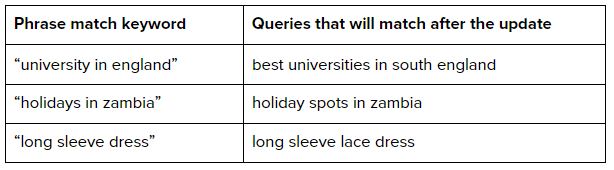
The update will begin in the UK in mid-February and will roll out worldwide by July when advertisers will no longer be able to create new broad match modifier keywords.
In addition to this, improvements are being made to pure broad match keywords. Google will now identify additional signals within the advertisers’ account to deliver more relevant traffic when using this match type.
What does this mean for advertisers? During the next few weeks when these updates begin to take hold, advertisers may need to recalibrate their Google Search campaigns to ensure that traffic being delivered remains relevant, and slowly transition any broad match modifier keywords over to phrase match for long-term campaigns running past July.
Whilst Google ultimately promises that keywords will be easier to manage following this change, traffic is expected to fluctuate during the transition as the platform introduces new learnings. We have already put robust measures in place to ensure that campaigns continue to deliver the quality traffic Arke is known for, staying well ahead of the game. Your move, Google!
If you’re interested in taking advantage, get in touch with one of our advertising experts today.
Attribution modelling is a framework for analysing the various marketing touchpoints, channels and tactics and determining which receive the credit for a specific conversion. Using attribution models helps marketers to better understand which parts of their marketing efforts are having the most effect on conversions, therefore enabling better data-driven decision making which can transform organisations.
There are a number of different attribution models, with each attributing conversions to marketing channels differently. Let us introduce you to three of them…
Last-click attribution
Without proper tracking, Google Analytics uses last-click attribution to attribute conversions. With this model, all (100%) credit goes to the last touchpoint before a customer converted, therefore not taking into account awareness and nurture tactics which may have influenced the customer’s decision to purchase.
For example, applying this last-click attribution model to an education setting, the vast majority of conversions (applications) are attributed to remarketing and conversion tactics. No credit is given to those awareness and nurture tactics on paid search and display:

Linear attribution
On the other hand, a linear model gives credit to each touchpoint along the user’s journey equally, allowing a more even spread of attribution. For example, if there are 4 touchpoints, then each touchpoint would be given 25% of the credit, 5 touchpoints and each touchpoint would be given 20%, and so on…
However, should all touchpoints be given the same value? For example, does first entering the site via Google Search actually influence the likelihood of a conversion?

Markov Model
The Markov Model is arguably the most advanced attribution model that uses Markov chains to calculate the probability of a set sequence of events happening, essentially analysing the likelihood of each touchpoint influencing conversion.
In an education setting, we can calculate the sequence of touchpoints for all applicants and then calculate the effect of a certain touchpoint on the probability of an application.

Let’s observe the effect of removing the Facebook advertising touchpoint from an applicant journey:

By comparing the two images, you can see that having a Facebook advertising touchpoint doubled the probability of a conversion – the Markov model assigns a score to that channel based on this. We can use this process of removal to gain an understanding of how different media touchpoints affect conversions, allowing the importance and performance of a channel to come through, and data-driven decision making to be made.
A real Markov model would look like this:
Let’s stick with the simplified version!
Why is this important for you?
When reporting on return on advertising spend, certain tactics can receive an overinflated amount of credit in a last click attribution model, whilst others seem like they have contributed few conversions. You could therefore channel more money into the tactic that, on the face of it, is performing best, but that doesn’t give you the full picture.
A more complicated attribution model gives a more accurate return on advertising spend (ROAS) for each media channel, and this where the Markov models comes into its own. The model gives an idea of which media channels actually drove conversions and how they did it. You can then use this information to decide on future campaign strategy and media budget.
If you’re interested in exploring data-driven attribution that not only calculates ROAS, but analyses how paid media channels work together to drive conversions, get in touch with one of our data experts today.
A huge thank you to everyone who attended our recent masterclass: “Gain new prospects with Dynamic Search”.
We received a series of insightful and thought-provoking questions from the audience, which we have shared a summary of below.
Oh, and if you missed the workshop get yourself up to speed with the key takeaways. You can also actually watch the full workshop on our YouTube channel.
1. What does the analytics implementation involve?
When onboarding a client, we typically find a mismatch of data and reports that have been set up by different members of the team or by different agencies over time.
Always begin with a discovery, looking at what’s already being tracked through Google Tag Manager. We see what’s useful, look to strip back anything that’s not currently being used in a reporting or optimisation capacity, and then we build out from there.
We interrogate the integrity of the data that’s being processed in the back end of the website, and then make it accessible in the front end so when, for example, a user is on a course page or starting or submitting an application, we put through the course information ID, the level of study, the course code – all sorts of information – and then use Google Tag Manager to “grab” it and pass it through Google Analytics. This enables us to make associations between the activity of the user and the end result, and everything in between.
The next step is to aggregate. A good baseline is to know what is effective and what isn’t. It’s vital to know the amount of money that you spend on platforms, so that you can ensure it’s being spent correctly.
It gets more and more involved from there, as the more data, and the better quality of data, you will be able to make smarter and more accurate decisions.
2. What does the CRO audit involve?
The CRO audit is engineered completely around your objectives and what you’re trying to actually drive and achieve. In an education setting, it’s about reducing the distance and the number of clicks it takes to get users viewing course pages and product pages, and then completing an application form or applying through UCAS.
We use all kinds of different methods, including heuristic assessments based around the site navigation and search functions. On-site search functions can be a really good place to start, as analysing search terms gives us a good indication of the content that is missing from pages or the kind of content that users are trying to find but can’t necessarily consume on your site.
A CRO audit can be as comprehensive or as stripped back as it needs to be, but it’s always focused on objectives and accelerating users through your site.
3. Lack of control would probably be our biggest area of concern, in particular negative keywords, how do you suggest negating this?
Lack of control is one of the biggest factors in preventing advertisers from using Dynamic Search Ads, but actually, you’ve got a lot more control than you might think. Setting up negative keyword lists is an example of this. You can limit exposure or impressions to certain audiences, and then we’ve got visibility on the types of queries that are triggering our ads. Using search terms reports, we can go through this and pick out irrelevant search queries that are triggering ads, and add those to our negative keyword lists. This is a standard part of our optimisation process, so we’re always looking through and making sure we’re only triggering against the most relevant kind of queries.
4. Have you got any examples of negative keywords for an FE college?
Something we’ve found useful in the past is to completely negate postgraduate or master’s degree terms – essentially terms that aren’t relevant to your offering, but might get picked up by Google because, for example, terms like ‘engineering courses’, which are quite broad, might trigger against those people searching for postgraduate engineering courses. From the get go, imagine what the content of your website might trigger against and then set up those keyword lists as a barrier. It’s also worth looking at your search trends report, and then top up your negative keywords list in real time to make sure that everything is relevant and up to date.
5. What are the steps involved in setting up a Dynamic Search Ads campaign?
Start by agreeing which pages or categories of your site you’re going to use to target with Dynamic Search Ads and then write copy for the descriptions that go along with those Dynamic Search Ads. In the session, we touched upon description lines being the only part that is predefined, and the rest is generated from the landing page. Once all that’s agreed and copy is approved, we move onto the build and setting the parameters, setting up target locations, implementing negative keyword lists, and then go from there into optimisation.
6. What’s the difference between DSAs and RSAs?
Responsive Search Ads are triggered by keywords, whereas Dynamic Search Ads don’t use keywords at all, they’re triggered by what Google automatically pulls from your website. Another difference is that Responsive Search Ads use copy that is completely pre-written and pre-defined by you, whereas Dynamic Search Ads are dynamic in the way that they pull headlines that display in your ads.
If you’re thinking about jumping into the world of Dynamic Search or are after some advice about how to reach new audiences and markets with advertising, get in touch with one of our experts today.
On Thursday 10th December, our expert marketing panel hosted the next episode in our digital masterclass series: “Gain new prospects with Dynamic Search”.
The masterclass helped attendees to make the most of Google’s new ad formats for their institution and covered how this particular advertising technique can help to reach new markets faster, improve relevancy, improve intelligence, gain new prospects, and save time and money.
We’ve rounded up some of the key takeaways into this blog. If you want to watch an on-demand recording of the masterclass, we’ve embedded the YouTube video below.
What is Dynamic Search?
They are a fantastic way to capture undiscovered traffic
They dynamically generate headlines and copy based on the content on your website
A comprehensive CRO audit and analytics implementation can help to overcome common roadblocks and get you started
Benefits of Dynamic Search
Dynamic Search Ads enable you to reach new audiences and markets faster
They improve relevancy and drive more likely to convert traffic to your website
They help you to save time and money, allowing you to invest more budget into your campaigns
Dynamic Search case studies
Importance of planning and laying down campaign structures early on
Ability to adapt to sudden market changes
Extensive testing required to fully maximise the potential of Dynamic Search Ads
Increase in relevancy
Decrease in costs and time spent on copywriting
Ability to reach prospects with the right ad at the right moment
Dynamic Search recommendations
Use all targeting solutions to reach relevant searches and ensure coverage on all relevant queries:
Relevant keywords – to target all relevant core searches and cover high priority search traffic
Broaden match types – to go beyond the standard searches and expand reach
DSAs – to capture additional queries and reach new audiences
That’s a wrap on our masterclass roundup, as promised the full masterclass is below:
If you’re keen to explore this ad format and the opportunity that it presents to reach new audiences and markets, get in touch with one of our experts today.
Dynamic Search is defined by Google as “the easiest way to find customers searching on Google for precisely what you offer”. How often are people searching for the exact thing you target in your Google Search campaign? And what happens to all of the unique searches that are conducted on a daily basis? Dynamic Search is the answer to this and is a fantastic way to capture the “who would have thought” traffic. In this blog, we’re going to explore some of the benefits that this ad format brings.
11 Benefits of Dynamic Search
1. More relevant and additional traffic – reach new customers and new markets faster
As Dynamic Search Ads display dynamically-generated headlines, they are closely aligned with the user’s search term, and therefore more likely to attract additional, qualified traffic to your website. This will enable you to reach new customers and new markets that you may not have been aware existed.
2. Targeted advertising
You can decide to show broad ads based on the entire site or select specific pages, categories, or products as the landing pages. This allows you to target smaller segments of your audience.
3. Synchronised campaigns
With Dynamic Search Ads, your campaigns and offers will remain in line with trending searches and popular queries.
4. Automatic ad updates
When you make changes to your pages, Google will automatically crawl your website to make sure they are harvesting the most recent, updated version of your website.
5. Dynamically generated headlines
When a user’s search is relevant to a page on your website, Google will dynamically generate an ad with a headline that includes words from that customer’s search phrase and the landing page in the ad. The dynamically generated headline is slightly longer than standard text ads, giving the ad increased visibility and relevance.
6. Save money
From what we’ve seen, CPCs have been 22% lower on Dynamic Search Ad search terms than keyword targeting. We’ve seen this hold true for broad, phrase and exact match keyword targeting.
7. Save time
With Dynamic Search, you don’t need to map bids, keywords and ad copy to each specific product or course on your site. This saves time in creation and also allows you to advertise to new markets faster.
8. Fill gaps in keyword-based campaigns
Accurate keyword targeting is a powerful way to reach audiences through paid search, but even accounts with the most comprehensive keyword lists are bound to miss some relevant search queries. Since Dynamic Search Ads involve independently scanning your landing pages for suitable terms to target, they can fill in any gaps that come up in your keyword-based targeting campaigns
9. Cover more queries
75-85% of search terms targeted by Dynamic Search are new and incremental.
10. Increase relevance
We have found that, on average, Dynamic Search Ads generate +154% higher CTRs in comparison to Responsive Search Ads, increasing to +234% vs Extended Text Ads.
11. Performance
Compared to the average non-brand campaign, Dynamic Search targeting generates 30% lower CPAs.
Dynamic Search will allow you to reach new markets faster, improve relevancy, enhance intelligence, gain new customers, and save time and money. If you’re interested in finding out more about Dynamic Search and how it can benefit you and your organisation, get in touch with one of our experts.
A huge thank you to everyone who attended our recent masterclass “How to use TikTok to supercharge your brand”.
We received a series of insightful and thought-provoking questions from the audience, which we have shared a summary of below.
Oh, and if you missed the workshop get yourself up to speed with the key takeaways. You can also actually watch the full workshop on our YouTube channel.
Starting with TikTok
1. If you’re just getting started with TikTok, what do you suggest as the best first steps?
Start with organic content. Get one person in the office – or at home, normally the one with the best smartphone, and just start putting out content. See what works and what doesn’t. Experiment as much as you can. Make use of some of the advice we gave in the masterclass about quick, snappy clips that contribute to a story. There aren’t any limits in the music you can use or the content you can create. See what works organically and then start to transition this content into your paid content.
You will need to be patient, it’ll require some hard work, but the reward will be worth it! If you want to go down the brand ambassador route, whoever feels most confident in front of the camera, start with them. Then think about whatever makes your brand unique, then explore that in any of the ways we discussed. Have a bit of fun and get the whole team involved – there is nothing wrong in trying something and finding out what works best. Explore what your brand puts out there, what works well for your brand already, then talk about this on TikTok. You could pick an ambassador that’s client facing or has a particular interesting aspect of their role. Talk about your day-to-day work in the office and take the plunge.
Location targeting
2. With regards to advertising, are you able to target by location?
At the moment you can’t boil down to individual cities, or target a radius around a location, or postcodes either. In the UK targeting can only go by nation, so England, Scotland, Wales and Northern Ireland. Nationwide campaigns still get great results within the local area people might want to target. At the moment it isn’t as specific as things like Facebook or Google, but we expect it to be within the next 6-2 months.
Conversation with stakeholders
3. How would you explain to stakeholders that TikTok can help with conversion, or would you say that it is better suited to brand awareness?
Organic content that doesn’t contain a link or CRA is definitely for brand awareness and engagement within communities. The level of reach that you can get on TikTok means that when you do run a campaign you can get high engagement and conversion, for very little money. When this is used in conjunction with retargeting and lookalike audiences, conversion rates are very high.
Brand ambassadors
4. How do you choose a brand ambassador on TikTok?
It can be anyone, but for us, it was someone that is comfortable in front of the camera. There’s a user on TikTok who is a lawyer and they answer questions that people have about their job – it’s almost like they get free service from the lawyer! Any role or company can be interesting, just explore who’s going to be comfortable in front of the camera and then take it from there. It is also helpful if the ambassador is someone with a bit of time to put into this and who is able to bridge across different teams, showing a variety of sides of the business, rather just one department.
Solo TikTok-ing
5. I am a one-man-band, can I still TikTok and garner and sustain interest?
Creative or alternative careers really lend themselves to TikTok as a largely creative audio platform. Start looking at TikTok, the content people make by themselves and the way they interact with their audience. You can set up a tripod, go out into public and engage with suppliers / customers (when allowed!). Just have a look at the platform and see how creative some people on the platform really are.
Ambassador strategy
6. Is it not a risky strategy to use one person as an ambassador, what if they leave?
People switching jobs and careers happens, but rather than it feeling uneasy or a dead-end, you can almost celebrate it – think of it as the passing of a baton or torch and make light of the situation. There can be some funny and genuine content in there. Just like players retire from football, someone sets the precedent and then another person can come in and take things in a new direction. Don’t be fearful that a person might leave, it just means that the next person to come in to take the TikTok ambassadorship role can take the reins and they don’t have to start from scratch.
Product orientated content
7. What do you suggest for product orientated content?
If your content is product orientated, that is absolutely fine and can be a great way of showing it off, but you can take it to the next level by showing someone using them, making it relatable and showing people the benefits of the product. If you can get someone that feels confident in front of the camera, that will give the viewer the chance to associate the brand with that person and will mean that you can show the application of the product, or top tips or recommendations. This has proven very successful before and can take your product orientated TikTok’s to the next level.
If you’re thinking about jumping into the world of TikTok or are after some advice about how to fine tune your creative and boost your reach with advertising, get in touch with one of our experts today.
On Wednesday 18th November, our expert marketing panel hosted the next episode in our digital masterclass series: ‘How to use TikTok to supercharge your brand’.
The masterclass helped attendees to understand TikTok, its audiences, the opportunities it presents to their businesses & how they can take advantage of this early growth phase. We analysed who is using the platform, how they are using it, the content they consume, the advertising opportunity and ultimately how to measure success.
We’ve rounded up some of the key takeaways into this blog. If you want to watch an on-demand recording of the masterclass, we’ve embedded the YouTube video below.
“Engagement” key takeaways
- Of the 8.1 million users in the UK, 76% are under 24 years old
- Users are incredibly engaged, spending 52 minutes a day on the app
- Influencer marketing costs 1,000x less than on Instagram – and influencers get far more engagement too
“Content and creative” key takeaways
- Be real, be you, show the personality of your brand
- Over produced content can be spotted from a mile off and will be scrolled past
- Rough, ready and unrefined content works best

“Advertising” key takeaways
- Depending on the type of content you are producing and what your aims for the campaign are, some ad formats will work better than others
- Opportunity to combine ad formats to encourage engagement and user generated content
- CPCs on TikTok are 83% cheaper and CTRs are 333% higher than on Instagram
“How to supercharge your brand” key takeaways
- Experiment with your content, highlight what makes your brand unique and show your personality
- Post in the evening – this is when TikTok users are most active
- Lookalike audiences present a huge opportunity, but combine them with interest based targeting to really drive conversions
That’s a wrap on our masterclass roundup, as promised the full masterclass is below:
If you’re keen to explore TikTok and the opportunity that it presents, get in touch with one of our experts today.
On Thursday 5th November, our expert student marketing panel hosted the next episode in our digital masterclass series: ‘Clearing 2020: The Digital Masterclass’.
The masterclass examined Arke’s ‘2020 Q2 Digital Behavioural Research’ and exactly how COVID-19 and lockdown changed UK Undergraduates’ behaviour in the run-up, on the day and beyond in this summer’s Clearing intake. The masterclass was full of actionable insights to help student and youth marketers prepare for and succeed in Clearing 2021.
A huge thank you to everyone who attended and submitted a number of thought-provoking questions…we’ve rounded some of them and our panel’s responses up, plus the results of the two polls we ran during the session, so you can digest them at your leisure.

If you want to watch an on-demand recording of the masterclass, we’ve embedded the YouTube video below.
Question 1:
Did engagement metrics, such as CTRs, change much this year vs previous years?
This year, we saw, in particular, an increase in CPCs. CTRs are generally an indication of quality, so these don’t tend to change too much year after year, and didn’t vary too much this year. It was more expensive to get to a certain CTR threshold, but once there, the only variable was price. Additionally, CPMs on Google Display display, particularly in the run up to Clearing, were cheaper.
One of the advantages of programmatic, that we took advantage of this year, is that you can tap into niche inventories, allowing for fairly cheap CPCs in comparison to other platforms, so is a very good advertising option that we’d recommend in 2021.
Question 2:
Are there good examples of universities who use TikTok well?
In September, our expert student marketing panel hosted a masterclass all about how to use TikTok to supercharge your virtual open days. Click here to watch a recording of the session.
There are a few universities who are active on TikTok and doing a good job in terms of organic content, including the University of York. TikTok is an untapped platform for education institutions and represents a massive opportunity, both from a paid and organic perspective, to reach your target audience. We’ve written a number of blogs all about TikTok and how you can make the most out of the platform:
1. TikTok: Unlock its content and engagement potential
2. TikTok: Advertising formats explained
3. TikTok: Why all the data headlines
Question 3:
How did you get around the suppression of ads containing COVID specific messaging?
In terms of messaging, we didn’t actually refer to COVID-19 specific terms, such as pandemic or coronavirus, but instead used terms that alluded to what was going on. Our messaging tapped into emotions, focusing on safety and security, etc. With our clients who have open spaces within their campuses, we focused on this too, highlighting a key USP to make them stand out from the crowd.
Question 4:
Did you see much activity post A Level Results Day?
We certainly did. After the day of Clearing, we had a few tactics that still had some budget left to be utilised and shuffled budgets around to take advantage of this in the days after. The campaigns that were still active included brand and key subjects, and remained live until at least the end of August, with some rolling into the first week of September too.
Interestingly, CPCs increased in the week after Clearing as competition remained fierce. Normally costs come down immediately after Clearing, but this matches up with what was going on after Clearing, in terms of u-turns with A Level results and students getting their original grades.
We also ran two polls during the masterclass:
What was your biggest challenge in Clearing 2020?
-
- Uncertainty of students’ grades – 40%
-
- Different messaging to normal – 20%
-
- COVID-19 – 20%
-
- Smaller budgets – 20%
Did you notice a change in the frequency and timing of applications this year?
-
- Yes – 40%
-
- No – 60%
That’s a wrap on our Q&A session, as promised the full masterclass is below:
Organisations around the world are operating in an increasingly uncertain, competitive and challenging environment, responding to economic, social and health changes, whilst maintaining high levels of customer experience and service. The benefits of a data-driven approach to decision making to combat these contemporary challenges and ensure high performance cannot be underestimated. To gain a true understanding of data and to make informed decisions, sophisticated statistical techniques are required. In this blog, we’re going to introduce you to Simpson’s Paradox and show the impact that it can have on informed decision making. It’s paramount that variables are accounted for when it comes to dealing with data and planning for the future as best as you can. Let us show you why…
What is Simpson’s Paradox?
- Described by Edward H. Simpson in 1951, a British codebreaker, statistician and civil servant
- One of many Association Paradoxes that occur in statistics
When looking at overall admission statistics, men were more likely to be admitted than women, however when looking at the numbers on a department level, women were more likely to be admitted in the majority of the departments. Men seemingly had a higher rate of admittance because a larger proportion of men applied to departments that had a higher rate of admittance than women did.
Another famous example is in a trial of new treatments for kidney stones:
When looking at the overall success rates of treatment, Treatment B seems more effective. However, when looking at small and large stones separately, Treatment A was more effective.
How does Simpson’s Paradox work?
What better way of explaining Simpson’s Paradox than by using dogs?
Firstly, let’s observe 20 dogs jumping over a fence. We have 10 big dogs and 10 small dogs, and we want to calculate which size dog is better at jumping.
We observe that 5 out of 10 big dogs and 4 out of 10 small dogs have made it over the fence.
From this observation alone, we can see that a larger percentage of big dogs successfully jumped over the fence, and so it’s reasonable to conclude that they are the better jumpers.
However, there is something we aren’t considering. The fence itself isn’t uniform, and the height of the fence has an impact on the success of the jump…this is what we call an associated variable.
Let’s take a look at just big dogs jumping over two types of fence – a big fence and small fence. 8 of the dogs attempt to jump over the smaller white fence while 2 of them try for the taller black fence.
5 out of 8 of them succeed in jumping over the white fence while zero of them jump over the black fence.
Let’s move onto observing the same experiment with the smaller dogs. This time, 3 of the dogs go for the white fence and 7 dogs attempt the black fence.
2 out of 3 of the dogs succeed in jumping the white fence and 2 out of 7 succeed in jumping over the black fence.
When looking at the types of fence separately, we can conclude that small dogs are the better jumpers…
However, looking at the aggregate we see the opposite…
When we looked at just the size of dogs, we incorrectly conclude that the big dogs were better at jumping. However, their performance was being largely affected by which type of fence they attempted to jump over – more big dogs went for the white fence, which was easier to jump, and so more of them made it over.
What does this mean for you?
This paradox, and others like it, has the potential to affect your data any time that you calculate a percentage or ratio from data that is taken from differing situations. Taking into account as many variables as possible or correctly identifying associated variables helps to reach the correct conclusions from data.
An example of this can be seen in calculating changes in CTR or CPC. We’ve summarised an example based on something we observed when monitoring CTR changes during the early stages of the COVID-19 pandemic and lockdown in the UK. By taking a quick look at changes in the CTR of Google Search campaigns between February and March for all of our clients aggregated together, we saw the following:
This is a significant increase and seems odd at first glance – you would expect to see CTRs actually decrease due to the change in user behaviours, increases in costs and decreases in budgets – so let’s investigate it further…
Let’s start by taking into account an associated variable that will impact CTR other than the month. Due to brand recognition and other factors, the CTR of a campaign can vary significantly. When looking at two different clients we see this:
We see that in fact, both clients had a decrease in their CTR. This was due to a decrease in activity from Client 1, which had a generally lower CTR, and so a higher proportion of the clicks and impressions we were using to calculate the aggregate CTR belonged to Client 2. Since Client 2 had a generally higher CTR, the CTR when aggregating them together increased.
The Impact
As you can see, it’s vital to recognise associated variables and account for, eliminate or include them in our calculations. Once we’ve done this, we can then calculate percentages at more segmented levels, before finding an average of all the percentages in that segment or category. This could involve calculating CTR and CPC at campaign level if possible (although some campaigns will not run over multiple time periods), and then calculate an average at the account level.
But what happens if there are larger numbers of associated variables? It can get incredibly complex and time-consuming to calculate manually…
This is where statistical modelling comes into the picture! Statistical techniques allow us to predict percentages at an incredibly segmented level for a more accurate understanding of our data. By including all relevant variables into a statistical model, their associations are taken into account.
If you’re dealing with large amounts of data, you will want to find insight that will inform your decision making. However, much of this is on a surface-level analysis…in an education setting, this could include observing the admittance rates by gender of the enrolment rates of certain markets. But an applicant is not just their gender or their nationality. There are many variables that affect these behaviours.
This is where statistical modelling comes into the picture! Statistical techniques allow us to predict percentages at an incredibly segmented level for a more accurate understanding of our data. By including all relevant variables into a statistical model, their associations are taken into account.
We analysed admissions data over the past 5 years of all applicants to a client’s university to predict a future applicant’s rate of enrolment. Using statistical techniques we identified 5 significant variables that affect their rate of enrolment:
- Age
- Gender
- Country of Residence
- Entry system
- Source of Interest
We then ran a regression model which calculated the rate of enrolment of an applicant while accounting for all the variables and avoiding the effects of Simpson’s Paradox.
How can Arke help?
Simpson’s Paradox is a common Association Paradox which can cause us to come to incorrect conclusions from our data. An understanding of associated variables and accounting for them is needed to avoid this paradox.
When dealing with complex data, sophisticated statistical techniques are needed to ensure we gain a true understanding of our data for informed decision making.
For help with turning your data into real customer stories get in touch with one of our friendly experts.
Nobody could have predicted COVID-19 and the impact that it would have on every aspect of our lives, not least of all, our online behaviour, in addition to the impact on Clearing 2020 marketing. In Autumn 2019, we released our 2020 Clearing Predictions. COVID-19 then came along, which led to us releasing our ‘COVID19: Gen Z Digital Behaviours Report’ analysing the behavioural shifts of UK based 16-24 year old’s, between March 14th and June 2020.
We shared this report with the UK education sector, alongside guidance and recommendations to help them navigate this unusual and difficult recruitment period.
We’re now looking back to see how correct (& incorrect) our predictions for Clearing 2020 marketing we made in 2019 were…!
Failing to plan is planning to fail

“Even greater emphasis will be placed on the need for early planning of your marketing and advertising strategy”
This has never been more true. With a hyper competitive day due to COVID-19 that changed the Results Day landscape just a few days before, it was imperative to plan as much as possible so that you could be agile in the run-up and on the day itself.
The number of direct applicants will keep growing
“1 in 5 waited until after they received their A-Level results before submitting an application through UCAS. They’re waiting until later in the year to consider their options.”
This turned out to be true. According to our COVID19: Gen Z Digital Behaviours report 65% of students were planning to leave their decision making as late as possible.
Coming true thanks, in part due to students receiving predicted grades rather than sitting exams, thus giving them greater flexibility, but also a large number of Clearing places were taken by students initially receiving lower than expected grades – 40% of grades were marked down before the government and OFQUAL performed a u-turn.
This all meant that students left it later (by choice or not) than ever before to consider their options and submit their applications.
Personalised messaging will be key
“Ideally, you would target all of these groups separately with messaging tailored to their specific situation, their wants, and their concerns.”
This came true. In a nod to the global pandemic, adverts that contained reassuring messaging performed best. We saw a 42% increase in CTRs for ads that included messaging around being “COVID-19 Secure” and a 15.86% increase in CTRs for ads with an “urgent” call to action (apply now, apply today, etc), plus an 11% increase in CTRs for ads mentioning a start in September.
As the day developed, we began to see that parents were searching for answers for their children, so we changed messaging and added sitelinks to meet these needs to become more reassuring and answer queries for those who were searching.
There will be more clearing places at Russell Group universities
“18 of the 24 Russell Group universities took part in Clearing, each with one or more places available. In fact, we predict that even more of the 24 Russell Group institutions could participate in Clearing next year as the competition for students remains fierce.”

Before the day began, UCAS said that a: “high number of vacancies on courses at Russell Group universities could lead to a record-breaking number of students gaining a place at university through clearing. In total, over 4,000 courses remain unfilled, and seventeen of the twenty-four Russell Group universities still have vacancies on courses”
According to the Guardian, COVID-19 meant that universities faced a serious loss of income, “especially with international students being charged about double the fees of British and European Union students”. This loss of revenue from overseas students suggests that universities were even more keen to fill their remaining places with domestic students.
In the end, around 80,000 students applied through Clearing, up from 73,000 in 2019. Although our prediction didn’t come true, as only 17 of the 24 Russell Group universities took part this year.
For international students, you’ll need to look outside the EU
“With uncertainty from Brexit still looming, it’s unclear how many EU students will apply for university in the UK next year and whether there will be a drop in numbers again. Perhaps in 2020, universities will need to look to other countries to find international students…”

Acceptances from within the EU fell by 15.2%, but international recruitment increased by 2%, perhaps not as large of an increase due to the implications of COVID-19, but nevertheless our prediction came true.
We don’t think we did too badly with our predictions, considering what happened in between making them and A Level results day!
Launched on the 5th August, Instagram Reels is a brand new content format that gives users a new dedicated feed within Instagram to create and share short-form videos with their followers and the wider world. Originally, users could share 15 second long videos, however, this has recently been expanded to 30 seconds, with enhanced video editing abilities within the app, too.
Sound familiar?
There’s no doubt about it, Instagram Reels is Facebook and Instagram’s answer to TikTok. Instagram Reels has almost all of the same features as TikTok and an almost identical layout but doesn’t quite have the same feel…yet.
So, over the past 8 weeks, our analysts have been busy analysing (playing) with this new feature and having a good think about what this means to our clients and their customers.
Perfect timing
Over the years, Facebook and Instagram have developed a reputation for copying features from their fast-growing rivals, most notably with Snapchat, where the app’s core features were copied and launched as Instagram Stories, just as Snapchat was building momentum and growing into a force to be reckoned with.
Facebook and Instagram have now stepped into space currently occupied by TikTok in a bid to keep users within their family of apps. As we’ve mentioned in previous blog posts, TikTok has burst its way onto smartphones, gaining media attention and users at a staggering rate. According to research from Sensor Tower, TikTok was the most downloaded non-gaming app worldwide in February 2020, beating the likes of WhatsApp and Facebook, and its popularity is continuing to grow. Downloaded 315 million times in Q1 of 2020 alone, TikTok recently passed 2 billion downloads. So it’s understandable that Facebook and Instagram would want a piece of the pie.
The launch of Instagram Reels also coincided with TikTok’s exit from India, presenting a massive opportunity for Facebook and Instagram to gain market share in this key market, as well as the continuing controversy surrounding TikTok and its data practices, and the ongoing saga of the sale of its US operations.
TikTok’s traction may be a problem for Instagram Reels
Instagram Reels has cloned TikTok’s most popular features, but the features alone aren’t what’s made TikTok so popular. TikTok’s success has been down to the ability to go viral no matter how many followers you have, as well as the ‘feel’ within the app and its communities. Cloning this is a much harder task. TikTok creators have become heavily invested in the platform, and moving over to Instagram Reels would mean having to rebuild their audience.
Additionally, Instagram Reels directly link to the creator’s Instagram page, which could mean that the rough, ready and creative nature of short-form videos that we’ve come to know and love could be lost. Content created for Instagram Reels could have a more serious ‘feel’ than TikTok, as Instagram feeds are typically more curated, which again could mean that TikTok creators are reluctant to move over.
Organic reach
Instagram’s organic reach has developed a reputation among creators as being poor, due to the platform becoming heavily monetised, meaning that promoting posts or pages has become a common way to grow audiences and get content seen. Part of TikTok’s allure is that potential for huge organic reach without needing to put money behind it.
TikTok’s organic reach comes from its algorithm. Instagram will have to change its algorithm or develop a new one for Instagram Reels, adopting an approach similar to TikTok if they want creators to flock to the platform. The Instagram Reels algorithm hasn’t been locked down yet, but it does feel similar to the TikTok For You Page and is likely influenced by who you already follow, what content you interact with and where you’re located.
Advertising options
At the moment, Instagram Reels carries no advertising options, which is likely a deliberate strategy by Facebook and Instagram to cultivate new types of content and a community within this part of the app before monetising it.
The fact that there are no advertising or paid options at the moment presents a perfect opportunity for you to develop organic content and build a community, so when it comes to the time when Facebook and Instagram monetise Instagram Reels – this will happen sooner rather than later – you’ll already have an established brand presence.
What this all means for you
There’s no doubt about it, Instagram Reels presents a big opportunity for those reaching 16-24 year-olds without having to have a presence on TikTok. If you already have an Instagram business page, Instagram Reels could be a new placement in front of a hyper-engaged audience – what’s not to like?
In terms of advertising, TikTok’s targeting abilities are developing all the time, however, there’s no doubt that Facebook and Instagram excel in this space. Once the Instagram Reels community is established and the platform becomes montetised and advertising opportunities are developed, you’ll be able to leverage the power of Facebook’s ads platform.
The success of Instagram Reels is very much dependent on TikTok’s ability to operate in the US and how many users make the switch from the TikTok to Instagram. Also pivotal to its success will be Instagram’s ability to copy the uniqueness and feel of TikTok’s audience, community and content. If they get it right, you could have access to this unique world without having to devise a specific TikTok strategy. Watch this space…
If you want to find out more about Instagram Reels or want to discuss any other aspects of your digital marketing, get in touch with one of our experts today, we’d love to help!
How are we all doing right now? Are we sitting comfortably, cosy by the fire? Perhaps you’re one of the five UK homes right now tempted to sign up for a streaming service this lockdown and are binging your way through the Netflix catalogue?
As predicted in our previous blog, streaming has soared and is reshaping how audiences engage with content. With a sweet-shops worth of platforms and content to choose from, we’re spoiled for entertainment in these trying times.
Additionally, though stuck at home, we’re certainly not alone. SVoD (subscription video on demand) platforms such as Netflix have added the ability to stream together so we can watch content at the exact time, no matter where we are.
With an almost infinite amount of VoD platforms on our TVs, plus the ability to watch in unison, we ask the question, will we be returning to the cinema when this all blows over? If not, where’s the best place to advertise?
You, Me and VoD
In the three months leading up to April, 21% of British households signed up for an SVoD service. Alongside this, according to cloud video service, Graybo, the monthly spend on streaming has increased to a mountainous £100 million, and it’s still climbing.
Interestingly, 60% of UK audiences aged 50-64 are also paying for streaming subscriptions, which is the closest it’s ever been to the PVoD consumption habits of younger age groups. It looks like everyone is Netflix and chilling right now.
Speaking of Netflix, it could potentially lose its streak as the king of the stream soon. Just as we predicted, Disney+ is ascending through the ranks, making up 52% of all new SVoD subscriptions across February, March and April. What’s more, almost half of all new Disney+ members signed up for an annual subscription which costs £49.99.
As we mentioned in our first VoD blog, the race to win the number one spot will only speed up as more content comes our way. Market-leading analytics firm, Ampere Analysis, states in their UK VoD market report that “competition is growing, with the volume of content on the largest SVoD services tripling in the past three years…Content providers will progressively choose to keep premium content in-house, on their own consumer-facing VoD services.”
In our last blog, we discussed how PVoD also opens up a playground of marketing opportunities. Channel 4 launched “Dynamic TV”, an innovative ad system that allows brands to view first-party data from Channel 4 and create ads based on factors such as location, weather and time of day.
With all these options at hand, it raises the question, will we see a return to the cinema after lockdown?
Let’s All Go to the Lobby!
The truth is, it’s safer to stay inside than go to the cinema. According to research conducted by Deloitte, 51% of millennials with children stated they rented a minimum of one PVoD film whilst in lockdown.
So with cinemas shutdown, how have movie marketers coped with working on the smaller screen? Quite well, actually!
As we mentioned, PVoD allows for exclusivity and content control; if your film is shiny and new, we expect audiences to pay a higher price. That was the case for Dreamworks Animations, “Trolls World Tour”, which Universal released as a 48-hour rental on VoD platforms for $19.99. The film became a homebound blockbuster, earning more in its first three weeks than its 2016 predecessor. Have people made a permanent swap to the home cinema? Not quite. Though VoD does offer a variety of unique opportunities for entertainment to flourish, the cinema still has its perks.
Cinema and blockbusters go together like sweet and salted; they’re an event people want to experience on an IMAX screen with friends and family. Films with large budgets typically take a sizeable cut of box office revenue, with the bonus of an international release. Comparatively, due to global VPN restrictions, PVoD platforms can’t cast as wide a net they’d like for their digital audience.
Not all film distributors are ready to take on the streaming lifestyle. James Bond’s new adventure, “No Time To Die”, has been delayed from April to November due to growing concerns over the pandemic. Though this could be for the safety concerns of movie-goers, it’s more likely due to them missing out on those big blockbuster bucks.
Brand New Avenues
Each avenue has its ups and downs, making it even tougher to decide on a distribution strategy. Will the rise of PVoD encourage studios to reevaluate their plans? We think it will!
We predict to see cinema and streaming services merge. Though the cinema continues to help marketers rake in the international finances – exclusive, higher-priced rentals are too good an opportunity to pass up.
These strategies already look to become a reality. Disney recently announced the live-action remake of Mulan will only be available to stream via Disney+, a movie anticipated to be huge at the cinema.
As always, we’ll keep you posted with any further insights into the movie marketing world. Until then, if you’d like some help increasing film sales or want to get your film screening as a VOD advert, contact our cine-marketers now.
On Thursday 10th September, our expert student marketing panel hosted a TikTok masterclass all about how education institutions can use TikTok to supercharge their virtual open days. At the end of the session, the speakers held a Q&A session where attendees had the opportunity to ask any questions that they had. A huge thank you to everyone who attended our TikTok masterclass and submitted a number of thought-provoking questions…we’ve rounded them and our panel’s responses up so you can digest them at your leisure.
If you want to watch an on-demand recording of the TikTok masterclass, we’ve embedded the YouTube video below.
TikTok has recently rolled out something called ‘TikTok For Business’, which allows you to create a business profile, and gain tips for content creation. It works in a very similar way to ‘Facebook Business Manager’. As they say on the ‘TikTok For Business’ website: don’t make ads, make TikToks.
So that’s a wrap on our Q&A session, as promised the full TikTok masterclass is below:
If you’re interested in advertising on TikTok, we’ve developed a special offer to help kickstart your TikTok activity and supercharge your virtual open days.
Our introductory £1,995 package includes:
-
- £1,500 – TikTok media spend
- £495 – campaign planning, existing student data profiling, lookalike audience building, campaign build, reporting and optimisation
- Free – content production (making existing content TikTok ready)
TikTok has recently rolled out something called ‘TikTok For Business’, which allows you to create a business profile, and gain tips for content creation. It works in a very similar way to ‘Facebook Business Manager’. As they say on the ‘TikTok For Business’ website: don’t make ads, make TikToks.
Originally conceived by Chinese tech giants ByteDance in late 2018, TikTok’s prominence has skyrocketed in recent months. This is no coincidence. Through tactical campaigns and innovative creative, TikTok has taken the West by storm. TikTok currently has just over 800 million monthly active users, throwing down the gauntlet to social media giants such as Facebook and Instagram. This has created an unprecedented opportunity. Brands are already discovering how TikTok, and its content, can be utilised to communicate and engage with vast and untapped audiences.
What’s made TikTok so popular?
In the UK alone, TikTok has 3.7 million monthly active users according to Social Films, with each spending an average of 41 minutes per day on the platform. This alone equates to 288 years worth of content being viewed every day in the UK. But how has this virality come about? To understand why, we need only to look at the user experience and content that TikTok has to offer.
Unlike other social platforms, TikTok looks to curate a rough and ready approach. Gone are the days of spending hours getting that perfect picture of your avocado on toast. TikTok wants content, and it wants it now. This laissez-faire approach has taken the onus off the user, and encourages audience participation. TikTok is all about experimentation. It wants you to try, to play, to interact. At its fundamental core, TikTok is a tool for creativity. This is a driving force throughout the app that ensures we never run dry of fun and engaging content to keep us busy.
TikTok doesn’t stop there. The app’s functionality is built around the idea of collaboration. A large section of TikTok’s content focuses on an in-app functionality called “Duets”. This function allows users to respond to a creator’s content with your own. People then have the opportunity to respond to your content in kind. Not only do native features like this encourage engagement, they feed into the virality of the content, whilst also ensuring the proverbial well never runs dry.
This ethos is further enhanced by TikTok’s “For You” page, which boasts an endless stream of content. Rather than competing to stand out, TikTok ensures that your content gets seen. Unlike other platforms, TikTok steps away from tactical hashtagging and scheduled posts, and rewards good old fashioned content.
What type of content works well on TikTok?
TikTok has a surprisingly wide array of themes. Within 15 minutes on the platform, you’ll encounter dance routines, challenges, recipes, comedy, lip-syncing and everything in between. This may seem a little daunting at first, but TikTok’s vast catalogue of content means that no matter what you create, there’s an audience for it.
Whilst this menagerie of the content may seem intimidating, it offers one unifying factor: people, or more intrinsically, personality. TikTok’s broadcast approach means that the key thing that defines you from everyone else is just that, you. This focus allows you to place brand personality at the forefront of your content, whatever the theme.
With TikTok’s demand for constant content, it can be tempting to upload last week’s Instagram story to feed your social fire, however, this is where TikTok separates itself from other social platforms. Users are very quick to spot content that doesn’t feel native to the platform. Native content belongs in full-screen format. Rough and ready is the name of the game. The 4K footage on your Sony AR7iii may look beautiful, but it’s not TikTok. Look to produce natively in the app to ensure your organic content feels like part of the TikTok community.
So how can you adapt your marketing to this brave new world?
Community is paramount on TikTok. As we said earlier there is an audience for everyone, so audience observation is key. Look at the content your community posts. Recurring themes, trending challenges, even the style of humour can all give inspiration and guidance about how best to communicate with your audience on TikTok.
Once you have an understanding of the content your community consumes, it’s time to start creating. And keep creating. As we mentioned earlier TikTok is a rough and ready platform that rewards content production and to make the most of this, it’s important to adopt an always-on approach. This doesn’t just apply to content production, but to your entire community. Get involved, start conversations and interact with your audience.
Finally, it’s important to consider the human element of TikTok. While curating your brand personality, it’s become common practice to have a brand ambassador. Having a familiar face that features or leads throughout your TikTok content allows your audience to humanise and associate your brand’s personality with an individual. This association, in turn, builds brand trust and through brand trust we can forge intimate connections that lead to long-lasting and profitable relationships with our audience.
TikTok is growing at lightning speed and this growth presents a wealth of opportunities for your brand to explore, and the best part is, it doesn’t want carefully curated content. It doesn’t judge, it doesn’t seek the meticulous…it’s fast, it’s fun, it wants you to create. The content strategy presents little risk to your resources, and with such large untapped communities, the reward has incredible potential.
The real question is are you ready to make TikTok your marketing playground? Get in touch with our social media experts today.
Decided you want to delve into the world of TikTok, but you’re not sure where to begin? Have no fear, advertising is a great place to start. These are the 4 most common TikTok advertising formats available, each with a case study example.
Hashtag advertising
This is where brands create custom challenges under a hashtag. These challenges usually have a unique sound that users can overlay onto their own videos. Brands can pay to sponsor a hashtag on Tiktok which would be then displayed on the discover page, to gain more exposure.
- Fashion site Zalora launched their #ZStyleNow TikTok campaign in Sep 2019, in which they asked users to show as many different styles as possible in a minute whilst using the Z symbol
- Zalora’s #ZstyleNow campaign garnered more than 1 million views, 62,000 responses and 1,100 downloads of their app (TikTok)
In-feed advertising
This is the most disruptive form of advertising on the app, since it inserts itself between the user and the content they are trying to watch. These full-screen ads appear as users are swiping between TikTok video posts.
-
- Nike used in-feed advertising to generate awareness for their release of a new football boot
- They teamed up with Nike endorsed athlete Kevin De Bruyne, who joined forces with TikTok creator @ben, who had 2.2 million followers, who directed and kick-started the campaign
- This In-feed ad generated 315 million views and 46 million interactions all whilst increasing Nike’s TikTok following by 215,000 in just 6 days(TikTok)
-
- Coca-Cola Vietnam launched a campaign using this Augmented Reality (AR) alongside a hashtag campaign. They used a lens that showed the user being low on energy and their battery is flat, but once they drink the AR Coca Cola their battery fills up and they are full of energy
- eBay used interesting copy and creative to highlight how the site aids small businesses, promoting their #strongerasone campaign
- This ad played every single time the app was opened around the world for 24 hours on the 17th May 2020
-
eBay’s top view campaign performed incredibly well…they garnered nearly 18 million impressions, a CTR of 17.82%, and this brought viewers to a landing page where they learned more about their #strongerasone campaign (TikTok)
This Lens campaign also used a hashtag challenge and garnered over 31 million views in its first week! (Lenslist)
The ad is unmistakably organic and native and feels perfectly at home within TikTok
Top-view advertising
Top view campaigns takeover the screen for the first 3 seconds when you open the app, after this they appear in feed, and the user can visit their site.
Branded lenses or effect
TikTok have utilised augmented reality to implement branded filters, objects and environments for users to play and create videos. This is similar to something that can be seen on other camera-heavy platforms like Instagram and Snapchat. Branded lenses can be used alongside other ad formats to really drive home awareness and engagement. Everyone can share their input and get involved.
Why should you be excited?
TikTok is a new & exciting source of content & engagement that presents an unbelievable opportunity to reach a wider, younger audience, increase brand awareness whilst lowering your media costs over platforms such as Instagram. If creating native content seems too daunting, then influencer strategies are a very viable way of bridging the gap between media and brand. This is a great way of getting eyes on your campaign, whilst increasing the odds of integrating immediately into the community.
Creativity is key to branching out into TikTok. Content must feel at home, or it will be ignored and simply scrolled past. For this reason, content that has been created for Instagram or other social media platforms shouldn’t just be reused or repurposed. Our tip? Don’t take yourself too seriously, have fun with it! Today, TikTok is a playful and creative platform, compared with increasingly more politicised apps like Instagram, Facebook and Twitter.
TikTok is a versatile platform, with many small, but different, communities within the app. The ‘For You’ page is custom and unique for every user, which means that the ability to target audiences through their different advertising formats can be implemented many different ways, depending on the campaign TikTok content marketing tips here.
If your target market is aged between under 21, then this is a platform that you can’t afford to not include in your marketing mix. If you need help with your TikTok marketing efforts, speak to an expert today
Clearing was very different this year. There were more students taking part than ever before, which resulted in more competition amongst universities than ever before. As always, we kept our ears to the ground and collected some interesting and surprising developments that we saw throughout the day in Clearing digital marketing. In this blog, we’ve rounded up some of those key trends that we posted live on our social media channels.
1. EU admissions fell
Just as we predicted in 2019, if universities wanted to recruit international students, they would have to look outside the EU. 22,430 students from within the EU were accepted on to UK degree courses this year, down by 15.2% from last year. The impact of COVID-19 was evident early on, but could Brexit have played a part as well?
2. Lower search volumes in the early hours
We witnessed 9% lower search volume for courses in Clearing in the early hours, compared to 2019, however, this then accelerated and by 11am had exceeded the same time last year. One reason for this could be because of exams being cancelled and school’s and colleges closed, prospective students had more time to do their searching earlier on in the year, and therefore weren’t scrambling around in the early hours.
3. Higher CPCs on desktop

We witnessed CPCs on desktop be 18% more expensive than on mobile. We also saw a decrease in conversion rates on desktops, with many prospective students opting to use clearing hotlines rather than enquiring / applying online, which boosted mobile conversion rates across accounts (students searching on their phones and then calling from their phones rather than going down the desktop route). How will this impact your Clearing digital marketing activity moving forward?
4. Higher CPMs on mobile

As a result, we saw CPMs on mobile be 8% more expensive than on desktop.
5. Finance and economics courses were in demand

Finance and economics courses accounted for 34% of all business course searches. Medical related degrees proved to be very popular on the day – we saw a huge increase in searches being made for these subjects.
6. Parents doing the leg work?

At least 31% of Clearing searches were carried out by parents, with nearly 66% of searches being conducted by females. Sitelinks that alluded to ‘Parent clearing information’ performed incredibly well on the day, with an average CTR of 2.27%, some of the strongest engagement stats out of all extensions. One to watch when devising your Clearing marketing strategies for 2021.
7. Tailored messaging

We saw a 42% increase in CTRs for ads that included messaging around being “COVID-19 Secure”, and a 15.86% increase in CTRs for ads with an “urgent” call to action (apply now, apply today, etc), plus an 11% increase in CTRs for ads mentioning a start in September. Once again, personalised messaging was a big winner, and will continue to be in the future for all things Clearing digital marketing.
If you’re interested in finding out more about the key themes that emerged and what happened this year to help you plan for a successful Clearing 2021, speak to one of our experts.
In 2019, TikTok’s parent company ByteDance lined up with other US technology giants and published the number of government demands for user data and takedown requests by releasing its own numbers. This was the Chinese firm’s first attempt at US data privacy laws appeasement. It was met with scepticism. In its second and most recent transparency report, published 9th July 2020, TikTok said it received 500 total legal demands, including emergency requests, from governments in the first half of the year, up 67% on the previous half (Techcrunch 2020). In this blog, we’ll review all things TikTok data.
What data is collected?
Let’s make two things clear: much of TikTok’s data collection is largely comparable to other consumer tech giants. However, as with many technology companies, we do not know the true extent of their data practices and processes.
That being said, TikTok has developed a bit of a murky reputation when it comes to data, with governments & organisations around the world banning or threatening to ban the platform.
So, officially, just what are some of these TikTok data collection practices that have got everyone so riled up? Well, we don’t know the full extent. However, the UK Information Commissioner’s Office – a privacy watchdog – is currently investigating the app for UK consumers, of which we expect a report later in 2020.
Doesn’t sound all too different to Instagram or Facebook, right? Well, whilst much of the data collected is similar to other western tech giants, their algorithms and processes are less known to western regulators and investors.
This is also, of course, heavily politically charged, with all eyes on China and its history of data-privacy issues and friction experienced when Chinese firms operate in the western markets.
In an attempt to clean up their image and continue with western market download-domination, the company appointed ex Disney executive Kevin Mayer as their CEO (who has since resigned) and have set up an HQ in Los Angeles. They have 400 US employees including their US General Manager, Vanessa Pappas (ex YouTube).
What does this mean for you?
Users continue to opt-in their data and download in their droves. TikTok is on course to its first billion users worldwide, with 8 million users in the UK and 76% of those under 21.
At the same time, various national watchdogs around the western world begin their investigation into the companies’ data practices and processes, with France being the latest, so it truly is an interesting and evolving opportunity, with early-adopter marketers continuing to win and occupy significant brand market share with Gen-Z’s, for a fraction of the cost of other social platforms.
How does this comply with GDPR? We don’t know. Until the completion and release of the various data compliance investigations going on around the world, we wait with bated breath. But, in the short-term, we continue to explore the platform for our clients.
Is TikTok right for your marketing?
If you’re looking to reach Gen Z, then TikTok is the most powerful social channel with regard to engagement & advertising opportunities, offering greater organic reach, greater on-site engagement than its competitors, and CPC’s ten times lower than Instagram. This makes TikTok one of the hottest channels to gain a share of voice quickly and cheaply.
However, it is an absolute necessity to ensure the platform aligns with your company & customer’s values. If you feel that TikTok’s practices don’t sit well with your brand, other social media platforms continue to innovate, like Instagram and their new feature Reels, which is seen as a direct competitor to TikTok.
We believe that TikTok won’t be going away anytime soon. App downloads continue to increase, usage continues to increase, and there look to be ways around the potential ban in the United States; and with incredibly low CPCs and CPMs, and high CTRs in comparison to Instagram, it really is a perfect opportunity to reach your target audience and experiment, both organically and paid.
Want to learn more?
If you need a hand planning your TikTok marketing strategy or you’re ready to get TikTokin’ and go viral, then get in touch, we’d love to help!
COVID-19 has had a huge impact on the digital behaviours of Gen Z, with Instagram and YouTube seeing the greatest increases in traffic and engagement, circa +40%. 1 in 3 undergraduate applicants states the pandemic has stimulated them to make their final university choice sooner. What impact will this have on Clearing 2020?
As restrictions begin to ease and the UK takes tentative steps towards coming out of lockdown, the landscape for Higher and Further Education Institutions (HEIs and FEIs) is still uncertain and ever-changing. Between 14th March and 31st May 2020, Arke’s data analysts have been busy compiling data from our campaigns, clients, media and technology partners, think tanks and students to help HEIs and FEIs understand what normal looks like in this current climate and moving forward.
The whitepaper contains up to date education marketing insights, digital media trends audience research, content and messaging recommendations, and more.
The following sections highlight some of the top-line insights revealed in the report.
Organic insights
Although the education sector has seen a 5% drop in traffic, we’ve seen HE and FE clients maintain and even exceed previous UK traffic levels by an average of 15%. This has been largely achieved by COVID-19 content and engagement strategies, alongside conventional digital advertising. However, international traffic has decreased by 30%. This underpins our expectations of a greater focus and pressure on UK recruitment, with international recruitment taking a yet unknown hit.
Students are using online communities and forum sites to ask questions and seek answers about how the coronavirus epidemic affects them and their future. In addition to using WhatsApp, Messenger, email, and social media to reach students, it’s vital that HEIs and FEIs control the message and drive reliable information where conversations are happening.
Advertising insights
We have witnessed phenomenal increases in engagement and decreases in CPCs and CPMs on YouTube, Instagram and Facebook, and these platforms should form the core part of your digital media advertising strategy as we approach Clearing 2020.
Whilst we recommend focusing on paid social, with the right strategy, it is possible to gain success with Google Search and Google Display Network over the coming months. Demand from users for “university clearing” terms is increasing, and with media spend being halted across industries, there will be far less search competition overall and costs are likely to decrease.

Social media insights
Research from VICE revealed that 47% of Gen Z have increased their social media use since lockdowns began, and all social media platforms have reported a significant increase in usage – Facebook reported that “total messaging…increased more than 50%” in April, and Instagram reported that “usage [of Instagram Live] is up over 70% in the US, with similar trends across the rest of the world.”
Since lockdown began, Instagram has been the most used social media platform amongst prospective and existing students, followed by YouTube, Snapchat (18%) and Facebook (14%). 41% of students surveyed have used Instagram the most, in comparison to 13% for TikTok. Although our research reveals that TikTok has been the fifth most used social media platform since lockdown began, it scored just 1% less than Facebook, reflecting industry facts and figures which point to its continued rise in popularity. According to research from Sensor Tower, TikTok was the most downloaded non-gaming app worldwide in February 2020, beating the likes of WhatsApp and Facebook. Downloaded 315 million times in the last quarter alone, TikTok has recently passed the 2 billion downloads mark.

Applicant needs
53% of applicants surveyed believe that their school/college/university has done enough to guide and support them since lockdown began. Whilst the majority of students share positive sentiments towards their education provider, it’s essential to consider that cohort of 19% who believe that their school/college/university hasn’t done enough, and what their needs and wants are so that you can meet them.

69% of applicants surveyed would like to see more study support from their school/college/university. This is logical and understandable, as the academic year has been severely disrupted, with learning now taking place virtually. It’s vital to ensure that your messaging and content addresses this need and paints a picture of what to expect for the next academic year.
Messaging and content
To support the sector, using the learnings from this research we have provided top-line actionable recommendations, allowing you to plan your messaging, content, and media strategies for the upcoming Clearing 2020 period.
The landscape for education institutions is ever-changing, but several key trends have emerged that should form the basis of any content and media strategy over the coming months:
- The shift from face-to-face learning to virtual learning and what impact this will have on the education experience.
- What you are doing to make campus safe and what students can do to prepare for this.
- What steps you are taking to provide accommodation options for students, especially those coming from overseas and may need to quarantine.
- What role the Students Union can play in a virtual world to maintain the student experience.
Need some help with your summer campaigns?
Arke provides expert digital marketing services to the education sector. Our mission is to make marketing transparent and uncover the truth in your data. We turn this data into stories and share them with people who’ll love your brand.
In 2019, we provided research, analytics, data-science, creative and media services to a quarter of the UK education sector. As a result of this work, we carry out research and create benchmarking reports, to help marketing teams understand their performance within their marketplace. Our unmatched combination of expert-led, practitioner sourced and data-driven research steers clients toward the right decisions on the issues that matter most.
Get in touch with one of our experts today.
Welcome to Arke’s LIVE student marketing in a COVID-19 world blog featuring real-time insights into how the current climate is shaping our online behaviours, the latest guidance and recommendations designed to help education marketers stay ahead of the curve.
Thursday 25th June 2020
According to Global Web Index, social media usage amongst Gen Z is up 58% since lockdown began (2), and, with a massive 44.44% increase in engagement and a reduction in CPCs of 60.09% and CPMs of 64.34%, Instagram offers excellent advertising opportunities for the foreseeable future.
With a huge increase in engagement (41.30%), alongside a substantial drop in CPCs (82.88%) and CPMs (70.02%), advertising on Facebook is also a must for both HE and FE institutions in this current climate.
Monday 22nd June 2020
We’re seeing consistently that the demand for Google Search has decreased throughout lockdown, which has impacted impressions and clicks. With competition increasing, we’ve seen a 52.27% hike in CPCs, with coronavirus informational landing pages seeing the highest volume of traffic, unsurprisingly.
In our recent insight report that was released in April, we predicted that, as we add more and more placements and topic exclusions to avoid appearing against troubling coronavirus related content, we expected CPCs on Google Display Network to start to rise, and that prediction has come to fruition. However, despite this climb in CPCs (77.78%) and CPMs (65.61%), plus drop in CTR (37.50%), if you have a well-defined placement strategy and constructive, informative messaging, this platform will serve you well to reach large-scale audience segments in the coming months.
Wednesday 17th June 2020
Learn how undergraduate applicants are behaving online, what they want from their prospective universities, and what you need to do to succeed in Clearing 2020 amid lockdown.
From the data science team at Arke, get the latest trends, insights and recommendations on how to win in digital advertising this Clearing 2020.
Fill out the form below to download our free whitepaper now.
Thursday 11th June 2020
We have identified the top 5 paid media channels which have witnessed the largest changes in performance from Gen Z since lockdown began. The table below reflects changes in performance pre-March vs 14th March – 31st May 2020.
Key:
Negative
Positive

Monday 8th June 2020
By comparing the sector’s web pages dedicated to COVID-19, in the early stages of the lockdown, we saw that they achieved an average of 4th most popular position, after student portals, campaign landing pages and the institution’s home page. These coronavirus focused pages generated an average of 6% of all sessions; 55% by new users, 23% by existing students and 19% by existing applicants (3% unknown).
After an initial large amount of traffic for coronavirus focused web pages, as the UK begins to come out of lockdown, the emerging trend is that they now are visited less frequently than before as students switch to emails and social media for more up to date information. Email traffic has substantially increased by 260%.
Tuesday 5th May 2020
The Student Room has unveiled interesting statistics about usage of their platform since lockdown began, showing a huge increase in posting and time spent on the site.
- Average dwell time up to 2:18 from 2:03 YoY
- 11% growth in posting and 17% growth in posts-per-poster YoY
- University and university courses have seen a 36% growth in posting
- Universities and colleges have seen the most growth at 73% growth in posting YoY
- Study help has seen a decline in posting YoY
Meanwhile, UCAS has reported that:
- Overall traffic to UCAS.com is up 21.8% YoY
- The number of social media contacts that UCAS is having with applicants is up 149% YoY
- Traffic to the page that hosts the Unibuddy ambassadors on UCAS.com has increased by 131% over the past 2 weeks
This data from The Student Room and UCAS underlines the fact that peer-to-peer and official information is desirable to prospective and existing students, who continue to seek help and advice about the future of their education.
If you wish to discuss your marketing campaigns or how to reach out to prospective students in this current climate, get in touch with one of our education marketing experts.
Monday 4th May 2020
The Government has confirmed a range of measures designed to support UK universities as the coronavirus pandemic continues to develop. The main headline is the return of student number controls, with “providers…able to recruit full-time, domestic students up to 5% above their forecasts in the next academic year.”
Other measures include:
- UCAS is developing a new, personalised Clearing system, which will include Clearing Plus
- Universities are eligible to apply for the Government support schemes, including the Coronavirus Job Retention Scheme
- The Student Loans Company will bring forward £2.6 billion of tuition fee payments to help cash flow
- To ensure that research activities continue, the Government is bringing forward £100 million of Quality-related research funding
- International students are still welcome, with plans for how the International Education Strategy can be updated to be developed. The student number controls only apply to domestic and EU full-time undergraduate students
The Education Secretary, Gavin Williamson, said: “We are committed to supporting our world-class universities and students through this unprecedented challenging time. So we are putting measures in place to help protect students and staff from the impact of coronavirus. I know this is an unsettling time for all involved, and we are working tirelessly with the sector to do everything we can to stabilise admissions and protect a vital part of our country’s economy and society. I am very grateful to universities for their innovation and dedication in their frontline response at this time.”
If you have any questions or wish to discuss your student recruitment campaigns in this current climate, please get in touch.
Friday 24th April 2020
Interestingly, Neil Patel has reported that, week on week, website traffic is down for most industries. The education sector has not been immune to this trend, seeing a 5% drop in traffic. However, at Arke, we’ve seen some HE and FE clients maintain and even exceed previous traffic levels by up to 14%, with an average increase of 9%. Scroll down to our first post on Thursday 2nd April to download our deep-dive Insight Report to find out how we’ve bucked the trend.
Thursday 16th April 2020
In these uncertain times, students are turning to online communities and forum sites to ask questions and seek answers about how the coronavirus epidemic affects them and their future.
The Student Room has identified a 13% increase in traffic, whilst seeing a 28% increase in posts on their platform, including a 34% increase in students engaging with university forums and university course forums. However, the biggest rise was in the Study Help forum, with posting up 134%.
It’s vital that Higher Education Institutions, and other organisations and businesses across any industry, are controlling the message and driving reliable information where conversations are happening.
Wednesday 8th April 2020
Arke’s data scientists have identified the top 4 paid media channels which have witnessed the largest changes in performance, since the outbreak. The table below reflects changes in performance pre-March 2020 vs 14th-28th March 2020.
Key:
Negative
Neutral
Positive

In addition to a substantial increase in clicks and impressions on YouTube, there has also been a large increase in viewership across all major video streaming platforms. The Verge has recently reported a 31% growth in viewership on Amazon’s streaming platform, Twitch, “with the total amount of hours watched jumping from 33 million on March 8th to 43 million on March 22nd,” whilst YouTube gaming streams have seen a 15% increase in the same period. If you’re not doing so already, now is the time to invest in advertising on video platforms such as YouTube, Twitch and TikTok.
Thursday 2nd April 2020
Welcome to our new live blog featuring real-time insights into how the current climate is shaping our online behaviours, to help education marketers stay ahead of the curve.
We’ll be updating the blog regularly, so make sure you check in frequently to find out the latest insights that Arke’s data analysts have discovered about the impact coronavirus is having across the education sector, in addition to receiving useful recommendations.
To help our education partners, we have recently produced a deep-dive Insight Report detailing the digital behavioural changes we have witnessed amongst 16-24-year-olds since the COVID-19 outbreak.
Fill out the form below to receive the Insight Report now. Over the coming days, we will be releasing a detailed Whitepaper…keep your eyes peeled.
TikTok has burst its way onto smartphones, gaining media attention and users at a staggering rate. According to research from Sensor Tower, TikTok was the most downloaded non-gaming app worldwide in February 2020, beating the likes of WhatsApp and Facebook, and its popularity is continuing to grow. Downloaded 315 million times in the last quarter alone, TikTok has recently passed 2 billion downloads! In this blog, we’ll take you through how to engage your TikTok audience.
Everyone’s TikToking!
Launched back in 2016 as a video platform for desktops, it allowed users to share videos to their audience. Mediakix reported that in 2019, the hyper-engaged and active users of the app spent an average of 52 minutes per day on the platform, which, as a result of lockdowns in countries around the world, has increased in the last couple of months.
TikTok is an important and attractive new marketing channel for organisations who are currently appealing to Gen Z….even the World Health Organisation is using TikTok to publish public health information during the coronavirus pandemic. So, here’s the opportunity…the app is just over a year old and still largely untapped by brands, so get in there quick!
Want to reach a Gen Z audience?
If Gen Z is a target demographic for your brand, then TikTok is a MASSIVE opportunity for you to connect with your audience. As audience behaviours adapt and time goes on, the age of users on TikTok will increase, just like it did for Facebook, SnapChat and Instagram, but at the moment it is predominantly used by people aged 16-24 (TikTok,2019).

You need a strategy & clear tone of voice
Developing your TikTok tone of voice and content strategy is extremely important due to the authenticity of the content on the platform. It is likely to take a little longer to create than a post on Instagram and Facebook due to the community spirit and experience desired by the audience.
Having a strategy and a plan will reduce the amount of time it takes to create the right content. Here are a few things to consider when starting your plan:
- What’s the purpose of your content?
- Is it reach, engagement, lead generation or sales – have one desired outcome for each TikTok
- Why is your content being published?
- Is it to excite, is it to inform or is it to boost your reputation?
- What resource can you access?
- Do you have the people, the skill set or do you need to invest in this?
The best part is if one TikTok gains popularity you can ‘ride the wave’ and hit your audience with a swift follow up. Making users more likely to keep coming back to your profile.

Understand what works on TikTok
TikTok is different from other social media platforms. Unlike Twitter, Facebook & Instagram you cannot re-purpose content from these platforms on TikTok, it just doesn’t work. To create engaging and impactful content which is embraced by ‘TikToker’s’, brands need to shed their ‘Instagrammer’ polished creative and instead make authentic, imperfect content that fits the platform’s style yet still represent the brand. Content truly is King on TikTok and this audience are most receptive to content that aligns with their personal interests and values (TikTok, 2019).
Here’s a perfect example of two brands approaching TikTok with very different strategies. One using a popular song and humour to promote its brand organically, the other using in-feed ads to prompt app downloads. The organic content generated over 165K likes and the sponsored content only 14K.


Take advantage of organic reach… while it lasts.
The platform helps level the playing field for emerging talent and new users. On TikTok influence is not dependent on how many followers you have. If a video is engaging and taps into a relevant trend, it will do well and generate high engagement and reach levels. The opportunity to generate mass organic reach is also prominent, something which is more difficult to achieve on the established platforms such as Twitter, Facebook and Instagram since the phenomenal rise of social media ad spend in 2015. (DigiDay, 2019).
Your content NEEDS to entertain
TikTok is being consumed for different reasons to Instagram and SnapChat, it’s users are not looking for inspiration to be someone else. People on TikTok are there to be entertained. Creating content for current trends and challenges is a great way to get started. However, starting a trend or challenge will get your brand noticed and solidify the loyalty of other TikTokers. It is good to know when you’re starting out that TikTok rewards quality content, rather than how big your following is.
What if my brand isn’t there to entertain? Well, this is where we like to use “edu-tainment”, by creatively telling your story through an entertaining manner. Whether this is informative messaging shown creatively or interpretive dance, this is where the importance of your content strategy and tone of voice comes in.
TikTok Ads
The TikTok ad platform is open for business, hooray! Used correctly this new ad platform is very attractive, but many brands are already getting it wrong. Running the same static ads you use on Instagram on TikTok will have little to no traction with this audience. Defining your content strategy will ensure the creative you run generates engagement and that you get the best results from your budget.
As it stands, the placement and targeting options are limited but will, of course, become more sophisticated with time. Currently, only demographic and interest-based options are available, however, we are sure that with the newly appointed Facebook Exec joining the team, this will swiftly change. Check out our Media Trends – Part 2 blog for more info on this.
Tracking is available through TikTok, but utilising this pixel for remarketing purposes has not yet come to fruition.
The 3 main ad placements available:
- ‘Hashtag challenge’ brand partnerships with TikTok encouraging users to get involved and create content around the challenge, like Chipotles displayed above

In-Feed – full-screen placements displayed amongst user content, similar to Instagram stories

Brand Takeover – these placements are displayed as soon as you open the TikTok app before any other content is displayed

All of these placements offer great exposure and the opportunity to market to Gen Z. Hashtag challenge campaigns are already being used by global brands to generate buzz and engagement with their audiences, something which is difficult to achieve in the era of ‘ad fatigue’, where people are exposed to thousands of advertisements per day. They also offer the perfect match between user generated content and sponsored content.
To Summarise, Top tips for brands on TikTok
- Know your audience and show a different side of your company that embraces your brand’s identity and values. Embrace a more personal approach to make your organisation more relatable to your audience. Gaining and keeping customers is just like any relationship, built on trust, shared values and visions.
- Don’t be afraid to experiment. Unlike platforms such as Facebook and LinkedIn, there aren’t as many norms, best practices, or rules about what works and what doesn’t. You’re rewarded for being you!
- Engage with your audience. Between challenges, duets, likes, comments, and shares, there are plenty of ways to engage with other users. Try to come up with videos, challenges, or duets that aim to interact with others.
Want to start TikToking? Get in touch to speak to an Arkenaut & let’s do something awesome together!
Welcome back. Ok, let’s pick up where we left off. If you missed our media trends in 2020 part one, check it out here. But this post is all about media trends in 2020, part two.
What you will learn from this article:
- Ducks should swim like ducks
- TikTok’s been on a raid
- Likes are bad for our health
- 475 years worth of stories are uploaded every day on Instagram
- 5G will shape user behaviour
Ready to get started with media trends in 2020? Let’s go.
Brand will outweigh performance
The last decade has seen marketers fervently swarm towards volume and performance metrics from their advertising strategies and using digital to drive & measure direct response and return on ad-investment.
We all love to be able to directly demonstrate that £X returned £Y, right?
However, Gartner report that 72% of CMO’s put Brand Awareness as a top priority marketing objective of 2020, with performance metric ROI, a close second with 70%.
They go on to report that marketers struggle to attribute performance metrics to brand impact, for the following reasons:
- Difficulty tracking all consumer touchpoints and thus gaining the full picture;
- Difficulty quantifying the long-tail brand impact
That’s where an integrated and effective marketing analytics implementation comes in. Allowing marketers to draw unique insights and strategic direction, rather than just reporting. This is clear, with 64% of marketing leaders stating that their biggest investment area will be Marketing Analytics, occupying 16% of their total annual budgets.
For more information on how to achieve this, feel free to drop our data science team a line.
The old brand vs performance adage always reminds me of Marty Neumeier’s 2005 book, ‘The Brand Gap: How to Bridge the Distance Between Business Strategy and Design’. Marty uses a variety of colourful metaphors to illustrate the challenges faced when addressing the gap between business strategy (performance) and creativity (brand), and where some companies do it well, while others less so.
The classic adage being: “ducks should swim like ducks” … hard to argue with.
Oh, and in case you were wondering, here is a breakdown of the types of advertising marketers are spending their budgets on:

TikTok’s been on a raid
TikTok has been busy raiding Facebook’s senior leadership team, across EMEA & North America, so we can expect big developments in their commercial strategies, and we have an inkling that their advertising product portfolio is going to expand, much in the way Instagram’s developed over 2016/17.
Currently, most of TikTok’s ad revenue comes from brands partnering with their platform to sponsor #hashtags, in a bid to go viral via user challenge content. We anticipate growth in the feed & over-content-display, currently still in its infancy, yet with a flashy new executive board made up of Facebook’s exes we can certainly expect this to be expanded and pushed.
We’ve seen strong engagement from our TikTok campaigns for clients. However, with a fixed starting price of $10 CPM, it is the most expensive social platform to advertise on. Nonetheless, as this destination is not saturated with multiple ad products and every man and his dog advertising there, reach and engagement is high – 3 times higher average engagement rate than Instagram, according to Influencer Engagement Hub.
The average session time on the platform is 5 minutes, longer than both Instagram and Snapchat.
But remember, audiences go there to be entertained. So, get creative folks.

If you want to know more about getting the most from your TikTok advertising, check out this article.
Likes are bad (for our health)
In a bid to encourage users to share more content, Instagram continues to roll-out their trial of the removal of likes on brands’ and users’ content.
This big change is designed to ‘remove social pressure’, says Instagram CEO Adam Mosseri, and encourage the sharing of more content that we love, irrespective of the likes. Just like the good ol’ Facebook days of the mid-to-late noughties.

This roll-out is now in effect in the US & UK, with the permanence of this new feature dependent on audience feedback. No formal announcements have been made as yet.
We’ve been testing this feature throughout January and the general vox pop from across the company is that this is a positive change.
Comments from the Arkenauts generally fall into one of the following categories:
“It’s good for mental health and self-esteem”
“It’s good that I can’t see how many likes other users content has, but I still want to see mine, as I get a boost”
“I don’t care. But then again, I only get circa 8-10 likes, so I don’t think I’m part of the problem”
So, what does mean for brands and influencer marketing?
With likes being an existing ‘go-to’ barometer of brand, we can expect advertisers to focus more on higher engagement performance from their campaigns, such as shares, saves and click-throughs. These actions obviously suggest a more meaningful impact with your audience; however, this will challenge brands to put user-need and intent first, with any content they publish. Which they should be doing anyway, but as any ‘Gram user knows – this isn’t always the case.
Influencer advertising platforms that connect to Instagram’s API can still see likes as a volume metric, so no big shakeup there. But we can expect a shift in how influencers & advertisers measure and ‘sell’ their influence… by the quality of content.
“56% of brand sales lift from digital advertising can be directly attributed to the quality of their content” Straight from the horse’s (Zuckerberg’s) mouth, folks.
5G opens up long-form video content
With the UK greenlighting Huawei, we can expect to see 5G roll out over 2020. This means uninterrupted on-the-go content streaming, with super-fast upload and download speeds. Also, the transition from in-app to web will be instant, no latency.
Very cool.
Ok, here are some stats:
Cisco report that 82% of all consumer content traffic will be video, by 2022, with live video accounting for 17% of that figure.
This is not surprising, seeing how popular live episodic video content has become on YouTube, IGTV & TikTok.
Current figures suggest that long-form video content between 4-7 minutes has the greatest engagement success.
As youth marketers, we’re focused on the 13-18 years demographic segment, with 85% of this audience group in western countries accessing the platform weekly.
Despite all of this, we still don’t see many brands adopting longer-form episodic video content to tell their stories, with a focus on ephemeral video content being preferred, particularly in the US.

5G will allow brands and users to upload long-form content, stream live, and reach wider, mobile, audiences. Therefore, we can expect reach and engagement to continue to rise.
Of course, short-form video content is not going to diminish in popularity. We’ve seen this patently with TikTok and Instagram stories, the latter publicly stating that globally half a billion users produce and upload 1 billion stories in one day. So, on average we are uploading 2 stories each, every day.
If you were to watch all those stories it would take you 475 years, and that’s with no toilet breaks.
Ouch.

However, with brands focusing on more meaningful consumer engagement metrics, over vanity, episodic and long-form storytelling is going to be an important weapon in their armoury to communicate authenticity and bring value to the viewer.
Thanks for reading folks. If you’d like to pick our brains and jump on these new trends, get in touch to speak to an Arkenaut & let’s do something awesome together!
Now that the January UCAS deadline has passed, we understand the next big focus is Clearing 2020.
Here are five things you can do now to ensure your institution is in the best possible position come the summer. For more top tips, request your copy of our free, downloadable Clearing Insights Guide. Starting on page 13, you’ll find 16 pieces of advice for Clearing 2020.
1. Think About the Channels You Will Use
In order to be confident in where to invest your resources next year, you need to know which channels have worked well for you previously. If you’ve put together a report for your 2019 campaign then that’s a brilliant first step; it will be a valuable tool to use in your Clearing 2020 planning.
However, it’s important to think carefully about how you define success. For example, when it comes to paid advertising, it may look good on the surface if a platform generated a high number of impressions and clicks. But, throughout Clearing, generating impressions and clicks is unlikely to be your main goal. Typically, you want to receive phone calls from prospective Clearing students, and even generate applications. So, think very carefully about the end goal when measuring the performance of your activities.
Another key consideration is that, although a channel has worked well for you in the past, it won’t necessarily prove effective again. A fresh cohort of students can bring new online behaviours and preferences. For instance, perhaps Clearing 2019 students engaged with content you shared on Snapchat, but Clearing 2020 students may favour Instagram.
You’ve also got to take into account the incredibly fast pace of change within the marketing industry. A lot can happen in just a year. We’re talking numerous technology developments, the creation of new advert formats, and even entirely new social networks!

The 80/15/5 Approach
You don’t want to miss out on potentially improving your results with the use of alternative channels. Additionally, it’s important not to let your marketing stagnate by doing the same thing you always do, year after year.
You can avoid both of these scenarios by adopting the 80/15/5 approach to allocating your marketing and advertising budgets:
- Focus 80% of your budget on channels that have performed well for you in the past (in terms of contributing to your end goal). Make sure your selection of these channels is informed by reliable data.
- Spend 15% on channels that you haven’t used heavily in the past. Perhaps you’ve tried them once or twice before with inconclusive results, or maybe you’ve seen others using them. You don’t have data to support you here, but you do have your marketer’s intuition and experience to help you make an educated decision.
- The final 5% of your budget should be reserved for channel(s) that are completely new to you. If you don’t try, you’ll never know!
2. Get All of Your Tracking Up and Running
Maybe you read the first piece of advice nodding in agreement and thinking of the findings in your Clearing 2019 report. Or, perhaps it highlighted gaps in your ability to:
- Track the performance of all your marketing and advertising channels
- Attribute key conversions to channels – can you see the number of phone calls and applications generated by each?
- Compare the effectiveness of channels against one another and look at their holistic performance
If so, now is a good time to take steps towards improving your tracking and reporting set-up ahead of Clearing 2020. Why now? Well, because establishing complete, end-to-end tracking of all of your marketing and advertising activities can take some time. Particularly as it’s important to do so according to a framework that works for you and what you need to know. For instance, you must ensure that you can track all of your key conversions. This way, you won’t have to rely on early metrics like impressions and clicks as indicators of overall performance.
The best way to get started is to do a thorough audit of your current tracking and reporting set-up. This will allow you to identify gaps and make a list of what needs to be done. After this, it’s a case of assessing whether you have the skills and knowledge in-house, or whether you need to outsource your analytics to someone with external expertise.
For more detail on next steps, read this post on measuring the ROI of marketing.

3. Talk to Stakeholders about Budget
Year after year on A-level results day, a common occurrence is for universities to sign off additional advertising budget. This happens because, as the day goes on, institutions gain a clear picture of which courses still have places to fill. As a consequence, extra budget is frantically signed off to be focused on the courses identified as struggling.
Although it’s understandable, there are two problems with this reactive approach:
- By this point, the pool of potential students has diminished as a large number of Clearing students have already been placed elsewhere
- A sudden influx of budget results in increased costs for everyone targeting the same audience, meaning you have to spend more to see results from your advertising
The best thing to do is to have frank conversations with budget holders about the true cost of advertising on results day. And ideally, you should start having these conversations as early as possible. This way, stakeholders will be better prepared and you can go into the day with enough budget to stay consistently competitive, avoiding missing out on potential students.

4. Get Everyone On Board
Commonly, Clearing campaigns require input from multiple teams within a university. So, not only is it important to get buy in from stakeholders as soon as possible, but also from everyone else who will be involved.

Working together is generally an easier process if all parties have had warning about what is expected of them. In most cases, ensuring awareness of deadlines and ideal turnaround times minimises the likelihood of friction. It also reduces the chance of unmanageable workloads and missed delivery dates.
Autumn is the perfect time to get thinking about the teams and individuals that you’re going to need help from. Take landing pages, for example. Will it be you and your team that are responsible for these? Or is your website managed by an entirely different team or department? If so, give them a head’s up on what will need to be done for Clearing 2020. Even if there’s nothing to action right away, keep them in the loop so that it’s not a surprise when the time comes. You could even put together an initial timeline to share with others.
5. Take an “Always On” Approach to Advertising
You should never set a new advertising campaign live on results day. This is because an initial learning period is essential to the effectiveness of the advertising platforms’ algorithms. Throughout the learning period, the algorithms gather early performance data, which is then used to optimise your campaign and achieve the best results. For Google, this usually lasts around 7 days, but it can vary from platform to platform.
Typically during the learning period, you’ll see fewer numbers of impressions, clicks and conversions, and a lower click-through-rate (CTR). Yet, you’ll be paying higher cost-per-acquisitions (CPAs). Of course, these aren’t the results you want, but they’re temporarily necessary so that your campaign can be as successful as possible for the remainder of its duration.
Now, the last thing you want is this learning period to be ongoing during results day and hampering your performance. This means your advertising campaigns must all be up and running well in advance. Taking an “always on” approach to advertising throughout the year is the best way to ensure the algorithms perform as best they can come Clearing.
Although it’s ideal if your advertising campaign is live continuously, don’t panic if your resources are limited. You can pause your campaign for weeks or months if you need to, saving your budget for key times throughout the year.
You can a so make changes to copy and creative when required. Just don’t forget that a new learning period will take place for significant amends to live campaigns. For more info on this, it’s best to check the help guides for the platform you’re using.

Get Further Advice for Clearing 2020
These five tips are all things that you can start doing now to get ahead of the competition in time for next year. We know autumn is a busy time for higher education marketers as it is, but we do recommend thinking about each of these points as early as possible.
If you really want to ensure a successful Clearing 2020, request your copy of our free Clearing Insights Guide. It’s packed with a summary of Clearing 2019, includes our predictions for Clearing 2020, and features 16 pieces of advice for your Clearing 2020 strategy.
If you have any questions or wish to discuss your social advertising strategy, or any other aspect of your marketing, then don’t hesitate to contact one of our friendly experts.

2019 has been a busy year in the Arke paid media team. Some key highlights include programmatic providers doing their best Lance Corporal Jones of Dad’s Army impression; telling everyone in the wake of the decline in third-party cookies “not to panic”, Google telling us repeatedly that we must embrace their automation in its every form, only to then call us up a few weeks later to tell our analysts what a fantastic job they’re doing in optimising our client advertising campaigns (100% true story); and our friends at Facebook essentially telling us in no uncertain terms that they’re going to hammer any advertisers that don’t follow their best practice… then go on to change their best practice, and not tell anyone.
Oh, how we laugh!

I was recently asked by a client to share our top media trends we foresee for 2020 and beyond, and we had so many that we thought we’d turn it into a series. You lucky devils.
Let’s start with a nice easy one…
Google Continues to Push Automation, Hard
Just under 7% of total marketing budgets are invested in search advertising, but when you add in the amount allocated to search engine optimisation, search marketing accounts for over 13% of the total budget.
When we examine other non-search forms of digital advertising, the budget split by marketing teams is pretty evenly spread:

Source: Gartner (September 2019)
Confidence is high in digital, with a belief in high efficacy from this form of advertising, but this efficacy is challenged if marketing decision-makers lack the data required to effectively target audiences with the right message at the right points in the customer journey.
This is where Google is pushing us. Collect more first-party data, automate your advertising strategy, integrate their marketing platform suite and track media performance vs customer acquisition.
A breakdown of some of the more commonly used Google automated ad products are:
Extensions
Can include call, message, site link, structured snippets, location, seller ratings, and callouts. Good if you have don’t have a sprawling product inventory and have an always-on paid search strategy. Bad if you have a vast and complex product portfolio. Unlike a manual extension, you can’t measure the performance of these.
Responsive
Mix and match. Input your headlines, images, descriptions and Google will pick combinations of these and test with different audience segments. Google is pushing for this to be standard practice for its display network, which its AI will then learn so that it can personalise the right advert for the right audience.
We have seen some improvement in performance using this approach for clients when benchmarking outcomes. However, on balance we still see better results from campaigns where we are manually selecting content and messaging according to each segment’s previous engagement with the brand. Good ol’ human brainpower still has some credit.
Dynamic
Dynamically generates adverts based on your products, URL’s, website content, customer segments etc. Good if you have comprehensive and reliable data on your customers and products and your website content is correctly structured, including titles and descriptions etc. Bad if you don’t, as you will erode your customer experience as we have seen some extremely questionable results from brands or agencies trying this, but without having done the necessary leg work at the beginning.
Start by auditing your website content and ensure your technical structure is sound.
Automation is great when it prevents us from carrying out repetitive tasks at scale. But for it to add value to the work done by human beings, it’s those people who must implement the initial strategy, which cannot be carried out by a machine. Your data also needs to be comprehensive and reliable, and you need to be able to make sense of it and make meaningful buying decisions from it.

Third-Party Cookie Blocking
Make no mistake, this is a HUGE shift in the online advertising world and it is reshaping not just advertising strategy but advertising businesses and the industry entirely.
So, what are third party cookies? These are created by domains other than the one you are visiting. They are traditionally used for tracking and advertising by third parties to the website you are visiting, such as DoubleClick.
Safari web browser, which accounts for 14.6% of web traffic, has already done away with them completely on mobile and now also removes first-party cookies (dropped by the domain you are visiting) after seven days.
Under growing pressure from regulators, Google announced earlier in the year that it would be making it easier for the users of its Chrome browser, which accounts for 59.2% of web traffic, to remove third-party cookies entirely, with debate still raging on as to whether they will follow Safari’s lead and remove them automatically, in time to come.
What does this mean for marketers?
We’re going to see a greater shift towards a user-based advertising model, meaning your ability to understand and segment your customer and prospect data accurately has just become even more important. We’ll also see a switch from anonymous cookie-based data management platforms to first-party data-based customer data platforms, which feature user ID tracking for all customers, and which therefore reduce reliance on cookies that can expire and be deleted.
This is arguably a good thing. It means fewer cookies and more meaningful user data being used to target and personalise more effectively, improving customer experience and subsequently improving performance.
But this means marketers will be under pressure to collect more data, make sure it’s accurate and most importantly be able to understand it and use it effectively to make buying decisions.

Voice Assisted Search
According to Google and Amazon, voice-assisted search will account for 50% of all searches made in 2020. Wow. Best performing voice technology award goes to Google Assistant, which scored 93% for search results accuracy, followed by Siri with 83% and Alexa with 80% of answers right in a recent study.
In 2019 we saw a 40% increase in voice-assisted searches from prospective students for our higher education client campaigns, compared to 2018. And it is this demographic segment (16 – 24 years) that is the greatest driver of these predicted behavioural changes. However, we are seeing that marketing teams are unsure as to how to best optimise for this monumental shift in consumer behaviour.
We are working closely with our clients to give them the competitive edge with scooping up this incredible search opportunity and are seeing some fantastic results, particularly during the summer of 2019 and the UK Higher Education Clearing period, where we saw a 33% reduction in advertising cost, compared to traditional manual search.
Huge savings and competitive advantage to be gained for those who trailblaze voice assistance within their marketing strategy for 2020.

Programmatic Out of Home Growth
8% of outdoor media inventory is digital and bought programmatically. However, in 2019 this form of media accounted for 50% of all out of home media revenue. Another wow. So, we can safely take from this statistic that a) programmatic OOH is more expensive than offline OOH and b) the media owners are only going to capitalize on this higher revenue yield and roll out more digital inventory and push this programmatically.
Fundamentally, programmatic out of home is still and will continue to be limited by the amount of inventory available, which dictates the opportunity available and the price. Currently, it’s more beneficial to larger brands with a substantial customer base. It is also only as good as the first and third-party data you have access to, how well you know your target audience, and finally how you evaluate success: brand vs performance.
We are seeing positive results when we employ this form of outdoor advertising within a fully integrated campaign strategy, using mobile geofencing of the placement and then customizing a remarketing strategy to the target audience. It requires customer knowledge, data, strategy and creativity to get the best results.
Find out more
What a year 2019 has been in the media industry, 2020 looks even more fun. And if there’s one word to take away from this article its “data”. Data, data, data…
If you would like to discuss any of the trends in this article or need help with your advertising strategy for 2020 then feel free to speak to a friendly Arkenaut.
In part one of this series, we introduced you to the Importance of a Testing Culture within your marketing strategy.
So why bother with a testing culture? Ultimately, introducing an AB (or other) testing culture will:
- provide you with a learning purpose to every task, even the most repetitive
- drive a deeper understanding of what’s working and what’s not, helping you to identify new opportunities faster, reducing the time and money wasted on underperforming efforts
- help your company to instil a new approach to being curious and push the boundaries to continually improve
In this follow up, we explore split testing in action using Google Tag Manager. It’s simple to do and the great thing is you probably already have this free technology. If you don’t, then talk to one of our friendly experts today, and we’ll get you set up.

WHAT IS A/B TESTING?
Before we get into the how, let’s just define what it is, and why it’s important.
A/B tests are simply a way of testing two options against each other to identify which one works better. It’s an experiment where two versions of a webpage or ad are shown to users at random, and statistical analysis is used to determine which variation performed better against a given conversion goal.
This is important as it removes subjectivity from your web/ad design choices, enabling data-driven decisions to be made based on what you know, not what you think you know. It allows companies to continually optimise their user experience, learning along the way about the impact changes to their digital channels have on user behaviour.
Testing one change at a time via A/B testing enables companies to pinpoint exactly which changes had an effect on visitors’ behaviour, and which did not. Over time, they can demonstrate the effect of multiple ‘winning’ changes, for example, improving a single goal like conversion rate over time.
It all starts with:
1. IDENTIFYING YOUR GOAL
- Which conversion goal are you testing?
- Conversion goals can be anything from clicking on a button or link to product purchases and email sign-ups

Next, you need to:
2. GENERATE YOUR HYPOTHESES
- Think of A/B testing ideas and hypotheses – why will they be better than the current version?
- Prioritize your list in terms of expected impact and ease of implementation – are there any quick wins you can focus on first?

And now to the nitty-gritty, setting up your experiment on Google Tag Manager.
The aim of this particular experiment is to split test conversion rates from two pages which users are randomly sent to via a submit button redirect.
3. THE VARIABLE
We’ll start by building a custom Javascript variable which outputs either path1 or path2 at random. We achieve this by using the random number variable in GTM which can go up to 2147483647 and refreshes with each page view.
We’ve written the below function which simply asks, is the value less than exactly half of 2147483647? If yes, we return path1 and if no, we return path2. This provides a completely random assignment of either path.

In the GTM debug mode you can test that this works:

4. THE TRIGGER
Next you build your trigger. As you’ll be editing the DOM (Document Object Model), you need to wait until the tag’s finished loading, otherwise you risk not being able to identify the element you’re trying to edit.

5. THE TAG
You now need to build a custom HTML tag and insert a Javascript function – this function includes the element we’re editing (in this instance, a submit button). You then need to insert the value of the ‘href’ redirect link using the ‘Test Path Select’ variable that we built earlier.
**IMPORTANT**
Don’t forget to tick document.write (to safely amend the DOM) and remember to place the function inside <script>….</script> tags as the tag is HTML and needs to know that it’s deploying Javascript.

6. CONNNECT THE TAG TO THE TRIGGER
Finish by connecting the tag to the trigger. If everything works correctly, your button should redirect at random to either of your two test redirect pages.
This same approach would work for changing the text within the button – and even the appearance of the button – if you were to dynamically switch CSS classes. It’s worth noting that you can place the code from the step 1 Javascript variable into the HTML tag, but we’ve found that separating them out keeps typed code to a minimum and easier to understand by the non-developers amongst us.
If you’d like more information on where to start with A/B testing via Google Tag Manager, or any other marketing tests, get in touch with one of our experts or give us a call on 01273 041114.
At this time of the year, higher education marketers are generally focused on maximising the number of sign-ups for university autumn open days, as well as raising awareness of their institution in the lead up to the January UCAS deadline. There’s probably not many who are thinking ahead to Clearing 2020 yet… but it’s never too early to start planning!
Here are five things you can do now to ensure your institution is in the best possible position come next summer.
1. Think About the Channels You Will Use
In order to be confident in where to invest your resources next year, you need to know which channels have worked well for you previously. If you’ve put together a report for your 2019 campaign then that’s a brilliant first step; it will be a valuable tool to use in your Clearing 2020 planning.
However, it’s important to think carefully about how you define success. For example, when it comes to paid advertising, it may look good on the surface if a platform generated a high number of impressions and clicks. But, throughout Clearing, generating impressions and clicks is unlikely to be your main goal. Typically, you want to receive phone calls from prospective Clearing students, and even generate applications. So, think very carefully about the end goal when measuring the performance of your activities.
Another key consideration is that, although a channel has worked well for you in the past, it won’t necessarily prove effective again. A fresh cohort of students can bring new online behaviours and preferences. For instance, perhaps Clearing 2019 students engaged with content you shared on Snapchat, but Clearing 2020 students may favour Instagram.
You’ve also got to take into account the incredibly fast pace of change within the marketing industry. A lot can happen in just a year. We’re talking numerous technology developments, the creation of new advert formats, and even entirely new social networks!

The 80/15/5 Approach
You don’t want to miss out on potentially improving your results with the use of alternative channels. Additionally, it’s important not to let your marketing stagnate by doing the same thing you always do, year after year.
You can avoid both of these scenarios by adopting the 80/15/5 approach to allocating your marketing and advertising budgets:
- Focus 80% of your budget on channels that have performed well for you in the past (in terms of contributing to your end goal). Make sure your selection of these channels is informed by reliable data.
- Spend 15% on channels that you haven’t used heavily in the past. Perhaps you’ve tried them once or twice before with inconclusive results, or maybe you’ve seen others using them. You don’t have data to support you here, but you do have your marketer’s intuition and experience to help you make an educated decision.
- The final 5% of your budget should be reserved for channel(s) that are completely new to you. If you don’t try, you’ll never know!
2. Get All of Your Tracking Up and Running
Maybe you read the first piece of advice nodding in agreement and thinking of the findings in your Clearing 2019 report. Or, perhaps it highlighted gaps in your ability to:
- Track the performance of all your marketing and advertising channels
- Attribute key conversions to channels – can you see the number of phone calls and applications generated by each?
- Compare the effectiveness of channels against one another and look at their holistic performance
If so, now is a good time to take steps towards improving your tracking and reporting set-up ahead of Clearing 2020. Why now? Well, because establishing complete, end-to-end tracking of all of your marketing and advertising activities can take some time. Particularly as it’s important to do so according to a framework that works for you and what you need to know. For instance, you must ensure that you can track all of your key conversions. This way, you won’t have to rely on early metrics like impressions and clicks as indicators of overall performance.
The best way to get started is to do a thorough audit of your current tracking and reporting set-up. This will allow you to identify gaps and make a list of what needs to be done. After this, it’s a case of assessing whether you have the skills and knowledge in-house, or whether you need to outsource your analytics to someone with external expertise.

3. Talk to Stakeholders about Budget
Year after year on A-level results day, a common occurrence is for universities to sign off additional advertising budget. This happens because, as the day goes on, institutions gain a clear picture of which courses still have places to fill. As a consequence, extra budget is frantically signed off to be focused on the courses identified as struggling.
Although it’s understandable, there are two problems with this reactive approach:
- By this point, the pool of potential students has diminished as a large number of Clearing students have already been placed elsewhere
- A sudden influx of budget results in increased costs for everyone targeting the same audience, meaning you have to spend more to see results from your advertising
The best thing to do is to have frank conversations with budget holders about the true cost of advertising on results day. And ideally, you should start having these conversations as early as possible. This way, stakeholders will be better prepared and you can go into the day with enough budget to stay consistently competitive, avoiding missing out on potential students.

4. Get Everyone On Board
Commonly, Clearing campaigns require input from multiple teams within a university. So, not only is it important to get buy in from stakeholders as soon as possible, but also from everyone else who will be involved.

Working together is generally an easier process if all parties have had warning about what is expected of them. In most cases, ensuring awareness of deadlines and ideal turnaround times minimises the likelihood of friction. It also reduces the chance of unmanageable workloads and missed delivery dates.
Autumn is the perfect time to get thinking about the teams and individuals that you’re going to need help from. Take landing pages, for example. Will it be you and your team that are responsible for these? Or is your website managed by an entirely different team or department? If so, give them a head’s up on what will need to be done for Clearing 2020. Even if there’s nothing to action right away, keep them in the loop so that it’s not a surprise when the time comes. You could even put together an initial timeline to share with others.
5. Take an “Always On” Approach to Advertising
You should never set a new advertising campaign live on results day. This is because an initial learning period is essential to the effectiveness of the advertising platforms’ algorithms. Throughout the learning period, the algorithms gather early performance data, which is then used to optimise your campaign and achieve the best results. For Google, this usually lasts around 7 days, but it can vary from platform to platform.
Typically during the learning period, you’ll see fewer numbers of impressions, clicks and conversions, and a lower click-through-rate (CTR). Yet, you’ll be paying higher cost-per-acquisitions (CPAs). Of course, these aren’t the results you want, but they’re temporarily necessary so that your campaign can be as successful as possible for the remainder of its duration.
Now, the last thing you want is this learning period to be ongoing during results day and hampering your performance. This means your advertising campaigns must all be up and running well in advance. Taking an “always on” approach to advertising throughout the year is the best way to ensure the algorithms perform as best they can come Clearing.
Although it’s ideal if your advertising campaign is live continuously, don’t panic if your resources are limited. You can pause your campaign for weeks or months if you need to, saving your budget for key times throughout the year.
You can a so make changes to copy and creative when required. Just don’t forget that a new learning period will take place for significant amends to live campaigns. For more info on this, it’s best to check the help guides for the platform you’re using.

Get Further Advice for Clearing 2020
These five tips are all things that you can start doing now to get ahead of the competition in time for next year. We know autumn is a busy time for higher education marketers as it is, but we do recommend thinking about each of these points as early as possible.
If you have any questions or wish to discuss your social advertising strategy, or any other aspect of your marketing, then don’t hesitate to contact one of our friendly experts.
It would be an understatement to say I was excited when I heard the keynote speaker at this month’s BrightonSEO would be Dave Trott. I’ve been a big fan of his blogs and books for years.
Of course, he didn’t disappoint!
In true Dave style, he was blunt, straight to the point, and spoke complete sense. He delivered a powerful 30-minute presentation about why simple is smart and complicated is stupid – particularly when it comes to marketing. Here are the highlights.
89% of Adverts are Forgotten
It’s a worrying but not overly surprising statistic. 89% of adverts aren’t noticed or remembered. According to Dave, that’s approximately £18.5bn flushed down the drain every year in the UK by so-called “experts”!
So, what are the experts doing wrong? It’s simple really. They think that complicated is clever. They like to impress each other with complicated language to show they know all the long words and the latest acronyms, jargon and terminology.
The problem is that complicated doesn’t work for your audience. They will immediately tune out. If you are not absolutely clear and simple in your communications, then you’re part of the 89% that isn’t noticed or remembered. You see, complicated only works in presentations with other people who like complicated stuff. It falls flat in the real world.
One of the things I particularly liked about Dave’s talk was all the quotes he included from other thought-leaders. For example, Einstein said: “If you can’t explain it to an 11-year-old, you haven’t really understood it yourself.”
We think complexity proves that we’re intelligent, but it doesn’t. In reality, it proves that we don’t know how to go beyond complexity to simplify something. Marketers often start with something simple and make it complicated. But, as Dave put directly, any idiot can make something complicated! To be effective, you need to start with complicated and make it simple.
“What I’ve learned is smart is simple and complicated is stupid.” – Dave Trott
Blame It on Technology
According to Dave, the problem of overcomplicating has occurred because technology has replaced thinking. Technology has developed faster and faster over the years; the result is that there’s no time to think anymore. Instead, all of our time is spent desperately trying to keep the pace with new technology.
Rory Sutherland said: “We spend so much time thinking about how marketing, social media and direct mail work, that we’ve taken our eye off the more important question of how do people work?” We’ve become so distracted by technology that we’re not even talking to people anymore. It’s no wonder that 89% of what we do doesn’t work!
Everything’s always changing, said Dave. Be it technology, media, and channels. But the one thing that doesn’t ever change is the consumer. We should pay them more attention.

Who Doesn’t Want to Go Viral?
Dave vocalised what we all know to be true: all good marketers want to go viral. And to go viral, all you have to have is a great idea.
It’s time to face the facts: a bad idea doesn’t become a good idea because you’ve presented it in a unique way, using an interesting technique. If it’s a bad idea, it will always remain a bad idea.
Dave’s definition of viral is synonymous with word-of-mouth (more about this here). He used the example of Greensleeves. Everyone knows the tune; it’s even used by ice cream vans. So, where did Greensleeves come from? You might not know that Henry VIII actually wrote it for Anne Boleyn!
Now, this was long, long, long before Facebook and YouTube, yet it still went viral. Greensleeves has been spread by word-of-mouth from generation to generation, showing that a good idea will go viral regardless of the media that it’s shared on.
There wasn’t even any electricity back when Greensleeves was created; there was barely any printing! Yet, if your idea is good, it will be shared. Your audience will use whatever is around and available to them to share it with others. Don’t worry about the sharing part. You just need to have a great idea.
To Have a Great Idea, You’ve Got to Understand People
The thing is, you can’t possibly understand the difference between a good and a bad idea unless you understand people and how they work.
The good news is that people don’t change. Bill Bernbach, one of the three founders of DDB Worldwide, described human understanding as simple, timeless human truths. Marketers should use these human truths to communicate with their audience.
Simple, Timeless Human Truths
The simple, timeless human truths are that every human interaction, from which we want a result, has to have three elements to it. And they have to be in this order:
- Impact – we have to get the other’s attention
- Communication – we have to tell them what we want to happen
- Persuasion – we have to give them a reason for why it should happen
Dave’s example was simple; say you’re watching TV and you want your partner to make you a cup of tea. There are three steps to achieving this:
- First, you have to get their attention – e.g. say their name
- Then, you have to communicate what you want to happen – e.g. ask them to make you a cup of tea
- Finally, you have to give them a reason to do it – e.g. tell them that you’ll take the bins out when your programme finishes as long as they make you a cup of tea now

Don’t Overcomplicate!
The difference is that most marketers overcomplicate the communication stage. For example, an advert would probably describe the cup of tea as “warm”, “refreshing”, “smooth”, rather than just calling it what it is: a cup of tea. This would just be odd in face-to-face interaction. Human beings get straight to the point, while marketers overcomplicate things. Just say it simply, exactly as it is.
“Creative people have a fear of the obvious, but they must sell their work to people who have a love of the obvious.” – Rory Sutherland
Repositioning for Impact: The Importance of Being Different
“ ‘People must notice this advertising’ is the most important sentence in any brief. But it’s never written on any brief.” – Dave Trott
Think back to that initial statistic: 89% of advertising isn’t noticed or remembered. In other words, the impact stage fails. And if you’ve got no impact, then you’ve got no chance of achieving what you want to.
To understand how to have an impact, Dave says that we first need to better understand the human mind.
He referred to Gestalt, a school of psychology about how our mind programmes itself. According to Gestalt, our minds are pattern-making machines. The mind is programmed to look for commonalities and group things together. On the other hand, it will remember things that are totally different.
We could say that, essentially, marketers and advertisers are trying to buy “real estate” in the mind. The way to do this is to avoid being overlooked as a commonality or a trend; you need to be different.
You Don’t Have to Be Liked
It’s important to keep in mind that you don’t have to be liked. A marketer’s job is not to do something that people like. It’s to do something that they will remember.
Dave talked about how it’s easy to think of an advert that you like but that you can’t remember what it was for. According to Rob Levenson, the test is to find an advert you love and then take the product out. If you still love it, it’s a lousy ad. Sure, it’s a nice piece of creative but it’s not an effective advert.
This is where the real opportunity lies:
- 4% of advertising is remembered positively
- 7% is remembered negatively
Strategy is Sacrifice – Key Takeaway from BrightonSEO
“Strategy is sacrifice.” – David Ogilvy
Dave rounded off his talk with this quote from David Ogilvy and the advice that all marketers should refer back to it when they have something complicated that they’re trying to simplify. Think about it when you’re alone at your desk and when you’re in a meeting where everyone is trying to pack in as many ideas as possible.
He finished with a powerful scenario from John Pearce of Collett Dickenson Pearce (now part of Dentsu). Pearce used to say that if you throw the consumer 10 tennis balls, they will only be able to catch one (and that’s if you’re lucky!). The problem with this is that the odds are 9:1 that it will be the wrong tennis ball they catch…
After the event, you’re only going to look back and wish you had thrown the right tennis ball. Since you’re bothering to put the effort in at all, you should have thrown only the one ball that it’s essential for them to catch.
Dave’s parting words were: before you even pick up a pen and start planning your marketing strategy, strip it back to the one essential thing for your consumer to know. The more you clutter it, the less chance you have of being successful. You can read more of Dave’s thoughts on his blog. Or, check out the 5 golden rules of successful suggestion and persuasion for more valuable learnings from this year’s BrightonSEO.
I recently went to a local industry event: the Brighton edition of The Curiosity Club. The aim of the evening was to inspire marketers to become more creative, which is something I’m all for. The agenda was certainly a unique one and included a seance of all things! I was sceptical, to say the least…
At the end of the session, the conductors of the seance explained the purpose of the spooky experience. It wasn’t really a seance at all. It was actually a clever demonstration of how to apply the five golden rules of suggestion and persuasion.
Suggestion and Persuasion in Advertising and Marketing
This got me thinking about how the fundamental aim of all advertising and marketing is to persuade. Whether it be to buy a product, fill in a website form, or click on an advert, the goal is always to persuade the target audience to take the desired action. So, as marketers, it’s vital for us to learn how to successfully suggest and persuade.
1. Establish Authority
It’s important to remember that authority doesn’t come only from seniority, and it’s certainly not to do with age. You can also establish authority in terms of knowledge and experience.
The seance conductors, Griffin and Jones, instantly had a level of authority because their names were on the agenda and they’d been booked to run a seance. As a result, the audience automatically presumed they must know a thing or two about seances!
But another way they established authority was by bursting onto the stage very loudly. They exuded confidence. At the end of the session, they referred to the saying: “Where ignorance is mutual, confidence is king”. A good one for reminding you to have conviction in your decisions.
2. Reframe the Situation
Rule number two, reframing the situation, is all about gently shifting your audience’s perception so that they believe it will benefit them. To persuade them to get involved, it’s important that they see the circumstance as worthwhile for them. It’s not going to work if they consider it an annoyance, a challenge or something they have no choice but to do.
Griffin and Jones fostered a sense of excitement straight away. The benefit of participating in the seance was clear; the audience would discover whether there were any creepy goings-on in the historic venue of Proud Cabaret.
3. Condition Desired Behaviour
For those who haven’t heard of Pavlov’s dog, conditioning is the process of causing someone to behave in a certain way through repetition. By repeatedly rewarding the behaviour you do want and chastising that which you don’t, the desired behaviour becomes the natural response.
Griffin and Jones did this gradually through each activity in the seance. There were four activities in total and at the start, every audience member was asked to participate. With each activity, Griffin and Jones eliminated those that didn’t behave in the way they desired.
For example, the first activity was to hold your arms out, shoulder-width apart, with your palms facing. Without forcing your hands to touch, the instructions were to notice how your arms come together slowly on their own as if being pushed by an external force.
For those whose hands didn’t come to touch at all, the instruction was to sit down and watch the rest of the seance without taking part. So, the reward for the correct behaviour was continued participation and the feeling that you had done the activity right. The result on the audience members that “passed” was that they felt motivated to make it through the other activities too.
4. Apply Social Pressure
Humans have an innate desire for self-esteem. In other words, to feel good about themselves. Some of the factors that impact our self-esteem include whether we feel:
- Safe
- Involved
- Liked and approved of
- As if we are providing a valuable contribution to a given situation
Griffin and Jones fostered self-esteem by asking only the members of the audience who behaved in the desired way to continue participating. This also applied social pressure; no one wanted to be told to sit down. All audience members wanted to be chosen to carry on as this validated their contribution to the seance and fuelled their self-esteem.
5. Appeal to Emotions
Griffin and Jones didn’t use the fifth and final rule of successful suggestion and persuasion as heavily as the others. But they did explain it for us at the end of the session; this one’s all about emotions.
Interestingly, if you can make someone feel something strongly enough, you can completely bypass the logical, critical part of their mind.
So, if you want someone to feel a certain feeling, the most effective way is to ask them to either imagine or remember. Their mind will take them back to how they felt at the time and bring that feeling to life again. Think about it: when you reflect on the last time you felt sad, you can’t help but feel a little bit sad again.
Using the 5 Rules of Suggestion and Persuasion in Your Marketing
Let’s take the last rule, appeal to emotions, and apply it to advertising and marketing. It makes a lot of sense. If you want someone to feel a certain way when they see your ad, try asking them to remember or imagine.
In fact, all five of these rules are applicable to marketers. So, the next time you’re sat at your desk and wondering how to get your target audience to do what you want them to, refer back to this list. How can you take inspiration from the 5 golden rules of suggestion and persuasion?
Don’t hesitate to get in touch if you’d like help from our experts to make your advertising and marketing as effective and persuasive as possible. And whilst we’re on the subject of effective marketing, have a read of this blog post about how to measure the ROI from your marketing.
Before we talk about Clearing 2020, we need to take a look at 2019. This year set a new benchmark with 58,840 students from the UK placed at university through Clearing and Adjustment – the highest number since records began in 2010! (Figures from UCAS)
This is a 9.2% increase on last year and a 62% rise compared to 2010. It’s undeniable; for many, Clearing has become a key part of the student journey to university.
Not only was 2019 a record-breaking Clearing, but it was also a year of firsts:
- Girls out-performed boys in their A-levels for the first time ever (source)
- More students applied directly through Clearing than ever before (source)
- Google chastised advertising tactics that were previously effective (source)
Looking Ahead: What Will Happen in Clearing 2020?
So that’s 2019, but what will Clearing 2020 be remembered for? We know it’s early, but we’ve put together 6 predictions for next year. All that’s left to do now is wait and see!
1. Failing to Plan Will Be Planning to Fail
This year saw Clearing open early for the first time, on the 5th of July. It was also the year that the new UCAS online self-release function was introduced.
For universities taking part in Clearing, these new developments place even greater emphasis on the need for early planning of your marketing and advertising strategy.
When putting together your strategy for 2020, make sure to take into account:
That advertising and marketing communications must begin even earlier than in previous years to align with the earlier opening date
That there are now two “key Clearing dates” (when Clearing opens at the start of July and A-level results day mid-August)
The need for appropriate messaging around self-release
2. Voice Search Will Be a Big Player
This year saw a higher number of voice searches used by prospective students during Clearing than in 2018. We expect this number to grow even larger in 2020, particularly as Google is aiming for 30% of all searches to be made by voice next year.
The fact that students aren’t just searching by text has implications for your advertising strategy. Make sure to use the following tips to get ahead. The good news is that this advice will boost your SEO performance regardless of whether searches are made by voice or not!
Feature straight-forward language in your adverts and on your website
Provide direct answers to specific questions
Target long-tail keywords as that’s the way we search by voice
Short-tail example: maths clearing
Long-tail example: maths places available through clearing
Optimise content to be current, avoid duplicate pages and update outdated contact info
Use schema markup and rich snippets on your website to help search engines provide more informative results for users
These tell the search engine to display information in a certain way. For example, the O2 have used schema markup on their site to tell Google about upcoming events. This has enabled Google to return the SERPs in this format:
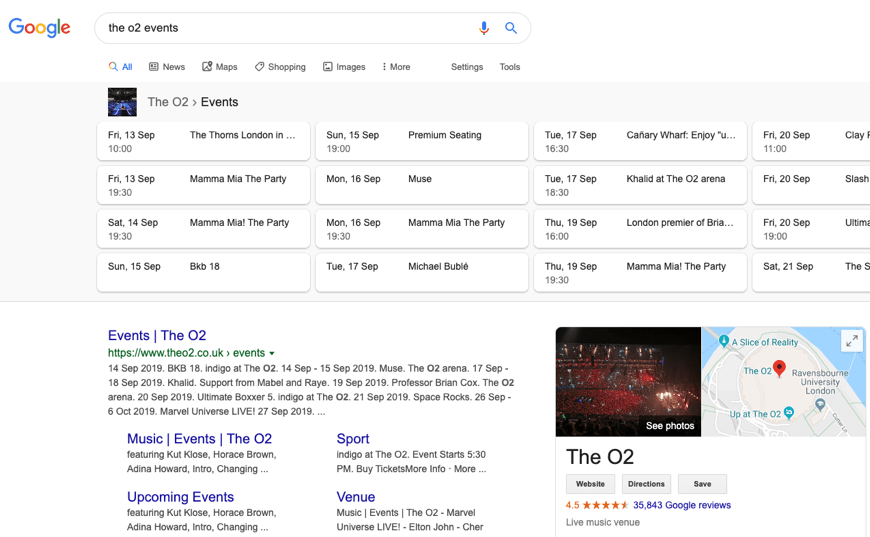
3. The Number of Direct Applicants Will Keep Growing
Of the 58,840 UK students placed through Clearing this year, 1 in 5 waited until after they received their A-level results before submitting an application through UCAS.
The number of direct applicants has risen every year since records began in 2010, proving that the traditional student journey has changed. More and more students are deciding against submitting an initial application for the January deadline. Instead, they’re waiting until later in the year to consider their options.
Institutions must react accordingly, particularly when it comes to the messaging used around Clearing. Direct applicants don’t have the same concerns during Clearing as students that have already applied. For example, there’s no worry that they won’t meet their current offers. If you don’t acknowledge and address direct applicants in your Clearing communications and messaging, you could risk isolating 20% of your target audience.
4. Personalised Messaging Will Be Key
So, it’s clear that future messaging around Clearing needs to take into account the increasingly large numbers of direct applicants. But that’s not all; there are other audience segments that require nuanced communications, such as:
“Traditional” Clearing students – those who didn’t achieve the A-level grades required for their chosen university
Self-release students – those who decline their chosen university to apply elsewhere
Mind-changers – those who aren’t sure about their chosen university anymore
Adjustment students – those who achieved better grades than expected and want to see what else is available to them
Ideally, you would target all of these groups separately with messaging tailored to their specific situation, their wants, and their concerns.
5. There Will Be More Clearing Places at Russell Group Universities
This year, 18 of the 24 Russell Group universities took part in Clearing, each with one or more places available.
Most notably, Russell Group institutions drastically dropped their entry requirements to attract more students. For example, Exeter University offered History places to students who achieved BCC in their A-levels, despite asking for AAB or ABB for the same course earlier in the year. Similarly, Liverpool University accepted applicants with BBC through Clearing (lower than the usual criteria of ABB).
These same Russell Group universities also all took part in Clearing 2018, proving this year wasn’t a one-off. We don’t see this changing in 2020. In fact, we predict that even more of the 24 Russell Group institutions could participate in Clearing next year as the competition for students remains fierce.
6. For International Students, You’ll Need to Look Outside the EU
The number of EU students going to university in the UK in 2019 has fallen almost 13% year-on-year, with the figures for the last three years as:
2019 – 26,440 (source)
2018 – 30,350 (source)
2017 – 29,754 (source)
With uncertainty from Brexit still looming, it’s unclear how many EU students will apply for university in the UK next year and whether there will be a drop in numbers again. Perhaps in 2020, universities will need to look to other countries to find international students…
For example, the UK saw a significant increase of 20% in the number of applicants from China this year. Arguably, the impact is largely due to America’s trade war with Beijing causing a decline in the number of Chinese students applying to study in the US.
This month, the decision was made to reverse Theresa May’s controversial policy on post-study visas for international students. It’s now been confirmed that from 2021, international students who enrol in an undergraduate, postgraduate or PhD course in the UK will be able to stay in the country for two years after they graduate, rather than the current period of four months. Although perhaps not for 2020, this could have a significant impact on the numbers of EU and international applicants from 2021 onwards.
Clearing 2020: Anything Could Happen!
With our predictions made, it will be interesting to look back next year and see whether we’re right or not. To be honest, anything could happen between now and Clearing 2020!
In the meantime, get in touch if you’d like help with your marketing and advertising strategy for 2020 recruitment. This is the perfect time to put together a solid plan to ensure optimal performance next year.
Have you seen the 10 creative marketing trends used by institutions in Clearing 2019?
How Entertainment Is Changing
Long gone are the days of waiting for tea-time to tune into your favourite show. We’re in the age of streaming, where all the content you could imagine is right at your fingertips – and it’s only going to get more expansive as time goes on.
Today, we’re looking into the insights of VOD and how it’s going to change TV and film forever.
Reach for the Stream
According to Digital TV Research, by the end of 2019, the number of SVOD (subscription video-on-demand) sign-ups will increase by a tremendous 119 million globally, reaching a total of 628 million. By 2024, the total amount will be 947 million. No doubt, there’s a massive audience rewatching Friends for the millionth time right now. (Don’t worry, you’re not alone).
Additionally, the research estimates that by 2024, Netflix will have 203 million subscribers, Amazon Prime, 125 million, and streaming newcomer, Disney+, 75 million. Overall, these estimates predict an 86% growth in SVOD from 2018 to 2024. The question is, what’s so hot about streaming right now? The truth is, it’s all about that sweet, sweet content.
Each of these streaming services has something unique to offer for its target audiences. Are you looking for a love-story set in the city of New York? Netflix has you covered with its original film, Someone Great. Are espionage and conspiracy more your vibe? Then Prime’s Mr Robot is the show to watch.
With exclusivity comes competitiveness, and therefore, a higher quality of content. We’re going to get a lot of new, exciting shows from the top dogs in the upcoming months. It’s a win-win for the consumer who wants to watch it all!
However, if there’s one company to keep an eye on, it’s the king of all content, Disney. Though the streaming service isn’t available in the UK right now, we predict it will make huge waves when it eventually arrives on our devices.
This year alone, Disney made $8 billion at the box office, but with the acquisition of household names such as Star Wars, Marvel, and now, 20th Century Fox, Disney+ will be a hub for top-quality content across the board. We predict Disney+ batting way higher than 75 million by 2024. If they have The Simpsons, then I’m hooked.
To Target Like No Other
Predicting that Disney will make money isn’t that groundbreaking. However, across the pond here in the UK, network Channel 4 is making headlines with its new ad targeting features on VoD.
Channel 4 recently launched “Dynamic TV”, an innovative advertising system that allows for creative and unique marketing opportunities across smart TVs, mobiles, and desktop VoD platforms.
Dynamic TV will offer partners an insight into first-party data from Channel 4’s audience (which is a whopping 18 million) and deliver unique, inbound adverts based on factors such as location, weather, and time of day.
Suzuki’s campaign for the new Suzuki Swift is one of the first to implement Dynamic TV through Channel 4. The campaign will launch in February and geotarget audiences based on location and show them their nearest Suzuki dealership.
This isn’t the first time Channel 4 has creatively disrupted the advertising game. In 2017, its trailer campaign for Alien Covenant startled viewers when personalized audio called out their name and told them to run!
Dynamic TV further opens the crate of creativity for marketers even more. Unlike Netflix, which only advertises its content throughout its platform, Channel 4 gets funding through external advertising; it’s the best place for brands to promote and engage with their audiences. We predict that brands will take notice of these new techniques and see Channel 4 as a top-tier streaming service to advertise on and potentially add their content to the platform.
Back to the Future
It’s exciting to see how revolutionary streaming has become in recent years. It feels like only yesterday Netflix was competing with Blockbuster in the DVD renting department. As the cord-cutting of traditional TV continues, the OTT avenues of streaming continue to skyrocket.
Everyone wants to get a slice of that streaming revenue; now it’s time for you to decide which will work best for you! For marketers jumping ship from TV, virtual multichannel video programming (VMVPDs) platforms might look familiar. Streaming sites such as Youtube Live provide more traditional formats for advertising, with the added benefit of not being limited to specific locations. Plus, with the services being OTT, you can personalize your ads depending on your target audience.
However, we’d recommend keeping an eye open on the marketing environment for these platforms, as they’re constantly changing their policies. For example, Twitch just announced they’re getting rid of ad-free viewing for users paying for a Prime subscription.
Overall, we predict to see big things from VoD in the upcoming year. From the new and unique ways in which we can advertise to the captivating entertainment that keeps the audience coming back.
Be sure to regularly check up on the Arke news page, as we’ll be covering the evolution of VoD services throughout the year. Until then, if you’d like assistance in building your brand for the OTT world or want further insights into the VoD universe, contact our team of advertising experts now.
The ability to demonstrate a quantifiable return on investment (ROI) of marketing is a powerful tool. It will help you prove the value of your efforts, as well as secure greater investment in your marketing.
Yet, with fewer than one in five marketers reportedly lacking confidence in their ability to measure and prove ROI, the industry is still struggling to establish its worth.
So, what’s the problem and what’s a curious marketer to do?
Who Cares About the ROI of Marketing?
Most marketers understand why measuring the ROI of marketing is important. In fact, a recent global Xaxis study found that:
- 81% of marketers deem it essential to drive direct correlations between their digital campaigns and strategic business goals
- 80% said their ability to meet business objectives affects their marketing budgets
Admittedly, it’s not a great surprise that marketers care about the ROI of marketing… but they’re not the only ones! Stakeholders and leadership teams also want proof that the resources they’re investing in marketing are not being wasted.
There’s no surer way to prove your profitability to others than by reporting on ROI. Demonstrating your direct contribution to business objectives can open doors to:
- Bigger marketing budgets
- Rewards for your work
- Promotions
Challenges with Demonstrating the ROI of Marketing
The desire to measure marketing ROI is clearly there, so why are marketers lacking confidence when it comes to it?
Some of the common challenges that marketers battle every day are:
- Conflicting Technologies – data is sometimes stored in multiple technologies that don’t integrate, making data collection manual and comparison of information difficult
- Data Silos – when data is collected by different internal teams who work in silos and lack communication
- Issues with Attribution – the consumer journey is often long and complicated with many touchpoints. Using last-click attribution is inadequate (where the action is credited to the most recent touchpoint)
- Team Crossovers – it’s frequent that marketing and sales contribute cohesively to prospecting, lead generation and lead nurture. It can be difficult to know where to attribute the end conversion
- Problems Accessing Data – when third-party data processors are involved, data can be difficult to access or provided in an unhelpful format (like .pdf)
- Skill Gaps – data can often be overwhelming and confusing (big data in particular). Understanding and interpreting it is a skill
- Inadequate Tracking – when the implementation of tracking misreports, inflates results or is not carried out against company objectives
What’s a Marketer to Do?
It’s comforting to know that if you’re facing difficulties measuring the ROI of your marketing, you’re not alone. But what matters most is where you go from here…
We’re sorry to say that there’s no quick fix or simple mathematics equation if you want the ROI of marketing to be accurate. Most marketers use multiple tactics, technologies and channels. So, when it comes to measuring ROI, you need to be careful to take every touchpoint into account and fully understand the impact of each one.
This is particularly important if you want the ability to:
- Attribute every penny you spend
- Identify ways to reduce budget wastage
- Recognise where to invest additional resources to increase performance
If you really want to get it right, the best way to go about it is in one of two ways:
1. Develop In-House Expertise
Measuring ROI of marketing is a skill and a pretty scientific one at that! So if you want to have an in-house expert who can report on the ROI of your marketing, you’ll likely need to invest in training for your current staff. Alternatively, you could consider a new hire who already has experience in this area.
The problem with this is that you’re back to square one if the staff member leaves your organisation.
2. Invest in External Expertise
One way to ensure your ability to measure ROI doesn’t walk out the door with a single employee is to enlist external help. It could save you a headache or two if an external agency or consultant does the leg work for you; bringing together all your technologies, people and processes holistically.
Bear in mind that any external help worth their salt will ensure you always remain in control of your data. Ideally, they’ll also provide you (and all other stakeholders) with an easy way to access the data you need, in a format that you can easily understand.
Although external expertise may require a higher investment in the short-term, it could save you significant time and frustration in the long run. Make sure to check they’re fully qualified analytics experts though!
Next Steps
“What is clear is that, while marketers are comfortable using the straightforward metrics they have today, they hunger for new ways to measure their efforts to understand the real effect on their business.” Nicolas Bidon, Global CEO, Xaxis, A Global Study of How Marketers Prove the Value of their Digital Media Investments
As the quote says, it’s not that marketers are lacking the desire to measure the ROI of marketing. We know it’s often that they’re stuck when it comes to next steps.
Although 2018 was predicted to be the year for marketing to shed its “colouring-in department” nickname once and for all, it seems there’s still a way for the industry to go. If marketers are truly ready to uncover their ROI, putting the necessary measures in place must be made a priority now.
This is why we’ve spent the last two years working with Google to develop a way of accurately tracking the ROI of marketing. By leveraging the most advanced features of Google Analytics and Google Tag Manager, we’ve evolved a complete solution for aligning every technology, person and process.
Get in touch if you want to accurately measure the impact of your marketing activities. We can help you unlock the full potential of what you’re already using, without making any big changes or implementing anything new.
Isn’t it time you started seeing the full, transparent picture?
2019 was no different from any other year, with UK universities investing thousands in paid advertising on A-level results day to reach as many potential Clearing students as possible. Just like in other years, the most widely used advertising platform on the day was Google Ads. We kept our ear to the ground and collected the most interesting and surprising advertising-related Clearing insights.
Including:
- Comparisons to last year
- New developments
- Algorithm changes
Here are five of our favourite Clearing insights…
1. Voice Search Played a Big Part
A-level results day is always a busy day for Google in the UK. With students searching for UCAS, institution names, and the courses they want to study, there’s consistently a sharp rise in enquiries on the day.
Interestingly, we saw a higher number of searches made by voice this year than we did last year. But that’s not all… potential students weren’t just using voice search to enquire; they were also converting from it.
In 2014, Andrew Ng from Baidu predicted that voice search will constitute 50% of all searches by 2020 (a stat often attributed to comScore). With 2020 rapidly approaching, it’s looking possible that this could be the reality this time next year.
Did you capitalise on voice search throughout Clearing and incorporate it into your strategy?

2. Negative Keywords Slipped Through the Net
Unfortunately, this is something we see every year. A-level results day comes, and institutions understandably want to target general searches around the word “Clearing”. Nothing wrong with that; the issue is when advertisers forget to exclude negative keywords from their campaign.
The result? Higher education ads appear for completely irrelevant “clearing” searches, such as “clearing acne” (and much worse… we’ll let your imagination run wild here!)

Undoubtedly, this is potentially damaging for brand reputation. It’s also a waste of budget since you’re reaching the wrong audience. But that’s not all, it’s bad news for every advertiser as it drives up the average cost-per-click (CPC’s). This makes bidding for Clearing-related searches much more competitive and expensive.

3. Google Penalised Competitor Bidding
Competitor bidding is an approach to Google Ads whereby you use your competitors’ names as target keywords in your campaign.
When you do this, you’re hoping to intercept their direct traffic by distracting the searcher with your advert. Paid ads appear above organic results, so the aim is for the searcher to divert from visiting your competitor’s site. You want them to choose you instead.
Many organisations take this approach, and it has previously worked well. In fact, it was used by multiple institutions on results day last year. This year was different though, with Google penalising competitor bidding by failing to serve the ads. This meant that advertisers saw low impressions and clicks for their competitor bidding campaigns.
But despite Google chastising this approach, CPC’s for institution names still increased throughout the day. This was because those who were using competitor bidding were targeting many different university names. Make sure that if you do use competitor bidding, you prioritise your resources on just your direct competition.
On the flip side, it’s also important to think about brand protection. Your competitors may be bidding on your name and the last thing you want is your direct traffic to be swayed! To combat this, consider running a campaign targeting your own brand name to protect your direct traffic and ensure those searching for you end up on your site rather than your competitor’s.
Thinking ahead, keep these learnings in mind when you’re putting together your Clearing advertising strategy for next year.

4. Average CPC’s Increased from Morning to Afternoon
It wasn’t just competitor bidding that saw a rise in average CPC’s on A-level results day. Costs increased from morning to afternoon across all Google Ads campaigns, but particularly for course-specific keywords (such as “medical school” and “architecture degree”).
This was due to growing competition from other advertisers as the day went on. Most likely because institutions became clear in the afternoon on the courses that still had places to fill. As a result, they took to Google Ads, investing budget in targeting course names. With more and more institutions competing throughout the day, it became increasingly expensive to secure the top advertising spots.
On results day, CPC’s can also be impacted by organisations signing off additional Google Ads budget in the afternoon. It can be too late by this point though, as the pool of students looking for a place has diminished. It’s much better to get stakeholders on board early with a realistic conversation prior to results day. Discuss the true costs of running Google Ads for Clearing so there are no surprises when the time comes. This way, you can go into the day with enough budget to remain competitive and avoid missing out on potential students.

5. Course-Specific Search Terms Outperformed Institution Brand Names
Our fifth and final insight makes a lot of sense when you think about it logically.
If a student doesn’t have a confirmed place at university on A-level results day, then they’re in Clearing. It’s, therefore, possible that they’re undetermined on which university they want to go to. It may be that they:
- Didn’t get the grades required for their first-choice university
- Achieved better grades than expected
- Changed their mind about the institutions they applied to earlier in the year
- Made the decision to go to university late and are applying for the very first time
Whatever the situation, it’s more likely that the student is decided on a course rather than an institution. Their task through Clearing is to find a university where they can study their chosen course. That’s why all competing universities want to be at the top of the search results.
This year, course-specific search terms were outperforming institution brand names even in the morning and this continued to increase into the afternoon. This is likely because later in the day, many institutions had started to run out of budget. As a result, brand and general Clearing campaigns were stopped and remaining resources were focused on course-specific queries, with the goal of attracting students for hard to fill courses.

Clearing Insights
So, that’s it! Another Clearing over, and more valuable insights learned.
The five in this list are just a few of the takeaways we took from this year’s A-level results day.
As always, feel free to get in touch to discuss any element of your advertising strategy, big or small.
Top Clearing Trends
It’s that time of year again! Don’t panic, we’re not talking about Christmas yet… it’s Clearing 2019!
This year’s been no different from others; in the run-up to A-level results day, UK universities with undergraduate places still available have been busy spreading the word to potential Clearing students. And with Clearing opening early through UCAS for the first time, there was also the new 5th July date for higher education marketers to consider.
We’ve collected some of the creatives featured in this year’s Clearing-related organic posts and paid adverts and picked out 10 marketing trends used by multiple institutions. This is your chance to have a nosy at what other marketers have been up to, discover the wide range of messaging and imagery displayed, and maybe even get some early inspiration for next year!
1. Featuring Testimonials from Clearing Students
There’s no denying that recommendations from others can be highly influential. Think about it, how often do you check reviews before going ahead with something? Be it on TripAdvisor, Airbnb, Amazon… for many, reading the tried and tested opinions of others has become a core part of the decision-making process.
There’s research to prove it; 66% of consumers trust online recommendations, while only 46% trust ads on social networks (Nielsen).
With this in mind, it’s a great idea to create a case study of a student who joined you through Clearing as a tool to help you attract more Clearing students. It’s even better if potential students can contact your case study student to ask them questions, seek inspiration and receive reassurance. You could consider asking your case study student to run a “takeover” on one of your social media accounts with a Q&A feature.
If you’re running paid adverts on social channels, you can also use your case study to help you address the lack of trust in ads. Rather than using a direct call to action like “apply now”, you could feature a snippet from the case study with a call to action to read more.
In fact, that’s exactly what the following institutions did this year…

Featuring: Anglia Ruskin University, Northumbria University, Falmouth University, University of Salford, Kingston University, University of Portsmouth.
2. Using Bright Colours
One way to stop social media scrollers from zooming past your post is with a pop of bright colour. It’s eye-catching, so it’s effective at grabbing attention.
A high number of institutions have featured colour in their communications this year. The effect? Colour brings an element of energy to the Clearing process, while a stand-out call to action leaves no ambiguity about what you want your audience to do next.
While there are pros for using colour, it’s also important not to wander too far from your brand. Make sure to check the palette in your brand guidelines before going ahead with a luminous background!

Featuring: University of Brighton, University for the Creative Arts, University of Plymouth, Glasgow Caledonian University, University of Huddersfield, University of Strathclyde Glasgow, Queen Mary University of London, Ravensbourne University London, University of Hertfordshire, Solent University.
3. Avoiding Bright Colours
For every institution that’s used bright colours this year, there’s one that hasn’t. Of course, in keeping with being on brand, it wouldn’t look right to use every colour of the rainbow on your social media channels if your website is entirely monochrome. If you do this, your audience is only going to be confused when they click through to your site.
Consistency plays a big part in whether your brand will be recognised and trusted. It’s important to stay true to who you are and to your values through your visual identity and the colours you use.

Featuring: Queen Mary University of London, Northumbria University, Oxford Brookes University, University of Salford Manchester.
4. Appealing to Emotions
This isn’t a new trend; aspirational messaging features in Clearing comms every year. It’s earned its place as there’s science in support of appealing to emotions through your marketing.
Research shows we rely on our emotions, rather than on information, to make decisions regarding brands. Our emotional feeling towards an ad is what determines how we respond, not the ad content itself.
So, it makes a lot of sense to use emotional appeal to inspire an action (in this case, to join a university). That’s exactly what’s happening with these aspirational and empowering messages aimed at potential Clearing students:
- “Be unstoppable” (University of Gloucestershire)
- “Find your way, yourself, your home” (University of Sussex)
- “Change your future” (Anglia Ruskin University)
- “This is your time to shine” (University of Southampton)
- “Be bold and brave” (University of Essex)
- “Here’s for the ones who can’t stand still” (Aston University)
- “Rise above” (Coventry University)

Featuring: University of Sussex, University of Gloucestershire, Anglia Ruskin University, University of Essex, Aston University, Coventry University, University of Southampton.
5. Addressing Negativity
Clearing isn’t only for students who didn’t receive their predicted results. There are other reasons students go through Clearing, including those who are:
- Direct applicants – didn’t apply earlier in the year and are submitting their application for the first time through Clearing
- Adjustment students – achieved better grades than expected and want to explore other institutions now available to them
- Mind changers – have changed their mind about the institutions they originally applied to
Regardless of a student’s reason for using Clearing, it can be an overwhelming process with so many institutions to choose from and the UCAS procedure to get to grips with.
Addressing negativity can be a powerful strategy, but only when doing so to alleviate the concerns of potential students and provide reassurance. The last thing you want to do is panic your audience or make them feel even worse!
It’s this less positive, more realistic side of Clearing that the University of Salford and the University of Leeds have focused on in their messaging this year.
6. Using Content Marketing
Content marketing delivers results. In fact, it reportedly generates 3 times as many leads as traditional marketing.
So, why shouldn’t content marketing have a place in Clearing?
Positioning yourself as a genuine and trustworthy source that provides helpful and relevant information about Clearing builds relationships with potential students. It also shows that you’re putting the student first (as you should do!). Delivering direct communications all about your institution and your USPs doesn’t promote this same message.
Finally, we know the marketplace for potential Clearing students is highly competitive, with multiple institutions battling to fill their places. Not all higher education marketers are taking a content-led approach, particularly when it comes to paid ads. So, using content marketing in Clearing can be refreshing as well as interesting.

Featuring: University of Leeds, University of Huddersfield, Anglia Ruskin University, Birmingham City University, St Mary’s University, Twickenham.
7. Targeting Parents, Guardians and Loved Ones
Just like with any big life decision, parents, guardians, family and friends all play an important part in a student’s choice of university.
Institutions like Birmingham City University, the University of Brighton, the University of Gloucestershire and the University of Portsmouth know this and have run paid advertising campaigns aimed at parents and guardians.
It’s a smart strategy; obviously, the student should come first, but also targeting parents, guardians and loved ones covers all bases. After all, a parent could suggest an institution for a good reason and one that their child perhaps hasn’t considered themselves.

Featuring: University of Gloucestershire, University of Brighton, University of Portsmouth, Birmingham City University.
8. Using Slogans and Hashtags
Taglines and slogans are undeniably memorable. You can tell a good one because they’re catchy, while the best ones even become integrated into our everyday vocabulary – like these examples:
- “Every little helps” (Tesco)
- “Because you’re worth it” (L’Oréal)
- “Just do it” (Nike)
It’s no different during Clearing, with some institutions using the same tried and tested slogans each year, while others change it up with a fresh concept. Here’s some we’ve spotted for 2019:
- “Choose Plan ARU” (Anglia Ruskin University)
- “Belong at Kent” (University of Kent)
- “Clearly Good for Me” (Kingston University)
- “Get Clear on Clearing” (Northumbria University)
- “London Calling” (University of Westminster)
- “Clearing Sorted” (Coventry University)
- “Conquer Clearing” (St George’s University of London)
- “Proud to Be More” (De Montfort University)
Turning your slogan into a hashtag can help you gain traction on social media, but why not take this one step further? Asking students with confirmed places to share content using the hashtag is a brilliant way to spark the creation of user-generated content, which you can then reshare on your own social media channels. If your students need a little bit of persuasion to use your hashtag, consider running a competition where the content they share is their entry.

Featuring: Kingston University, University of Kent, St George’s University of London, Coventry University, University of Westminster, Northumbria University, University of Salford, De Montfort University Leicester, Anglia Ruskin University.
9. Communicating that Clearing 2019 is Open
Although UCAS Clearing opened early this year for the very first time, this isn’t necessarily something that every potential Clearing student is aware of.
Understandably, institutions wanted to spread the word so that students who were ready to apply before the 15th August knew they didn’t have to wait. Cue the phrase “Clearing is open”, which we found on multiple universities’ websites, as well as on their organic and paid social channels.

Featuring: University of Kent, University of Westminster, University of Strathclyde Glasgow, Cardiff Metropolitan University, Solent University.
10. Promoting Clearing at a Subject Level
Promoting individual subjects throughout Clearing happens every year and it makes a lot of sense. Naturally, it’s important for institutions to fill places for subjects that are struggling to meet their targets. A strategic approach is to use targeted advertising to promote the course to a relevant audience.
For example, if you’ve got places available for maths, you could consider running a paid campaign targeting those aged 17-19, who haven’t been to university already, who are interested in higher education and are also interested in maths.

Featuring: Kingston University, University of Huddersfield, Queen Mary University of London, University of Portsmouth.
How You Can Stand Out
Clearing 2019 showed us that it’s a highly competitive place! In the process of discovering these marketing trends, what has been reinforced is just how many universities are competing for potential Clearing students.
Although UCAS applications are up marginally compared to last year (+0.4%), many institutions still have places to fill and are vying competitively for the spotlight. Since students have so many options to choose from, the more creative and innovative you can be, the better it is for standing out from the crowd.
At the same time, it’s vital that you stay true to your brand and your values, while also putting the needs and concerns of students at the centre of your communications. After all, they’re the one with the huge life decision to make.
Have you noticed any Clearing-related marketing trends this year? Or perhaps there’s a powerful ad we’ve missed that’s caught your eye? Let us know in the comments; we’d love to hear from you.
If you need help with creative concept and production, get in touch to speak with one of our experts.
Google Analytics (GA) is a free tool designed to help you track and report on your website traffic. If you’re already familiar with how to use Google Analytics, then you’ve probably realised that the insights you can gain reach far beyond just your website. In fact, they can be used to enhance your entire marketing strategy, including your paid advertising efforts.
When it comes to running paid advertising, you naturally want to ensure that you are doing all you can to see the best possible return on your investment. But it can be hard to be 100% confident in your planning, and if you’re not achieving the results you want, this is a clue that you haven’t got it quite right.
There are some super-smart marketing intelligence tools out there to help you answer these questions, but they can be pricey. And why would you want to fork out when there’s a treasure trove of free information to be found in your Google Analytics account?
How to Use Google Analytics to Improve Your Advertising
It would be a missed opportunity for marketers not to make use of the free tools available to them. A key skill is knowing how to use Google Analytics to uncover golden nuggets from the abundance of data in your account.
Here are our top 6 learnings you can take from Google Analytics to give your paid advertising a boost. Much of this data can be found in the “Home” overview section, but to drill down and analyse it, it’s best to go into each individual report (don’t worry – we’ll go through how to find everything!).
1. Which Advertising Platform(s) Should You Use?
Google Ads?
Bing?
Facebook?
Instagram?
LinkedIn?
Twitter?
Or something else entirely?
Google Analytics can help you decide!
In the main Reports menu, go to Acquisition → All Traffic → Source/Medium. Here, you will see a list of the places that your website visitors reached your site from. You can sort by Users to see which channel drove the highest number of visitors to your site.
There are other metrics to consider as well, though. Have a look at the Behavior section and sort by Avg. Session Duration. This will tell you, on average, how long visitors from each channel spent on your site and will help you find where your most engaged website visitors came from. It’s true that the overall traffic might be lower than from other channels, but this doesn’t really matter if it is of higher quality. This is important when planning your advertising – you don’t want a load of people clicking on your adverts but leaving your site immediately!
2. Which Locations Should You Advertise In?
The Audience Report in your Google Analytics is the place to go for lots of the good stuff.
For instance, to help you decide the locations you’re going to target with your paid advertising. Let’s face it, unless you have a ginormous budget it’s unrealistic to advertise to the whole world. So if you need a little help with prioritising, start by going to Audience → Geo → Location and have a look at where your website visitors came from.
You’ll see a world map with selected countries highlighted. These are the countries your website visitors were in when they were on your site. You’ll also find a table with these countries, along with Behavior metrics for each one. Remember to check these to find out which country generated the highest quality traffic, not just the highest volume.
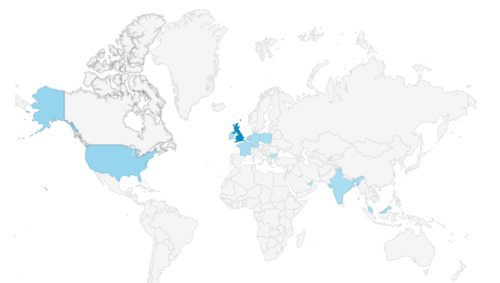
3. Who Should You Target?
Age and Gender
In the Audience tab is also where you’ll find the Demographics of your visitors and see things like their age and gender. You could use this info to inform your targeting strategy, or perhaps to place a bid adjustment prioritising a certain segment of your audience. Go to Audience → Demographics, and then choose either Age or Gender.
Interests
You can also look to the Audience tab to discover the interests of your website visitors and use this to inform your targeting. Navigate to: Audience → Interests → In-Market Segments.

Here, Google sorts your website visitors into interest groups. These groups are decided by what the visitors look at on both your website and the sites of others, as well as terms they search for on Google.
Google Analytics calls these groups “In-Market Segments” because the visitors are actively looking for information on these areas (in other words, they are “in-market” for them).
4. Should You Use Long or Short-Form Advert Copy?
The ideal length for social media adverts is a heavily debated topic. Although generally, your copy needs to be short to be optimised for mobile users and you can get away with it being slightly longer for a desktop audience.
We recommend starting your advertising campaign with a mix of short and longer form advert copy. Then keep a close eye on the results and optimise accordingly, turning off the adverts that are lagging. For example, if the short-form adverts are clearly outperforming their longer counterparts, that’s a sign to prioritise them.
That said, when thinking about whether to use long or short-form, it’s also helpful to be aware of the devices your website visitors use. Do most people visit your site from mobile? Does desktop trump tablet?
For this, go to: Audience → Mobile → Overview for a breakdown of visitor’s devices against Acquisition and Behavior stats (don’t forget: always check the quality as well as quantity!).

5. What Landing Page Should You Use?
The success of your advertising campaign doesn’t rely solely on your adverts. You need to consider the quality of your landing page too.
Think about it; you could have the funniest, most eye-catching, most intriguing advert in all the world… Yet, if a user clicks through and is met with a boring, hard-to-navigate landing page, which is totally irrelevant to the advert they saw, they’ll be out of there quicker than you can say “Google Analytics”!
If you’re planning to use a page that’s already live in your advertising campaign, it’s worth checking its performance beforehand. In Google Analytics, go to Behavior → Site Content → All Pages.

You can then use the search bar to find the page you’re considering using.

The metrics to check here are:
- Time on Page – Indicates how engaging your page is. Do your visitors stick around for long?
- Bounce Rate – This is the percentage of the total visitors to the page that left your site immediately without interacting with the page at all (AKA their time on page was 0 seconds!)
- % Exit – Shows the percentage of visitors who exited your site from the page. This indicates whether your page has done a good job of keeping your website visitor interested. Has it inspired them to continue browsing your site?
If your page is falling short on any of these metrics, then it’s worth doing some work on it before going live with your advertising.
6. When Should You Run Your Ads?
It’s worth thinking about whether you’re going to run your ads continuously, with an always-on approach, or whether you’re going to prioritise certain days of the week and times of the day. Discovering when your website receives the most traffic can help you decide.
To uncover this info, go to the Home summary report and check the “When do your users visit?” box.
These are the days and times when your website sees the most action. Keep in mind though that they’re not necessarily going to be the best time to run adverts – for one thing, peak usability times vary from platform to platform. Use this info as a starting point for deciding days and times to test.
As you begin to get results from your advertising, you can look out for things like whether you see consistently low engagement at a certain point. If so, consider excluding this day/time to prevent budget wastage.
Thank You Very Much, Google Analytics!
So there you have it; now you know some of the ways we use Google Analytics to help us run smashing advertising campaigns.
The thing is, we’ve only covered a tiny part of how to use Google Analytics. There is so much more data to be found within your account!
The best way to get started is to go into your account and explore. If you find you need more help on how to use Google Analytics, check out Google’s support guide, or get in touch if you’d like some training from our experts.
Are you confident that your Google Analytics account is set-up correctly? There are 5 issues our analysts persistently find in their Google Analytics health checks.
There’s no denying that we are living in a fast-paced digital world. These days, content is everywhere in one form or another, and we’re all vying for each other’s attention. The impact? Modern consumers have short attention spans and lack patience, demanding fresh content here and now. Your audience can be fickle and what they want from you in any one day may not be the same tomorrow.
As the way we consume content is forever changing, the way we produce it has had to adapt too: first moving from text-based to image-focused, before favouring video, to today, where short video clips prove most engaging. Social media giants like Facebook and Instagram have taught us to scroll until we find something that stands out. But we’re often not fully engaged and it’s never long before we’re looking for something else.
Today’s thriving content providers (like TikTok) are well aware of this. In fact, they even take advantage of our diminishing attention spans; users have the ability to create and consume short and snappy, perfectly scrollable content. As marketers, we can certainly learn a thing or two from TikTok!
What is TikTok?
Since 2017, TikTok has been capturing the attention of (predominantly) 16-24-year olds from all over the world. With over 500 million monthly active users, TikTok is fast becoming a social media force to be reckoned with.
Learn more about what TikTok is and why people use it >

How Does TikTok Accommodate Our Short Attention Spans?
The maximum length of each video clip on TikTok is 15 seconds, which makes it perfect for quick consumption.
It’s also because of this content style that TikTok keeps its users in the app; before you even realise it, one video has ended, and another has already started playing. Due to the constant novelty of its content and the continual change of focus, TikTok users tend to spend significant amounts of time on the app – lost in a world of ever-changing content!
Why Does Content Go Viral Regularly?
TikTok features a specific video sharing mechanism; the more users that show interest in a video, the higher the “authority score” of that video. Videos with high authority scores spread easily and quickly across the app, appearing in more users’ recommended content.
While this isn’t unique to TikTok, and other platforms like Instagram and Twitter employ similar algorithms, the difference on TikTok is that your account stats have no bearing on whether your content will go viral. On other platforms, accounts with a high number of followers or a large amount of previous content have a better chance of their new content going viral – but not on TikTok!
So, if your video is creative and stands out from the crowd, there is a chance with each upload that you could get famous within the hour. An undoubtedly great incentive for TikTok users to publish something amazing.

5 Reasons for Brands to Use TikTok
1. It’s Good for Raising Awareness
Since you’re in with a strong chance that your content will go viral on TikTok, it’s a channel using as part of a brand awareness campaign.
2. You Can Target a Specific User Demographic
While it doesn’t purposefully exclude other age groups, TikTok has established itself as a specialist platform with a userbase of predominantly 16-24-year olds. Young people have flocked to the app thanks to TikTok’s targeted customer acquisition campaigns, and they’ve also been drawn in by the Gen Z-friendly design of the app’s interface.
3. Because Content is Cheap and Easy to Create
Another reason why TikTok is so appealing to the youth market is because of the authentic, DIY nature to its content. This is also great news for marketers with limited resources. There’s no need for a production studio or high-level equipment (key to growth on platforms like YouTube). Just use your phone’s front camera and fire up your creativity!
4. The App’s Popularity is Growing
TikTok is growing fast – really fast. It has experienced the fastest growth amongst all social media networks, notably due to the investment from ByteDace and the acquisition of musical.ly in 2017. It has even surpassed Instagram in the total number of app downloads (over 1 billion according to SensorTower).
5. There Are Exciting Advert Formats in the Pipeline
Currently, the only options for advertisers on TikTok are influencer marketing and direct insertion orders (IO). But according to Adweek, TikTok will soon release a biddable advertising option.
TikTok began to test ads in the US earlier this year, pitching four different advert formats:
- In-feed video ads
- Brand takeover ads that appear when a user first opens the app during the takeover period
- Banner ads that encourage TikTok users to participate in brand-designed video challenges
- Branded lenses that work in a similar way to Snapchat filters
So, advertisers – watch this space!
The Darker Side of TikTok
It’s got to be noted that it hasn’t all been plain sailing for TikTok so far. Twice the app has been investigated for taking advantage of its young fans. In fact, in February of this year, TikTok received a $5.7 million (£4.3 million) fine for hosting content from users despite knowing they were under the platform’s minimum age requirement of 16. More recently, the app has been under fire about whether it is doing enough to safeguard its young users and protect them from grooming and financial exploitation – an investigation which is still ongoing.
These issues aside, TikTok has undeniably reinforced the power of bitesize video content in the era of ever-shrinking short attention spans.
… Are you giving your audience what they want?
Can you even remember a time before #ad? Influencer marketing is alive and kicking, that’s for sure. Just this week, The Drum reported an 83% YOY growth in spend on influencer marketing in the US and Canada.
But like anything, it’s important not to jump blindly on the bandwagon. You need to be confident that influencer marketing is the right choice for your organisation before you invest your time and money. Don’t go for it without carefully considering the following five questions.
What Do You Want to Achieve From Influencer Marketing?
More and more marketers are being swept up in the whirlwind of influencer marketing, believing it’s a tactic they must use – especially if they’re targeting Gen Z.
There is a strong argument in favour of influencer marketing, especially since recent research by Whalar found influencer ads to be far more “emotionally intense and memorable” than ads on TV, Facebook and YouTube. Certainly, influencers can create content with an honest, personal and raw style that is often difficult for organisations to achieve.
That said, influencer marketing can be pricey as well as time-consuming, so you don’t want to be doing it just for a box tick. It’s essential that you are clear on your objectives and the results you want to see from the start. If you’re thinking of working with an influencer, you need to be able to answer:
- What is your reason for using influencer marketing?
- What are you trying to achieve?
- Are you likely to see a return on your investment?
How Will You Measure Success?
It’s not enough just to pin down what you want to achieve. You must also be able to track your progress to see whether you’re meeting your goal.
Think about how you will measure the results of your influencer marketing. Could you ask the influencer to use a hashtag? Or perhaps give them a unique promo code to share with their followers?
In a recent study, 78% of marketers predicted that determining the success of influencer marketing campaigns would be a key challenge for them this year (Adweek). This highlights how important it is to think about how you’re going to measure ROI before you kick off the campaign.

Who Will You Partner With?
To maximise your return on investment, the influencer must be relevant to your products and services. Ultimately, you want their audience to be your target audience because, in very basic terms, influencer marketing is just marketing to your target audience through the medium of an influencer. Just as you do through other channels.
The best place to look for appropriate influencers is amongst your existing community. Think about it: do you have any high-profile clients or customers you could approach? One way to find influencers that are already engaged with you is through social listening (Hootsuite is a brilliant free tool for this). If you have a list of influencers you are considering partnering with, a framework like Net Promoter Score (NPS) can help you discover those that are most loyal to you.
But before you approach anyone, check who their audience is since 18% of the total spend on influencer marketing in Q2 of this year has been lost on fake follower accounts (Instascreener). That’s the last thing you need! Even worse, this figure doesn’t take into account budget wastage on real followers who are just completely irrelevant. On the flip side, beware of partnering with someone who has a very niche following in an attempt to increase relevancy as you could risk excluding other segments of your target audience. Look for a balance in between.

Are You Protecting Your Brand Reputation?
Whilst an influencer is not a part of your organisation and have their own brand, it’s important that you don’t work with someone whose values clash with yours as this could damage your reputation. You need to maintain the brand identity you’ve worked hard to establish, which is why any influencer you partner with should have similar morals and values to you.
How Much Control Will You Have?
No one likes inauthentic influencer marketing; it’s clear when a brand or product is endorsed solely for financial reasons. Of course, influencers should be rewarded for their work, but it’s obvious when someone truly believes in what they are promoting.
The best way to ensure genuine content from an influencer is to partner with someone who is truly interested in your products or services or has an affiliation with your organisation.
Naturally, there’s a fine line between maintaining control over the content you have commissioned and the influencer producing an authentic and unique piece of work. Yes, it’s great if the content fits broadly within your brand guidelines. But, the last thing you want to do is kill the influencer’s creativity – they may well think of something you never would! It’s very important to get the right balance here.
A recommended approach is to agree do’s and don’ts at the start of your partnership. Let the influencer know your non-negotiables: is there a word you want them to avoid using or perhaps something that they must include? Make sure to ask if they have any terms or conditions too. When you’re happy that you’re both on the same page, leave the influencer to it. After all, they’re in the spotlight for a reason!
If You Don’t Know Why You’re Doing It, Don’t Do It
If you’re not sure why you’re doing something, don’t bother doing it! This is good advice for most things really, but particularly for influencer marketing as it can only deliver great results if there’s a well-planned strategy behind it. Just like all marketing efforts.
We don’t want to put you off working with influencers. We just want you to be confident that influencer marketing is the right tactic to help you achieve your goals.
Have you used influencer marketing? We’d love to hear your thoughts and experiences in the comments section.
Do you need help with your marketing strategy, looking for new ideas, or just need a sounding board? We can support you. Get in touch.
A question we get a lot from clients is whether it’s possible to run a successful paid advertising campaign without breaking the bank. Well… it is!
Like anything, the key to running an affordable but successful paid campaign is in the planning. Your strategy is more important than ever when you don’t have endless funds. To give you an example, our Paid Media Executive, Rozina, will take you through a campaign we ran recently for Curzon Home Cinemas using a moderate-sized budget…
Natalie Portman, Jude Law, Stacy Martin and Raffey Cassidy: a dream cast under the expert direction of Brady Corbet for Curzon’s film Vox Lux. No wonder we were super excited when Curzon asked us to help them promote the movie. We were all thinking the same thing: “we might even get to meet the cast!”
But, that’s enough name-dropping for now. Let’s take a closer look at how we approached and ran the campaign.
The Brief
Curzon set us the target of increasing numbers in three main areas by running an integrated search and social paid advertising campaign. They wanted to see an increase in:
- Transactions
- Registrations
- Website film purchases
The Challenge
The problem was that Curzon’s budget for this campaign was limited.
So, what’s the secret to running a successful campaign even when the budget is moderate, you ask? Ok, here we go…
How to Run a Successful Campaign on Search with Limited Budget
For paid search campaigns, the key is to prioritise your quality score.
What is Quality Score?
Quality score is a rating between 1-10 that Google awards you based on an estimate of the quality of your search campaign. Factors Google looks at to determine your quality score include:
- The keywords you are targeting and their relevancy to their ad group
- The relevancy of your advert copy to your target keywords
- The user experience (UX) on your landing page and the relevancy of the page to your advert copy and keywords
- Your click-through rate
- The performance of your historical ad campaigns
Broadly, the Google quality score equation can be summarised as:
Relevance + User Experience = Quality Score
Find out more about Google quality score >
Why Focus on Quality Score?
You should strive for a good quality score because:
- Google considers quality score when determining which ads should appear in the top positions
- The quality of your ads is one of the variables that determine the cost-per-click (CPC) you will pay. So, the higher your quality score, the lower the price you could pay
- A good quality score indicates that your campaign provides a good UX and is relevant to what your audience is searching for, making them more likely to convert. Remember, your costs will decrease if you concentrate on the quality rather than the quantity of your leads

How to Run a Successful Campaign on Social with Limited Budget
Use Hyper-Targeting
It’s risky to cast a wide net amongst a large audience if you don’t have lots to spend, especially if they haven’t shown any previous interest. You want to focus instead on a smaller pool of people who are more qualified; again, it’s about the quality of your leads rather than the quantity!
This is exactly what we did on Facebook by retargeting three audience segments that had already shown an interest in Curzon. These included:
- Visitors to the website that didn’t make a purchase
- Website visitors who had previously registered their details
- Visitors who had previously purchased products on the website
Split-Test and Optimise Accordingly
Using hyper-targeting wasn’t the only way we managed to run a successful social campaign for Curzon with a limited budget.
We also ensured we were spending the budget we did have in the best possible way. On Facebook, we split-tested performance by the audience’s device, interest and demographics. During our rigorous weekly optimisation, we used the insight gained from our split-testing to weight the budget in favour of the variations that were the best performing.
It’s a no brainer really; just do more of what works!

The Result: Success!
Across search and social, the campaign exceeded its objectives, achieving an overall conversion rate of 18.8% and an advert click-through rate of 8.7%.
Overjoyed with the results, Curzon invited us to a screening of Vox Lux in London. Naturally, we jumped at the opportunity. Remember our dream of meeting the cast? Well… that’s exactly what happened! Raffey Cassidy, Stacy Martin and Brady Corbet were all present at the screening and took part in a Q&A after the movie. There’s no denying we were star-struck!
And what can I say about Vox Lux? It’s a movie that hits you hard; you’re encouraged to empathise, understand and question circumstances that you may be tempted to otherwise ignore. But rather than me spoiling the entire movie, here’s my recommendation: go and watch it!
Read the Curzon case study to find out about other campaigns we’ve run together >
When I was asked if I wanted to attend the new addition of VidCon in London, I must admit, my first reaction wasn’t to jump up and down with excitement.
I was sceptical and I had my reasons. I’d seen the vlogs showcasing the US VidCon experience and I knew what it was all about: hordes and hordes of over-excited teenagers, dying to meet their favourite YouTubers. Thanks, but no thanks.
Little did I know that these vlogs were only telling half a story. The story of those possessing a ‘Community’ pass. Turns out there are three different types of passes (who knew?!) and each offers you a slightly different VidCon experience. A Community pass, as you might have predicted, offers you the chance to be surrounded by said over-excited teenagers; then you have the ‘Industry’ pass, designed – you guessed it – for people working within the Social Media / Video industry. The Creator track pass gave me access to professional panel discussions on a broad range of subjects ranging from mastering niches to learning about Instagram best practice.
London, here I come
So there was I, an early morning and two coffees later, on the busy 07:58 train to London Bridge. I must admit that I was immediately impressed by the way the whole event was organised. Vidcon is hosted at the ExCel centre, with therefore very easy access via the DLR line (which, may I add, looks like an outdated version of the future). Moreover, upon entrance, I was given an electronic wristband and a Creator Track pass to grant me access to the different talks and was asked to download the Vidcon app to keep an eye on the agenda.
Enough faffing around, it is now time for me to take you through my day.
Cassius Rayner and the secrets behind mobile videography
After another coffee (you know, the one that almost tilts you over the edge), I headed to room 8 for the first workshop of the day: a practical session on how to record professional looking videos using only a phone. The workshop was given by Cassius Rayner, a multi award-winning smartphone videographer. He taught us about hidden camera features that could be unlocked on both iPhones and Android to increase video quality and shared with us what he considered as best practice in terms of methods, apps and gears. I’d recommend keeping an eye on this blog and our other social media channels as a blog post about smartphone videography will be released soon.
Another interesting aspect of this session was that half of the second hour was entirely dedicated to putting into practice the tips that we had been given and testing the various apps and gears while being assisted by students from the METFilm school. I found the overall experience very insightful as the format adopted by Rayner aimed to be mostly hands-on and allowed us to test equipment without necessarily committing to it. “Any takeaways from the talk” I hear you say? Ask no more:
1. If you’re looking for an affordable and practical Gimbal, I would definitely recommend the Zhiyun Smooth 4. It will allow you to shoot quality videos on your mobile, including time-lapse and slow motion, and give you the stability you deserve (I am talking about video stability – if you’re looking for the emotional or financial kind, I am not sure a Gimbal will be of much help).
2. Once you have the gear, you need the right app to record and edit your videos. The best app, recommended by Cassius Reyner himself, is Filmic Pro – the app is not free, but it is definitely worth the investment.
3. If you’re still not convinced that a mobile can be a reliable gear to shoot videos, just like I was before the talk, I invite you to check the trailer for the movie UNSANE with Claire Foy, shot entirely with an iPhone.

RU ready?
Second stop: a masterclass on Adobe Premiere Rush by Maxim Jago. Before the talk, I quickly stalked Maxim Jago on LinkedIn to get to know his credentials. Owner of his own company, he is also a consultant master trainer and stage presenter for Adobe. Despite a few technical difficulties, Jago taught us what is considered best practice when using Adobe Premiere Rush.
Adobe Premiere Rush is a powerful software that allows you to quickly edit, apply effects and export both videos and audios straight to social media platforms. If you want to learn more, make sure to sign up for our Workshop Wednesday (here) as one of the next editions will be focusing on Adobe Premiere Rush. In the meantime, here is a little preview of some of the key insights I could gather during that talk:
1. Rush can be installed and synchronised across all IOS devices. So if you capture a video and start editing it on your smartphone using the Adobe Rush app, you can resume your work on desktop by simply launching the software on this device.
2. The export function is extremely powerful as it allows you to convert your project in multiple formats tailored for social media platforms, such as YouTube, Instagram, etc.
3. Adobe Rush offers the possibility to add motion graphics templates. Motion graphics templates are customisable animated titles that allow you to take your videos to the next level, giving them a professional edge.
‘Cause we are living in a virtual world and I am a technological boy.
Third talk before a well-deserved lunch break: “Video on Instagram: How to use IGTV to build your community”. If I have to be honest, this session was probably my favourite of the day. It mainly comes down to the fact that not only both presenters were product marketing managers at Instagram, but also that the presentation was approached from a marketing point of view and therefore theoretically accurate.
It could be argued that, due to the position of the two speakers, the presentation was biased and angled in a way to promote IGTV to the multiple influencers and prospects present in the room. You might be right to think this way, however, I preferred to see it as an occasion to obtain detailed and useful tips from industry experts – because who could be more knowledgeable on a subject than the people marketing it….
Because I am a nice guy, here are some tips in relation to the production, the packaging and the promotion of IGTV episodes:
1. Production tip 1: Keep in mind that it is possible to post a teaser for your IGTV video on your Instagram feed. This will introduce your own followers to your IGTV content and subsequently increase the awareness of your IGTV channel. There are three elements to watch for in a teaser that are essential to get your viewers hooked: a. Remember the copy of the title screen must be engaging and well positioned. b. Your teaser needs a cliffhanger so people have a reason to watch the full video on IGTV c. Your video needs a CTA to redirect people to your IGTV channel.
2. Packaging tip 1: The format of the videos published on IGTV is 9:16 whereas the format of the teaser that will be posted on your feed is 4:5. Therefore, one important thing to remember is to place the title of your video in a 4:5 area approximately in the centre of your 9:16 video.
3. Promotion tip 1: There are many tools available to promote your IGTV video. Here are a few techniques that you could use in order to raise awareness: Behind the scene teaser, countdown stickers, timers, 60 secs feed teaser, sharing incentives on Instagram story, Twitter and Facebook and live sessions to promote the video.
Ever had a great date with an odd ending? How my sandwich should have been the hint to exit out the bathroom at VidCon
After a rather sad mozzarella and plain ham sandwich, I headed back up for a session on how to build an audience and a business using Facebook’s services. Despite a slick presentation from the two strategic partner managers at Facebook, this session didn’t fully resonate with me. The reason being that the talk was mainly focusing on how to use Facebook’s monetisation services and how to turn videos into income.
I also suspected this presentation to be an attempt from Facebook to popularise its lesser-used services, such as Facebook watch. Indeed, according to the two speakers, all services offered by Facebook were worth exploiting as they had a readily available audience as well as the possibility to use ad break (which would ultimately bring money to Facebook). However, when the room was asked, by show of hands, who was familiar with Facebook watch, a maximum of three people out of a hundred raised their hands, bringing a bit more objectivity to the session.
I would have preferred if influencers had been invited to stage to share their genuine opinion and experience with Facebook rather than being confronted with a sales-y presentation.
The last talk that I attended that day concerned best practices for building a live streaming workflow. Presented by Claudia Barbiero, VP of marketing & strategic live events for LiveU, and Jesse Latham, a live streamer, the session covered various subjects, from technical requirements to real-world case studies whilst being casual and straight-to-the-point.
I would not qualify this session as the most insightful of the day but I found the intervention of the live streamer entertaining as he shared his personal experience of live streaming and closed the talk with a Q&A.
This last presentation marked the end of Vidcon (for me at least) as it was time to make my way back down to sunny Brighton (not that sunny at 7 p.m, granted).
Vidcon was a really insightful event and, despite some sessions whose focus was more orientated towards influencers themselves, I would definitely recommend it to any marketing/advertising professionals who are willing to further their knowledge and extend their skills on everything that is influencer/social media/video related
Well, that’s it for me I think.

P.S: I just wanted to clarify that I would happily attend their next edition (*wink wink* to anyone working for Vidcon and reading this article).
What are the 7 most important techniques that drive the cost of media down, whilst increasing return on advertising spend?
Here at Arke, we work with a wide selection of clients, from entertainment corporations and travel companies, to universities and education providers. Our clients all share a common characteristic: they are relentlessly trying to understand Millennials and Generation Z, their motivations and how these drives behaviour.
As a specialist advertising agency, we are therefore in a unique position as we observe, analyse and learn across 1000’s of campaigns what works.
Every client Arke works with have successfully reduced the cost of their advertising whilst increasing their quality & conversion outcomes.
So, how do we reach, engage and convert more of Millennial and Generation Z for our clients for less, successfully increasing return on advertising spend?
Let’s look at one crucial tactical approach: Social Media Advertising.
First, let’s address the glaringly obvious over recent years:
“If you want to reach more prospective customers through social media, you need to pay via their advertising inventory.”
Ok, so now we’ve addressed that, let’s tell you how to ensure you are getting the best value for every penny you invest in this form of advertising:
There are 7 primary factors that impact the price that you will pay for each 1000 impressions (cpm) and every click (cpc)

1. Quality of content
Not the easiest to quantify. However, using high definition imagery and / or video content (4k if possible), keeping this between 7 – 15 seconds long, using short and succinct copy and optimising for mobile (think 9:16 format stories) will enable you to keep costs down over your competitors. Remember, social is swamped with poor user-experience content, and the platforms are trying to clean this up by penalising poor-quality paid content with a greater price to serve it.
2. Target the right audiences
Seems the most obvious, right? Segment your audiences efficiently and effectively.
Make sure you layer your targeting options on top of lookalike audience data, gathered from your current customers or prospects. This significantly improves conversion outcomes and reduces wasted media spend. If you are unsure about this and the options available, feel free to speak to an expert
3. Choose the right campaign objectives
This is fundamental to enable the platforms to work for you. Selecting the most appropriate campaign objective means that the correct algorithm will be employed to drive more of those desired outcomes. If it’s brand reach & engagement you want (say on Instagram) then select so. However, don’t then judge the effectiveness of the campaign against traffic back to your website, as you’ll only upset yourself and nobody wants that – least of all us!
4. Be clear in your call-to-actions and encourage engagement
I know, I know. Marketing 101. However, you should always challenge your content to ensure you clearly express what you want the users to do. Ambiguity of messages and user actions will only mean that the algorithms that are evaluating your ads’ relevancy to users will get confused. And guess what? Your cost to serve goes up.

5. Keep ad frequency down to a minimum and time them appropriately
If you’ve done everything above correctly, then you won’t have to worry about this step. Better targeting means less reach, but more relevant audiences reached. They are going to love your content because it is high quality and is clear in message. So, there is no need for a high ad frequency as it will cut-through and resonate with them almost straight away. Right?! But honestly, don’t serve them the same content every day for 4 weeks. What a jarring experience of your brand or message. And make sure you appear at the most relevant time for your audiences, when they are using the platform, and don’t display when they are not. Simple.
6. Optimise, optimise and optimise
It is vital if you want to maximise budget and outcomes and reduce wastage. Optimise the audiences based on their engagement and behaviour. Optimise the content accordingly, as well as the time of day you appear and your bidding strategy and price. These are live auction ad inventories. Variables change, behaviours change, competitors change. Observe and adapt accordingly.

7. Learn, repeat, take a holiday.
I know this sounds and seems obvious. But measure, record, analyse and repeat what you have learnt. Learn what is working but more importantly what is not working. Then do more of the first bit and less of the second. It’s all a process and it doesn’t stop. However, if you keep applying your learning, then you can hopefully stop and maybe take a holiday, leave your campaigns in capable hands and with a bullet proof handover. Just maybe…
If you’re lucky enough to already work with Arke then you’ll be pleased to know that all of this is being done and taken care of every day by your project team.
If you have any questions or wish to discuss how to optimise your return on advertising spend, your social advertising strategy, or any other aspect of your marketing, then don’t hesitate to contact one of our friendly experts.
Homelessness in Brighton: A Growing Issue
Government figures show that homelessness across England has increased by 24% since last year! This has left Brighton and Hove Council with the second-highest rate of rough sleepers, second only to London Westminster. Undeniably, homelessness in Brighton is a serious issue.
Here at Arke, we don’t want to just sit back and inevitably see the situation worsen. We want to help in any way we can. With our experience in youth marketing; it was a no-brainer for us to volunteer our services to the local YMCA Youth Advice Centre (YAC).
Talk it Over
The unfortunate reality for young people (aged 13 to 25) is that the number one reason for becoming homeless is due to problems at home. YAC’s ‘Talk it Over’ project aims to raise awareness of this fact, while their Family Mediation service works hard to prevent it. The goal of Talk it Over is to improve relationships by empowering parents, carers and young people to talk through any difficulties they are having at home, in a safe environment. Ultimately, this will reduce youth homelessness in Brighton.
YAC’s work is vital, but they were having trouble reaching the audience they are trying to help. “We felt we had a knowledge gap on how to reach the audience that is most in need of our services.” Emma Brandenburger, Family Support Mediator at the Youth Advice Center.
How can vulnerable young people turn to YAC for support when they don’t even know that the ‘Talk it Over’ project exists?

How Arke Helped
We knew our experience could help fill the knowledge gaps amongst Emma and her team. So, our advertising experts provided YAC with guidance on how to create audience-specific marketing campaigns. We also advised on how to tailor imagery and messaging, making sure they resonate with both parents and young people.
“Arke helped us break down what we needed to do in terms of pictures, images and wording to get the most engagement from our audience.” Emma Brandenburger, Family Support Mediator at the Youth Advice Center.
Next, we supported YAC by running a paid advertising campaign informed by the messaging and imagery we’d pinned down.
The campaign achieved great results, significantly raising awareness of Talk it Over amongst YAC’s target audience. Over 170,000 local people were reached, with an audience split of 60% parents and 40% young people. But, the best result was the increase in both enquiries into and appointments with the Family Mediation service.
Looking to the Future
Of course, the problem of youth homelessness in Brighton is far from solved. There’s still a long way to go.
Arke will keep providing YAC with ongoing advertising and marketing support. The short-term goal is for YAC to receive approval for the ‘Google Grant Scheme’ to be granted an allowance of free advertising spend. With this money, the Talk it Over paid advertising campaign will be able to continue. The continuing campaign will give hope to more and more families who may be at their last resort and keep working towards the long-term goal of reducing youth homelessness in Brighton.
“We never once felt with Arke as if we were being blinded by science or asking any stupid questions. We want to thank Arke for the time, their professionalism, their tenacity with sorting out some of the ripples on the project. And also for their understanding of all our questions and for working so cooperatively with us. So, thank you for your time and your expertise.” Emma Brandenburger, Family Support Mediator at the Youth Advice Center.

Who Currently Uses It?
Companies are becoming increasingly invested in AI and chatbots as a result of voice assistance shifting from early adoption into mass adoption.
Think about it; today, the majority of online users are aware of virtual assistants such as Siri, Cortana & Alexa. A study conducted by Skims has found that almost half of the UK population is using voice assistants on their smartphones – with family households the most prominent users of voice technology.
How Do Users Interact With It?
Voice assistants help you save a lot of time when completing basic life admin activities such as ordering meals, shopping, booking appointments setting reminders, and simple product search queries.
Curiosity is the strongest drive in initial voice purchases, although a lack of accuracy and visual confirmation of product orders are the primary blockades against mass adoption. Despite this, Amazon is constantly trying to nudge behaviour by providing discounts for products purchased via voice assistants.
These technologies are bound to improve due to their innate nature based on machine learning. Let’s also not forget how many millions of dollars have been invested by the tech giants! Voice assistance is already too big to fail, and smarter AI will only allow the extraction of more usefulness. Last year, Google CEO, Sundar Pichai, presented the extraordinary abilities of Google Duplex. This updated assistant can make your appointments seamlessly in the background while you are busy with more important tasks. It recognises accents and can respond with a human attitude in unpredictable situations… you didn’t even imagine this in your wildest dreams, right?
How Can Marketer’s Use It to Their Advantage?
As a marketer, you need to prepare for the emergence of voice assistants by looking at your current marketing strategies and understanding how you can integrate voice assistance within your existing digital efforts. Voice assistants resemble a double-edged sword for most marketers. On the one hand, it can act as an enabler for greater brand loyalty. On the other hand, it can act as a threat to branding as a concept.
In a world where we shop via Alexa, Amazon gets to choose what to sell. So, the question is how you can reduce Amazon’s control and transform voice assistance into a branding tool?
With the emergence of voice assistants, both personalisation and relevance become even more important for marketers. Voice assistance allows direct connection with users, catching them at just the right moment (when they are purchasing). The validation process for split-testing and new product development will be based on highly accurate data derived directly from users.
Suddenly, understanding the customer is easier. Voice technology will dig deeper into users’ pains & motivations. The influx of data collected and analysed will be far larger than data currently collected on search and social channels.
Brands Using Voice Assistance as a Key Differentiator
These 3 examples demonstrate how voice assistants can be used as a powerful tool for standing out. Collaborations with Amazon & Google have been tested amongst brands.
KLM’s BlueBot – “Never Forget Anything Again With BlueBot”

KLM collaborated with Google Home to help make packing luggage easier for travellers with a smart packing assistant. BlueBot will ask you questions and help you pack for your trip as if it’s a friend that knows you and your holiday style well!
Nespresso’s Prodigio – “The Connected Nespresso Machine”- Alexa Integration

Nestlé – “Bring Voice Plus to the Kitchen”

Don’t know what to cook today? GoodNes provides visual and voice commands in collaboration with Alexa skills to help you cook the perfect meal for you and your loved ones.
Seems like the future has finally come and voice assistance is a vital part of it, creating a personality around technology as a whole. Until now, computers were just machines but now they can talk to you… who knew?!