KCL RE-STAR
Using Animation for Research and Experimentation
CASE STUDY
We produced for KCL RE-STAR
- Animations that were used as part of cutting-edge research into classroom support and brain responses to emotion in neurodivergent adolescents.
- A set of 10 pairs of animations that were standardised to meet the research aims.

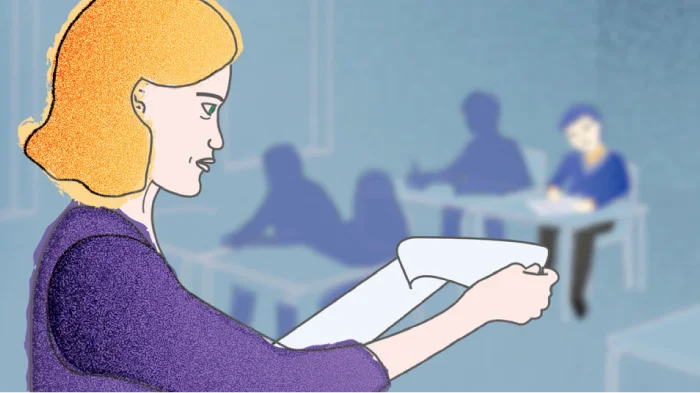
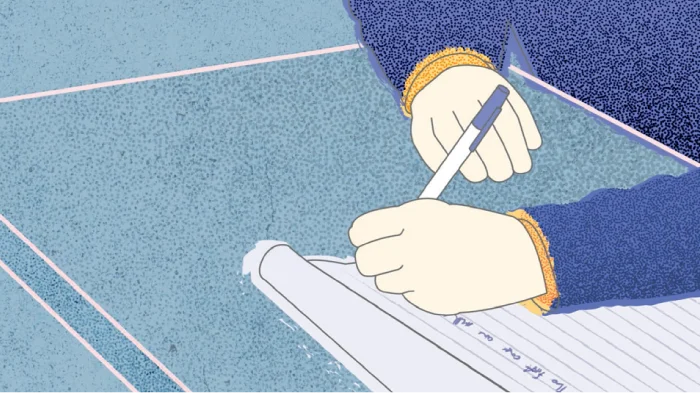
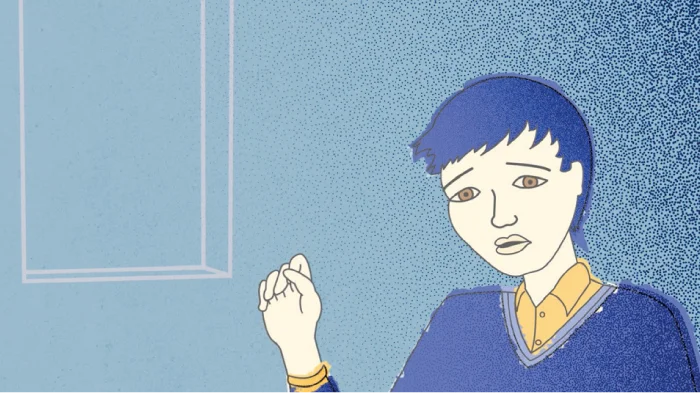
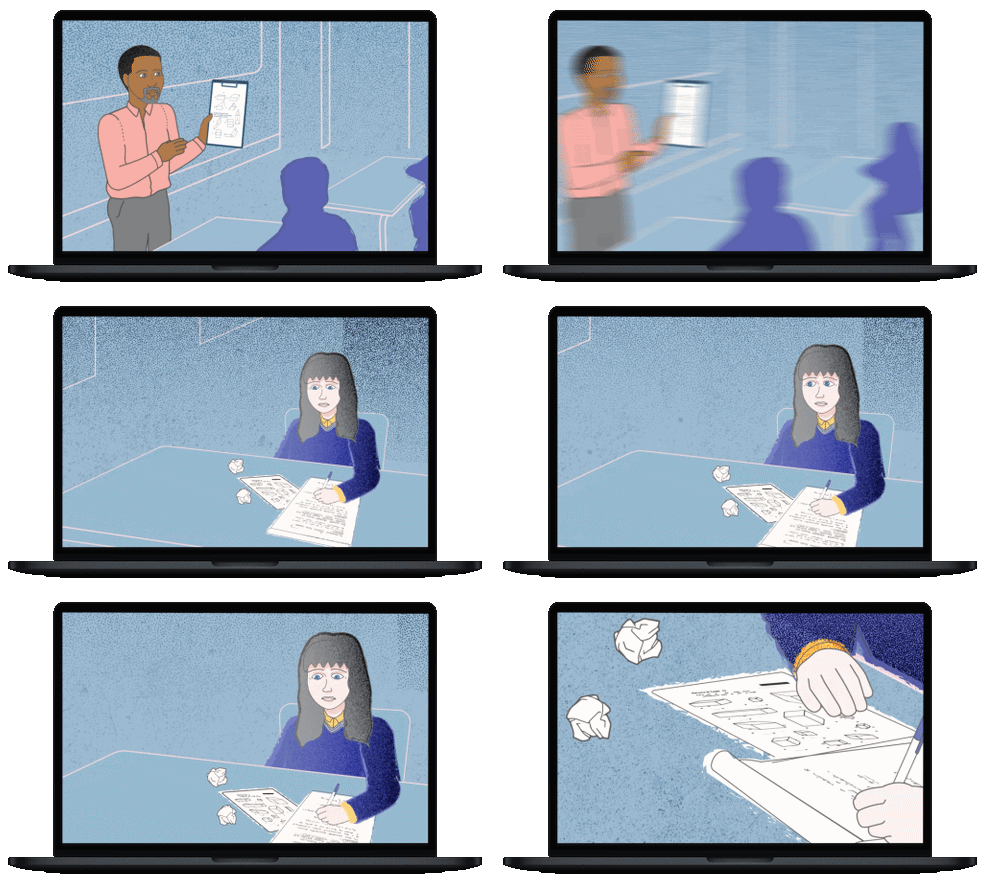

- Each animation had narration, an opening scene setting the environment and the room in which the scenario played out. A situation was posed as part of the narration, and then a ‘cue’ was delivered by one of the characters, addressing the viewer directly.
The Background
RE-STAR is a four-year, interdisciplinary programme officially called Regulating Emotions – Strengthening Adolescent Resilience within the Experimental Psychopathology and Neurodevelopment Research Group at King’s College London.
Their research team was preparing to embark on cutting-edge research into emotional regulation, neurodiversity, and adolescent resilience through their BE ME! (My Brain Emotions & Me) study.
RE-STAR called on Arke to create a robust suite of bespoke animations to be used in the study and shown to autistic, ADHD, and neurotypical young people to understand how their brains and emotions respond to different classroom interactions.
Arke’s creative team set out to create a set of controlled visual stimuli and helped provide researchers with the tools needed to investigate how classroom experiences influence emotional processing and brain activity.

The Mission
RE-STAR’s experimental studies research team needed a series of carefully controlled animations to be used as experimental stimuli during EEG-based studies.
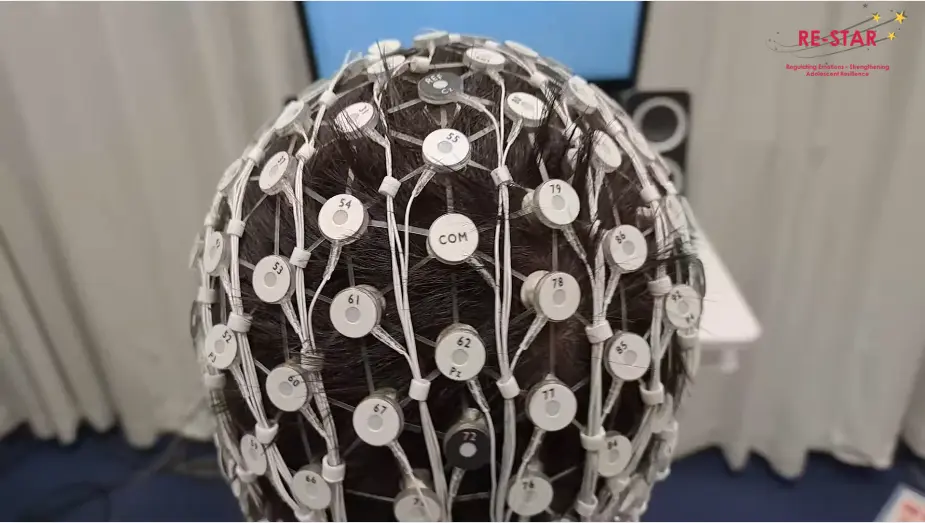
Participants would watch the animated classroom scenarios whilst wearing electroencephalogram (EEG) caps, and their brain and emotional responses would be measured by researchers in real time.
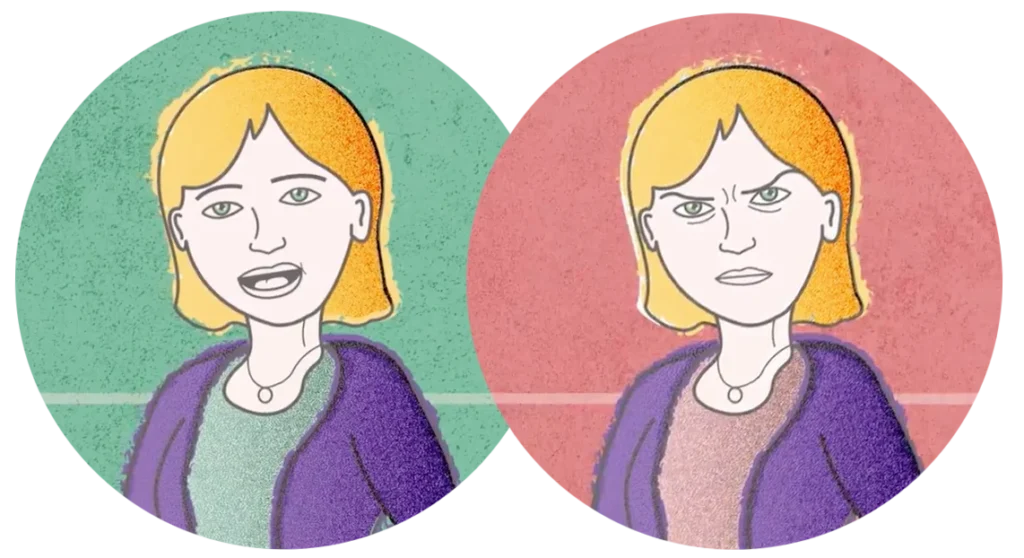
The objective was to create 10 pairs of animations that were visually consistent whilst differing only in the emotional cue delivered to the viewer with carefully controlled voiceovers and illustration techniques.
The animations needed to be scientifically robust as per the specifications of the research team at KCL whilst remaining engaging and relatable for young participants.
It was imperative that our designs communicated emotion through
the characters interacting in the scene for the success of the experiments.”
Matt Stokes
Arke’s Head of Creative
The Audience
The animations were designed for use with:
- Autistic students
- Students with ADHD
- Neurotypical students
- The target audience sat primarily within the adolescent age range.
Importantly, feedback from the project’s Youth Researcher Panel helped shape the creative direction for character and scene design, ensuring the content felt authentic and appropriate for participants.

The Strategy
Arke’s creative team began by drawing on a deep understanding of the ideal animation style; it had to strike a balance between not being too childish or too mature to capture the attention of the tween and teenage audience. Following feedback that we received from the Youth Researcher Panel, Autistic, ADHD and neurotypical students, we then put our ideas onto moodboards and stylescapes to help us come up with our approach.
We worked closely with the BE ME! research team to devise how the pairs of animations would work as a larger group, and be able to be played out of order for a true blind test. Once we had a clear idea in mind, we created the initial work-up storyboards to help everyone visualise our approach.
Once we aligned our design, characters and tone of voice with the research team, we began animating. We created 10 pairs of animations with a neutral and negative response for each scenario. Each animation had narration and an opening scene, setting the environment, the room in which the scenario played out. A situation was posed as part of the narration, and then a ‘cue’ was delivered by one of the characters, addressing the viewer directly.
We employed a cartoon style, chosen by the BE ME! team and adapted by Arke’s creative team.
The Challenges
Ensuring the characters, voice over and animations followed the strict parameters of the research team was of the utmost importance for the success of the study.
This required the initial development of several artistic approaches to understand which style they felt would resonate with the students in the study, keeping the style consistent across all scenes and not distracting the user from what was taking place in the scene.
Sourcing the correct voice over actors required a meticulous casting process as they needed to deliver impactful lines with the appropriate emotional delivery.

The Results
The project successfully delivered a complete suite of animations that formed the foundation of RE-STARS’s experimental studies. The final assets enabled researchers to:
- Conduct EEG-based classroom interaction studies
- Explore emotional responses across different participant groups
- Investigate neurodiversity and adolescent resilience
- Generate robust research findings using consistent experimental stimuli
Initial findings shed light on how different styles of classroom setups can support the learning and emotional regulation of both neurodivergent and neurotypical students.
By combining creative expertise with scientific rigour, Arke helped transform complex research requirements into engaging, accessible animation content capable of supporting meaningful academic research.
We were happy to work with Arke, who immediately got the brief and were pleased with the flexibility they offered,
especially in terms of being able to take on feedback from the young people we work with.”
Project Lead at RE-STAR
Related Case Studies
Let's get started
Got a mission for us? The Arkenauts are all ears! Book a call, drop your brief or enquiry into our digital portal, and we’ll be in touch straight away!